Attractions and Places To See around Panque - Top 20
Best attractions and places to see around Panque include historical sites, cultural landmarks, and natural features along the Neiva and Cávado rivers. This region is known for its connection to the Portuguese Way to Santiago and its rich history dating back to the Middle Ages. Visitors can explore a variety of sites, from ancient bridges to city centers with unique traditions. The area offers a blend of historical exploration and local culture.
Best attractions and places to see around Panque
…Last updated: July 1, 2026
Barcelos city centre
Highlight • Settlement
Translated by Google •
Tip by

Barcelos Rooster statue
Highlight • Monument
Translated by Google •
Tip by

Sign up now to discover places like this
Get recommendations on the best single tracks, peaks, & plenty of other exciting outdoor places.
Sign up for free
Santa Cruz Chapel
Highlight • Religious Site
Translated by Google •
Tip by

Ponte das Tábuas de Balugães
Highlight • Bridge
Translated by Google •
Tip by

Pilgrim Altar
Highlight • Structure
Translated by Google •
Tip by
Sign up for free to discover even more attractions around Panque.
Sign up for free
Already have an account?
Start today with a free account
Your next adventure awaits.
Login or Signup
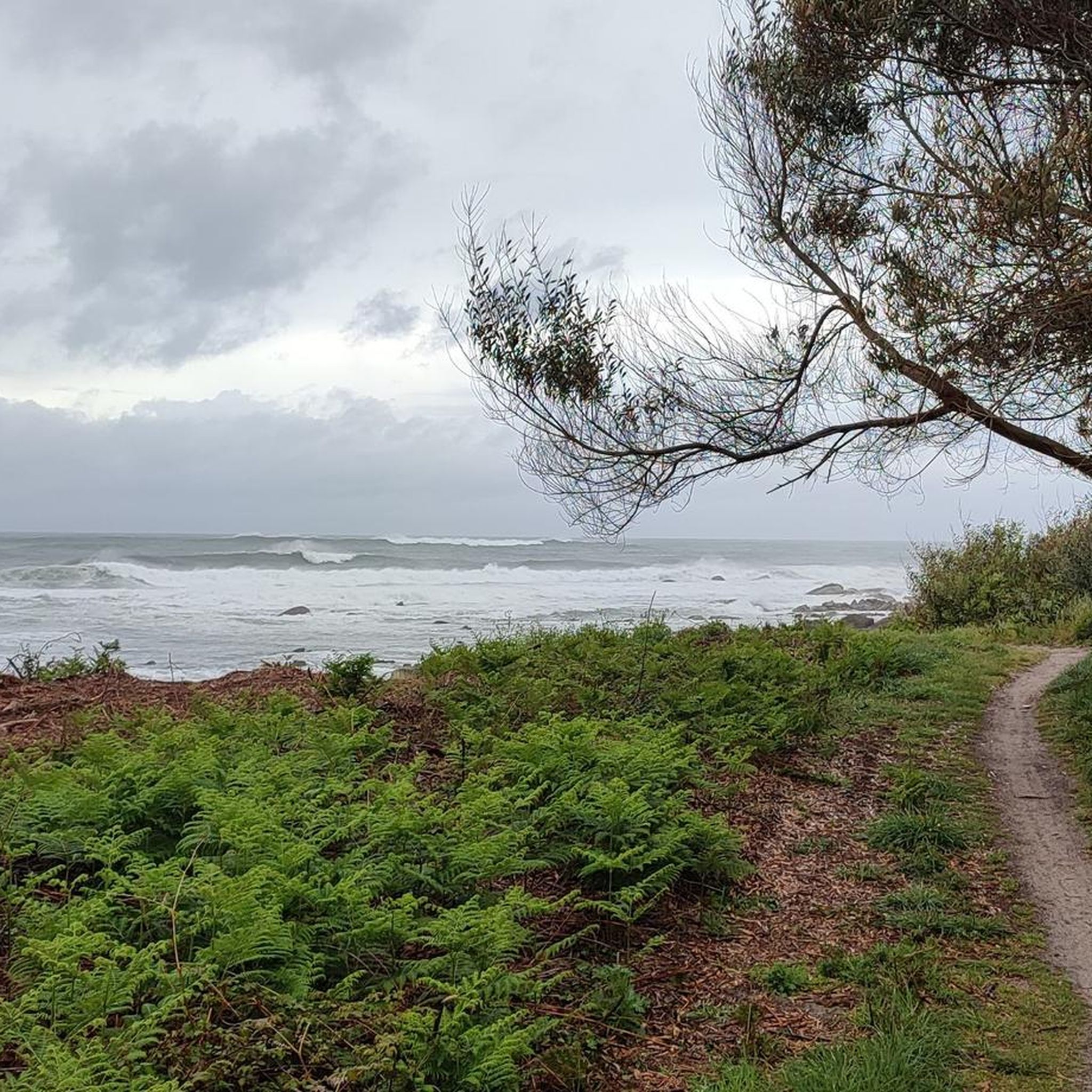
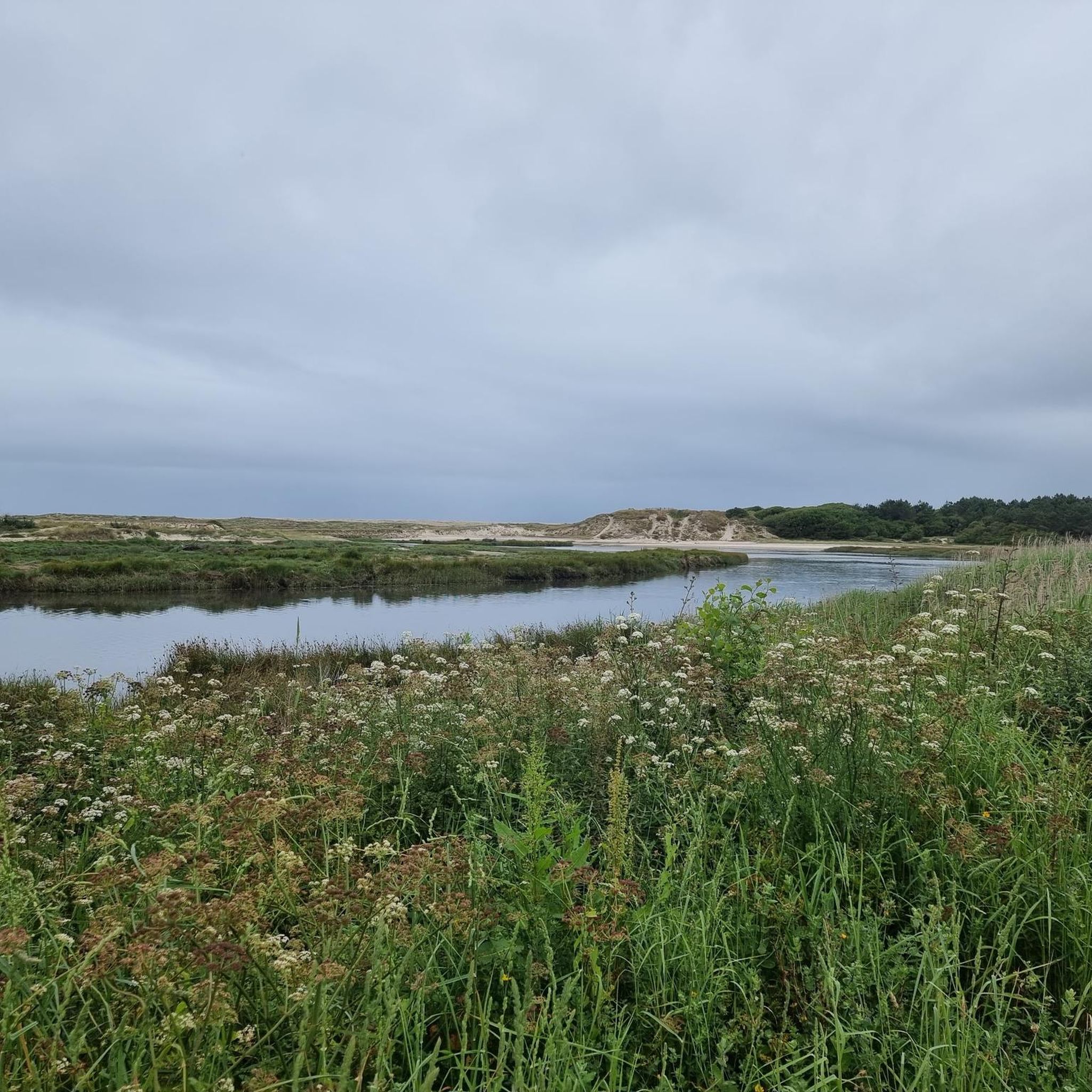
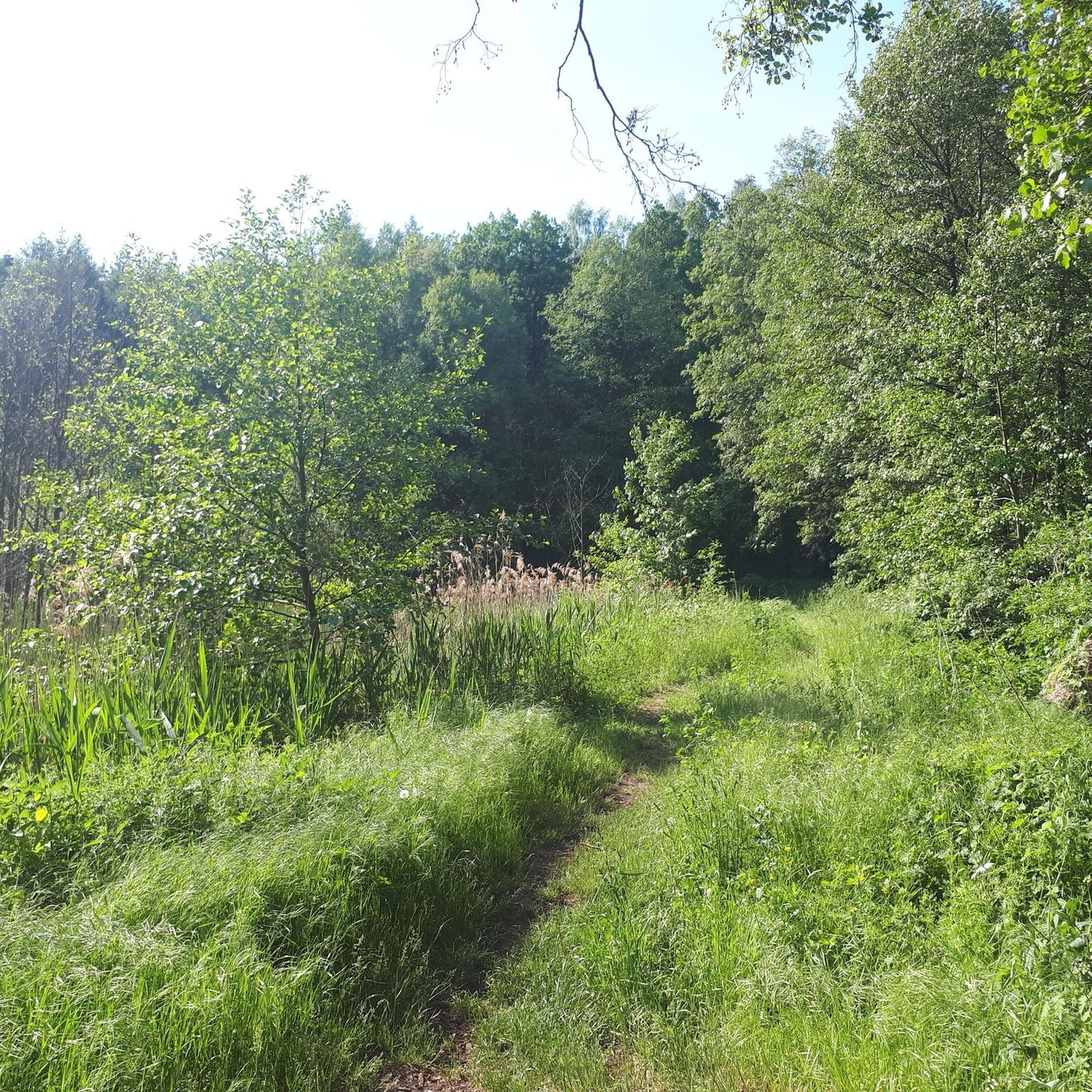
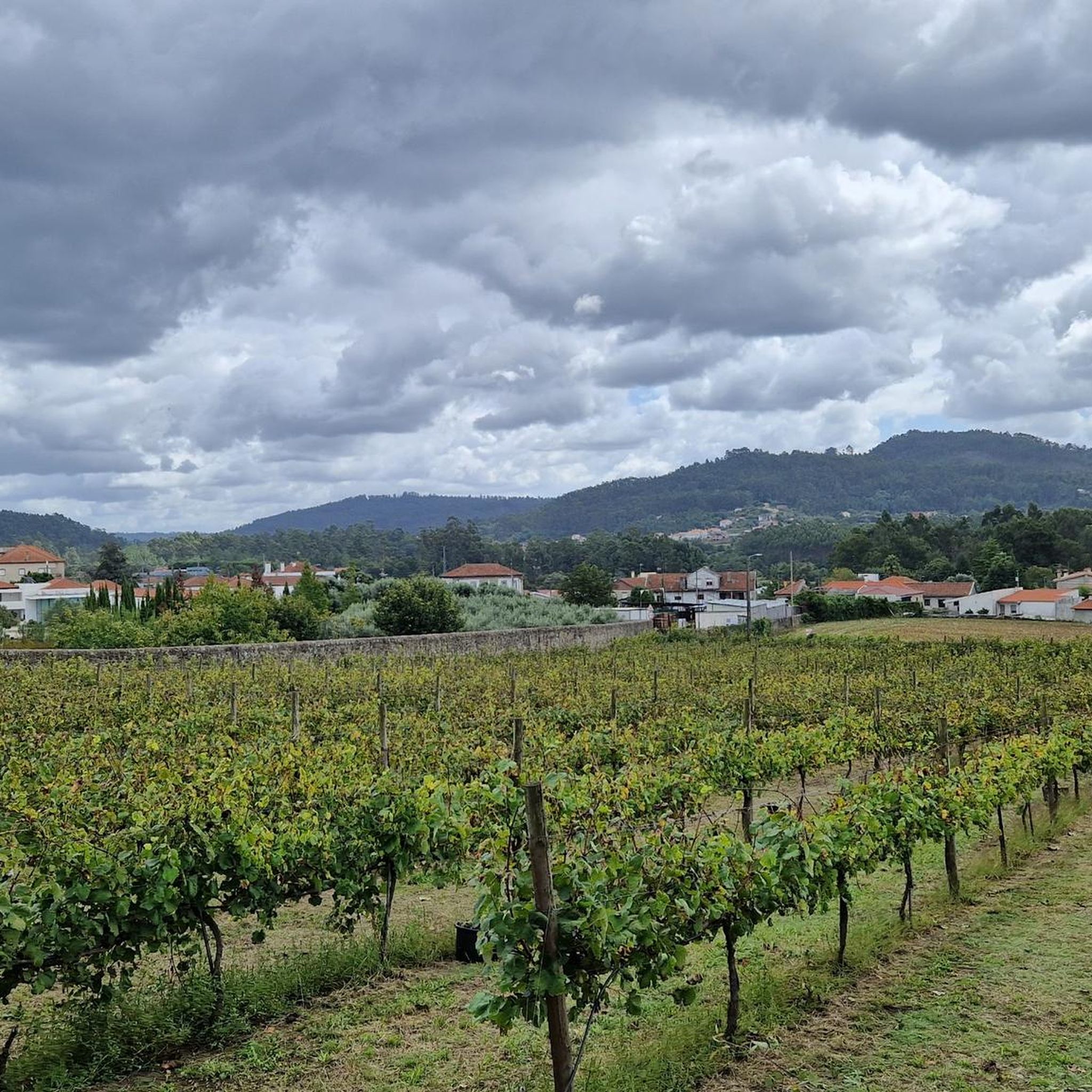

Tips from the Community

The local community has dedicated this church not to one of the (almost infinite) saints, but to "Santa Cruz" for its patronage. Perhaps a brief stop for hikers or walkers is the appropriate time for a short meditation and a prayer to God. I would therefore like to invite you to prayerfully contemplate God's infinite love for us humans, revealed in Christ nailed to the wood of the cross. Perhaps a quote from the Spanish order's founder, Ignatius of Loyola (1491 to 1556), can help: + "Trust in God rises highest, where human hopes sink lowest. For where all human help gives way, there it makes way for divine help."
0
0

Just before reaching Ponte de Lima on the Portuguese Way, a small altar leaning against a tree invites you to pause. Surrounding it are messages of all kinds—some funny, some moving, all with the soul of a pilgrim. The generous tree offers shade and shelter. It's the perfect place to take a deep breath, recharge your batteries, and refill your bottle before continuing on your journey.
1
0
The Ponte das Tábuas de Balugães (Bridge of the Tábuas of Balugães) is a discreet jewel on the Portuguese Way to Santiago. It spans the serene Neiva River with an elegant trestle arch and boasts a wealth of history: it was mentioned in documents dating back to 1135, likely still made of wood, as the name suggests. The current stone structure is believed to have emerged around the 16th century. Nearby, a small river beach welcomes locals and travelers from around the world, all with the same goal: to dive in, cool off, and let themselves be carried away by the calm rhythm of the Neiva River's waters.
2
0

Nice city from 1140 with approximately 120,000 inhabitants. The symbol of the rooster from the legend of the man wrongly sentenced to the gallows is not a symbol of the city but also a symbol of Portugal.
9
1
Nice city from 1140 with approximately 120,000 inhabitants. The symbol of the rooster from the legend of the man wrongly sentenced to the gallows is not only a symbol of the city but also a symbol of Portugal.
12
1

Barcelos is famous for its handcrafted pottery, particularly the Galo de Barcelos, a colorful rooster that is an unofficial national symbol. The large ceramic galos are located all over the city and in different places every year.
10
0
Other local attractions include the Church of Nossa Senhora do Terço, the Centro do Artesanato de Barcelos (an arts and crafts center) and the 15th-century ruins of the Paço dos Duques de Bragança (Palace of the Duke of Bragança), now an open-air archeology museum. There is also a cross that tells the story of the Galo de Barcelos.
10
1
The medieval walled city sits on a hillside above the Rio Cávado. Barcelos is famous for its handcrafted pottery, particularly the Galo de Barcelos, a colorful rooster that is an unofficial national symbol and considered good luck in Portugal.
9
1
Frequently Asked Questions
What historical sites can I explore around Panque?
The region around Panque is rich in history. You can visit the ancient Ponte das Tábuas de Balugães, a bridge dating back to the 12th century that is part of the Portuguese Way to Santiago. The Barcelos city centre, founded in 1140, offers historical significance with its churches and connections to the Camino de Santiago. Additionally, the ruins of the 15th-century Paço dos Duques de Bragança (Palace of the Duke of Bragança) in Barcelos serve as an open-air archeology museum.
What cultural experiences does Panque offer?
Panque's cultural scene is highlighted by the Barcelos city centre, renowned for its handcrafted pottery, especially the colorful Galo de Barcelos. The city hosts a large market where you can experience local traditions and crafts. The region's deep connection to the Portuguese Way to Santiago also offers a unique cultural and spiritual journey.
Are there any religious landmarks in the area?
Yes, you can find several religious landmarks. The Santa Cruz Chapel offers a peaceful spot for reflection. Along the Portuguese Way, you'll encounter the Pilgrim Altar, a poignant stop for travelers before Ponte de Lima. The Church of Nossa Senhora do Terço in Barcelos is another notable religious site.
Are there opportunities for hiking near Panque attractions?
Absolutely. There are several hiking opportunities around Panque. For easy walks, consider routes like the 'Fonte CMB 1964 loop from Estádio Cidade de Barcelos' or the 'Hiking loop from Lama'. You can find more details and routes in the Easy hikes around Panque guide or the general Hiking around Panque guide.
What kind of outdoor activities are available around Panque?
Beyond exploring historical sites, the Panque region offers various outdoor activities. You can enjoy hiking on trails of varying difficulty, as detailed in the Hiking around Panque guide. For cycling enthusiasts, there are gravel biking routes, including challenging loops like 'Ponte de Lima – Roman Bridge of Ponte de Lima loop from Barcelos', which you can explore in the Gravel biking around Panque guide.
Can I find places for wild swimming near Panque?
Yes, near the Ponte das Tábuas de Balugães, there is a small river beach along the serene Neiva River. It's a popular spot for locals and travelers to cool off and enjoy the calm waters.
Are there family-friendly attractions in Panque?
The Barcelos city centre is considered family-friendly, offering a vibrant atmosphere with its market and the iconic Barcelos Rooster statues. The Pilgrim Altar, with its unique messages and shaded resting spot, can also be an interesting stop for families.
Are any attractions around Panque wheelchair accessible?
Yes, the prominent Barcelos Rooster statue, a symbol of Portugal, is wheelchair accessible, allowing everyone to enjoy this cultural landmark.
What is the significance of the Barcelos Rooster?
The Barcelos Rooster statue is an unofficial national symbol of Portugal, representing good luck. It originates from a local legend and is often depicted in handcrafted pottery, making it a significant cultural icon found throughout the region, especially in Barcelos.
What are some hidden gems or less-known spots to visit around Panque?
Beyond the main attractions, consider visiting the peaceful Santa Cruz Chapel for a quiet moment. The Pilgrim Altar, with its collection of pilgrim messages and offerings, offers a unique and touching experience. The Ponte das Tábuas de Balugães, while historical, also offers a serene river beach that many visitors might overlook.
What do visitors enjoy most about Panque?
Visitors particularly appreciate the rich historical context, especially the connection to the Portuguese Way to Santiago. The charm of Barcelos city centre with its vibrant market and unique pottery is a highlight. Many also enjoy the serene beauty of sites like the Ponte das Tábuas de Balugães and the reflective atmosphere of the various religious landmarks.

Get inspired with the komoot mobile app


Explore more
Still not found the Highlight you’re looking for? See guides of the top attractions in other regions:
