Attractions and Places To See around Moreira Do Castelo - Top 20
Attractions and places to see around Moreira Do Castelo are primarily found within the wider Celorico de Basto municipality, characterized by its agricultural landscape and proximity to the Tâmega River. This region features historical landmarks, such as ancient castles and bridges, alongside natural features like river valleys. The area offers a mix of cultural heritage and outdoor exploration opportunities.
Best attractions and places to see around Moreira Do Castelo
- The most popular attractions is St. Gonçalo Bridge, a bridge…
Last updated: July 1, 2026
St. Gonçalo Bridge
Highlight • Bridge
Translated by Google •
Tip by

Church and Bridge of São Gonçalo in Amarante
Highlight • Religious Site
Translated by Google •
Tip by

Sign up now to discover places like this
Get recommendations on the best single tracks, peaks, & plenty of other exciting outdoor places.
Sign up for free
Tâmega Line Ecotrail
Highlight (Segment) • Cycleway
Tip by

Azenhas Trail (Tâmega River, Amarante)
Highlight • Trail
Translated by Google •
Tip by

Tâmega Line Greenway
Highlight • Cycleway
Translated by Google •
Tip by
Sign up for free to discover even more attractions around Moreira Do Castelo.
Sign up for free
Already have an account?
Start today with a free account
Your next adventure awaits.
Login or Signup



Tips from the Community

Fantastic trail, with excellent views
0
0

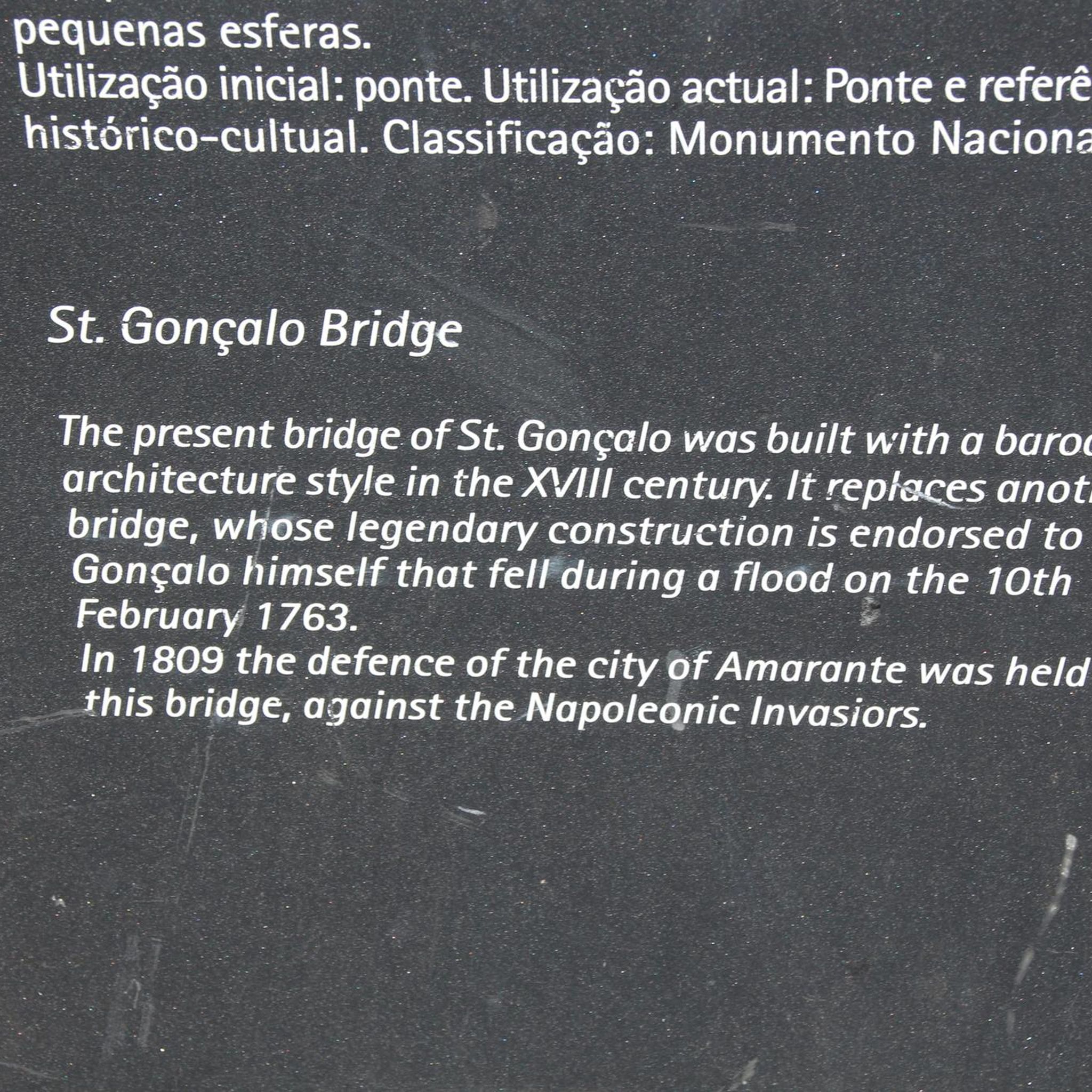
A bridge with a horizontal deck over three unequal round arches, the central one being the largest. The pillars have triangular buttresses upstream and downstream. The parapet protecting the bridge deck rests on a carved tubular cornice. Crowning the buttresses, four semicircular balconies with stone benches open onto the deck. At each end, the bridge boasts two pairs of faceted Baroque spires resting on small spheres.
2
0

Small narrow streets to discover in the not so small village
2
2

beautiful landscapes, clean air and good flooring
1
0

Beautiful old town and great old bridge.
5
2

many places to eat. not so many if you are a veggy.
1
0

Cycle path between Amarante and Cabeceiras de Basto that takes advantage of one of the most emblematic railway lines in Portugal, closed in 1990.
1
0
Frequently Asked Questions
What natural features can I explore around Moreira Do Castelo?
The region around Moreira Do Castelo is characterized by the River Tâmega and its valleys, offering picturesque landscapes. You can enjoy the views from locations like Alto Viso and Castelo de Arnoia, which stretch across the Tâmega valley to the Alvão and Marão mountain massifs. The Tâmega Line Greenway, built on a deactivated railway line, also provides a scenic route through this natural setting.
Are there historical sites to visit near Moreira Do Castelo?
Yes, the area boasts several historical landmarks. The ancient Castelo de Arnoia, also known as the Castle of the Moors, is a significant national monument. You can also visit the Pelourinho do Castelo in Arnoia. The St. Gonçalo Bridge, rebuilt in 1790, is a notable historical bridge, and the Church and Bridge of São Gonçalo in Amarante showcase impressive Baroque architecture. Additionally, the region features numerous 17th-century manor houses and gardens, such as Casa do Campo in Molares, which houses the oldest Japanese camellia in Portugal.
What outdoor activities can I do near these attractions?
The region offers various outdoor activities, especially along the Tâmega River. You can enjoy walking and cycling along the Tâmega Line Greenway, an ecological trail built on a former railway line. For more active pursuits, there are numerous routes for running, hiking, and road cycling. You can find detailed routes and guides for running, hiking, and road cycling around Moreira Do Castelo.
Are there family-friendly attractions around Moreira Do Castelo?
Absolutely. Many attractions are suitable for families. The St. Gonçalo Bridge and the Church and Bridge of São Gonçalo in Amarante are considered family-friendly historical sites. The Tâmega Line Greenway and the Azenhas Trail along the Tâmega River are excellent for family walks or bike rides. Additionally, the Ludico de Celorico de Basto Park offers a pleasant space for families within walking distance of central Celorico de Basto.
What are some popular trails for walking or cycling?
The Tâmega Line Greenway is a highly popular choice for both walking and cycling, utilizing a deactivated railway line between Amarante and Cabeceiras de Basto. Another great option is the Azenhas Trail, a 7-kilometer route along the right bank of the Tâmega River, offering fantastic views and a clean, well-maintained path.
What do visitors enjoy most about the attractions in this area?
Visitors frequently appreciate the blend of historical charm and natural beauty. The St. Gonçalo Bridge is loved for its picturesque setting, especially when its reflection forms a perfect circle in calm waters. The Tâmega Line Greenway receives praise for its scenic views, clean air, and good flooring, making it ideal for cycling and walking. The historical architecture and the tranquil river landscapes are consistently highlighted as key attractions.
Are there any unique bridges to see?
Yes, the region is home to several distinctive bridges. The St. Gonçalo Bridge in Amarante is famous for its historical significance and the beautiful reflection it casts in the Tâmega River. The Church and Bridge of São Gonçalo complex also features a notable bridge with Baroque spires and semicircular balconies. Additionally, in Lourido, you can find the picturesque Ponte de Arame (Wire Bridge), a unique structure with a wooden deck suspended over the Tâmega River.
What kind of views can I expect to find?
The area offers diverse and beautiful views. From Alto Viso and Castelo de Arnoia, you can enjoy expansive vistas stretching across the Tâmega valley and towards the Alvão and Marão mountain ranges. The Tâmega Line Greenway and the Azenhas Trail provide scenic perspectives of the river and surrounding countryside. The St. Gonçalo Bridge itself offers a charming view, especially with its reflection in the water.
Can I find places for picnics or fishing?
Yes, the dense network of watercourses and the presence of the River Tâmega make the region ideal for outdoor leisure activities. Many spots along the river are perfect for picnics, and the river itself is known for offering good fishing opportunities.
What is the best time to visit Moreira Do Castelo?
The region is pleasant to visit during most seasons, but spring and autumn offer particularly comfortable weather for outdoor activities like hiking and cycling. The lush landscapes are vibrant in spring, and the autumn colors provide a beautiful backdrop. Summer can be warm, ideal for river-based activities, while winter offers a quieter experience, though some trails might be less accessible depending on rainfall.
Are there any religious heritage sites in the area?
Yes, the region has a rich religious heritage. The Church of São Gonçalo in Amarante is a prominent religious building. Beyond specific structures, the overall cultural landscape is imbued with a sense of spiritual history, inspiring contemplation.
Where can I find information about parking or public transport to attractions?
While specific parking details for every attraction are not universally available, many towns and villages in the region, such as Amarante and Celorico de Basto, offer public parking facilities. For public transport, local bus services connect the main towns. The Celorico de Basto Station serves as a central point for accessing the Ecopista do Tâmega. It is advisable to check local transport schedules for specific routes to more remote attractions.

Get inspired with the komoot mobile app


Explore more
Still not found the Highlight you’re looking for? See guides of the top attractions in other regions:
