Top 12 Castles around Bischoffen
Castles around Bischoffen offer a journey through the history of Hesse, Germany. The region features a landscape dotted with historical fortifications, from well-preserved structures to ancient ruins. These sites are often situated on prominent hills or mountains, providing views of the surrounding area. The castles reflect centuries of architectural development and regional conflicts.
Best castles around Bischoffen
- The most popular castles is Hohensolms Castle, a castle that was rebuilt in 1350 and served as a residence for the Counts…
Last updated: October 9, 2026
Herborn Marketplace
Highlight • Settlement
Translated by Google •
Tip by

Hohensolms Castle
Highlight • Castle
Translated by Google •
Tip by

Sign up now to discover places like this
Get recommendations on the best single tracks, peaks, & plenty of other exciting outdoor places.
Vetzberg Castle Ruins
Highlight • Castle
Translated by Google •
Tip by

Ruins of Blankenstein Castle
Highlight • Castle
Translated by Google •
Tip by
Hohe Schule Herborn
Highlight • Historical Site
Translated by Google •
Tip by

Sign up for free to discover even more castles around Bischoffen.
Already have an account?
Start today with a free account
Your next adventure awaits.
Popular around Bischoffen
Hiking tours for connoisseurs in the Lahn-Dill-Bergland nature park
The most popular swimming lakes in Hesse
Wälder, Höhen, Seen – Radeln im Naturpark Lahn-Dill-Bergland
Mit Rosbacher auf Tour in Mittelhessen
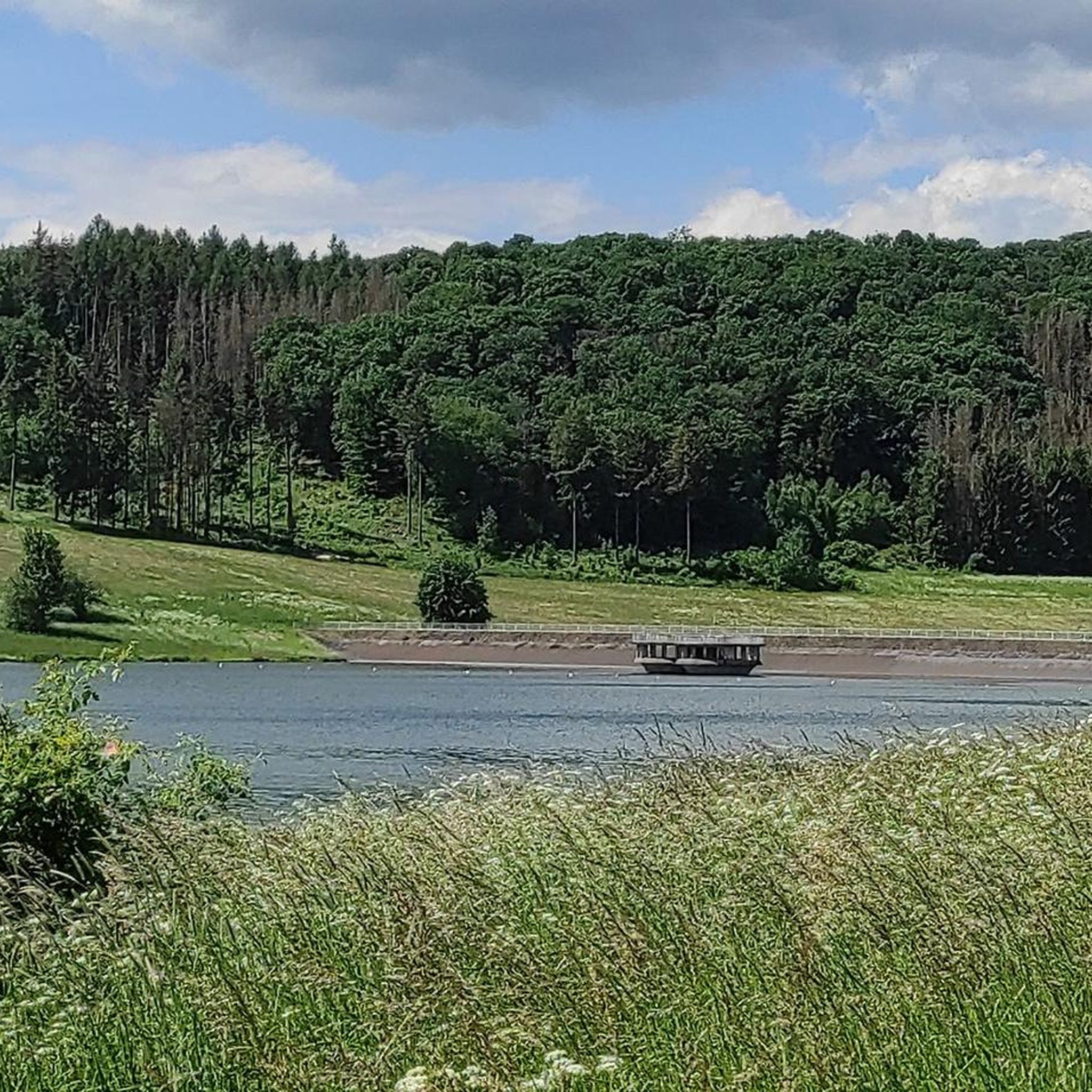
Cycling around Bischoffen
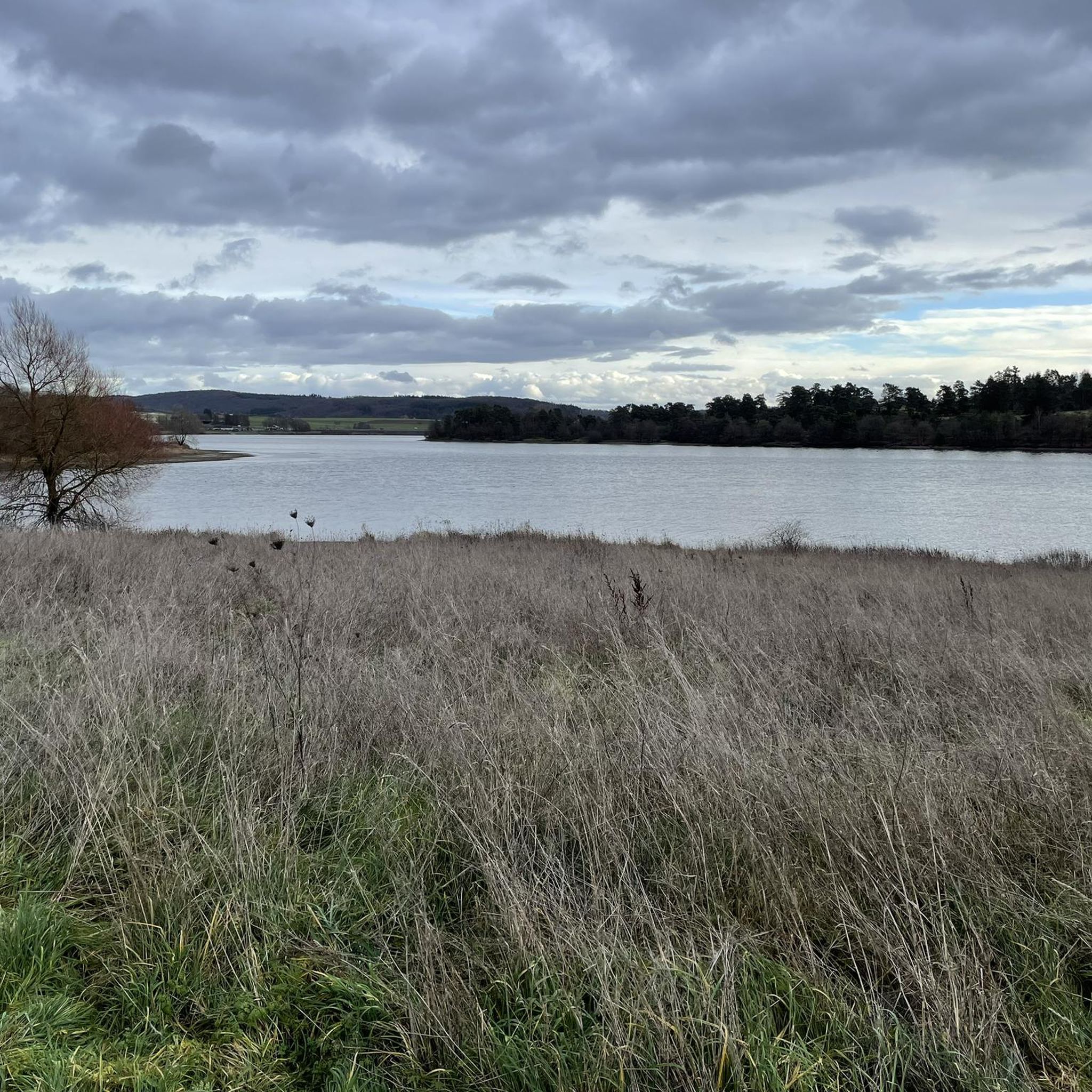
Hiking around Bischoffen
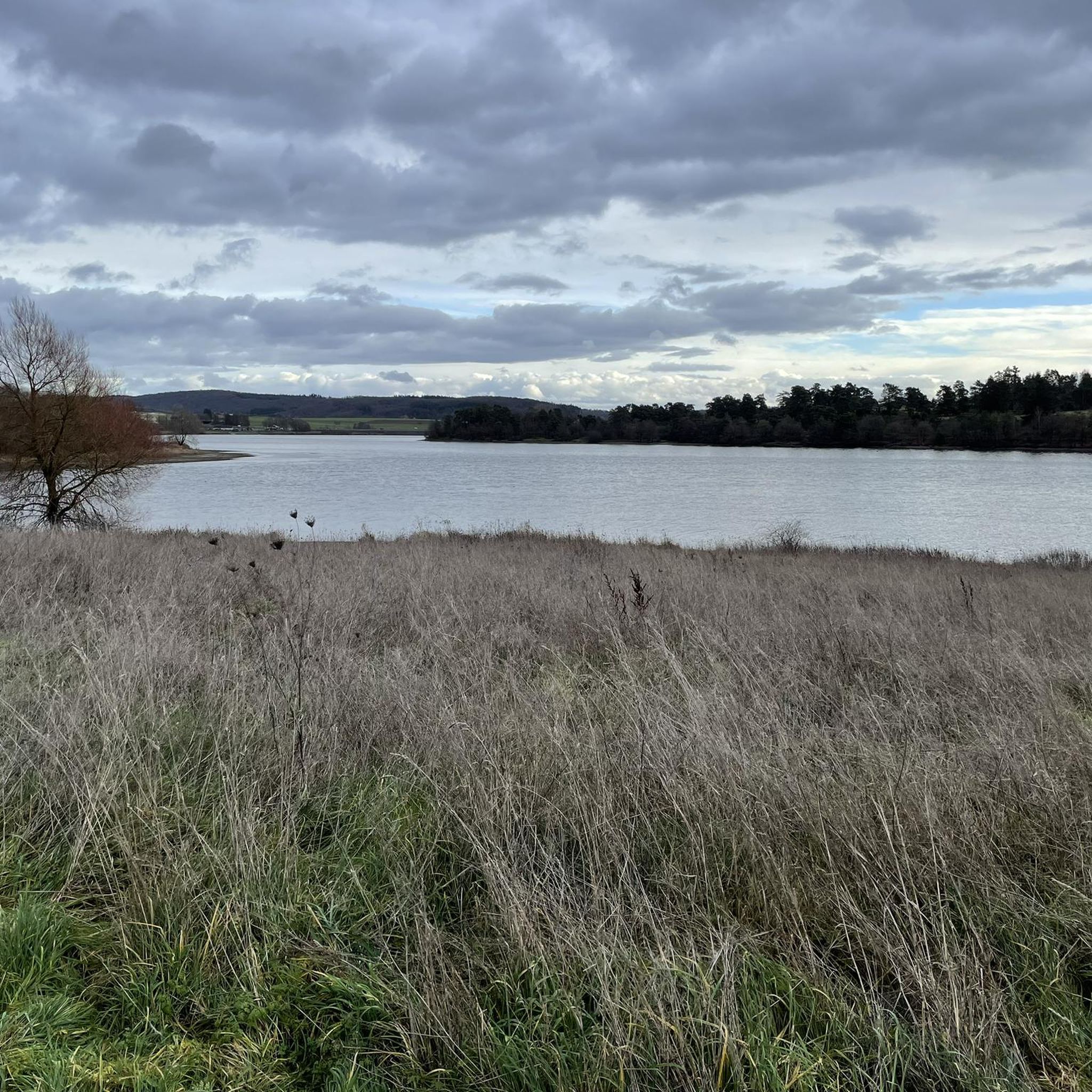
MTB Trails around Bischoffen
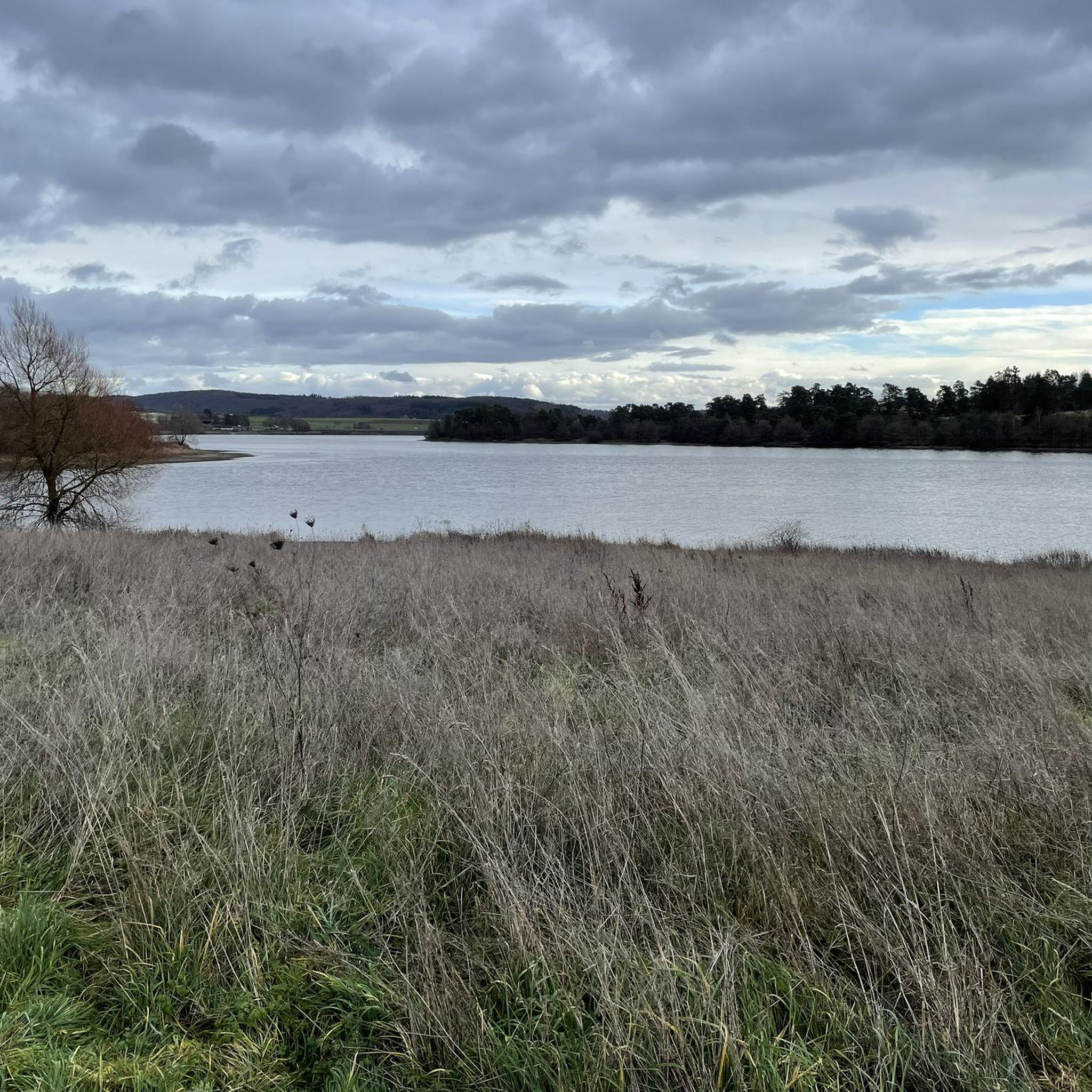
Road Cycling Routes around Bischoffen
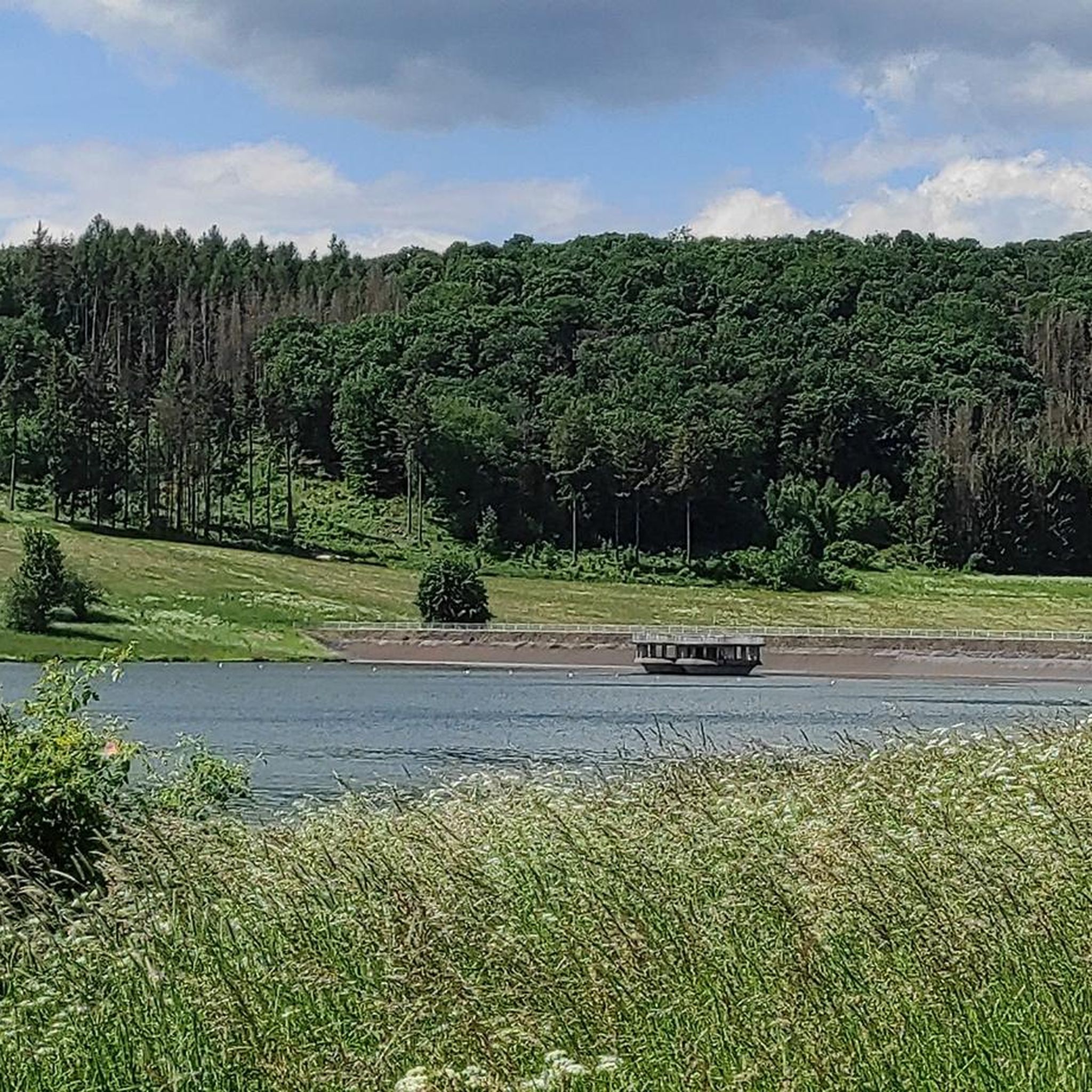
Running Trails around Bischoffen
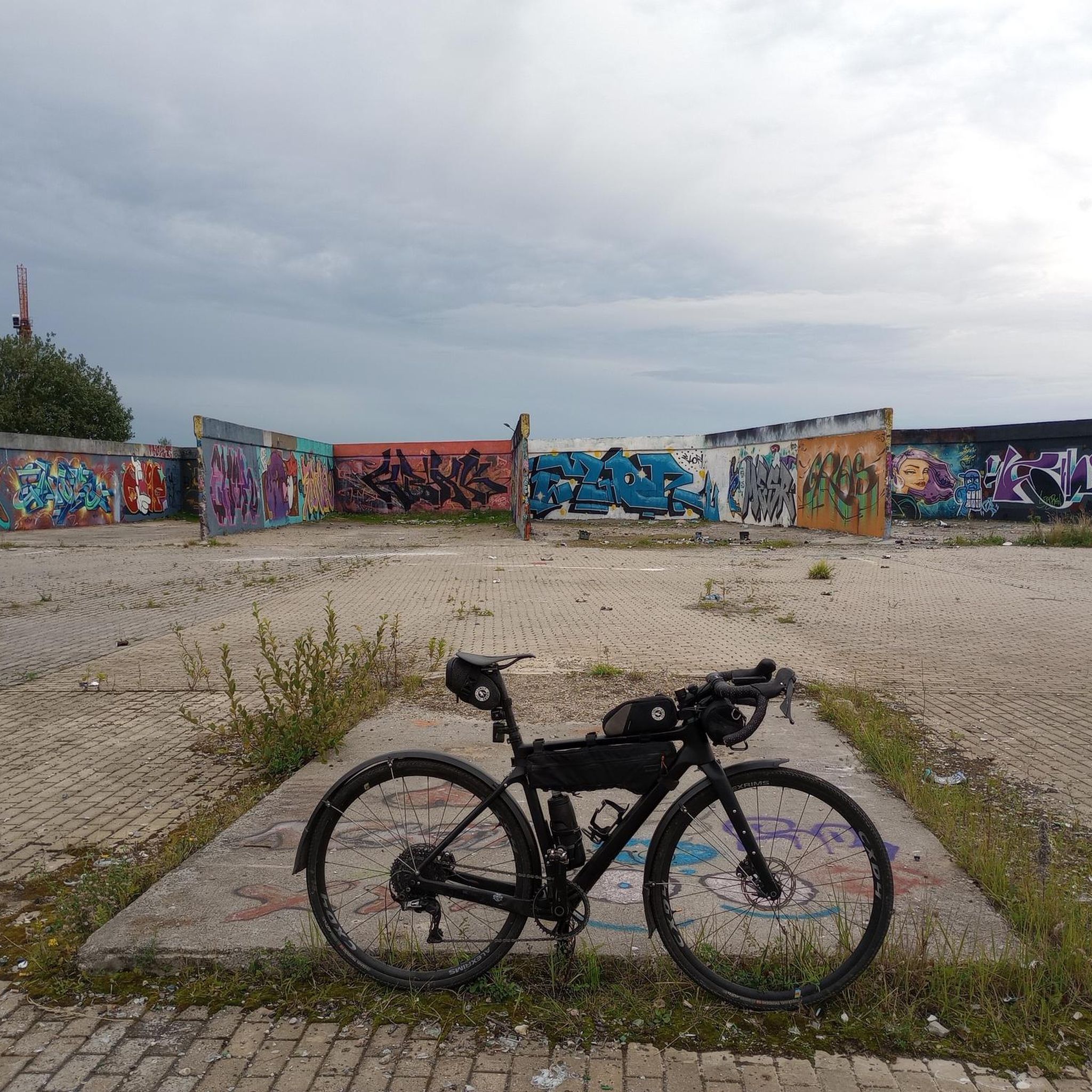
Gravel biking around Bischoffen
Other adventures around Bischoffen


Tips from the Community

On the left the path leads to the former Blankenstein Castle
0
0

The Academia Nassauensis was founded in 1584. As a Calvinist institution, it never received university privileges. Until it closed in 1817, Germany's smallest university had trained 6,000 graduates in theology, medicine, law and philosophy. The most important student from 1611-13 was Johann Amos Comenius, one of the fathers of modern pedagogy and founder of didactics, the art of teaching. His main work bears the telling title Didactica magna. Comenius' teaching principles included learning by doing, observation before linguistic communication, mother tongue before foreign language, examples before words. Some of his principles are still used in teacher training today. Not only famous students, but also famous professors came to Herborn to study at the High School. The most important was probably its first rector, Johannes Piscator, who led the academy from 1584 until his death in 1625. The first Reformed Bible translation, which Piscator produced in 1602-04, was also produced during this period. It was the second complete Bible translation into German after the Luther Bible. As was common at universities at the time, Herborn also tried to find its own academic printer after the invention and gradual spread of the printing press. Christoph Corvin was hired for this purpose in 1585. He ran his Corvin printing works in the Paulshof, which quickly became one of the leading European publishing houses. Today, the buildings of the High School house the Herborn Municipal Museum as well as catering facilities on 700 square meters of exhibition space.
2
0

In its current state (winter 24), this path is no longer my favorite. Lots of dead wood (the path to the castle ruins is closed) and broken trees in the winter gray.
1
0


Quarry stone below, half-timbered above, great
2
0

There are two highlights here called High School. Please combine the duplicates.
1
0

Hohensolms Castle, also known as Neu-Hohensolms, is a hilltop castle on the so-called "Ramsberg" at around 430 m above sea level. NN The castle was built around 1350 by the Counts of Solms. It replaced Alt-Hohensolms Castle, which was destroyed in 1349 by the imperial city of Wetzlar and was about 2 kilometers further south on the Altenberg. In the disputes with the imperial city of Wetzlar, Neu-Hohensolms was partially destroyed in 1356 and 1363. https://de.wikipedia.org/wiki/Burg_Hohensolms
10
0
Frequently Asked Questions
What is the historical significance of the castles around Bischoffen?
The castles in the Bischoffen region, such as Hohensolms Castle and Burg Gleiberg, reflect centuries of architectural development and regional conflicts in Hesse, Germany. Many were built as defensive structures, residences for noble families like the Counts of Solms, or as counter-fortifications during medieval disputes. They offer a glimpse into the area's rich past, with some dating back over a thousand years.
Which castles offer impressive architectural features or ruins to explore?
Burg Gleiberg features an imposing 30-meter-high keep from around 1200 and remnants of a central residential building with 4-meter-thick foundation walls from around 1000 AD. Hohensolms Castle, though renovated, still shows parts of its outer and inner baileys, defensive towers, and a 14th-century main house. The Ruins of Blankenstein Castle and Vetzberg Castle Ruins also provide fascinating wall remnants and historical structures.
Are there family-friendly castles to visit near Bischoffen?
Yes, several castles are suitable for families. The grounds of Hohensolms Castle, which now serves as a guesthouse for children and young people, are open for external viewing. The Ruins of Blankenstein Castle are easily accessible and ideal for a short, adventurous visit. Exploring these historical sites can be an engaging experience for all ages.
Can I combine a castle visit with outdoor activities like hiking or cycling?
Absolutely. Many castles are situated in scenic areas perfect for outdoor activities. For example, you can find various running, cycling, and hiking trails around Bischoffen that can be combined with a castle visit. Explore options like the Running Trails around Bischoffen, Cycling around Bischoffen, or Easy hikes around Bischoffen for routes that might pass by or lead to these historical sites.
Which castles offer the best panoramic views of the surrounding region?
Burg Gleiberg, built on a 308-meter-high basalt cone, offers expansive views from its 30-meter-high keep, extending over the Giessen basin to the Vogelsberg, Westerwald, and Taunus mountains on clear days. Vetzberg Castle Ruins, located on an extinct volcano, also provides excellent all-round views from its visible tower.
Are there castles with amenities like restaurants or cafes nearby?
Yes, Burg Gleiberg is a great option. Its well-preserved lower castle houses a restaurant, 'Burg Gleiberg,' complete with the 'Albertus-Klause' and two beer gardens, making it a popular spot for dining and relaxation after exploring the ruins. Vetzberg Castle Ruins also has restaurants nearby.
What is the best time of year to visit the castles around Bischoffen?
Spring and autumn generally offer the most pleasant weather for exploring the castles and their surroundings, with mild temperatures and beautiful scenery. Summer can also be enjoyable, though it might be warmer. Winter visits can be picturesque, especially after snowfall, but some outdoor areas might be less accessible.
How can I reach the castles around Bischoffen?
Most castles in the region are best accessed by car, offering flexibility to visit multiple sites. Parking is generally available near the castles or in nearby villages. While public transport options exist for some larger towns, direct routes to all castle sites might be limited. Checking local bus schedules for specific locations like Hohensolms or Gleiberg is advisable.
Are there any castles that are particularly good for history beginners?
Burg Gleiberg is an excellent choice for history beginners due to its clear division into an older upper castle and a later-built lower castle, allowing visitors to easily trace its thousand-year history. Hohensolms Castle also has a well-documented history as a residence for the Counts of Solms-Hohensolms, making its story accessible.
Are there dog-friendly options for castle visits?
Many castle grounds and outdoor ruin sites, such as the Ruins of Blankenstein Castle, are generally dog-friendly, allowing leashed dogs in outdoor areas. However, access to indoor exhibits or specific buildings might be restricted. It's always best to check individual castle policies before your visit.
What are the accessibility options for visitors with mobility challenges?
Accessibility varies significantly between castles. Many are historic structures with uneven terrain, stairs, and limited modern facilities. Burg Gleiberg, for instance, requires climbing 150 steps to reach the top of its keep. Outdoor grounds of some ruins might be more accessible than the interior of well-preserved castles. It is recommended to check specific accessibility details for each castle prior to your visit.
How long should I plan for a visit to a castle in this region?
For a comprehensive visit to a major castle like Burg Gleiberg or Hohensolms Castle, plan for 1.5 to 3 hours, especially if you wish to explore the grounds, climb towers, or enjoy any on-site amenities. Smaller ruins like the Ruins of Blankenstein Castle might only require 30 minutes to an hour for exploration.
Are there any 'hidden gem' castles near Bischoffen that are less known but worth visiting?
While not extensively detailed, the Model of Tringenstein Castle offers a unique perspective with a replica of the original castle and remnants of old walls. It was once a seat of the Nassau court office and a hunting lodge, providing a quiet historical experience away from more popular sites.
Most popular routes around Bischoffen
Most popular attractions around Bischoffen

Get inspired with the komoot mobile app


Explore more
Looking for the best castles somewhere else? Discover other guides around Bischoffen:
