Attractions and Places To See around Brufe - Top 20
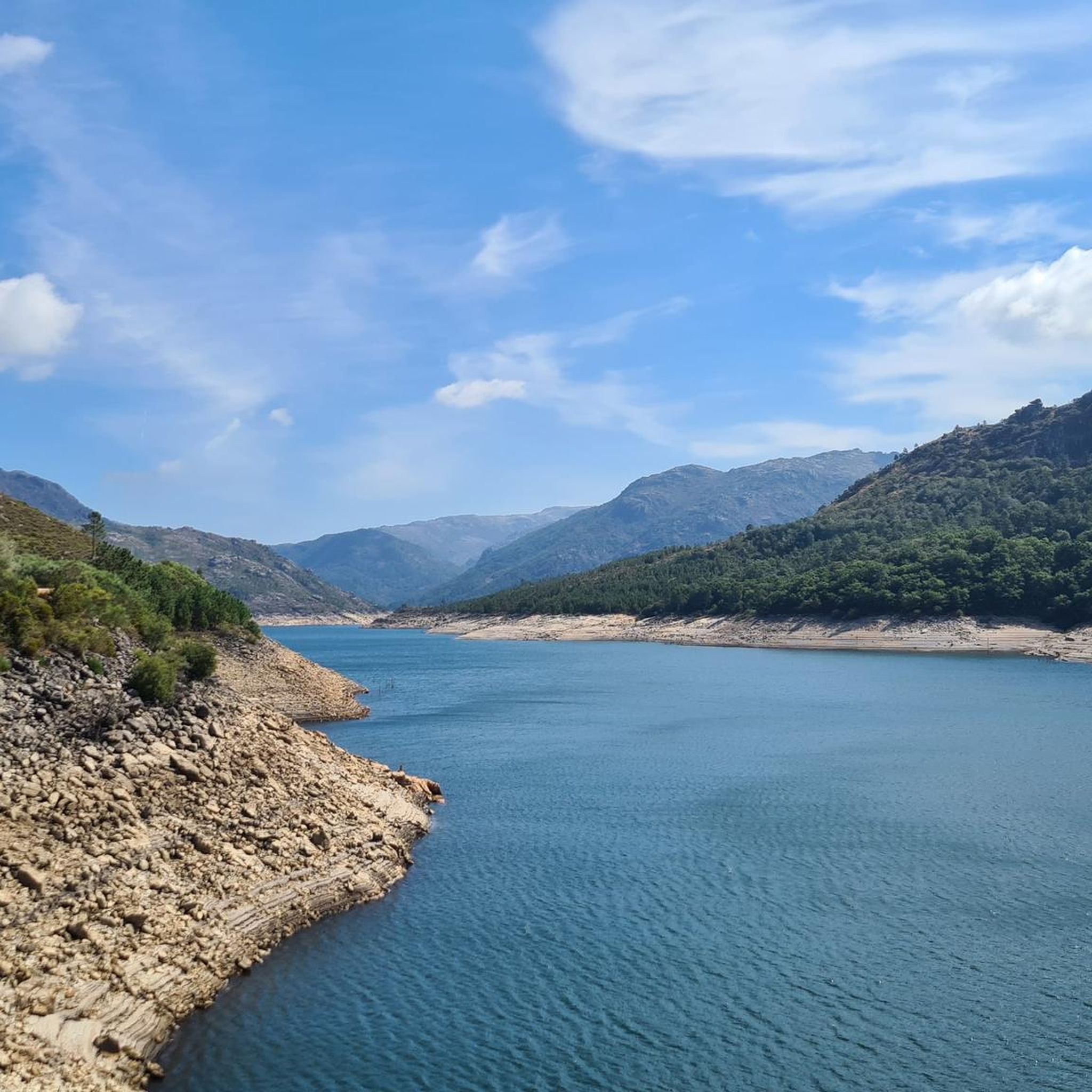
Best attractions and places to see around Brufe, an area nestled in the municipality of Terras de Bouro, Portugal, within the Peneda-Gerês National Park. This region is situated on the slopes of the Serra Amarela, offering a blend of natural beauty and cultural insights. Brufe serves as a base for outdoor exploration, featuring diverse landscapes and historical sites.
Best attractions and places to see around Brufe
- The most popular attractions is Soajo Granaries, a collection of traditional granaries that were once used to store corn and other grains. Raised on pillars with "mouse stones" to deter rodents, they are an iconic symbol of northern Portugal.
- Another must-see spot is Blue Pool, a natural monument offering a varied hiking experience. This captivating natural feature is suitable for swimming and features clear, cold water.
- Visitors also love Fenda da Calcedónia, a gorge known as a monumental crack between two granite formations. It offers panoramic views over the Homem River valley and the Gerês mountains.
- Brufe is known for historical sites, natural monuments, and challenging trails. Visitors can explore ancient structures, natural swimming spots, and dramatic rock formations.
- The attractions around Brufe are appreciated by the komoot community, with more than 120 upvotes and 40 photos shared.
Last updated: July 2, 2026
Blue Pool
Highlight • Natural Monument
If the parking spaces are occupied you can follow the hiking trail over the small bridge. In the following bend there is another parking lot.
Tip by

Soajo Granaries
Highlight • Monument
Tip by

Sign up now to discover places like this
Get recommendations on the best single tracks, peaks, & plenty of other exciting outdoor places.
Sign up for free
Fenda da Calcedónia
Highlight • Gorge
The descent, however...described in Komoot as well-maintained hiking trails, no special skills required. It's an overgrown trail with (very) high steps and scree sections. Very good fitness and surefootedness are required to safely navigate it. The less than three hours for the loop is also very ambitious. At the end of the descent, there was a dog park with some very aggressive dogs running loose on the trail; we felt like we barely made it through unscathed. Next time, I'd turn around at the Slut and take the same route back.
Be sure to bring plenty of drinks.
Great scenery, very tiring.
Translated by Google •
Tip by

Espigueiros of Lindoso
Highlight • Monument
Translated by Google •
Tip by

View of Cascata do Arado
Highlight • Viewpoint
Translated by Google •
Tip by

Sign up for free to discover even more attractions around Brufe.
Sign up for free
Already have an account?
Start today with a free account
Your next adventure awaits.
Login or Signup
Tips from the Community

A very interesting location with all the traditional granaries ("esquigueiros") clustered together on a large rock. The view from here is also very beautiful.
1
1

The Espigueiros of Soajo are one of the most iconic symbols of northern Portugal and the Peneda-Gerês National Park. They are traditional granaries built of stone and wood, designed to store corn and other grains. They are raised on pillars with "mouse stones" (circular slabs) to prevent rodents from entering. They are covered with gabled roofs and topped with crosses, reflecting the religious influence on rural life.
1
0
The Chalcedony Trail (PR1 TBR – Trilho da Cidade da Calcedonia) is one of the most iconic routes in Peneda-Gerês National Park, located in Covide (Braga), within the municipality of Terras de Bouro. It leads to the ruins of the City of Chalcedony, an ancient pre-Roman hill fort high in the mountains. It offers panoramic views over the Homem River valley and the Gerês mountains. The trail passes through native forests, rocky areas, and natural viewpoints.
2
0

Concentración de horreos worthy of visiting
0
0

These storage facilities are truly unique. The sheer number of storage facilities in one location is also impressive.
0
0

There are 50 granaries, built in the 17th and 18th centuries, in stone. It is the largest cluster in the country, a symbol of community work in times gone by.
0
0

The Calcedonia Crack is one of those passages that seems to have come straight out of an old fairy tale: a monumental crack between two granite giants. For those who like a challenge, the route involves climbing and jumping between huge blocks fitted together at the base. Going up is easier than going down: there is more support, more traction, and less hesitation. There is no need to cross it (the trail elegantly skirts the crack) but, for the more adventurous, facing this crack is almost a ritual: a mix of adrenaline, vertigo and raw landscape that leaves its mark on those who pass by.
1
1

Take the opportunity to have lunch in the region and before or after take the Ermelo Ecovia
0
0
Frequently Asked Questions
What natural wonders can I explore near Brufe?
Brufe, nestled within the Peneda-Gerês National Park, offers stunning natural features. You can visit the captivating Blue Pool, a natural swimming spot with clear, cold water. Another highlight is Fenda da Calcedónia, a monumental crack between two granite formations offering panoramic views over the Homem River valley and the Gerês mountains. The village itself is located on the slopes of the Serra Amarela, providing magnificent vistas.
Are there historical or cultural sites to visit around Brufe?
Yes, the region boasts significant historical and cultural landmarks. A must-see is the Soajo Granaries, an iconic collection of traditional stone and wood granaries used for storing corn. Nearby, you can also explore Lindoso Castle, a medieval fortress with well-preserved walls and sentry houses, and the Espigueiros of Lindoso, another impressive cluster of traditional granaries.
What kind of outdoor activities are available near Brufe?
Brufe is an excellent base for outdoor exploration. You can embark on various walking trails directly from the village. The area is popular for hiking, with routes like those found in the Hiking around Brufe guide. For more challenging adventures, consider mountaineering routes detailed in the Mountain Hikes around Brufe guide. Cycling enthusiasts can also find suitable routes, as highlighted in the Cycling around Brufe guide.
Are there family-friendly attractions in the Brufe area?
Absolutely! The Soajo Granaries and the Espigueiros of Lindoso offer an engaging glimpse into historical rural life, suitable for all ages. Lindoso Castle also provides an interesting historical experience for families. For nature lovers, the Blue Pool is a fantastic spot for a refreshing swim and a varied hike that can be enjoyed by families.
What do visitors particularly enjoy about the attractions near Brufe?
Visitors frequently praise the natural beauty and the unique cultural heritage. The Blue Pool is loved for its clear, cold water perfect for swimming and the varied hiking experience it offers. The Soajo Granaries are appreciated for their iconic historical significance and the opportunity to walk freely among these ancient structures. The dramatic landscapes of Fenda da Calcedónia also receive high acclaim for their spectacular rocky scenery and panoramic views.
Can I go swimming in natural pools near Brufe?
Yes, the region is home to beautiful natural swimming spots. The most notable is the Blue Pool (Poço Azul), a captivating natural feature with wonderfully clear and cold water, even in summer. It's a popular spot for locals and tourists alike to cool off after a hike.
Are there challenging hiking experiences near Brufe?
For those seeking a challenge, the area around Brufe offers demanding trails. The route to Fenda da Calcedónia, for instance, is considered challenging, involving rocky passages and steep sections. It requires good fitness and surefootedness. You can find more challenging routes in the Mountain Hikes around Brufe guide, which includes difficult-grade mountaineering routes.
What is the best time of year to visit Brufe for outdoor activities?
The Peneda-Gerês National Park, where Brufe is located, is generally pleasant for outdoor activities from spring through early autumn. Spring offers lush greenery and blooming wildflowers, while summer is ideal for swimming in natural pools like the Blue Pool. Autumn brings cooler temperatures and beautiful fall foliage, perfect for hiking. Always check local weather conditions before your visit.
What kind of terrain can I expect on trails around Brufe?
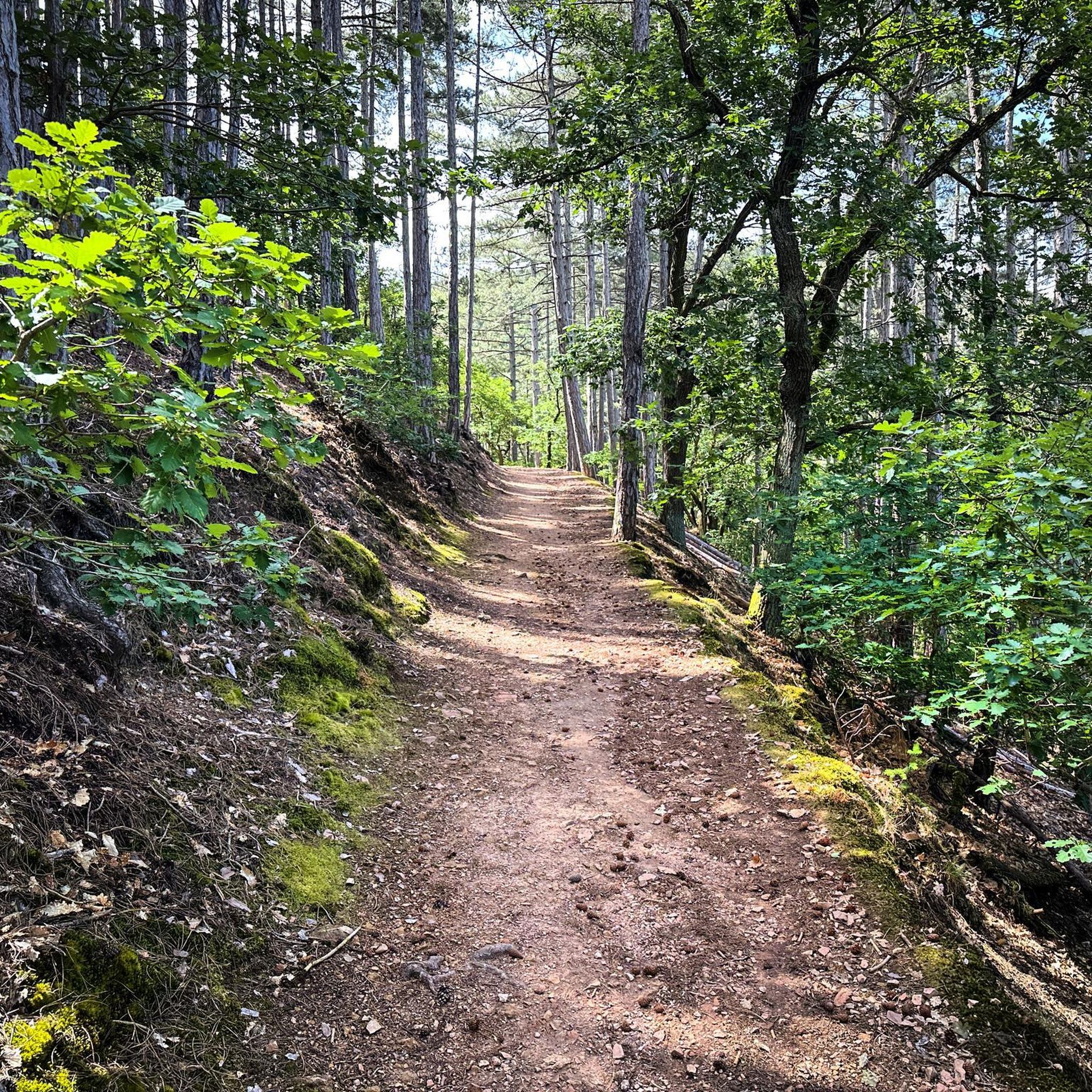
Trails around Brufe offer a diverse range of terrain. You can expect paths through native forests, open rocky areas, and sections with significant elevation changes. Some routes, like those leading to Fenda da Calcedónia, feature challenging rocky passages and require navigating between large rock blocks. Many trails also provide panoramic viewpoints over valleys and mountains.
Where can I find panoramic views near Brufe?
Brufe itself is situated on the slopes of the Serra Amarela, offering magnificent panoramic views. The Fenda da Calcedónia is another prime location for breathtaking vistas, providing sweeping views over the Homem River valley and the Gerês mountains. Additionally, Lindoso Castle, perched on a mountain slope, offers views over the Lima River valley.
Are there cycling routes suitable for different skill levels near Brufe?
Yes, the area around Brufe offers cycling routes ranging from moderate to difficult. The Cycling around Brufe guide features various tours, including challenging loops around the Vilarinho das Furnas and Caniçada Reservoirs, as well as moderate routes like the Campo do Gerês village loop. These routes allow cyclists to explore the diverse landscapes of the Peneda-Gerês National Park.
What is the significance of the granaries in the region?
The granaries, known as 'espigueiros' or 'hórreos', are a significant cultural symbol of northern Portugal. Structures like the Soajo Granaries and the Espigueiros of Lindoso were traditionally built of stone and wood to store corn and other grains. Raised on pillars with 'mouse stones' to deter rodents, they are a testament to historical community work and the agricultural heritage of the region.
Most popular attractions around Brufe

Get inspired with the komoot mobile app


Explore more
Still not found the Highlight you’re looking for? See guides of the top attractions in other regions:
