Attractions and Places To See around Ventosa e Ventosa e Ventosa e Cova - Top 20
Best attractions and places to see around Ventosa e Ventosa e Ventosa e Cova, officially União das Freguesias de Ventosa e Cova, is a civil parish in Vieira do Minho, Portugal. This region is known for its natural beauty, situated within or close to the Peneda-Gerês National Park. Visitors can explore wild landscapes, granite peaks, and diverse flora, alongside historical sites. The area offers a blend of natural features and cultural landmarks for exploration.
Best attractions and places to see…
Last updated: May 5, 2026
Blue Pool
Highlight • Natural Monument
Tip by

Fecha de Barjas Waterfall (Tahiti)
Highlight • Waterfall
Translated by Google •
Tip by

Sign up now to discover places like this
Get recommendations on the best single tracks, peaks, & plenty of other exciting outdoor places.
Sign up for free
Tahiti Waterfall
Highlight • Waterfall
Translated by Google •
Tip by

Ponte da Misarela and Waterfall
Highlight • Bridge
Translated by Google •
Tip by

Fenda da Calcedónia
Highlight • Gorge
Translated by Google •
Tip by

Sign up for free to discover even more attractions around Ventosa e Ventosa e Ventosa e Cova.
Sign up for free
Already have an account?
Start today with a free account
Your next adventure awaits.
Login or Signup
Popular around Ventosa e Ventosa e Ventosa e Cova
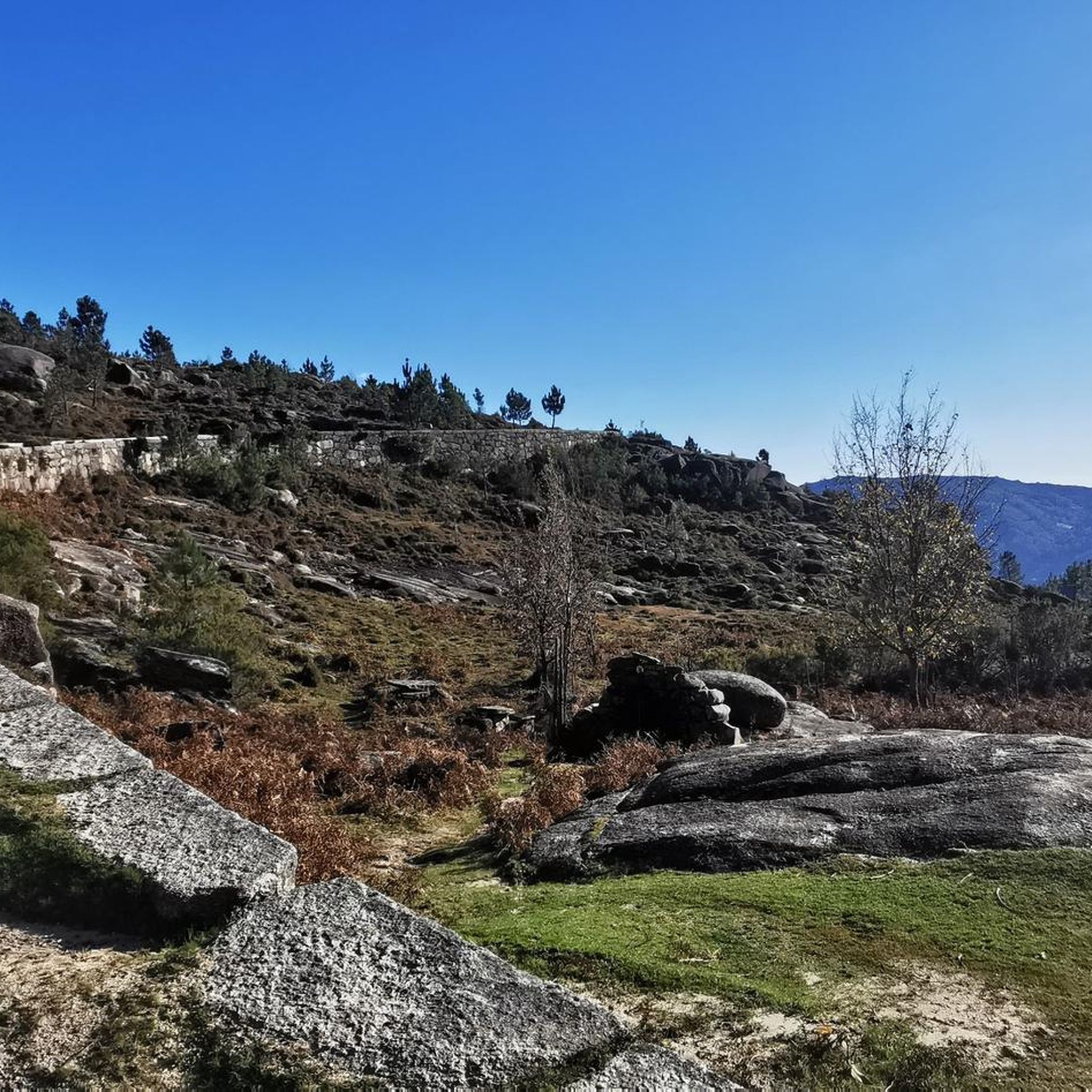
Hiking around Ventosa e Ventosa e Ventosa e Cova
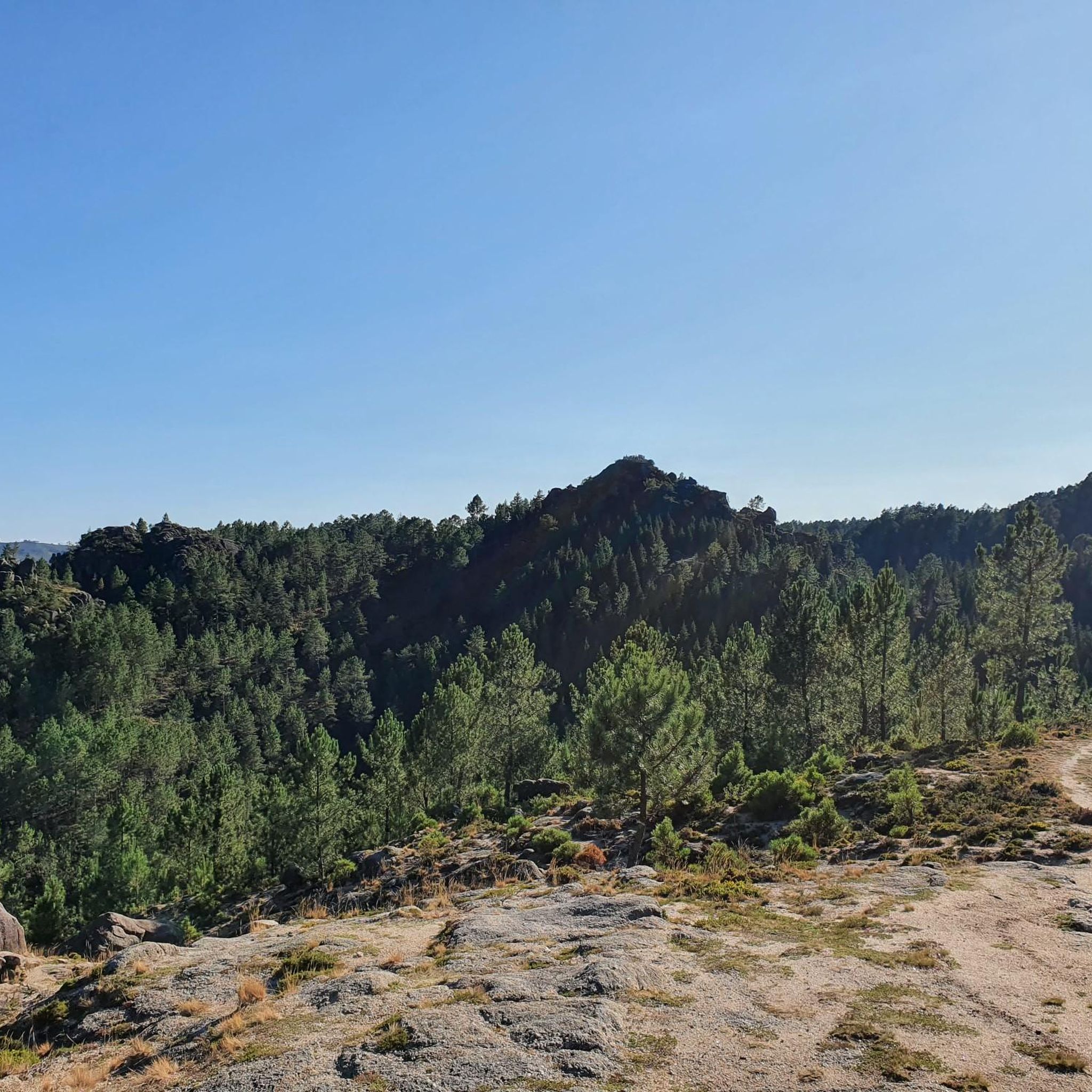
Road Cycling Routes around Ventosa e Ventosa e Ventosa e Cova
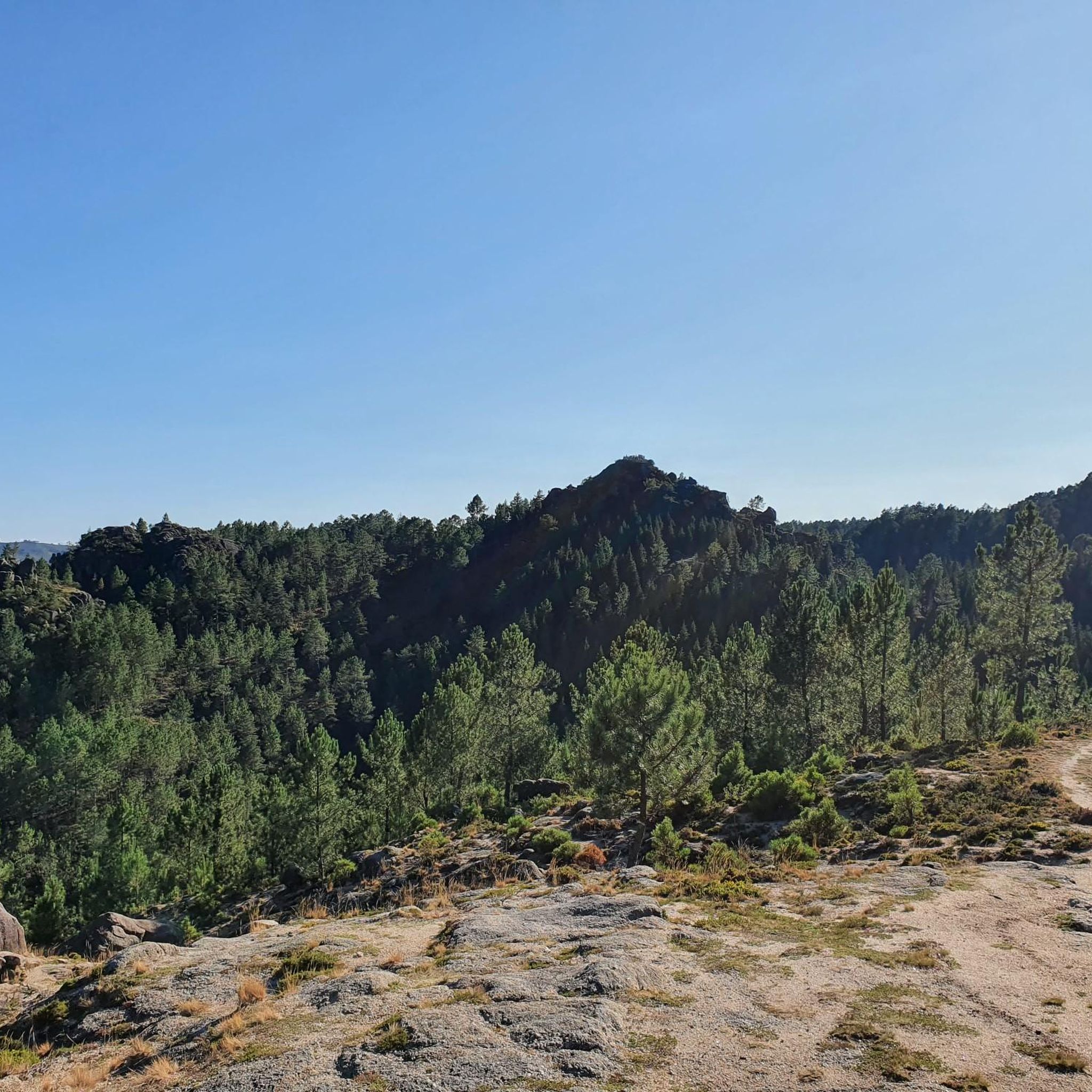
Cycling around Ventosa e Ventosa e Ventosa e Cova
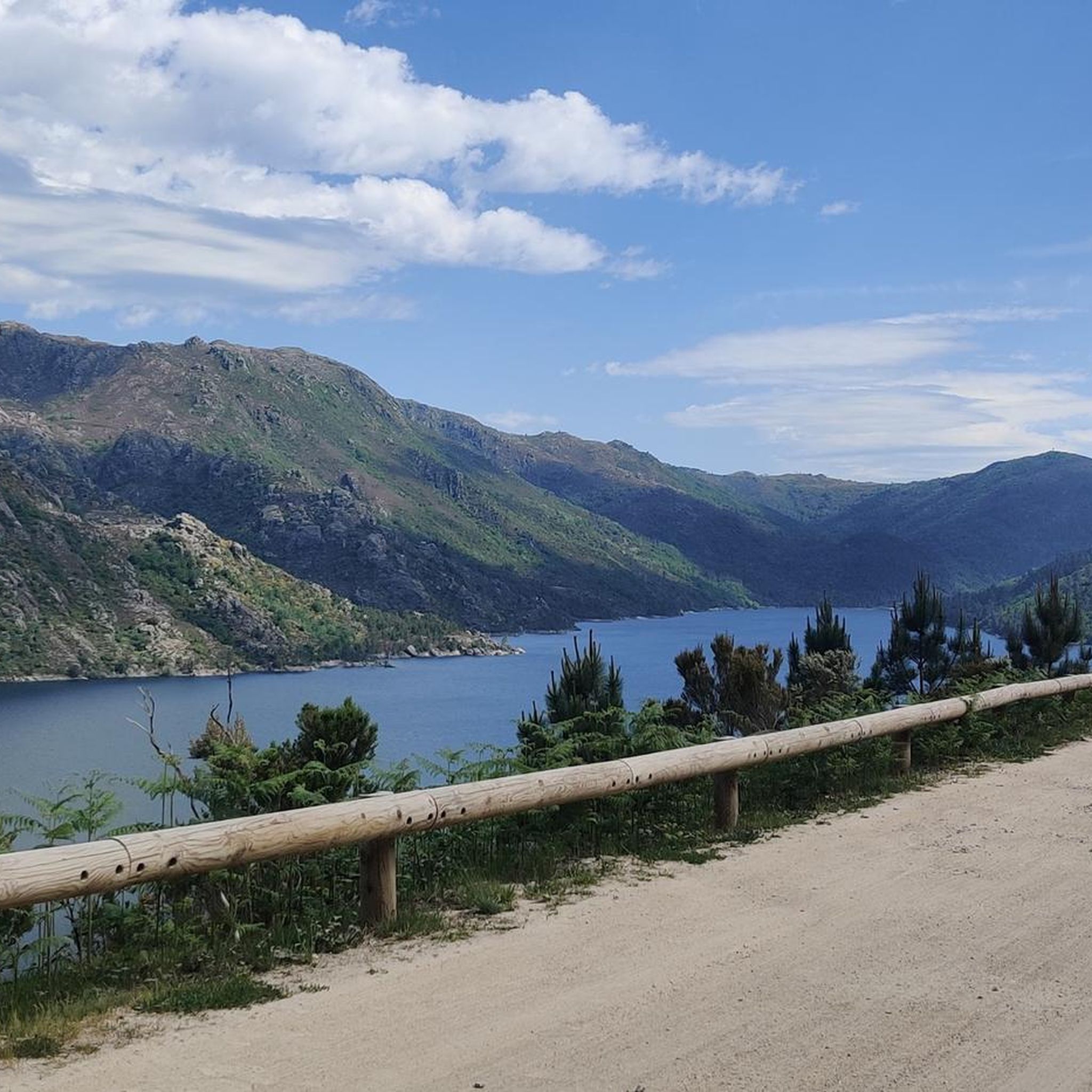
Running Trails around Ventosa e Ventosa e Ventosa e Cova
MTB Trails around Ventosa e Ventosa e Ventosa e Cova

Mountain Hikes around Ventosa e Ventosa e Ventosa e Cova
Tips from the Community

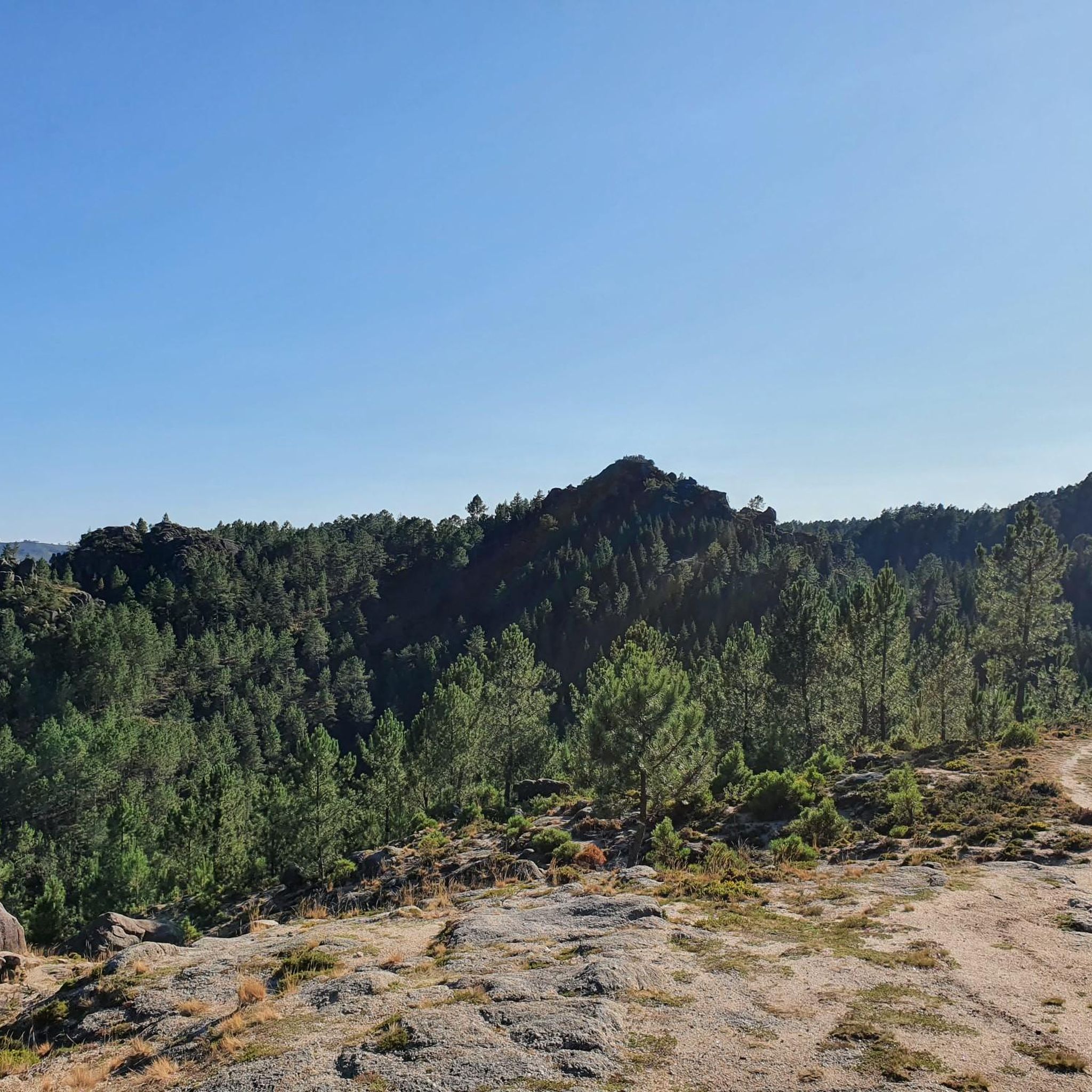
The Chalcedony Trail (PR1 TBR – Trilho da Cidade da Calcedonia) is one of the most iconic routes in Peneda-Gerês National Park, located in Covide (Braga), within the municipality of Terras de Bouro. It leads to the ruins of the City of Chalcedony, an ancient pre-Roman hill fort high in the mountains. It offers panoramic views over the Homem River valley and the Gerês mountains. The trail passes through native forests, rocky areas, and natural viewpoints.
2
0

Warning: This is an extremely dangerous location, with a significant risk of falling. Due to erosion, the rocks are extremely smooth, making them slippery even in dry weather.
0
0

The Misarela Bridge, also known as the Devil's Bridge or the Bridge of Hell (we'll explain why below), is one of the most interesting monuments in the North of Portugal. Whether because of the legends, its historical importance or the beautiful landscape in which it is located. The Misarela Bridge is a trestle bridge over a slightly pointed arch, 13 metres high. This was originally a medieval bridge, which was rebuilt in the early 19th century (before the French Invasions) and which gave rise to two famous popular legends and ancient rituals. It has been a property of public interest since 1957 and in this article we will explore all of this, as well as the best ways to get there.
1
0


The Calcedonia Crack is one of those passages that seems to have come straight out of an old fairy tale: a monumental crack between two granite giants. For those who like a challenge, the route involves climbing and jumping between huge blocks fitted together at the base. Going up is easier than going down: there is more support, more traction, and less hesitation. There is no need to cross it (the trail elegantly skirts the crack) but, for the more adventurous, facing this crack is almost a ritual: a mix of adrenaline, vertigo and raw landscape that leaves its mark on those who pass by.
1
1

We hiked the Covid loop (yellow and red lines) clockwise. The ascent was OK. The rocky landscape was spectacular. The Slut was also impressive, but considering the many rocks, it was just another somewhat more exclusive highlight among many. The descent, however...described in Komoot as well-maintained hiking trails, no special skills required. It's an overgrown trail with (very) high steps and scree sections. Very good fitness and surefootedness are required to safely navigate it. The less than three hours for the loop is also very ambitious. At the end of the descent, there was a dog park with some very aggressive dogs running loose on the trail; we felt like we barely made it through unscathed. Next time, I'd turn around at the Slut and take the same route back. Be sure to bring plenty of drinks. Great scenery, very tiring.
2
0


Beautiful old arched bridge with waterfall. Accessible by a short hike.
3
1
Frequently Asked Questions
Where is Ventosa e Cova located?
Ventosa e Cova, officially União das Freguesias de Ventosa e Cova, is a civil parish situated in the municipality of Vieira do Minho, Portugal. It is known for its natural beauty and proximity to the Peneda-Gerês National Park.
What natural features can I explore in Ventosa e Cova?
The region is rich in natural beauty, offering wild landscapes, granite peaks, and diverse flora within or near the Peneda-Gerês National Park. You can explore stunning waterfalls like Fecha de Barjas Waterfall (Tahiti) and Ponte da Misarela and Waterfall, as well as the unique rock formations of Fenda da Calcedónia. The Albufeira da Caniçada (Caniçada Reservoir) also offers serene views and boat tours.
Are there opportunities for wild swimming in Ventosa e Cova?
Yes, the area is known for its natural pools and waterfalls suitable for bathing. The Blue Pool is a natural monument with clear, cold water perfect for swimming. The Fecha de Barjas Waterfall (Tahiti) also features fantastic pools over four levels where visitors can cool off.
What historical sites can I visit in Ventosa e Cova?
Ventosa e Cova has a rich historical heritage. You can visit Ponte da Misarela, a medieval bridge crossing the Rio Rabagão, steeped in local legend. The ancient Roman road, Via Augusta, also passes through the area, and the Chalcedony Trail leads to the ruins of an ancient pre-Roman hill fort, the City of Chalcedony.
What kind of hiking trails are available near Ventosa e Cova?
The region offers a variety of hiking trails, from easy walks to more challenging routes. You can find easy hikes like the Silhas Viewpoint – Rajada Waterfall loop or the Arado River Bridge – View of Cascata do Arado loop. For more options, explore the easy hikes around Ventosa e Cova guide.
Are there any challenging hikes for experienced trekkers?
Yes, for experienced trekkers, the area offers challenging routes, particularly around natural monuments like Fenda da Calcedónia, which features spectacular rocky landscapes and requires good fitness and surefootedness. The descent to Fecha de Barjas Waterfall (Tahiti) can also be steep in places.
What other outdoor activities can I do in the area besides hiking?
Beyond hiking, the Albufeira da Caniçada offers opportunities for water activities, including boat tours on the 'Brancelhe' Tourist Boat. You can also find various cycling routes, including MTB trails and road cycling routes, with options ranging from moderate to difficult.
What do visitors enjoy most about the attractions in Ventosa e Cova?
Visitors particularly enjoy the stunning natural beauty and the opportunity for refreshing swims in natural pools. The Blue Pool is highlighted for its clear, cold water, while the Fecha de Barjas Waterfall (Tahiti) is praised for its impressive multi-level pools. The blend of challenging hikes and rewarding views is also a major draw.
Are there any family-friendly activities or attractions?
While many trails can be challenging, the natural pools and waterfalls offer a unique experience for families who enjoy outdoor adventures. The boat tour on the Albufeira da Caniçada can also be a relaxing activity for all ages. Always check the difficulty of specific trails before heading out with children.
When is the best time to visit Ventosa e Cova for outdoor activities?
The region is ideal for outdoor activities, especially hiking and swimming in natural pools. Visiting during spring or early autumn often provides pleasant temperatures for exploring. Summer is excellent for swimming, but popular spots can be crowded. Always check the weather forecast before planning your trip.
Are there any viewpoints offering panoramic views?
Yes, the mountainous terrain provides several viewpoints. The Chalcedony Trail (PR1 TBR – Trilho da Cidade da Calcedonia) offers panoramic views over the Homem River valley and the Gerês mountains. The Capela de Nossa Senhora da Conceição on Mount do Crasto also provides a serene spot for contemplation with surrounding views.
What is the 'Brancelhe' Tourist Boat experience like?
The 'Brancelhe' Tourist Boat offers a one-hour tour on the Albufeira da Caniçada, departing from the Ancoradouro de Ventosa. It provides a unique perspective of the surrounding mountains, including the Gerês and Cabreira ranges, the bridges of Rio Caldo, and the dam, allowing for serene contemplation of the landscape.
Most popular routes around Ventosa e Ventosa e Ventosa e Cova
Most popular attractions around Ventosa e Ventosa e Ventosa e Cova

Get inspired with the komoot mobile app


Explore more
Still not found the Highlight you’re looking for? See guides of the top attractions in other regions:
