Attractions and Places To See around Arnoso (Santa Maria) - Top 20
Best attractions and places to see around Arnoso (Santa Maria) include a variety of historical, cultural, and natural sites within the municipality of Vila Nova de Famalicão, Portugal. This region offers ancient religious landmarks, picturesque natural landscapes, and points of historical interest. Visitors can explore a diverse range of heritage elements and outdoor spaces.
Best attractions and places to see around Arnoso (Santa Maria)
- The most popular attractions is Braga Portugal, a religious building and historical site that offers…
Last updated: July 2, 2026
Raio Palace
Highlight • Historical Site
Translated by Google •
Tip by

Braga Cathedral (Sé de Braga)
Highlight • Religious Site
Translated by Google •
Tip by

Sign up now to discover places like this
Get recommendations on the best single tracks, peaks, & plenty of other exciting outdoor places.
Sign up for free
Braga Portugal
Highlight • Religious Site
Translated by Google •
Tip by

Church of Saint Mark (Braga)
Highlight • Religious Site
Translated by Google •
Tip by

Famalicão–Póvoa de Varzim Cycle Path
Highlight (Segment) • Cycleway
Translated by Google •
Tip by

Sign up for free to discover even more attractions around Arnoso (Santa Maria).
Sign up for free
Already have an account?
Start today with a free account
Your next adventure awaits.
Login or Signup

Tips from the Community

The palace was built in the 17th century for D. Rodrigo de Moura Teles, the then Archbishop of Braga. The baroque architecture of the building is characterized by intricate details, dramatic curves, and ornate decorations. The facade with its grand entrance and decorative elements is a striking example of the architectural style of that period. The interior of the palace is equally impressive, with spacious rooms, high ceilings, and ornate plasterwork. The rooms are adorned with intricate frescoes, gilded moldings, and marble fireplaces. The palace also houses a beautiful chapel, which is a masterpiece of Baroque sacred art. https://worldcitytrail.com/pl/2024/11/10/palacio-do-raio-w-bradze/
1
0
A magnificent baroque palace located in the historic city of Braga, Portugal. This stunning building, with its ornate facade and elegant interior, offers a fascinating glimpse into the opulent lifestyle of the Portuguese nobility.
1
0

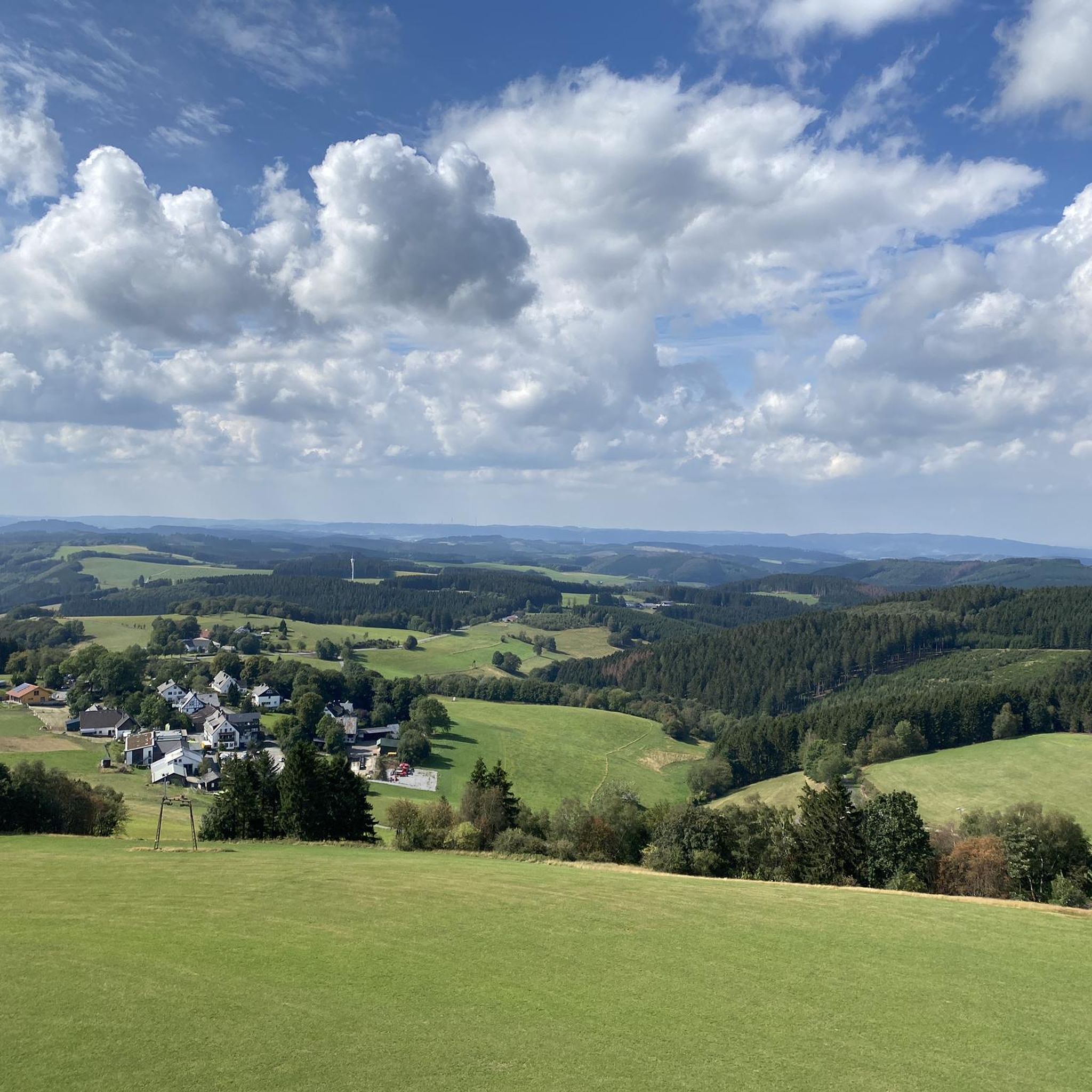
Highlights and Route Landscape: The route crosses rural areas, small population centers, agricultural fields, and forest areas, offering a calm and pleasant environment. Localities: The ecotrail passes through several localities, including Amorim, Terroso, Laundos, Rates, Balazar, Gondifelos, Louro, and Brufe. Intermodality: A great advantage is the direct connection to the Vila Nova de Famalicão train station and the Porto Metro station in Póvoa de Varzim, facilitating access to the beginning and end of the route. Interconnection: The cycle path connects to the Formiga Ecotrail, allowing the ride to be extended.
1
0
Route Characteristics Length: The route is approximately 28 to 30 kilometers in total, connecting the rural interior (Famalicão) to the Atlantic coast (Póvoa de Varzim). Difficulty: It is a flat route, without major slopes or sharp curves, making it an easy and accessible route for everyone, including families with children. Surface: The surface is a mixture of macadam and, in some sections, asphalt, suitable for walking, running and cycling. Accessibility: The ecotrail is wheelchair accessible and has approximately 12 rest areas along the route.
1
0
The Famalicão–Póvoa de Varzim cycle path is, in fact, the Famalicão branch line cycle path. This route was built using the canal of the old railway branch line that connected Vila Nova de Famalicão and Póvoa de Varzim, and which ceased train service in 1995.
1
0

There is a gigantic organ in the cathedral.
5
2
The Cathedral of Braga, the oldest archdiocese in Portugal
3
0
Frequently Asked Questions
What historical and cultural sites can I explore in Arnoso (Santa Maria)?
Arnoso (Santa Maria) is rich in history. You can visit the ancient Benedictine monastic church, Igreja de Santa Eulália do Mosteiro de Arnoso / Igreja de São Salvador, which features Romanesque architecture and 15th-century frescoes. It's classified as a National Monument. Other heritage sites include the Capela da Senhora do Fastio, Capela de São Vicente, Capela do Senhor dos Passos, the Cruzeiro da Quinta, and the traditional Alminhas de Codeçoso shrines.
Are there any natural attractions or outdoor spaces in Arnoso (Santa Maria)?
Yes, for nature lovers, Arnoso (Santa Maria) offers the tranquil Praia Fluvial (Fluvial Beach) located near the Mosteiro de Arnoso, where you can enjoy the clear waters of the Guisante river, especially during summer. The Buraco do Olheiro is also listed as a natural heritage point of interest.
What are some family-friendly activities or places to visit in the Arnoso (Santa Maria) area?
Families can enjoy the natural setting of the Praia Fluvial (Fluvial Beach) for a relaxing day by the river. For an active outing, the Famalicão–Póvoa de Varzim Cycle Path, which is flat and accessible, is perfect for cycling, running, or walking through rural areas, villages, and forests. Many historical sites like the Igreja de Santa Eulália do Mosteiro de Arnoso are also suitable for family visits, offering educational insights into the region's past.
Where can I find historical bridges in Arnoso (Santa Maria)?
The parish is home to several historical bridges that are considered part of its local patrimony. You can visit the Ponte da Minhoteira and the Ponte do Olheiro, both recognized as heritage sites.
What kind of outdoor activities can I do near Arnoso (Santa Maria)?
The region around Arnoso (Santa Maria) offers various outdoor activities. You can explore numerous routes for road cycling, hiking, and mountain biking. For detailed routes, check out the Road Cycling Routes around Arnoso (Santa Maria), Hiking around Arnoso (Santa Maria), and MTB Trails around Arnoso (Santa Maria) guides.
Are there any notable viewpoints in Arnoso (Santa Maria)?
The Monte de São Vicente is listed as a site of patrimonial interest and is likely to offer scenic views or historical significance related to Saint Vincent, making it a potential viewpoint in the area.
What is the Famalicão–Póvoa de Varzim Cycle Path and where does it go?
The Famalicão–Póvoa de Varzim Cycle Path is a scenic route built along an old railway line. It connects the rural interior of Famalicão to the Atlantic coast at Póvoa de Varzim, offering an accessible way to explore villages, cultivated fields, and forests. It's approximately 28-30 kilometers long, mostly flat, and suitable for cycling, running, and walking.
What is the significance of Igreja de Santa Eulália do Mosteiro de Arnoso?
The Igreja de Santa Eulália do Mosteiro de Arnoso / Igreja de São Salvador is an ancient Benedictine monastic church with significant historical and architectural value. It was partially destroyed by Moors in 1067, rebuilt, and features Romanesque architecture, including a simple western portal with a tympanum from 1156. It also houses unique 15th-century frescoes and has been classified as a National Monument since 1938.
Can I find information about the architectural styles of the historical buildings in Arnoso (Santa Maria)?
Yes, the Igreja de Santa Eulália do Mosteiro de Arnoso / Igreja de São Salvador is a prime example of Romanesque architecture, with its distinctive western portal and tympanum. While other chapels and heritage sites contribute to the local patrimony, this church is the most prominent example of historical architectural styles in the parish.
What is the best time to visit the Praia Fluvial (Fluvial Beach) in Arnoso (Santa Maria)?
The Praia Fluvial (Fluvial Beach) is best enjoyed during the summer months when visitors can fully appreciate the clear waters and tranquil natural setting alongside the Guisante river.
Are there any specific hiking trails near Arnoso (Santa Maria) that are recommended?
Yes, there are several hiking trails in the vicinity. One notable route is the 'Arnoso Monastery – Castro da Ermida loop from Nine,' which is a moderate 15 km hike. For more options and details, you can refer to the Hiking around Arnoso (Santa Maria) guide.
What do visitors enjoy most about the attractions around Arnoso (Santa Maria)?
Visitors appreciate the diverse range of experiences, from exploring ancient religious sites like the Igreja de Santa Eulália do Mosteiro de Arnoso to enjoying the peaceful natural beauty of the Praia Fluvial (Fluvial Beach). The accessible Famalicão–Póvoa de Varzim Cycle Path is also highly regarded for its scenic and enjoyable outdoor activity opportunities.

Get inspired with the komoot mobile app


Explore more
Still not found the Highlight you’re looking for? See guides of the top attractions in other regions:
