The best cycling routes around Gondiães
4.5
(17)
249
riders
20
rides
Touring cycling around Gondiães, located in Cabeceiras de Basto, offers routes characterized by varied terrain and proximity to natural landscapes. The region features granite formations, deep valleys, and river paths, providing a diverse environment for cyclists. Its location near the Peneda-Gerês National Park means routes often include significant elevation changes and scenic views of forests and traditional villages. These routes traverse tranquil areas, allowing for exploration of Northern Portugal's natural beauty.
Best touring cycling routes around Gondiães
- The most popular…
Last updated: July 4, 2026
4.0
(4)
64
riders
42.7km
03:13
320m
320m
Moderate bike ride. Good fitness required. Mostly paved surfaces. Suitable for all skill levels.
18
riders
64.9km
04:28
1,130m
1,130m
Hard bike ride. Very good fitness required. Mostly paved surfaces. Suitable for all skill levels.

Sign up for free
13
riders
47.1km
04:10
1,170m
1,170m
Hard bike ride. Very good fitness required. Mostly paved surfaces. Suitable for all skill levels.
5.0
(3)
9
riders
33.9km
02:08
380m
380m
Moderate bike ride. Good fitness required. Mostly paved surfaces. Suitable for all skill levels.
7
riders
69.7km
04:41
980m
990m
Hard bike ride. Very good fitness required. Mostly paved surfaces. Suitable for all skill levels.
Get access to more routes and recommendations from other explorers.
Sign up for free
Already have an account?
Our route recommendations are based on thousands of hikes, rides, and runs completed by other people on komoot.
Start today with a free account
Your next adventure awaits.
Login or Signup

Tips from the Community


Historical Context Origin of the name: The town of Ponte de Lima, the oldest in Portugal, derives its name from the bridge that crosses it. Way of St. James: The bridge is an important crossing point on the Portuguese Way of St. James. Legend: The legend of the Lima River, which runs under the bridge, tells that the Romans believed it to be the river of forgetfulness, which would have given rise to the myth that people who crossed it would forget their past lives.
2
0
The bridge that gives the Lima Bridge its name is actually a combination of two structures: a Roman section, built in the 1st century, and a medieval section, expanded in the 14th century. It crosses the Lima River and is one of the town's most emblematic monuments. Characteristics of the bridge Roman section: The remaining Roman section consists of five arches, and its construction is linked to the military road that connected the cities of Braga and Astorga. Medieval section: The medieval portion of the bridge is larger and was built to connect to the Roman section, extending the structure over the river. Material: The bridge is built of granite, using the Roman technique of "quadratum" and "vittatum" masonry.
2
0

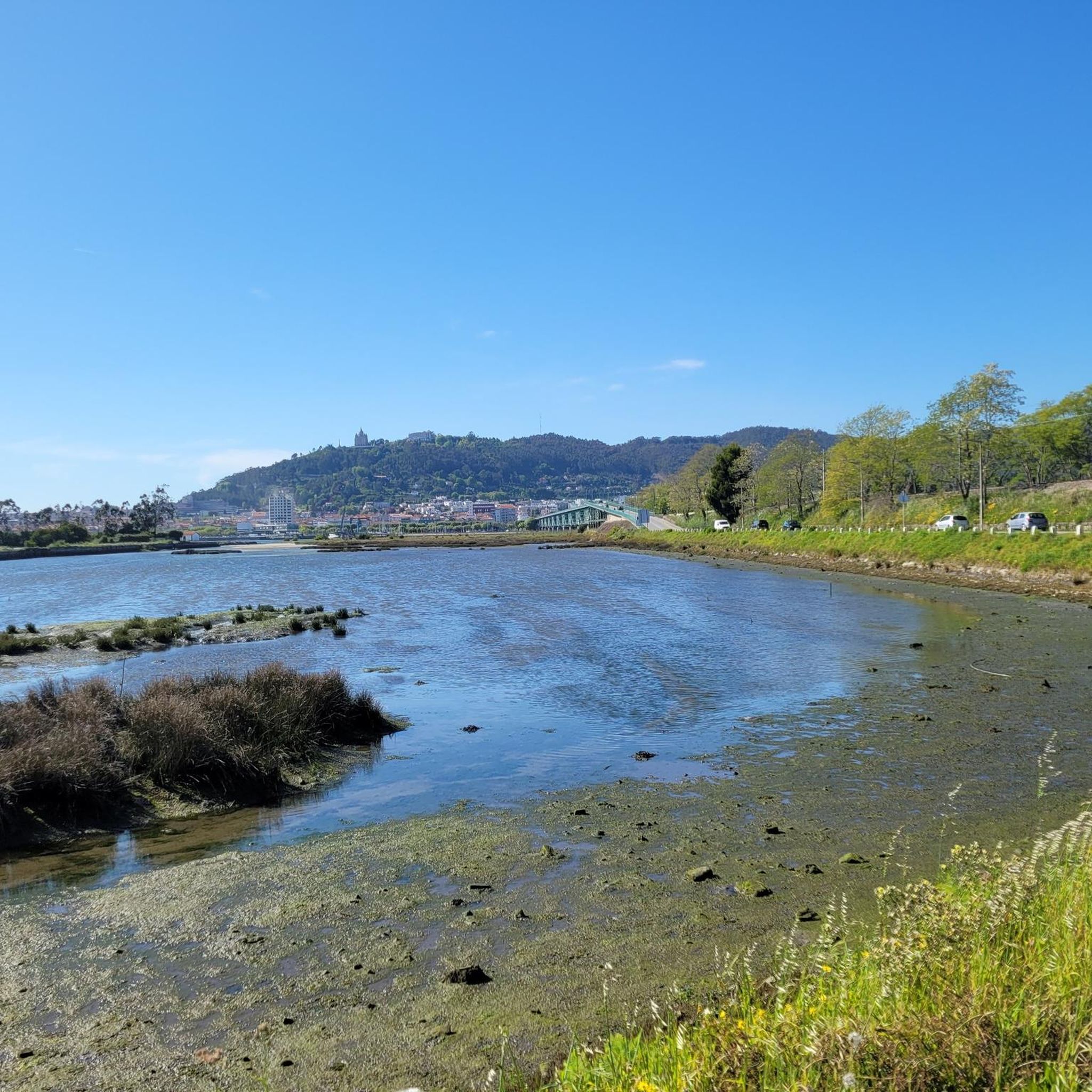
A city bathed by the Lima River, with walking trails in the area and good food.👍🥾🇵🇹
1
0

In the nerve center of the town.
2
1
The main attraction of the town.
2
0


The Bridge over the Lima River in Ponte de Lima is an authentic work of art that combines medieval and Roman styles and is classified as a national monument. The bridge has two distinct sections, one Roman and one medieval.
1
0
Frequently Asked Questions
How many touring cycling routes are available around Gondiães?
There are over 20 touring cycling routes around Gondiães, offering a variety of experiences for different skill levels. The komoot community has explored these routes extensively, with over 300 touring cyclists using komoot to navigate the area.
What kind of terrain can I expect on touring cycling routes near Gondiães?
Touring cycling routes around Gondiães feature varied terrain, including granite peaks, deep valleys, and river paths. You'll often pass through tranquil forests and traditional villages, with many routes offering significant elevation changes and scenic views, especially those closer to the Peneda-Gerês National Park.
Are there any family-friendly touring cycling routes around Gondiães?
Yes, there are routes suitable for families. For example, the Bico Bridge – Parque Perez loop from Vila Verde is a moderate 26.9-mile (43.2 km) route that navigates varied landscapes, offering a balanced cycling experience that can be enjoyable for families looking for a less strenuous ride.
What is the best time of year for touring cycling in Gondiães?
The region's natural beauty, including lush forests and river paths, suggests that spring and autumn would be ideal for touring cycling, offering pleasant temperatures and vibrant scenery. Summers can be warm, while winters might bring cooler, wetter conditions, especially in higher elevations.
Are there challenging touring cycling routes for experienced cyclists?
Absolutely. The Gondiães area, particularly with its proximity to Peneda-Gerês National Park, offers several difficult routes with substantial elevation gain. An example is the Ponte do Porto – Caniçada Reservoir loop from Rendufe, a challenging 41.2-mile (66.3 km) path featuring significant climbs and views of the Caniçada Reservoir.
Can I find circular touring cycling routes in the Gondiães area?
Many of the touring cycling routes around Gondiães are designed as loops, allowing you to start and end at the same point. The Parish Church of Caldelas loop from Torre is a 29.3-mile (47.1 km) example that takes you through traditional villages and challenging climbs.
What are the options for parking when cycling around Gondiães?
While specific parking areas for each route are not detailed, you can generally find parking in the villages and towns that serve as starting points for these routes, such as Vila Verde, Rendufe, or Torre. These areas often have public parking facilities suitable for day trips.
Are there any river beaches or leisure areas accessible by touring bike?
Yes, the region is known for its natural waterways. The Felinhos River Beach – Bico Bridge loop from Lage is a moderate 33.9-mile (54.6 km) route that includes Felinhos River Beach, offering a chance to enjoy the local waterways. The Praia Fluvial de Gondiães and Zona de Lazer de Gondiães are also notable spots for relaxation.
What can I see along the touring cycling routes around Gondiães?
Beyond the natural landscapes of granite peaks and river valleys, you can discover various points of interest. Highlights include the Eucalyptus of Moure, the tranquil Malheira River Beach, and the scenic Oural Swing Viewpoint. You might also pass through traditional settlements like Friastelas Parish or historical sites such as the Monastery of Saint Andrew of Rendufe.
Are there places to stop for refreshments along the touring cycling routes?
Many routes pass through traditional villages where you can find local taverns and cafes. These offer opportunities to sample regional cuisine and take a break. The wider Cabeceiras de Basto region and areas near Peneda-Gerês National Park are known for their hospitality.
What do other touring cyclists enjoy most about touring cycling in Gondiães?
The area is highly rated by the komoot community, with an average score of 4.5 stars from over 20 reviews. Cyclists often praise the diverse terrain, the scenic views of forests and traditional villages, and the challenging climbs that provide a rewarding experience. The proximity to natural parks and river paths is also a significant draw.
What should I consider bringing for a touring cycling trip in Gondiães?
Given the varied terrain and potential for significant elevation changes, it's advisable to bring appropriate gear for different conditions. This includes sufficient water and snacks, navigation tools (like komoot), sun protection, and layers of clothing. For more challenging routes, consider a bike with suitable gearing. Electric bikes are also an option for tackling mountainous terrain with assistance.
Most popular routes around Gondiães
Most popular attractions around Gondiães

Get inspired with the komoot mobile app


Explore more
Browse the best Cycling routes in other regions.
