The best road cycling routes around Portela Das Cabras
4.8
(31)
644
riders
27
rides
Road cycling routes around Portela Das Cabras traverse a landscape characterized by rolling hills and rural roads, offering varied terrain for cyclists. The region features a mix of gentle ascents and more challenging climbs, with elevations reaching over 1300 meters on some routes. This area provides a network of paths suitable for different levels of road cycling experience.
Best road cycling routes around Portela Das Cabras
- The most popular road cycling route is Igreja de Torre – Chapel of Senhor dos Aflitos loop from Loureira, a 37.9 miles (60.9 km) trail that takes 3 hours 0 minutes to complete. This moderate route features over 830 meters of elevation gain.
- Another top favourite among local road cyclists is Covide – Chapel of Senhor dos Aflitos loop from Loureira, a difficult 46.9 miles (75.5 km) path. This route includes significant climbs through the region's varied topography.
- Local road cyclists also love the Turiz Church – Igreja de Lage loop from Lage, a 40.2 miles (64.7 km) trail leading through rural landscapes, often completed in about 2 hours 58 minutes.
- Road cycling around Portela Das Cabras is defined by rolling hills, rural roads, and varied elevation, with options ranging from easy to difficult. The network offers routes for different ability levels, including more challenging road bike climbs.
- The routes in Portela Das Cabras are highly rated by the komoot community with an average score of 4.8 stars from over 30 reviews. More than 600 road cyclists have used komoot to explore Portela Das Cabras's varied terrain.
Last updated: July 4, 2026
4.6
(7)
84
riders
60.8km
03:01
850m
860m
Moderate road ride. Good fitness required. Mostly well-paved surfaces and easy to ride.
40
riders
75.3km
03:55
1,320m
1,320m
Hard road ride. Very good fitness required. Mostly well-paved surfaces and easy to ride.

Sign up for free
18
riders
65.4km
03:06
750m
750m
Moderate road ride. Good fitness required. Some segments of this route may be unpaved and difficult to ride.
4.3
(11)
11
riders
28.3km
01:19
320m
320m
Moderate road ride. Good fitness required. Mostly well-paved surfaces and easy to ride.
14
riders
80.0km
04:07
1,340m
1,340m
Hard road ride. Very good fitness required. Mostly well-paved surfaces and easy to ride.
Get access to more routes and recommendations from other explorers.
Sign up for free
Already have an account?
Our route recommendations are based on thousands of hikes, rides, and runs completed by other people on komoot.
Start today with a free account
Your next adventure awaits.
Login or Signup
Tips from the Community


Historical Context Origin of the name: The town of Ponte de Lima, the oldest in Portugal, derives its name from the bridge that crosses it. Way of St. James: The bridge is an important crossing point on the Portuguese Way of St. James. Legend: The legend of the Lima River, which runs under the bridge, tells that the Romans believed it to be the river of forgetfulness, which would have given rise to the myth that people who crossed it would forget their past lives.
2
0
The bridge that gives the Lima Bridge its name is actually a combination of two structures: a Roman section, built in the 1st century, and a medieval section, expanded in the 14th century. It crosses the Lima River and is one of the town's most emblematic monuments. Characteristics of the bridge Roman section: The remaining Roman section consists of five arches, and its construction is linked to the military road that connected the cities of Braga and Astorga. Medieval section: The medieval portion of the bridge is larger and was built to connect to the Roman section, extending the structure over the river. Material: The bridge is built of granite, using the Roman technique of "quadratum" and "vittatum" masonry.
2
0

A city bathed by the Lima River, with walking trails in the area and good food.👍🥾🇵🇹
1
0

Inside is the tourist office.
2
1

The Ponte das Tábuas de Balugães (Bridge of the Tábuas of Balugães) is a discreet jewel on the Portuguese Way to Santiago. It spans the serene Neiva River with an elegant trestle arch and boasts a wealth of history: it was mentioned in documents dating back to 1135, likely still made of wood, as the name suggests. The current stone structure is believed to have emerged around the 16th century. Nearby, a small river beach welcomes locals and travelers from around the world, all with the same goal: to dive in, cool off, and let themselves be carried away by the calm rhythm of the Neiva River's waters.
2
0

The Tower of Cadeia Velha, converted into a prison in the 16th century (reign of Manuel I), now houses the Loja do Turismo (Tourism Shop) and many temporary art exhibitions.
4
1
Both towers are classified as buildings of "public interest," as is the wall connecting them, the Tower of Cadeia Velha and the Tower of S. Paulo (once also known as the Tower of S. Paulo). They are the most prominent witnesses to what remains of the old wall of Ponte de Lima, which, in addition to the walled structure, consisted of towers and doors, a group of buildings built during the reign of Pedro I in the 14th century.
4
1
Frequently Asked Questions
How many road cycling routes are available around Portela Das Cabras?
There are over 30 road cycling routes documented on komoot for the Portela Das Cabras region. These routes offer a diverse range of experiences, from moderate rides to more challenging climbs.
What is the overall difficulty level of road cycling in Portela Das Cabras?
The road cycling routes in Portela Das Cabras offer a mix of difficulties. While there is one easy route, the majority are moderate (16 routes) or difficult (13 routes), featuring varied terrain with rolling hills and significant climbs, some reaching over 1300 meters of elevation gain.
Are there easy road cycling routes suitable for beginners in Portela Das Cabras?
Yes, there is at least one easy road cycling route available. However, most routes in Portela Das Cabras are classified as moderate or difficult, so beginners should carefully check the route profiles for distance and elevation before setting out.
Where can I find challenging road bike climbs in Portela Das Cabras?
For challenging climbs, consider routes like the Covide – Chapel of Senhor dos Aflitos loop from Loureira, which features over 1300 meters of elevation gain over 75.5 km. Another demanding option is the Oleiros Wall – View of the Valley loop from Loureira, covering 78.7 km with similar elevation.
What kind of scenery can I expect on road cycling routes around Portela Das Cabras?
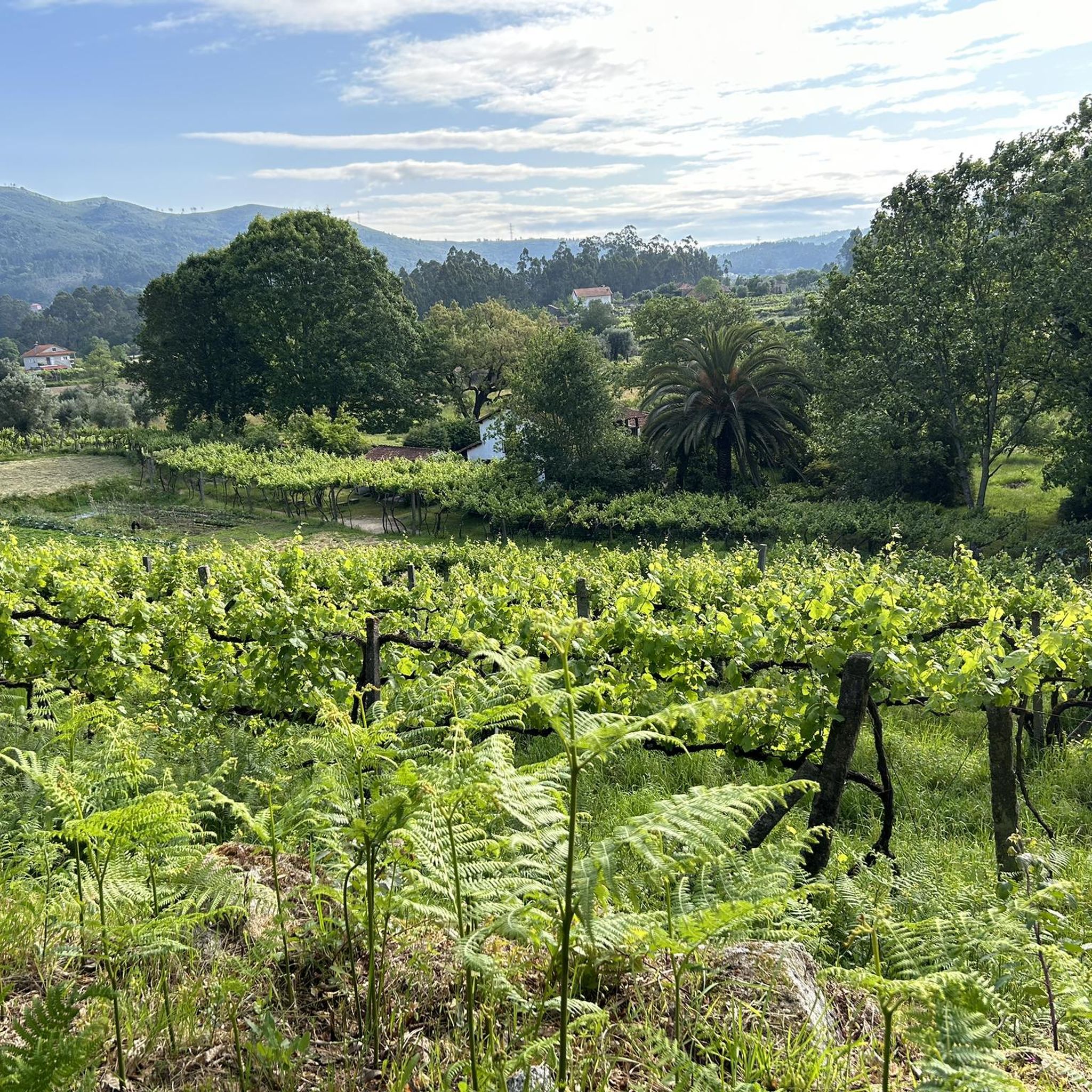
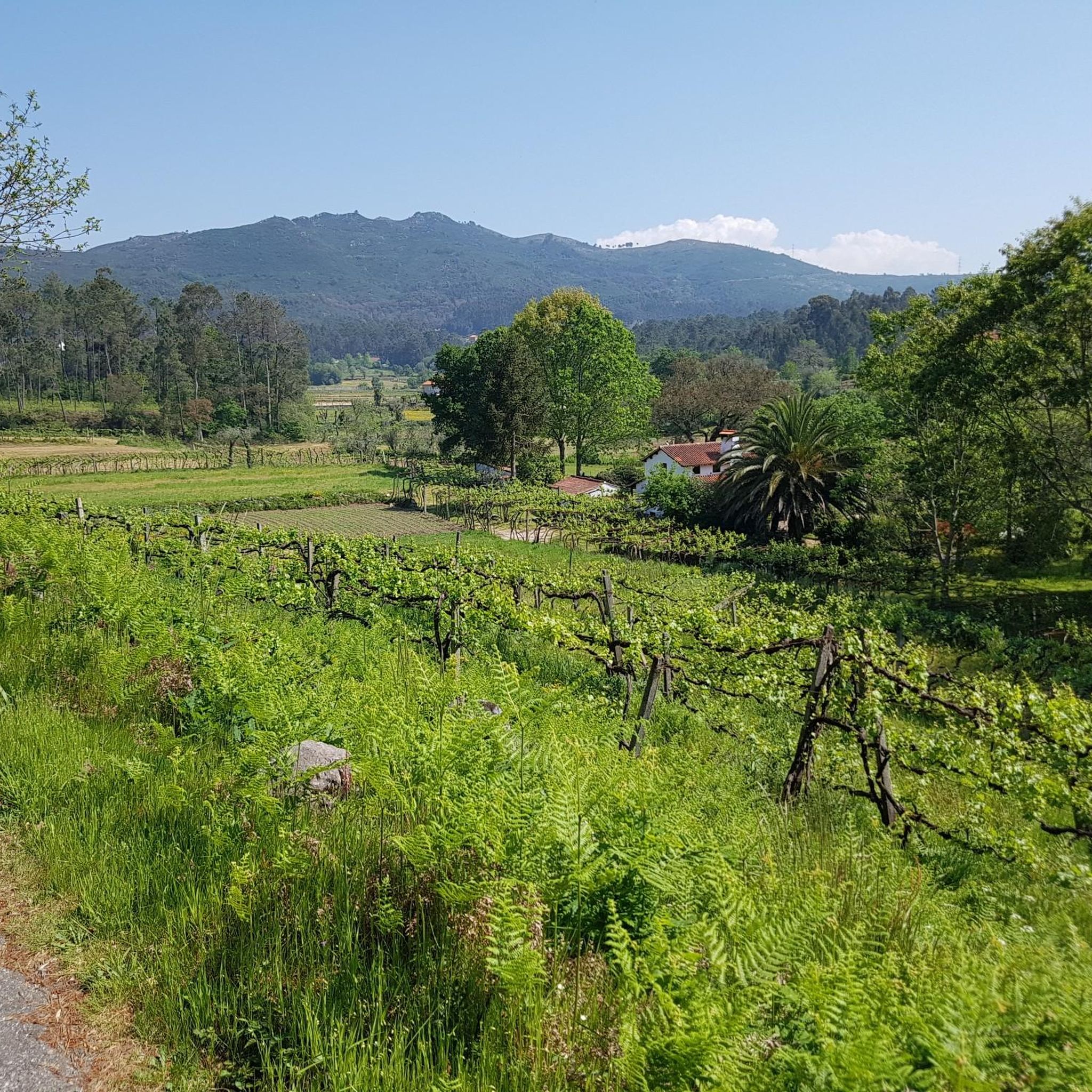
Road cycling routes around Portela Das Cabras traverse a landscape characterized by rolling hills and rural roads. You can expect varied terrain, often leading through picturesque countryside and offering scenic views, especially on routes designed to include viewpoints.
Are there circular road cycling routes in Portela Das Cabras?
Yes, many of the road cycling routes in Portela Das Cabras are designed as loops, allowing you to start and finish at the same point. Examples include the popular Igreja de Torre – Chapel of Senhor dos Aflitos loop from Loureira and the Turiz Church – Igreja de Lage loop from Lage.
What do other cyclists say about road cycling in Portela Das Cabras?
The road cycling routes in Portela Das Cabras are highly rated by the komoot community, with an average score of 4.8 stars from over 30 reviews. Cyclists often praise the varied terrain, the rural charm, and the network of paths suitable for different experience levels.
Are there any interesting landmarks or attractions along the road cycling routes?
Yes, while cycling, you might encounter various points of interest. Notable attractions in the wider area include the Camino de Santiago Signpost and Rest Area, the unique Eucalyptus of Moure, and the scenic Oural Swing Viewpoint, offering great spots for a break.
What is the typical length and elevation gain for road cycling routes in Portela Das Cabras?
Routes vary significantly in length and elevation. For example, the Chapel of Senhor dos Aflitos – Igreja de Lage loop from Lage is a moderate 28.3 km ride with around 318 meters of elevation gain, while the Covide – Chapel of Senhor dos Aflitos loop from Loureira is a difficult 75.5 km route with over 1300 meters of climbing.
Are there any hidden or less-trafficked road cycling routes in the area?
While specific 'hidden' routes aren't explicitly detailed, the region's character of 'rural roads' suggests that many routes, especially those away from main thoroughfares, offer a quieter cycling experience. Exploring the less-frequented paths can reveal charming local landscapes.
Can I find routes that pass by natural features like river beaches?
Yes, the region offers natural attractions that some routes might pass near. For instance, the Malheira River Beach is a notable natural feature in the vicinity that could be incorporated into a ride or visited as a detour.
Most popular routes around Portela Das Cabras
Most popular attractions around Portela Das Cabras

Get inspired with the komoot mobile app


Explore more
Browse the best Road cycling routes in other regions.
