The best road cycling routes around São Julião De Palácios
3.3
(5)
66
riders
10
rides
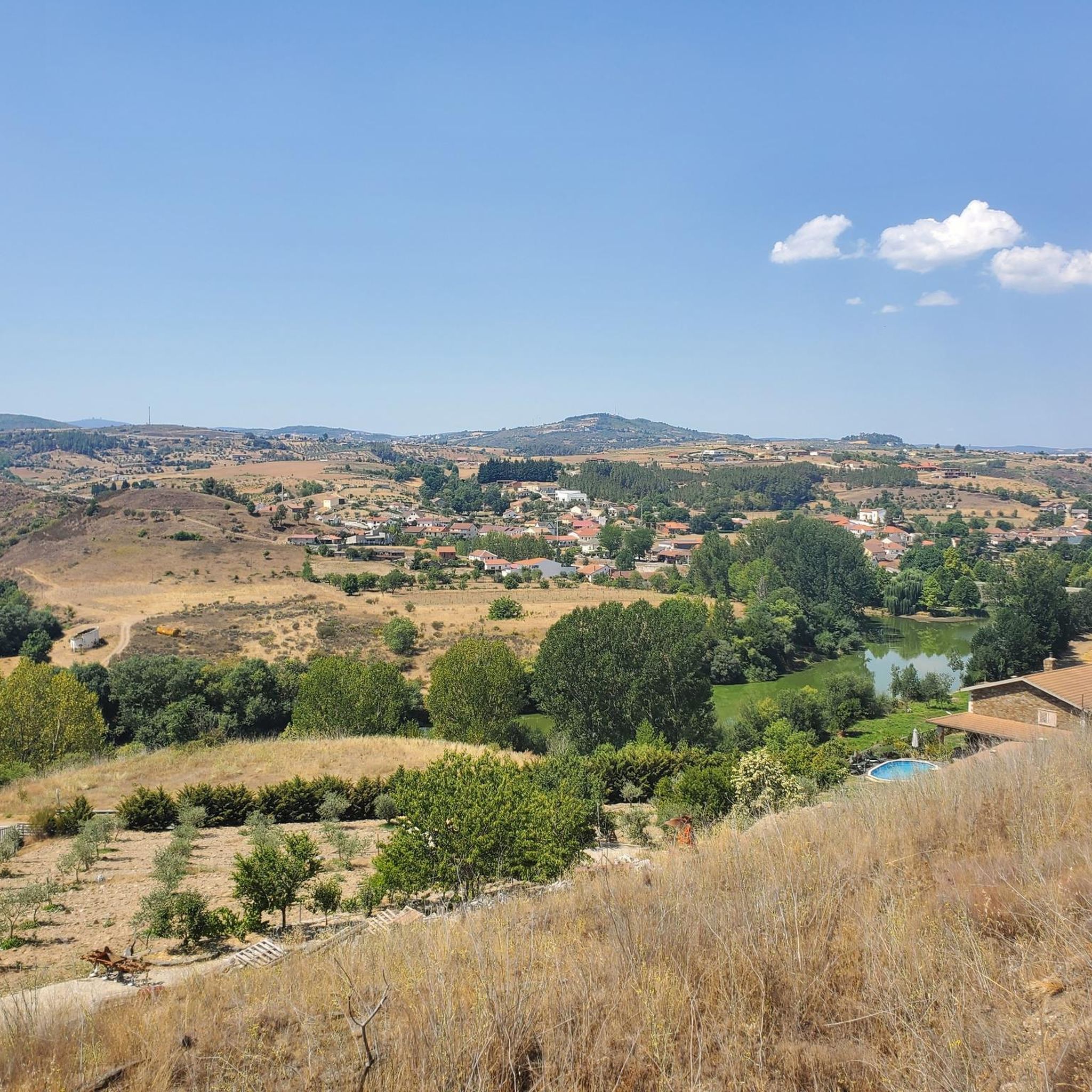
Road cycling around São Julião De Palácios offers routes within the Montesinho Natural Park, a protected area in northeastern Portugal. The region is characterized by high granite mountains, deep valleys, and diverse forests, providing varied terrain for cyclists. Routes often feature rolling sections, steep climbs, and winding descents, with good road surfaces. Traditional villages and natural scenery are common along these cycling paths.
Best road cycling routes around São Julião De Palácios
- The most popular road cycling route is The…
Last updated: July 12, 2026
3.0
(1)
5
riders
64.0km
03:21
1,100m
1,100m
Hard road ride. Very good fitness required. Mostly well-paved surfaces and easy to ride.
2
riders
76.5km
03:54
1,150m
1,150m
Hard road ride. Very good fitness required. Mostly well-paved surfaces and easy to ride.

Sign up for free
50.4km
02:41
860m
860m
Moderate road ride. Good fitness required. Mostly well-paved surfaces and easy to ride.
3.5
(2)
25
riders
76.1km
03:56
1,350m
1,350m
Hard road ride. Very good fitness required. Mostly well-paved surfaces and easy to ride.
3.5
(2)
21
riders
55.6km
02:57
1,050m
1,050m
Hard road ride. Very good fitness required. Mostly well-paved surfaces and easy to ride.
Get access to more routes and recommendations from other explorers.
Sign up for free
Already have an account?
Our route recommendations are based on thousands of hikes, rides, and runs completed by other people on komoot.
Start today with a free account
Your next adventure awaits.
Login or Signup
Popular around São Julião De Palácios
Tips from the Community

Rio de Onor is not just a beautiful village; it's a "living museum" of a way of life that has almost disappeared in Europe. It's worth visiting because it is possibly the village with the most fascinating social history in Portugal. Here are the 4 main reasons to go there: 1. It's a Community Village ("Communitarianism") This is Rio de Onor's great trademark. For centuries, the village lived under a system of total sharing among neighbors, something very rare: Sharing of Goods: The bread oven, the watermill, and even the village bull belonged to everyone. The "Rod of Justice": Decisions and fines for infractions in the village were marked on a wooden rod, managed by the "judge" elected by the people. You can see this history explained at the Casa do Touro (House of the Bull), a small, unmissable museum in the village. 2. One Village, Two Countries Rio de Onor is a village bisected by the international border. On this side is Rio de Onor (Portugal); on the other side is Rihonor de Castilla (Spain). For the inhabitants, the border never really existed: they share land, livestock, and even speak their own dialect (Rionorês), an ancient mixture of Portuguese and Castilian. It's very curious to cross from one country to the other on foot in the middle of the main street. 3. The Schist Landscape and Nature Located in the Montesinho Natural Park, the village is visually stunning. The houses are made of dark schist with wooden balconies, typical of Trás-os-Montes, and are very well preserved. The Onor River, which crosses the village, has clear waters and creates a very pleasant natural river beach in the summer, perfect for picnics. 4. The "Roman" Bridge The old stone bridge (which is actually from the 19th century, despite its popular name) is the village's postcard image. The reflection of the arches in the water with the schist houses in the background creates one of the most photogenic landscapes in Northern Portugal. Visiting Rio de Onor is like stepping back in time and understanding how communities survived in isolation in the mountains, supporting each other. It's a lesson in life and history in an incredible natural setting.
2
0

Guadramil, lost among the mountains of the Montesinho Natural Park, is one of the most isolated villages in Portugal, so remote that not even a mobile phone signal can reach it. Located in the district of Bragança, it preserves the charm of the most authentic villages in Trás-os-Montes.
1
0

Rio de Onor is a sleepy little village right on the Portugal/Spain border. The drive through it is a challenging one and absolutely not recommended for larger campervans.
3
1

Rio de Onor is one of the most emblematic villages in Bragança and the Montesinho Natural Park, and was elected the 7th Wonder of Portugal in 2017 – a village in a protected area. Crossing the border with Spain, on one side is Rio de Onor, and on the other, Rihonor de Castilla, which is why it is said to be “one village, two countries”!
5
0

Beautiful town located at the foot of the Sabor and Onor rivers, in a humid area but full of nature.
1
0
Since time immemorial, the river has always been a border element that has simultaneously helped separate several countries. The Manzanas River at this point is a good example!
0
0
Outeiro is one of those border towns where you can see its legacy, where the ruins of an old castle that crowns the town appear at the bottom of the core. Beautiful village church!
0
0

Striking border town, half in Spain called Riohonor and half in Portugal, Río de Onor. At the exit on the Portuguese side there is a campsite with a bar
3
0
Frequently Asked Questions
How many road cycling routes are available around São Julião De Palácios?
There are 9 road cycling routes available around São Julião De Palácios. These routes traverse the diverse landscapes of the Montesinho Natural Park, offering a mix of challenges and scenic beauty.
What kind of terrain can I expect when road cycling in São Julião De Palácios?
Road cycling in São Julião De Palácios, located within the Montesinho Natural Park, features varied terrain. You can expect routes with rolling sections, steep climbs, and fast, winding descents. The region is characterized by high granite mountains, deep valleys, and diverse forests, all on generally good road surfaces.
Are there road cycling routes suitable for different skill levels?
Yes, the routes around São Julião De Palácios cater to various skill levels. While there are no easy routes listed, you can find 4 moderate routes and 5 difficult routes, ensuring options for both intermediate and advanced cyclists looking for a challenge.
What do other cyclists say about the road cycling routes in São Julião De Palácios?
The road cycling routes in São Julião De Palácios are highly rated by the komoot community, with an average score of 3.3 stars from 5 reviews. Over 65 road cyclists have explored the varied terrain, often praising the challenging climbs and the picturesque views of the natural park and traditional villages.
Are there any circular road cycling routes in the area?
Yes, there are circular road cycling routes available. One popular option is The other side of the border and Parque Natural de Montesinho — circular from Milhão, which is a difficult 64 km route that takes about 3 hours and 21 minutes to complete.
What natural attractions can I see along the road cycling routes?
While cycling, you can encounter various natural attractions. Highlights include the Weir and Boardwalk of the Rio Onor, the Puente de la Canzona, and the Centennial Pyrenean Oak (Carvalho-Negral). Many routes also offer scenic viewpoints, such as the View of São Julião in the Montesinho Natural Park.
Are there any interesting villages or historical sites to visit near the cycling routes?
Yes, the region is rich in traditional villages and historical points of interest. You can cycle through or near charming settlements like Rio de Onor Village and the Nuez de Aliste Historic Village Center. The Roman Bridge of Mirandela is another notable historical landmark in the broader area.
Are there any less strenuous road cycling options for beginners or those seeking a more relaxed ride?
While São Julião De Palácios is known for its challenging terrain, there are moderate options available. The Trabazos – tour around Figueruela de Arriba is a moderate 50.4 km route that leads through varied terrain and traditional villages, typically completed in about 2 hours and 41 minutes.
Is public transport available to reach São Julião De Palácios for cyclists?
São Julião De Palácios is a small village within the Montesinho Natural Park. Public transport options directly to the village might be limited. It is advisable to research local bus schedules or consider driving to a starting point with ample parking, especially if you are bringing your own bike.
Where can I find parking for road cycling routes in São Julião De Palácios?
As São Julião De Palácios is a rural area, parking is generally available in or near the village center. For specific routes, it's often possible to park in nearby villages or designated areas at the start of a trail. Always check local signage for any restrictions.
Are there any permits required for road cycling in Montesinho Natural Park?
Generally, no specific permits are required for road cycling on public roads within Montesinho Natural Park. However, as it is a protected area, cyclists should always respect park regulations, stay on marked roads, and avoid disturbing wildlife or natural habitats.
Are there any family-friendly road cycling routes in São Julião De Palácios?
The road cycling routes around São Julião De Palácios tend to feature significant elevation changes and are generally rated as moderate to difficult. While there are no routes specifically designated as 'easy' or 'family-friendly' in the guide data, families with older, experienced children might find the moderate routes manageable, provided they are comfortable with climbs and descents.
Most popular routes around São Julião De Palácios
Most popular attractions around São Julião De Palácios

Get inspired with the komoot mobile app


Explore more
Browse the best Road cycling routes in other regions.
