Attractions and Places To See around Grijó - Top 11
Attractions and places to see around Grijó, a parish in Vila Nova de Gaia, Porto district, Portugal, offer a blend of historical sites, cultural points, and natural landscapes. The area holds historical significance along the Portuguese Way to Santiago. Visitors can explore a variety of destinations, from ancient monasteries to natural reserves and coastal features.
Best attractions and places to see around Grijó
- The most popular attractions is Murals of Podence, a man-made monument that showcases the Podence Carnival…
Last updated: July 1, 2026
View of Albufeira do Azibo
Highlight • Viewpoint
Translated by Google •
Tip by

Geopark of Macedo de Cavaleiros
Highlight • Natural Monument
Translated by Google •
Tip by
Sign up now to discover places like this
Get recommendations on the best single tracks, peaks, & plenty of other exciting outdoor places.
Sign up for free
Murals of Podence
Highlight • Monument
Translated by Google •
Tip by

Caretos House
Highlight • Historical Site
The Caretos of Podence are a distinctive feature of the Trás os Montes region. The event …
Translated by Google •
Tip by
Macedo de Cavaleiros
Highlight • Settlement
Translated by Google •
Tip by
Sign up for free to discover even more attractions around Grijó.
Sign up for free
Already have an account?
Start today with a free account
Your next adventure awaits.
Login or Signup
Popular around Grijó
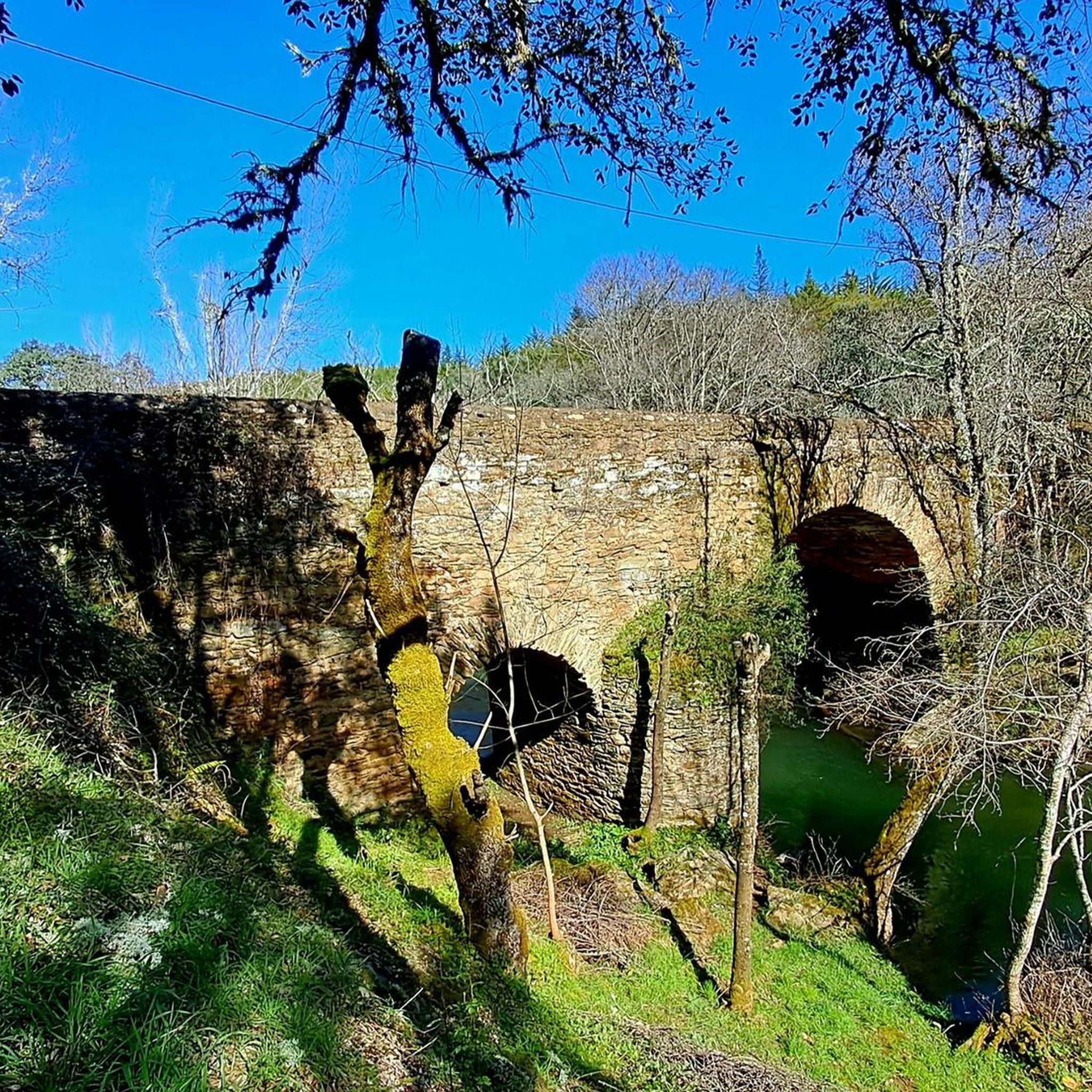
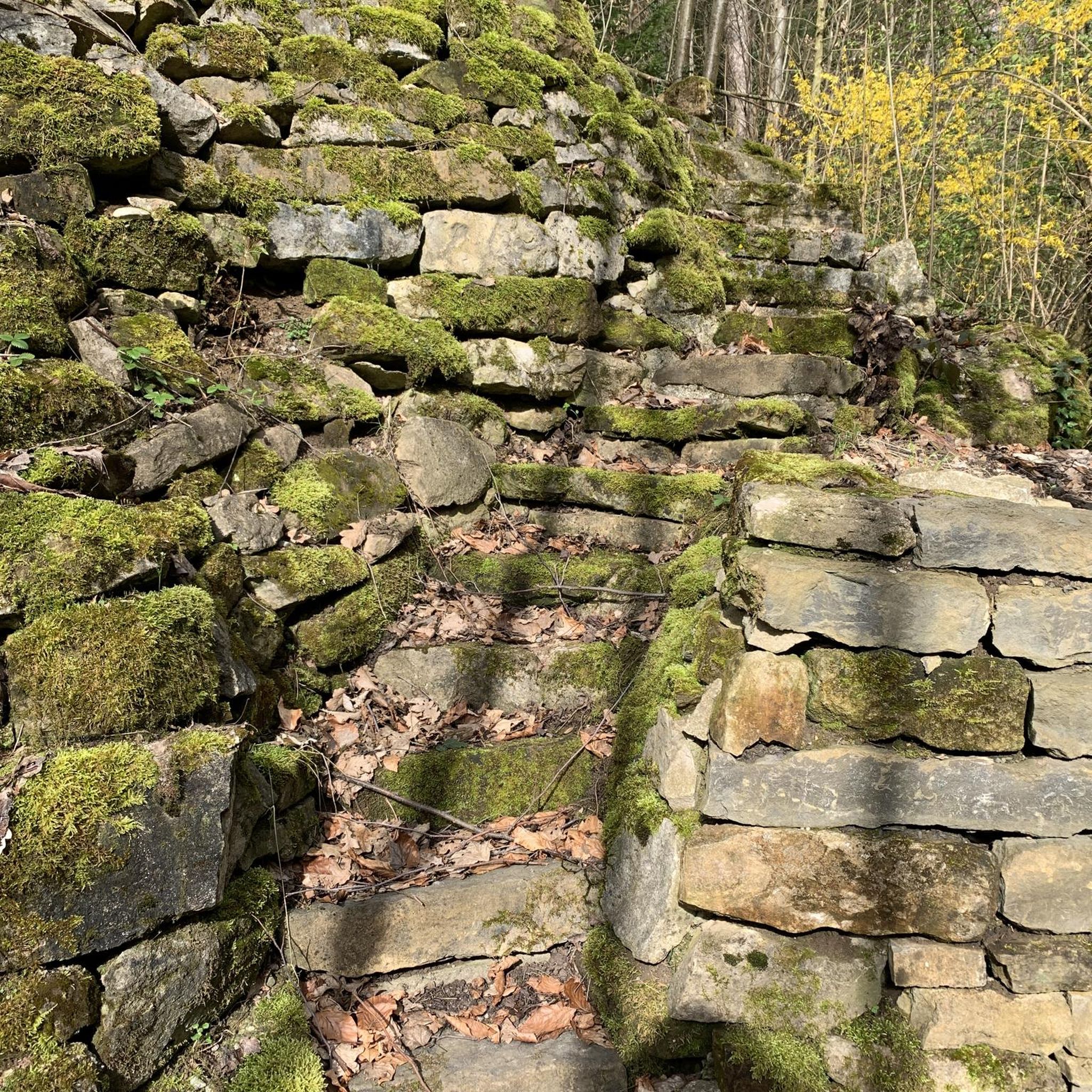
Tips from the Community

The Terras de Cavaleiros Geopark, where Grijó is located, is located in the municipality of Macedo de Cavaleiros, in the heart of Northeast Transmontano (Portugal). It has been a UNESCO Global Geopark since 2015 and covers approximately 700 km², with 42 geosites that tell the geological story of more than 400 million years.
6
0

With the administrative reform of 1853, Macedo de Cavaleiros became one of the municipalities of Portugal. This elevation to the status of municipality was met with opposition, both in rural areas, where the struggles between those in favour of the old and the new municipality lasted until 1911, and in parliamentary circles, triggered mainly by the deputy for the Moncorvo constituency, João Pedro de Almeida Pessanha. Even so, the municipality was confirmed by royal decree on 24 October 1855. On 15 January 1863, Macedo de Cavaleiros was elevated to the status of town. In 1903, the railway was built, establishing the Tua line, which naturally gave a strong economic boost to the region. Finally, on 13 May 1999, Macedo de Cavaleiros was elevated to the status of city.
3
0
The Podence Carnival Festival is held by the community of Podence, which belongs to the municipality of Macedo de Cavaleiros, in the district of Bragança. This is a social practice related to the end of winter and the beginning of spring. It takes place between Sunday and Shrove Tuesday in the most colourful village in Portugal, Podence. In the heart of the Northeast of Trás-os-Montes, the much-acclaimed Podence Carnival – Entrudo Chocalheiro – is celebrated during the carnival week, where the Podence Caretos (a pagan performance) bring colour to the village and to the many tourists who pass through with their costumes. This ritual event, which originated in the so-called “long time”, when life was organised according to the rhythms of the agricultural cycle, refers to the festivities celebrating the end of the winter cycle and the beginning of the spring production cycle. Unique in relation to other Carnival festivities held in other parts of the country and adapting to a post-rural socio-economic context, the Podence Caretos Carnival festival today takes on its own particularities, through its elements – the mask and the costume, the behaviours that characterise the ritual and the protagonists of the festival, the masked people, known as “caretos”, and its current social function, assuming a distinctive and unique format.
5
0
Caretos Museum, entrance fee. There is a small restaurant in the space next door. The Caretos of Podence are a distinctive feature of the Trás os Montes region. The event Entrudo Chocalheiro Carnaval dos Caretos is a national and international attraction. The tradition is lost in time, a tradition that was on the verge of disappearing in the sixties and seventies, due to emigration and the Colonial War of the last century. The Careto of Podence is known for its performative behaviour, the “coalhalhadas” (the shaking of the hands) mainly performed by women, a symbolic act that harks back to a remote origin and a possible connection to ancient agrarian and fertility rituals. Today, these masked people visit the homes of neighbours and relatives in a convivial ritual, emigrants returning to their homeland. The Chocalheiro Carnival is therefore an essential moment in the lives of the descendants of Podence, who return during Carnival to continue the practice they inherited from their parents and grandparents. The Caretos thus gain even more importance for the Transmontana region, attracting more and more visitors every year. The Caretos, together with the seal of Intangible Cultural Heritage of Humanity, thus characterise a new way of looking at the tradition of a region prone to depopulation, but which manages to move thousands when, through effort and commitment, it achieves feats that are thus recognised throughout the world.
6
0
If you decide to explore this route, you will be surrounded by nature and breathtaking views. Enjoy your hike! 🏞️🚶♂️🥾🚵🌞
8
0
Albufeira do Azibo is an impressive body of water located in the municipality of Macedo de Cavaleiros, in Portugal. This place, assessed as a Protected Landscape, is home to two beautiful river beaches: Praia Fluvial da Ribeira and Praia Fluvial da Fraga da Pegada.
8
0

Earth history can be experienced here
1
1

Well-known city in this area of Portugal thanks to the nearby Albufeira do Azibo, a humid area that offers beach areas and roads with good views.
0
0
Frequently Asked Questions
What historical and cultural attractions can I explore near Grijó?
Grijó and its surroundings offer several significant historical and cultural sites. You can visit the historic Mosteiro de Grijó, a 10th-century monastery with a notable Renaissance cloister, and the 18th-century D'Amoreira Arch Aqueduct, built to supply water to the monks. Further afield, explore the unique Murals of Podence and the Caretos House, which celebrate the traditional Podence Carnival and its distinctive 'Caretos'.
Are there natural attractions or reserves to visit near Grijó?
Yes, the area boasts several natural points of interest. The Geopark of Macedo de Cavaleiros is a UNESCO Global Geopark showcasing 400 million years of geological history. You can also enjoy the Azibo Dam, a protected landscape with river beaches and opportunities for water sports. Closer to the coast, explore the Barrinha de Esmoriz Nature Reserve with its wooden pathways and the Aguda Dunes Park.
What unique cultural events or traditions are associated with the region?
The region is particularly known for the Podence Carnival Festival, celebrated in the village of Podence. This ancient ritual, featuring the iconic 'Caretos' in their colourful costumes, marks the end of winter and the beginning of spring. You can learn more about this tradition at the Caretos House.
Are there family-friendly activities or attractions around Grijó?
Many attractions are suitable for families. The Azibo Dam offers river beaches, hiking, cycling, and non-motorized water sports. The Geopark of Macedo de Cavaleiros, Murals of Podence, and Caretos House are also marked as family-friendly. Additionally, the Barrinha de Esmoriz Nature Reserve has wooden plank pathways perfect for walks with children.
What outdoor activities can I do near these attractions?
The area around Grijó is excellent for outdoor enthusiasts. You can enjoy hiking and cycling, particularly around the Azibo Dam and within the Barrinha de Esmoriz Nature Reserve. There's also a renovated Bidirectional Coastal Bike Path for scenic rides. For more specific routes, check out the MTB Trails around Grijó and Road Cycling Routes around Grijó guides.
Are there any coastal attractions or beaches nearby?
Yes, a short drive from Grijó, you'll find the iconic Chapel of Senhor da Pedra on Miramar Beach in Vila Nova de Gaia, known for being engulfed by the sea at high tide. The Barrinha de Esmoriz Nature Reserve also provides access to the beach, and the Azibo Dam features two river beaches.
What is the significance of the Mosteiro de Grijó?
The Mosteiro de Grijó is a historic monastery originally built in the 10th century for Augustinian monks. It underwent significant alterations in the 16th century, resulting in its notable Renaissance-style cloister. It is classified as a Public Interest building and houses the tomb of D. Rodrigo Sanches, which is a National Monument. You can find more historical context on Wikipedia.
Can I find wheelchair-accessible attractions in the area?
The settlement of Macedo de Cavaleiros is noted as wheelchair accessible. While specific accessibility details for all sites are not available, this city offers a starting point for accessible exploration in the wider region.
What do visitors enjoy most about the attractions around Grijó?
Visitors appreciate the blend of historical depth and natural beauty. Highlights like the Geopark of Macedo de Cavaleiros are praised for their geological history, while the Azibo Dam is loved for its recreational opportunities like hiking, cycling, and water sports. The unique cultural experience of the Podence Carnival, as depicted in the Murals of Podence, is also a significant draw.
Are there opportunities for cycling near Grijó?
Absolutely! The region is well-suited for cycling. You can enjoy the Bidirectional Coastal Bike Path for scenic rides along the sea. The Azibo Dam area also offers cycling routes. For dedicated trails, explore the MTB Trails around Grijó and Road Cycling Routes around Grijó guides, which feature various routes from moderate to difficult.
What is the best time to visit Grijó for outdoor activities?
While specific seasonal recommendations for all activities are not provided, the Podence Carnival Festival, a major cultural event, takes place between Sunday and Shrove Tuesday, marking the end of winter and beginning of spring. For coastal activities and water sports at the Azibo Dam, warmer months would generally be more suitable.
Most popular routes around Grijó

Get inspired with the komoot mobile app


Explore more
Still not found the Highlight you’re looking for? See guides of the top attractions in other regions:
