Attractions and Places To See around Malhadas - Top 20
Best attractions and places to see around Malhadas, a historical settlement in Portugal's Bragança district, offer a blend of cultural heritage and natural landscapes. Situated within the municipality of Miranda do Douro, the area is known for its historical sites and scenic viewpoints overlooking the Douro River. The region provides opportunities to explore ancient structures and panoramic vistas.
Best attractions and places to see around Malhadas
- The most popular attractions is Yellow Rock Viewpoint, a viewpoint located in the…
Last updated: October 18, 2026
The monastery
Highlight • Religious Site
Translated by Google •
Tip by

The ruin
Highlight • Castle
Translated by Google •
Tip by

Sign up now to discover places like this
Get recommendations on the best single tracks, peaks, & plenty of other exciting outdoor places.
Hermitage of the Virgen del Castillo and Barrancas Viewpoint
Highlight • Religious Site
Translated by Google •
Tip by

Mirador de las Barrancas
Highlight • Viewpoint
Translated by Google •
Tip by
Yellow Rock Viewpoint
Highlight • Viewpoint
It offers wide panoramic views of the Douro River surrounded …
Translated by Google •
Tip by
Sign up for free to discover even more attractions around Malhadas.
Already have an account?
Start today with a free account
Your next adventure awaits.

Tips from the Community

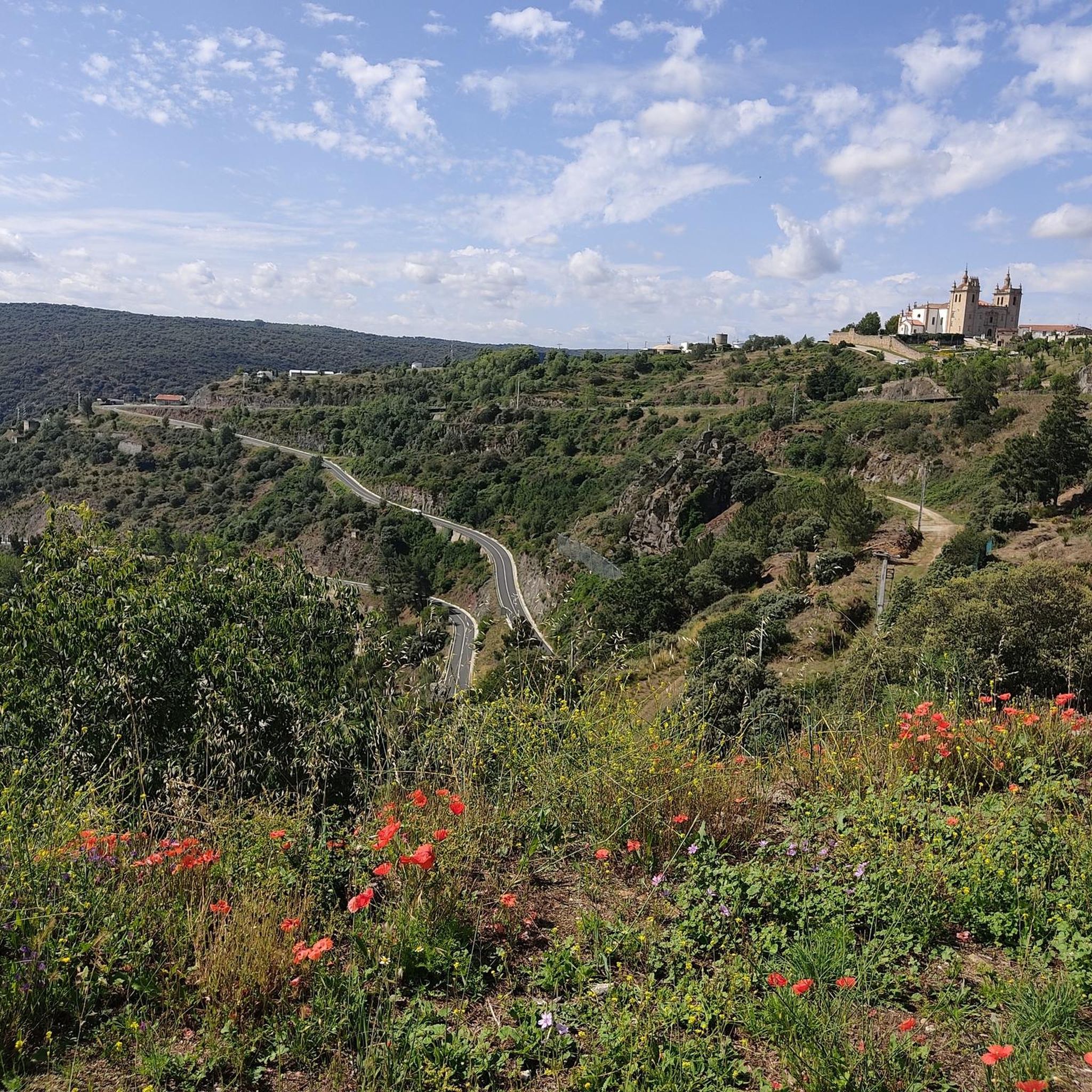
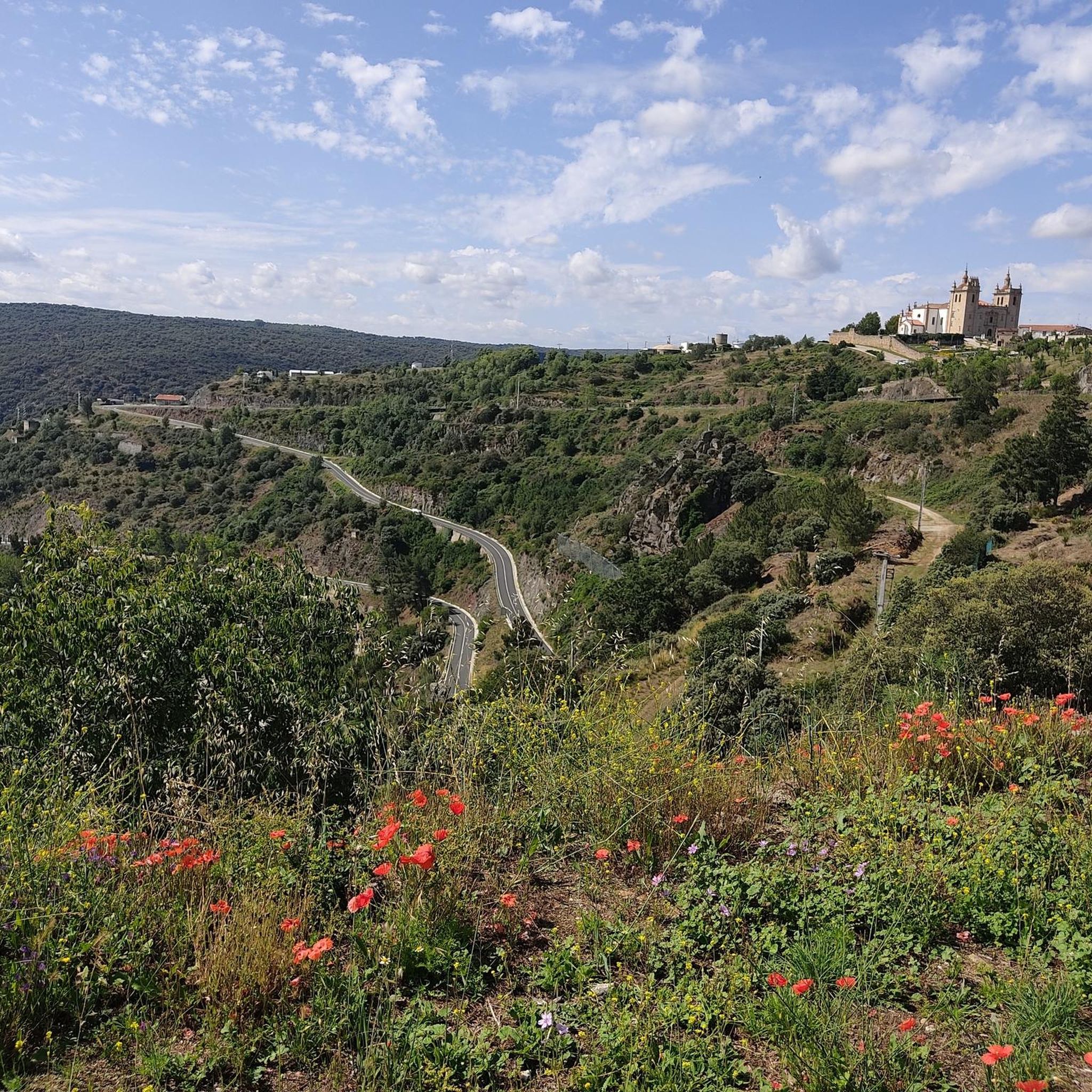
Mirador do Penedo Amarelo. It is located on Rua do Penedo Amarelo, in the urban area of Miranda do Douro. It offers wide panoramic views of the Douro River surrounded by green hills, the dam, the historic center and the co-cathedral of Miranda do Douro. It is one of the most outstanding urban viewpoints in the area.
3
0
The Hermitage of the Virgen del Castillo in Fariza, Zamora, is a place of great historical, spiritual, and scenic value, nestled in the heart of the Arribes del Duero Natural Park. It sits atop a hill, offering spectacular views of the Duero canyon, right on the natural border between Spain and Portugal. Nearby is the Mirador de la Virgen del Castillo, considered one of the most beautiful in the Arribes.
1
0
The Mirador de las Barrancas, located in Fariza, in the province of Zamora, is one of the most spectacular spots in the Arribes del Duero Natural Park. It offers stunning views of the Duero River canyon, which marks the natural border between Spain and Portugal. A granite landscape with unique rock formations and a microclimate that favors Mediterranean crops such as olive trees, vineyards, and almond trees. Spot birds of prey, such as the griffon vulture and the golden eagle, which are very common in the area.
1
0

The first bishops of Miranda had to live in the Castle. It was only in 1601 that construction began on the Episcopal Palace and the Seminary. When it was completed, more than a century later, its opulence was no less than that of the Cathedral, whose Renaissance style it imitated. The Palace was built around a central courtyard, surrounded by a cloister with lowered arcades, on monolithic columns. And, although badly damaged by successive fires during the 17th and 18th centuries, it was the definitive transfer of the seat of the Diocese to Bragança, in 1780, that caused it to fall into rapid ruin. The shadow of its monumentality can still be seen today in the cloister and on the portico of the Seminary. However, despite its state of ruin, its symbolic power remains because the bishops always continued to engrave their names on the respective memorial, at the entrance to the Renaissance portico of the first Episcopal Palace of the Diocese.
2
1
The castle of Miranda do Douro was built during a second period of settlement and ordering in Trás-os-Montes, which occurred during the reign of King Dinis. The first kings had provided this vast region with administrative units protected by Romanesque castles, called Terras, whose mission was to establish royal authority in an area of the kingdom that was notoriously peripheral. Over time, this power structure proved to be inadequate and King Afonso III initiated a different policy, the most visible of which was the founding of new urban towns. In the territory of Miranda do Douro, the new town was founded by King Dinis in 1286, thus culminating in the transfer of power from the old castle of Algoso, which had been the capital of the land until that date.
1
1

This beautiful viewpoint is located in the urban centre of Miranda do Douro, at the end of the street closest to the river, specifically on the street of the same name.
0
1
Beautiful views of the Duero and its Arribes.
1
0
The Episcopal Palace, where the Bishop of Miranda do Douro resided, was once an imposing construction. Today, only the arches of the old cloister remain, which have been integrated into a garden area ideal for strolling and relaxing. The Co-Cathedral, also known as the Sé de Miranda do Douro, was built in the 16th century and served as a cathedral until 1780, when the episcopal seat was moved to Braganza. This building stands out for its Renaissance architecture and its impressive Baroque altarpiece. It also houses a locally beloved figure, the Menino Jesus da Cartolinha.
10
0
Frequently Asked Questions
What do visitors enjoy most about the attractions around Malhadas?
Visitors particularly appreciate the panoramic views, historical significance, and the blend of cultural heritage with natural landscapes. Highlights like the Yellow Rock Viewpoint are praised for their stunning vistas of the Douro River and the historic center of Miranda do Douro. The historical sites, such as The ruin (Miranda do Douro Castle), are valued for their architectural history and strategic locations.
Are there historical sites to visit in Malhadas and its surroundings?
Yes, Malhadas is rich in history. You can explore the 13th-century Church of Nuestra Señora de la Expectación, the Monumental Granite Cross, and evidence of ancient settlements like the Fort known as Marmolina. Nearby, in Miranda do Douro, you'll find The ruin (a castle built in 1287) and The monastery, which was once the Episcopal Palace and now features preserved cloister arches.
What natural features or viewpoints can I explore near Malhadas?
The region offers several impressive natural viewpoints. The Yellow Rock Viewpoint in Miranda do Douro provides extensive views of the Douro River and its dam. Other notable spots include the Hermitage of the Virgen del Castillo and Barrancas Viewpoint and the Mirador de las Barrancas, both offering spectacular views of the Duero canyon and its unique rock formations.
Are there family-friendly attractions around Malhadas?
Many of the viewpoints, such as the Yellow Rock Viewpoint, are considered family-friendly and offer accessible ways to enjoy the scenic beauty. Exploring the historical sites like the castle ruins in Miranda do Douro can also be an engaging activity for families. The Parque Urbano do Rio Fresno is another option for a relaxed outdoor experience.
What outdoor activities can I do near Malhadas?
The area around Malhadas is excellent for outdoor enthusiasts. You can enjoy various activities including hiking and road cycling. For detailed routes, check out the guides for Hiking around Malhadas and Road Cycling Routes around Malhadas. An Arribes Environmental Cruise is also an option for exploring the natural environment by water.
Are there hiking trails suitable for beginners around Malhadas?
Yes, there are easy hiking options available. For instance, the 'The monastery – The ruin loop from Miranda do Douro' is an easy 3.5 km trail. You can find more beginner-friendly routes in the Easy hikes around Malhadas guide, which also includes the 'Traditional Dovecote – São João das Arribas Viewpoint loop'.
Can I find dog-friendly walking routes near Malhadas?
While specific dog-friendly routes aren't explicitly listed, many of the hiking trails and natural areas around Malhadas, especially those in the Hiking around Malhadas guide, are generally suitable for walks with dogs, provided they are kept on a leash and local regulations are followed. The open landscapes and viewpoints offer great opportunities for walks.
How much time should I allocate to visit the attractions around Malhadas?
The time needed varies depending on your interests. For a quick visit to a viewpoint like Yellow Rock Viewpoint, 30 minutes might suffice. Exploring historical sites like The ruin and The monastery in Miranda do Douro could take a few hours. If you plan to combine sightseeing with hiking or cycling, a full day or even a weekend would allow for a more comprehensive experience.
What is the significance of Malhadas as a historical settlement?
Malhadas is recognized as one of the most significant villages in its region, with historical roots dating back to the 12th century. It features important landmarks such as the Church of Nuestra Señora de la Expectación, believed to be from the 13th century, and the Monumental Granite Cross, which stands on a crucial historical road. Evidence of ancient settlements like the Fort known as Marmolina further highlights its long history.
How does Malhadas connect to the wider Miranda do Douro region?
Malhadas is a civil parish within the municipality of Miranda do Douro. This connection means visitors to Malhadas can easily access the broader attractions of Miranda do Douro, including its Co-cathedral, Castle, the International Biological Station DueroDouro, and the Museum of Terra de Miranda. The region as a whole is known for its blend of cultural heritage and natural beauty, particularly along the Douro River.
Where can I experience scenic views of the Douro River near Malhadas?
Several viewpoints offer spectacular views of the Douro River. The Yellow Rock Viewpoint in Miranda do Douro is a prime spot. Additionally, the Hermitage of the Virgen del Castillo and Barrancas Viewpoint and Mirador de las Barrancas provide stunning vistas of the Duero canyon, which forms the natural border between Spain and Portugal.
Are there opportunities to see wildlife around Malhadas?
Yes, particularly around the viewpoints overlooking the Duero canyon. The Mirador de las Barrancas is noted for its rich birdlife, including black storks, Egyptian vultures, griffon vultures, golden eagles, and peregrine falcons, which nest in the area. The natural park setting provides a habitat for various species.
Most popular routes around Malhadas
Most popular attractions around Malhadas

Get inspired with the komoot mobile app


Explore more
Still not found the Highlight you’re looking for? See guides of the top attractions in other regions:
