The best walks and hikes around Mós
4.6
(41)
192
hikers
5
hikes
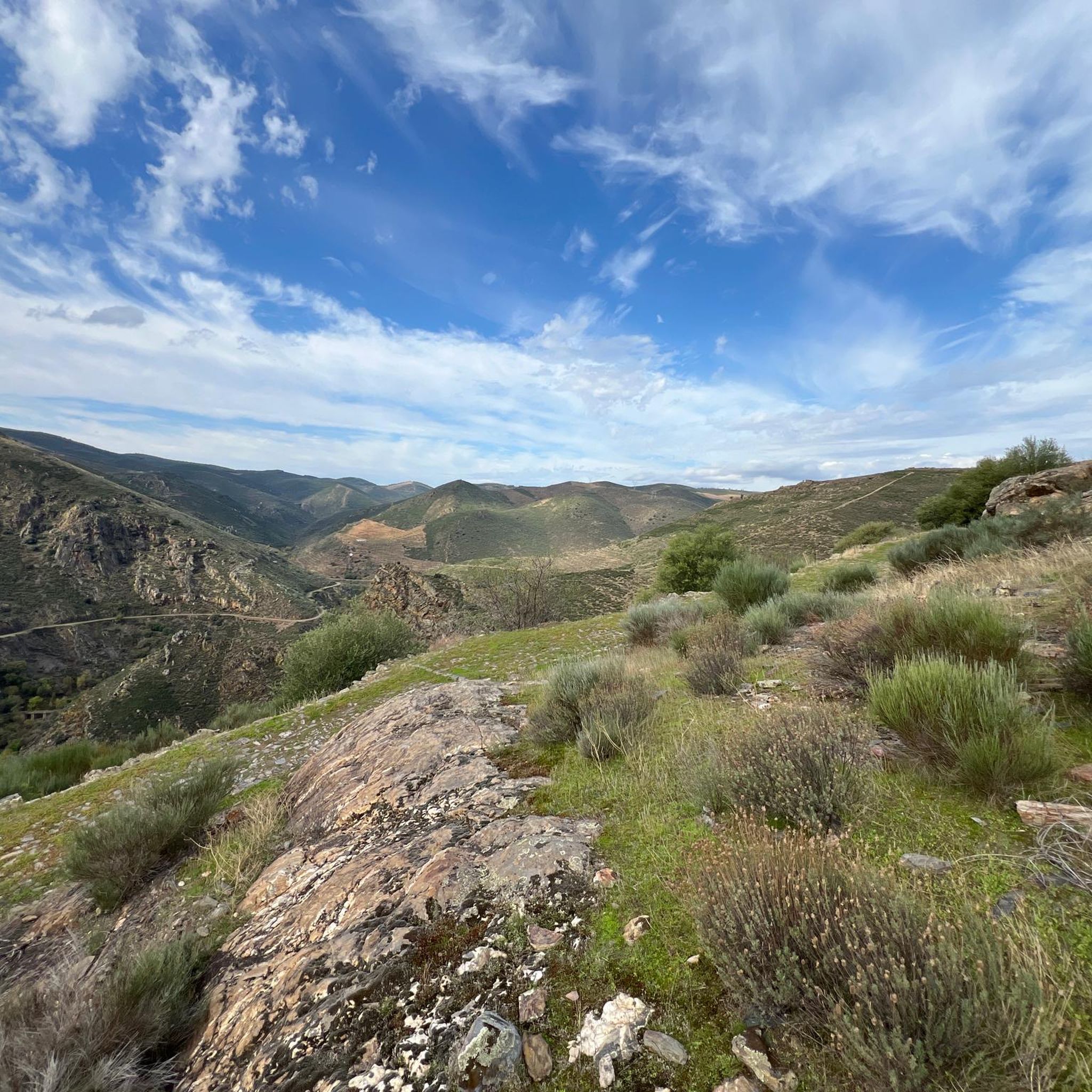
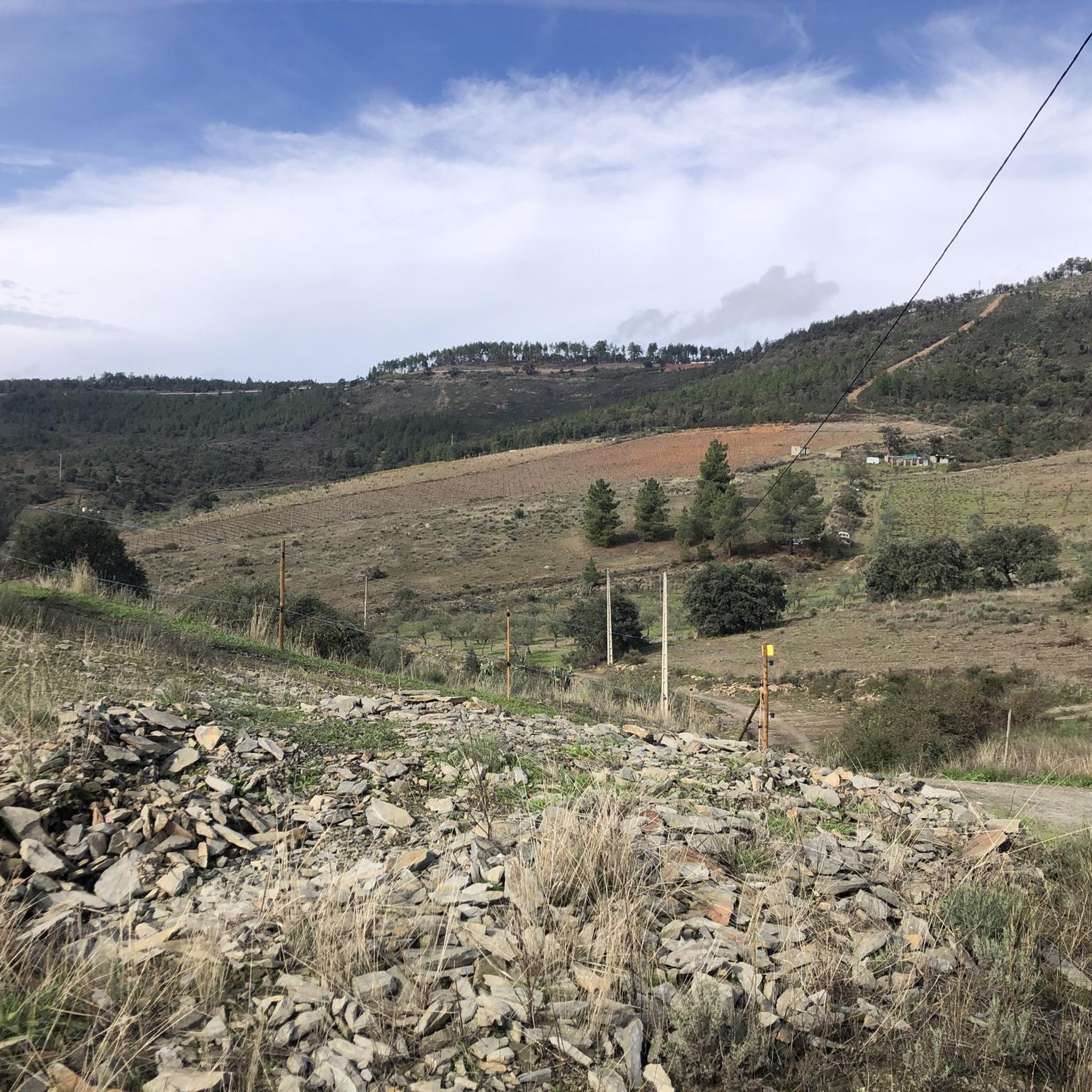
Hiking around Mós offers trails primarily within or near the Parque Natural do Douro Internacional, characterized by deep river valleys, rugged terrain, and Mediterranean vegetation. The landscape features steep slopes descending to the Douro River and its tributaries, with a mix of agricultural land and natural forests. Elevation changes are common, providing varied hiking experiences.
Best hiking trails around Mós
- The most popular hiking route is Vale da Ribeira do Mosteiro (PR 1) — Parque Natural do Douro Internacional,…
Last updated: June 17, 2026
4.9
(20)
54
hikers
Moderate hike. Good fitness required. Easily-accessible paths. Suitable for all skill levels.
4.4
(5)
15
hikers
Moderate hike. Good fitness required. Easily-accessible paths. Suitable for all skill levels.

Sign up for free
8
hikers
9.58km
02:49
270m
270m
Moderate hike. Good fitness required. Easily-accessible paths. Suitable for all skill levels.
4.3
(3)
6
hikers
9.54km
02:56
350m
350m
Moderate hike. Good fitness required. Easily-accessible paths. Suitable for all skill levels.
5.0
(1)
3
hikers
13.1km
04:06
520m
520m
Moderate hike. Good fitness required. Easily-accessible paths. Suitable for all skill levels.
Our route recommendations are based on thousands of hikes, rides, and runs completed by other people on komoot.
Start today with a free account
Your next adventure awaits.
Login or Signup
Popular around Mós

Tips from the Community

The bridge was designed and built in 1955 by the renowned Portuguese engineer Edgar Cardoso. It is considered the first motorway bridge in the Portuguese section of the Douro River and is a concrete arch bridge with a length of approximately 300 meters. It is named after the Portuguese naval officer and colonial administrator Almirante Manuel Maria Sarmento Rodrigues, who served as governor of Guinea and Mozambique under the Salazar dictatorship and later became Minister of Colonies.
1
0
When it was closed in 1985, the region lost its direct connection; the bridge fell into disrepair for decades and was inaccessible for a long time. Only in recent years has the entire route been reopened to hikers and visitors as the "Camino de Hierro" (Iron Way). Crossing the bridge offers spectacular views of the Águeda Gorge and the terraced landscapes of olive, almond, and vineyards. Today, it is an industrial monument and also a tourist highlight in the Arribes del Duero Natural Park.
1
0
The bridge was built as an iron truss structure following the French school's model (inspired by Gustave Eiffel) and spans the deeply cut Río Águeda, approximately 250 meters long and about 20 meters high above the river. The supporting structure consists of riveted steel girders resting on massive stone piers. It was part of the cross-border connection between Spain and Portugal, connecting Salamanca to Porto. Due to its challenging topography—gorges, steep mountain slopes, and narrow valleys—the line was considered one of the most spectacular railway lines in Europe, with a total of 20 tunnels and 13 bridges, of which the Águeda Bridge was the most famous. It served as the gateway to the La Fregeneda–Barca d'Alva border station, where the crossing into Portugal took place.
1
0
The former railway bridge over the Río Águeda near La Fregeneda is one of the most impressive structures on the disused La Fuente de San Esteban – Barca d’Alva railway line (opened in 1887, closed in 1985).
1
0
San Martín was a village in the municipality of La Fregeneda (Salamanca Province) on the Águeda River, directly on the border with Portugal, which was abandoned. Starting in the mid-20th century, as in many peripheral areas, a strong rural exodus began here. This was exacerbated by the closure of the cross-border railway line La Fuente de San Esteban – Barca d'Alva (a spectacular route with 20 tunnels and seven bridges along the Águeda River). After its closure, the area lost infrastructure and jobs, and the remote hamlets were abandoned.
1
0

The Ponte de Santa bridge stretches over the Ribeira do Mosteiro. Beneath it, amidst the whispering water and the gentle warmth of the sun, you can rest on one of the large stone slabs that are spread out there, as if they were made to welcome travelers in need of rest. The scenery around you is pure enchantment: the schist slopes are torn apart by impressive quartzite outcrops that burst from the earth, erected in almost sculptural forms, a geological spectacle that is as intriguing as it is beautiful.
2
0
The Calçada de Alpajares winds through the landscape as a testament to times gone by: a medieval path, perhaps forged during the era of the first dynasty. For centuries, it was a very important route, especially until the beginning of the 20th century, before the Estado Novo roads redesigned the country's routes. This ancient route linked the north, the lands of Miranda, to the south, the Ribacôa region. Its original course approached the Douro River, descending to Freixo de Espada à Cinta, before heading along the slopes of the Poiares mountain range towards the village that shares the same name.
2
0
This place holds ancient memories, with remains dating back to the Bronze Age, with fragments of pottery that reveal human presence since ancient times. But the story did not end there: occupation extended into the Iron Age and continued during Roman rule. The ancient defensive walls of Castro de São Paulo, now almost gone, were worn down by time or transformed into terraces by the hands of farmers who, over the centuries, shaped the landscape to suit their needs.
3
0
Frequently Asked Questions
How many hiking trails are available around Mós?
There are over 5 hiking routes available around Mós, primarily within or near the Parque Natural do Douro Internacional. These trails offer a range of experiences, from easy strolls to more challenging moderate hikes.
What is the typical terrain and difficulty level for hiking in Mós?
Hiking in Mós is characterized by deep river valleys, rugged hills, and Mediterranean vegetation. You can expect significant elevation changes, especially on trails descending to the Douro River. The routes are generally rated as moderate, though there is at least one easy option available for those seeking a less strenuous experience.
Are there any circular hiking routes in Mós?
Yes, several circular routes are available. For example, the Hiking loop from Freixo de Espada à Cinta offers varied terrain with views of the Douro Internacional Natural Park. Another option is the Barca d'Alva – Vega Terrón River Port loop from Antiga estação de Barca d'Alva, which follows the Douro River.
What do other hikers say about the trails in Mós?
The trails in Mós are highly rated by the komoot community, with an average score of 4.5 stars from over 40 reviews. Hikers often praise the stunning views of the Douro River and the natural beauty of the Parque Natural do Douro Internacional.
What natural features or landmarks can I expect to see while hiking in Mós?
While hiking in Mós, you'll encounter the dramatic landscapes of the Parque Natural do Douro Internacional, known for its deep river valleys and rugged terrain. Notable natural features include the Douro River itself, and you can find excellent vistas from spots like the Carrascalinho Viewpoint and Mazouco.
Are there any historical or cultural points of interest near the hiking trails?
Yes, there are several points of interest. You can visit the historic settlement of Barca d'Alva, or see the Ponte Almirante Sarmento Rodrigues. The area also features the Castro de São Paulo, an ancient historical site, and the Ponte de Santa over the Ribeira do Mosteiro.
Which trails offer the best viewpoints of the Douro Internacional Natural Park?
Many trails in the region offer spectacular views. The Vale da Ribeira do Mosteiro (PR 1) route, with its significant elevation gain, provides panoramic vistas of the valley. Additionally, the Hiking loop from Freixo de Espada à Cinta also offers great views of the Douro Internacional Natural Park.
Are there any easy hiking routes suitable for beginners or families in Mós?
Yes, for those seeking an easier experience, the Hiking loop from Barca d'Alva is classified as easy. It's a shorter route with minimal elevation gain, making it a good option for beginners or families looking for a gentle walk.
What is the best time of year to go hiking in Mós?
The region around Mós, part of the Parque Natural do Douro Internacional, experiences a Mediterranean climate. Spring and autumn are generally ideal for hiking, offering pleasant temperatures and vibrant landscapes. Summers can be hot, especially in the deep river valleys, while winters are milder but can bring some rain.
Are there options for public transport to reach the trailheads in Mós?
Information on specific public transport options directly to all trailheads in Mós is limited. It is advisable to check local bus schedules or consider driving, as many trails are located within the natural park where public transport might be less frequent. Parking is generally available near popular starting points.
Can I bring my dog on the hiking trails in Mós?
While many natural parks in Portugal are generally dog-friendly, it's always recommended to keep your dog on a leash, especially in protected areas like the Parque Natural do Douro Internacional, to protect local wildlife and ensure the safety of other hikers. Please check specific trail regulations for any restrictions.
What kind of vegetation and wildlife can I observe in the Mós hiking area?
The Mós hiking area, within the Parque Natural do Douro Internacional, is characterized by Mediterranean vegetation, including agricultural land, olive groves, and natural forests with oaks, cork oaks, pines, and eucalyptus. The park is also known for its rich biodiversity, particularly its birdlife, including various raptor species.
Most popular routes around Mós
Most popular attractions around Mós

Get inspired with the komoot mobile app


Explore more
Browse the best Hikes in other regions.
