Attractions and Places To See around Castelo Branco - Top 6
Best attractions and places to see around Castelo Branco include a diverse array of historic landmarks, cultural institutions, and natural features. This central Portuguese city offers a rich cultural heritage and natural beauty. Visitors can explore sites ranging from medieval castles to baroque gardens and significant museums. The region provides a variety of experiences for those interested in history, culture, and outdoor exploration.
Best attractions and places to see around Castelo Branco
- The most popular attractions is Gardens of the…
Last updated: October 18, 2026
Gardens of the Episcopal Palace of Castelo Branco
Highlight • Historical Site
Translated by Google •
Tip by

Castle of the Templars of Castelo Branco
Highlight • Castle
Translated by Google •
Tip by
Sign up now to discover places like this
Get recommendations on the best single tracks, peaks, & plenty of other exciting outdoor places.
São Gens Viewpoint
Highlight • Viewpoint
It is located on Rua da Piscina, …
Translated by Google •
Tip by
Cedillo Dam
Highlight • Structure
Translated by Google •
Tip by
Cedillo
Highlight • Settlement
Translated by Google •
Tip by

Sign up for free to discover even more attractions around Castelo Branco.
Already have an account?
Start today with a free account
Your next adventure awaits.

Tips from the Community

From the viewpoint you can see: The historic center of Castelo Branco, The São Águeda Reservoir (Marateca), The southern foothills of the Serra da Gardunha, The Serra da Estrela and Monte de São Martinho, On clear days, even the border with Spain (“a Raia”).
4
0
The Miradouro de São Gens, in Castelo Branco, Portugal, is a panoramic viewpoint that stands out for both its location and its history: It is located on Rua da Piscina, near Castelo Branco Castle, just 100–120 meters from the Church of Santa Maria do Castelo. Inaugurated in 1941, its structure was originally designed to conceal water tanks, and was later restored as part of the Polis program. Surrounded by flower gardens, benches, and shaded areas, it encourages rest and contemplation.
4
0
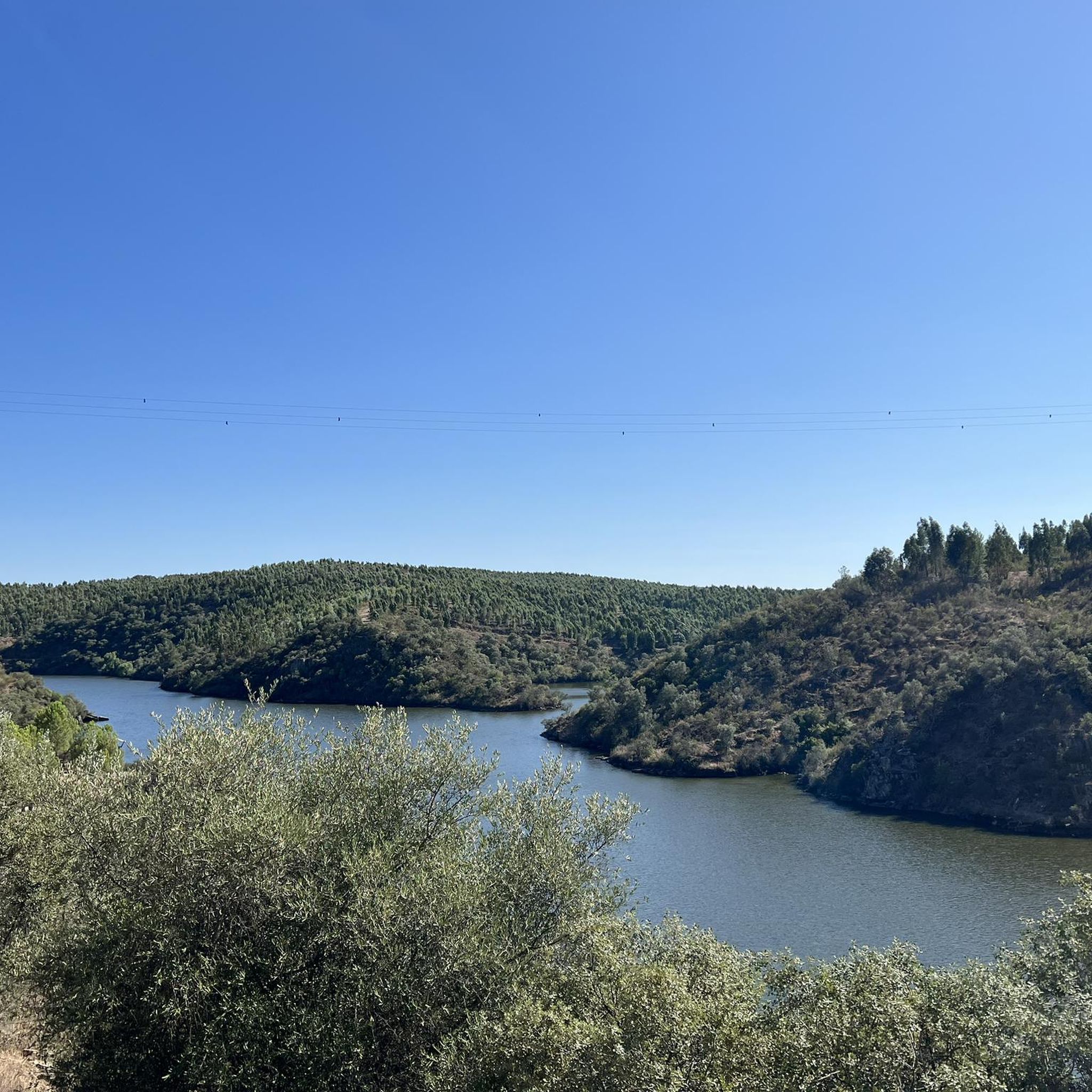
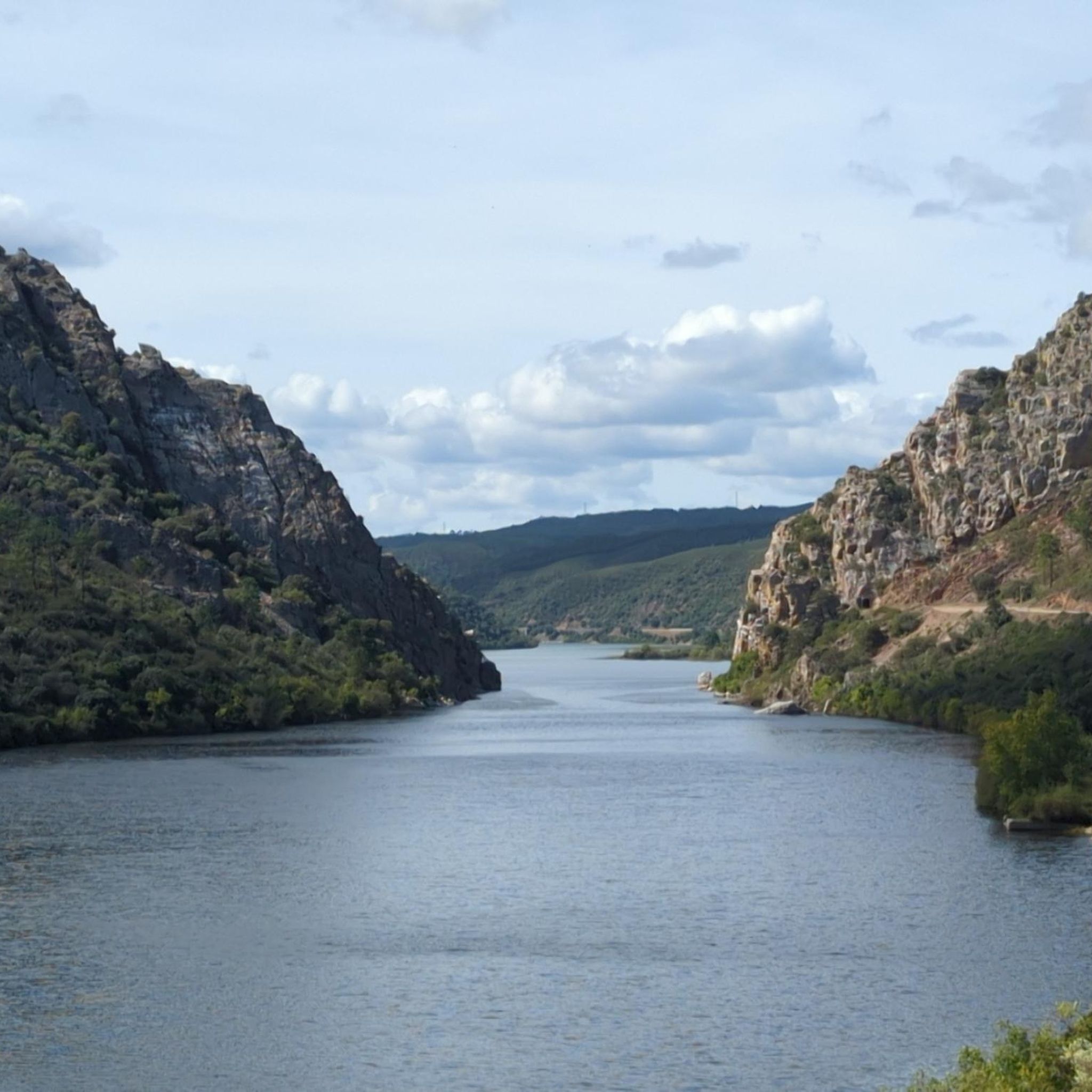
The Cedillo Dam is a hydroelectric facility located on the international stretch of the Tagus River, right on the border between Spain and Portugal, in the municipality of Cedillo (Cáceres). It is part of the Tagus International Natural Park, declared in 2000 (Portugal) and 2006 (Spain), which protects its ecological environment.
6
0

At the moment construction site at least one could visit part of the park
4
0
The Igreja de Santa Maria do Castelo is located within the perimeter of the castle in Tavira, Algarve, Portugal. This church was built in the 13th century on the remains of an Arab mosque. Castelo Branco Castle, also known as the Templar Castle, is a medieval fortress located in the town of Castelo Branco. It was built between 1214 and 1230 by the Order of the Temple.
12
0
The Episcopal Palace Gardens in Castelo Branco, Portugal, are a magnificent example of the Baroque style in the country. These gardens were commissioned by the Bishop of Guarda, D. João de Mendonça, in the 18th century. These gardens are ideal for a romantic visit or a family outing.
9
0

Only remnants remain, but a beautiful view from above and beautifully illuminated in the evening
4
0

The Cedillo dam marks the point where the Tagus River passes from Spanish to Portuguese territory. It is located within the term of the natural park of the International Tagus. The Tagus Nature Trail ends right at this point.
2
0
Frequently Asked Questions
What historical landmarks can I explore in Castelo Branco?
Castelo Branco is rich in history. You can visit the Castle of the Templars of Castelo Branco, a 13th-century fortress offering commanding city views. The city also features the impressive Castelo Branco Cathedral, originally from the 13th century, and well-preserved 15th-century doorways in its historic quarter, reflecting the wealth of past traders.
Are there any notable gardens or parks to visit in Castelo Branco?
Yes, the city is home to the lavish Gardens of the Episcopal Palace of Castelo Branco, a National Monument renowned for its intricate Baroque design, fountains, and unique statues. Additionally, Parque da Cidade, formerly the Bishop's Palace kitchen gardens, offers a pleasant leisure space with water features and retained vegetable gardens. Barrocal Park is also considered a top attraction.
What cultural institutions are there in Castelo Branco?
Castelo Branco offers several significant cultural sites. The Francisco Tavares Proença Júnior Museum, housed in the former Bishop's Palace, displays art, artifacts, and the famous Castelo Branco embroideries. You can also visit the Cargaleiro Museum, dedicated to the works of a renowned Portuguese painter, and the modern Centre for Contemporary Culture (CCCB) for challenging exhibitions. The House of Memory of Jewish Presence tells the story of the city's historic Jewish community.
Where can I find panoramic views of Castelo Branco and its surroundings?
For extensive panoramic views, head to São Gens Viewpoint. From here, you can see the historic center of Castelo Branco, the São Águeda Reservoir, the southern foothills of the Serra da Gardunha, and even the Serra da Estrela on clear days.
What natural attractions are there near Castelo Branco?
The region boasts several natural highlights. The Parque Natural do Tejo Internacional, bordering Spain, is ideal for hiking and bird watching. You can also visit the Portas de Ródão Natural Monument, known for its unique geological formations along the Tagus River. For a refreshing experience, the Penha Garcia Natural Swimming Pool and Waterfall offers a beautiful river bathing spot.
Are there opportunities for outdoor activities like hiking or cycling near Castelo Branco's attractions?
Absolutely. The area around Castelo Branco is excellent for outdoor enthusiasts. You can find various cycling routes, including touring and road cycling options, with different difficulty levels. For hikers, there are easy trails available. Explore options like the 'Bike loop from Castelo Branco' or 'Antigos Palheiros loop from Castelo Branco' by visiting our guides on Cycling around Castelo Branco, Road Cycling Routes around Castelo Branco, and Easy hikes around Castelo Branco.
What traditional crafts or unique local products can I discover in Castelo Branco?
Castelo Branco is particularly famous for its traditional embroideries. You can learn about this intricate craft and admire the hand-embroidered linen quilts at the Castelo Branco Embroidery Interpretation Centre. These colorful silk thread embroideries are a strong symbol of the city's identity and history.
Are there any historic villages worth visiting near Castelo Branco?
Yes, the region is home to picturesque historic villages. Monsanto, often called 'the most Portuguese village in Portugal,' is famous for its houses built amidst giant boulders and medieval castle ruins. Idanha-a-Velha is another historic hamlet featuring a castle and a cathedral, offering a true sense of time travel.
What is the best time of year to visit Castelo Branco for sightseeing?
Castelo Branco offers attractions year-round. For comfortable exploration of gardens, historical sites, and outdoor activities, spring (April-May) and autumn (September-October) generally provide pleasant weather. Summers can be hot, but the city's parks and natural swimming spots offer refreshing escapes.
What do visitors enjoy most about the attractions in Castelo Branco?
Visitors frequently appreciate the blend of history, culture, and natural beauty. The Baroque splendor of the Episcopal Palace Gardens and the historical significance of the Templar Castle are often highlighted. Many also enjoy the panoramic views from São Gens Viewpoint and the unique cultural insights offered by the museums and the embroidery center.
Are there any water attractions or wild swimming spots in the Castelo Branco area?
Beyond the Penha Garcia Natural Swimming Pool and Waterfall, the region around Castelo Branco is known for several water attractions. This includes six impressive dams like Barragem do Pisco and Barragem de Penha Garcia, as well as the breathtaking Cascata do Penedo Furado waterfall, offering opportunities for kayaking, fishing, and enjoying nature.
How accessible is Castelo Branco for visitors?
Castelo Branco is easily accessible, located approximately two hours from Lisbon. It can be reached by highway or train, making it convenient for day trips or longer stays. Once in the city, many key attractions are within reasonable proximity, and public transport options are available to reach various points of interest.
Most popular routes around Castelo Branco

Get inspired with the komoot mobile app


Explore more
Still not found the Highlight you’re looking for? See guides of the top attractions in other regions:
