Attractions and Places To See around Moura Da Serra - Top 17
Best attractions and places to see around Moura Da Serra include a variety of historical villages, natural monuments, and river beaches. This region in Portugal is characterized by its mountainous landscape, traditional shale architecture, and pristine waterways. Visitors can explore 17 distinct places, offering a blend of cultural heritage and natural beauty.
Best attractions and places to see around Moura Da Serra
- The most popular attractions is Historical Village of Piódão, a settlement that belongs to the network of…
Last updated: July 1, 2026
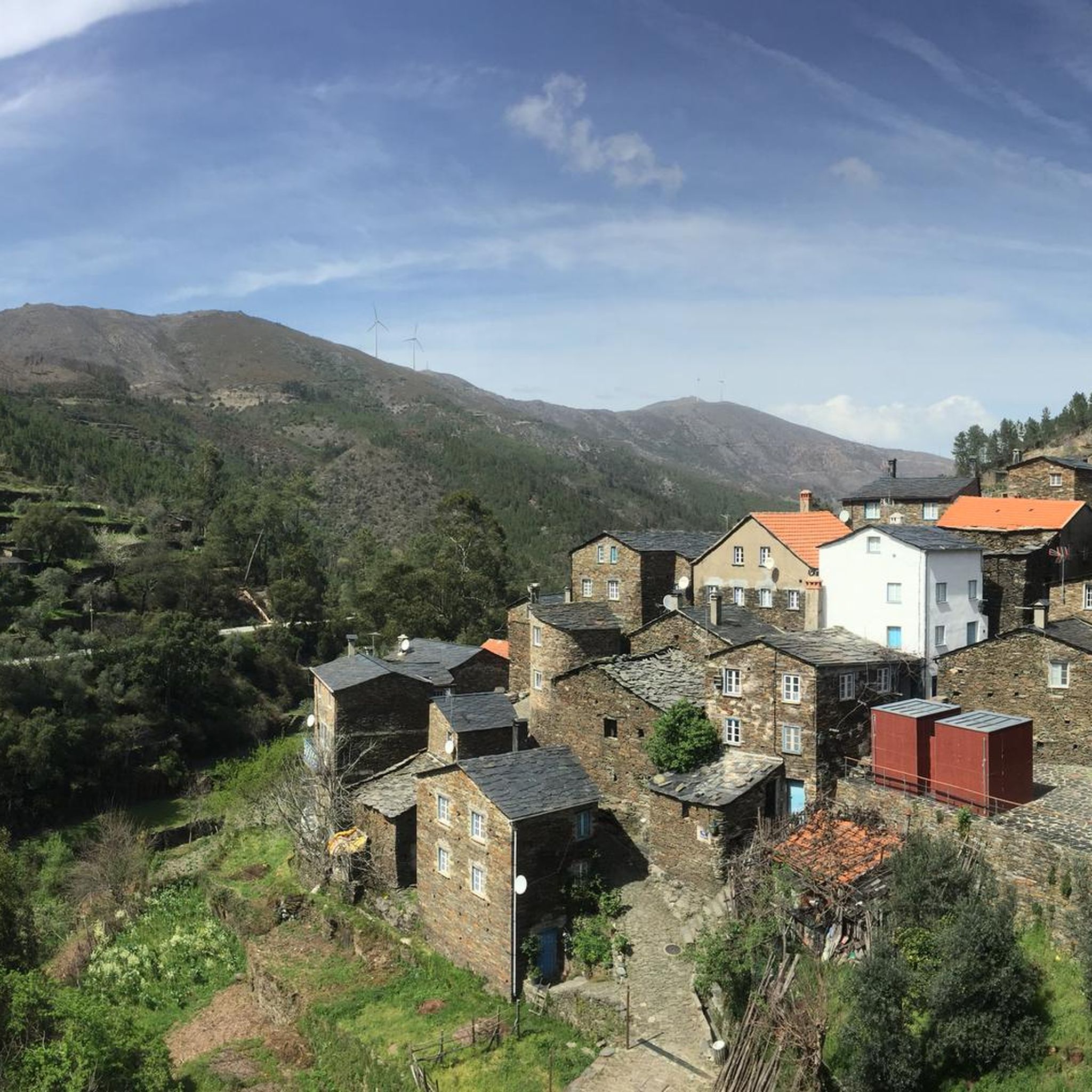
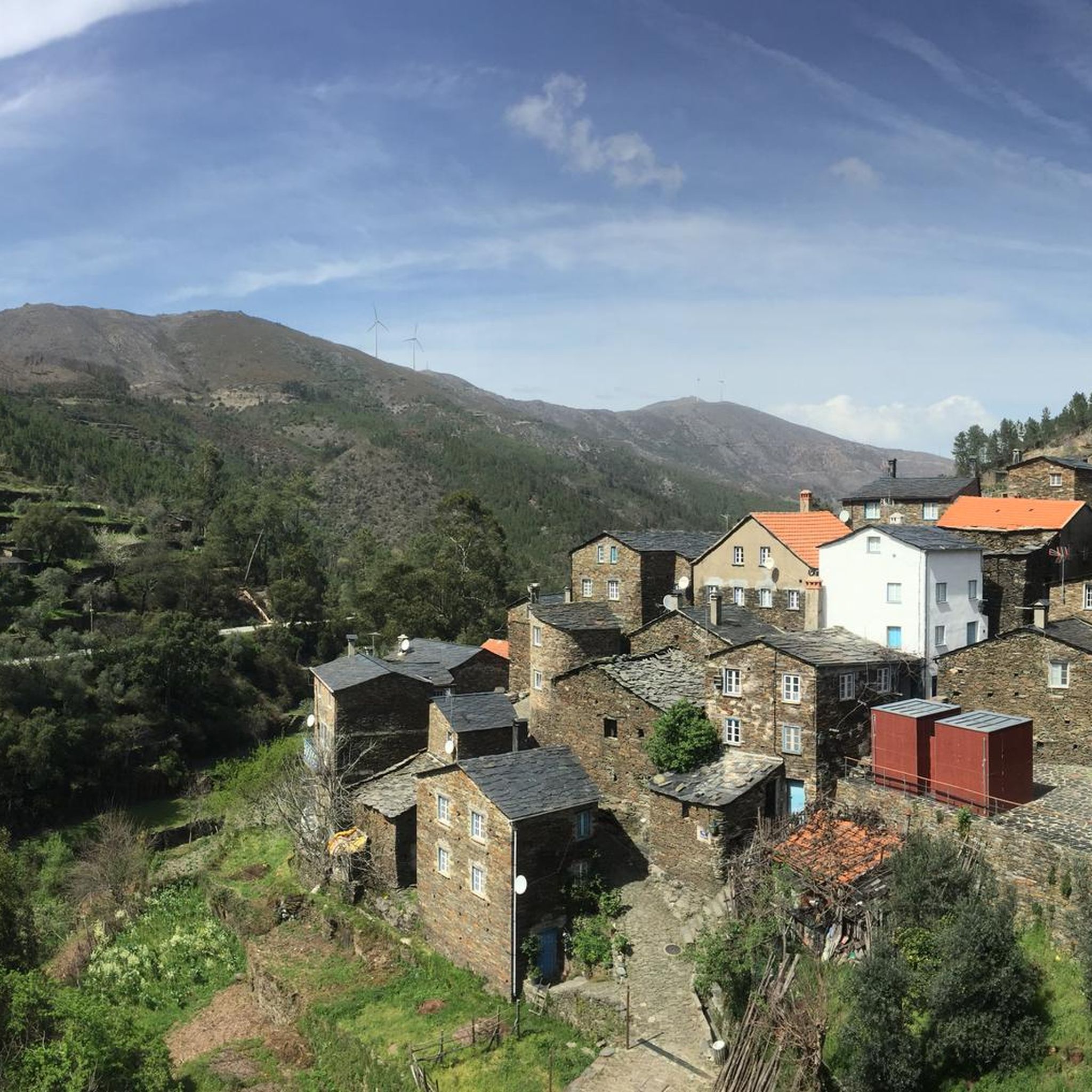
Historical Village of Piódão
Highlight • Settlement
The town (village) of Piódão, the urban center and the parish headquarters, has been classified as a Property of Public Interest since 1978.[3]
Pedestrian trails of extraordinary beauty.👍🥾🦯
Translated by Google •
Tip by

Foz d'Égua
Highlight • Beach
Translated by Google •
Tip by

Sign up now to discover places like this
Get recommendations on the best single tracks, peaks, & plenty of other exciting outdoor places.
Sign up for free
Fraga da Pena Waterfall
Highlight • Waterfall
Translated by Google •
Tip by
Chãs d'Égua Historical Village
Highlight • Historical Site
Translated by Google •
Tip by
Piódão Parish Church
Highlight • Religious Site
Translated by Google •
Tip by

Sign up for free to discover even more attractions around Moura Da Serra.
Sign up for free
Already have an account?
Start today with a free account
Your next adventure awaits.
Login or Signup
Tips from the Community

Both Piódão and Foz d'Égua are accessible by car. But it's worth hiking the trail that connects them. It takes about 45 minutes, downhill from Piódão to Foz d'Égua (remember that the return is a slight climb). It's worth crossing the restored suspension bridge in Foz d'Égua before returning to Piódão. The Foz d'Égua pool is a popular spot for a dip in its very cold waters. Dipping your feet in the icy water of the stream is always very pleasant after a hike, immersing yourself in nature. I did it and recommend it. 👍🥾
1
0
The Fraga da Pena Waterfall, located in the Serra do Açor Protected Landscape, is a geological feature crossed by the Barroca de Degraínhos, creating a series of successive waterfalls. The waterfall is 19 meters high. Along its banks are some ancient specimens of the Portuguese oak (Quercus robur) and the chestnut tree (Castanea sativa), as well as the strawberry tree (Arbutus unedo), the thorny Daphne gnidium, and the adernos (Phillyrea latifolia and P. angustifolia).
2
0
Piódão belongs to the network of Historic Villages of Portugal. The town (village) of Piódão, the urban center and the parish headquarters, has been classified as a Property of Public Interest since 1978.[3] Pedestrian trails of extraordinary beauty.👍🥾🦯
4
0

This area has been hit by a serious forest fire in recent weeks.
2
2

The church stands out in the village due to its contrast with the traditional houses. The interior altar is carved from gilded wood, and the walls are tiled. The mother church, dedicated to the Immaculate Conception, stands out from the small, two-story houses. Completely whitewashed and with its unique cylindrical buttresses, it was built by the locals in the 19th century using their own financial resources.
5
0
Piódão is a particularly well-preserved, historic village worth a visit. If you're looking for peace and quiet and enjoy hiking, you've come to the right place. Although the historic village of Piódão doesn't hold any particular significance in Portugal's history, it has recently become an increasingly popular tourist attraction, perhaps due to its beautiful location in the Serra do Açor.
5
2

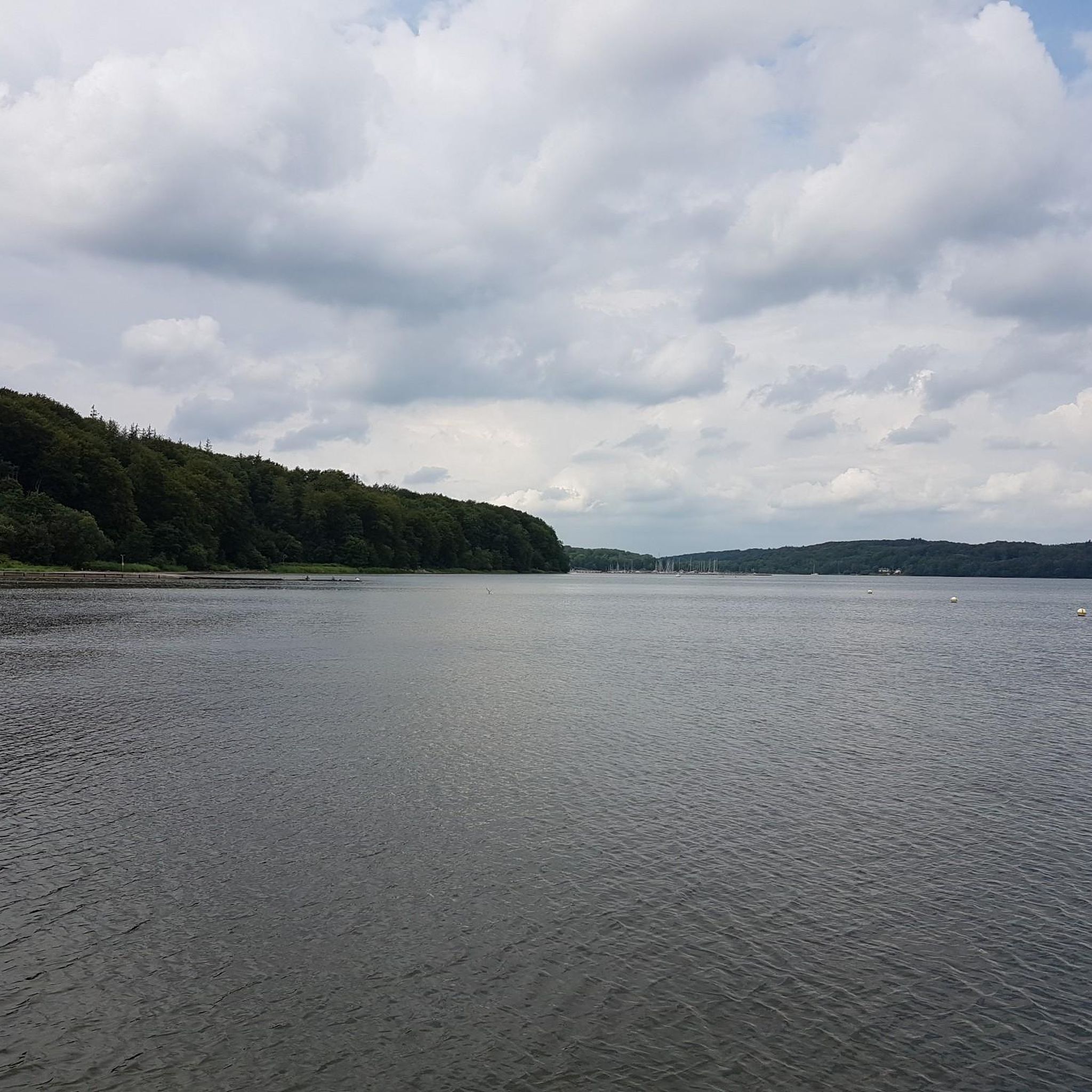
Nestled in the Açor mountains, near Piódão, the river beach of Foz d’Égua is an enchanted corner that comes alive in the summer. Where the Piódão and Chãs d’Égua streams meet, a natural pool is formed, surrounded by rustic bridges, old mills and shale everywhere.
3
0
In the heart of the protected landscape of the Serra do Açor, Fraga da Pena is a natural spectacle sculpted by time. The Barroca de Degraínhos creates a succession of waterfalls, culminating in an impressive 19-metre cascade that descends in crystal clear veils over the rock.
4
0
Frequently Asked Questions
What kind of natural attractions can I explore around Moura Da Serra?
The region offers stunning natural beauty, including the impressive Fraga da Pena Waterfall, a 19-meter cascade within the Serra do Açor Protected Landscape. You can also visit Foz d'Égua, a picturesque river beach with a natural pool where the Piódão and Chãs d’Égua streams meet.
Are there any historical villages to visit in the area?
Yes, Moura Da Serra is renowned for its historical villages. The most popular is the Historical Village of Piódão, famous for its slate houses and distinctive blue doors. Nearby, you can also explore Chãs d'Égua Historical Village, known for its ancient origins and significant rock art.
What outdoor activities are available near these attractions?
The area is perfect for outdoor enthusiasts. You can find numerous hiking trails, including an easy 2.4 km loop from Fraga da Pena Waterfall. For more options, explore the hiking routes around Moura Da Serra. Cycling and running trails are also available, with guides like Cycling around Moura Da Serra and Running Trails around Moura Da Serra offering various routes.
Are there family-friendly attractions around Moura Da Serra?
Absolutely! Both the Historical Village of Piódão and the river beach at Foz d'Égua are considered family-friendly. Piódão offers a unique cultural experience, while Foz d'Égua provides a natural pool for swimming and exploration, perfect for families during warmer months.
Where can I find a good viewpoint to appreciate the landscape?
For a classic panoramic view, head to the View of Piódão, which offers a stunning perspective of the slate village nestled in the mountains. The Fraga da Pena Waterfall and Foz d'Égua also offer beautiful scenic spots.
Can I go swimming in the area?
Yes, Foz d'Égua is a popular river beach with a natural pool, making it an ideal spot for wild swimming, especially during the summer. It's surrounded by rustic bridges and old mills, adding to its charm.
What is the best time to visit Moura Da Serra attractions?
The summer months are ideal for enjoying the river beaches and natural pools like Foz d'Égua. Spring and autumn offer pleasant temperatures for hiking and exploring the historical villages without the peak summer crowds. Winter can be cooler but offers a unique, tranquil experience of the mountain landscape.
Are there any easy hiking trails suitable for beginners?
Yes, there is an easy 2.4 km loop trail connecting the Fraga da Pena Waterfall to Pardieiros Village, starting from the Serra do Açor Protected Landscape. This trail is suitable for those looking for a less strenuous walk.
Where can I find parking when visiting attractions like Piódão?
For the Historical Village of Piódão, there is designated parking available outside the village, typically offering around 50 spaces. This allows visitors to explore the village on foot, preserving its unique atmosphere.
What makes the Historical Village of Piódão unique?
The Historical Village of Piódão is unique for its distinctive slate architecture, where houses and streets are built from the local stone, giving the village a characteristic dark color. This is beautifully contrasted by the vibrant blue of the windows and doors, a tradition said to have originated from the limited color choices available historically.
Are there any cafes or places to eat near the main attractions?
Yes, the Historical Village of Piódão has a restaurant and a small café located in the village square, providing convenient options for visitors to relax and refuel after exploring.
What is the significance of Chãs d'Égua Historical Village?
Chãs d'Égua Historical Village is significant for its rich archaeological heritage, boasting over 100 rocks engraved with cave art dating from the Neolithic to the Iron Age. It also hosts a Rock Art Interpretation Centre, making it a key site for understanding the region's prehistory.
Most popular routes around Moura Da Serra

Get inspired with the komoot mobile app


Explore more
Still not found the Highlight you’re looking for? See guides of the top attractions in other regions:
