The best road cycling routes around Gastern
4.7
(26)
1,116
riders
147
rides
Road cycling around Gastern features a landscape characterized by rolling hills and river valleys, providing varied terrain for cyclists. The region includes historical sites and cultural landmarks, often connected by routes that traverse agricultural areas and woodlands. Elevation gains on routes indicate a non-flat topography, offering moderate to challenging climbs. The area's road cycling routes often follow established paths, including sections of former railway lines.
Best road cycling routes around Gastern
- The most popular road cycling route is Drinking Water…
Last updated: July 2, 2026
4.6
(5)
190
riders
88.0km
04:04
1,030m
1,030m
Hard road ride. Very good fitness required. Some segments of this route may be unpaved and difficult to ride.
19
riders
77.6km
03:29
770m
770m
Moderate road ride. Good fitness required. Mostly well-paved surfaces and easy to ride.

Sign up for free
12
riders
46.3km
02:02
390m
390m
Moderate road ride. Good fitness required. Mostly well-paved surfaces and easy to ride.
10
riders
59.4km
02:45
590m
590m
Moderate road ride. Good fitness required. Some segments of this route may be unpaved and difficult to ride.
9
riders
Moderate road ride. Good fitness required. Some segments of this route may be unpaved and difficult to ride.
Get access to more routes and recommendations from other explorers.
Sign up for free
Already have an account?
Our route recommendations are based on thousands of hikes, rides, and runs completed by other people on komoot.
Start today with a free account
Your next adventure awaits.
Login or Signup

Tips from the Community

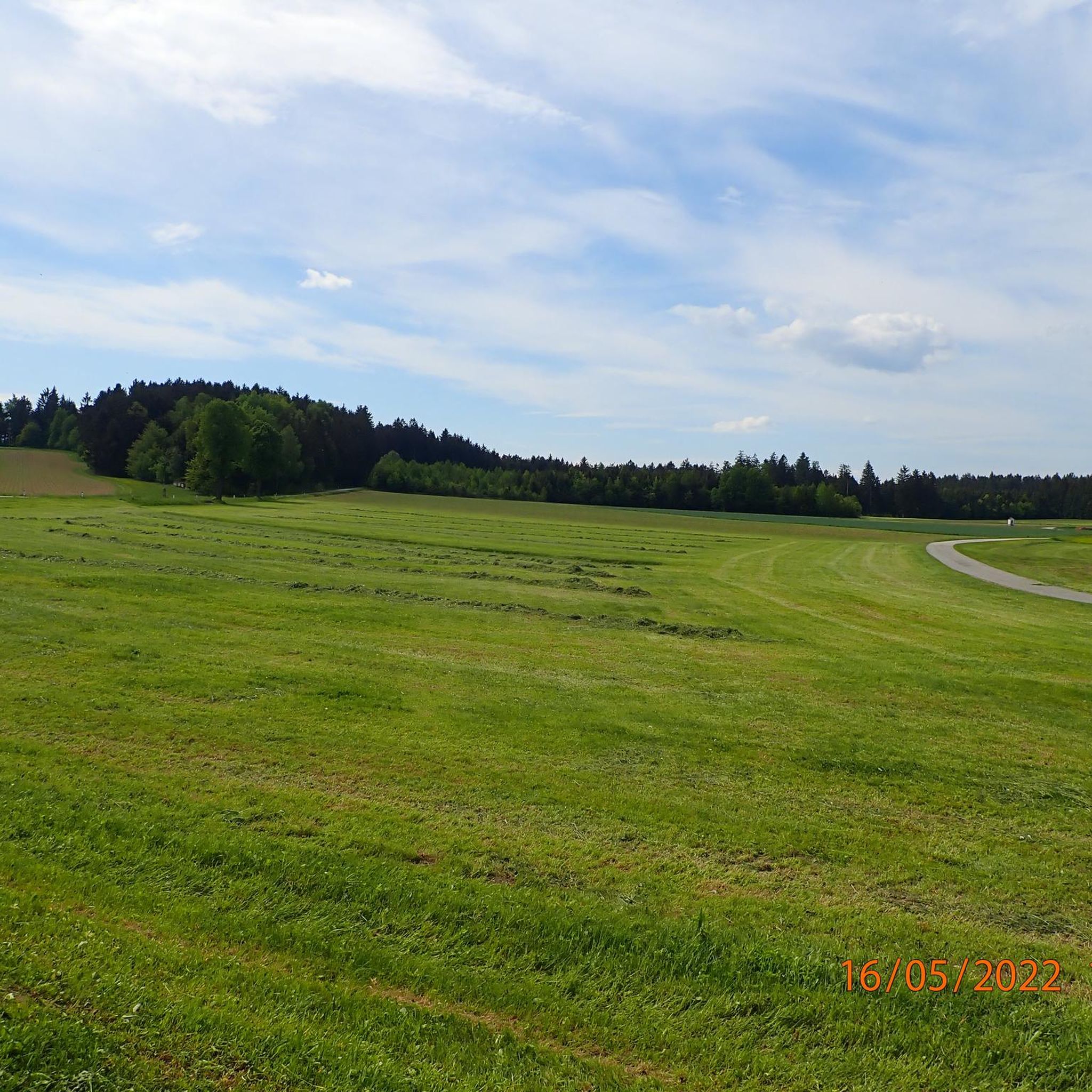
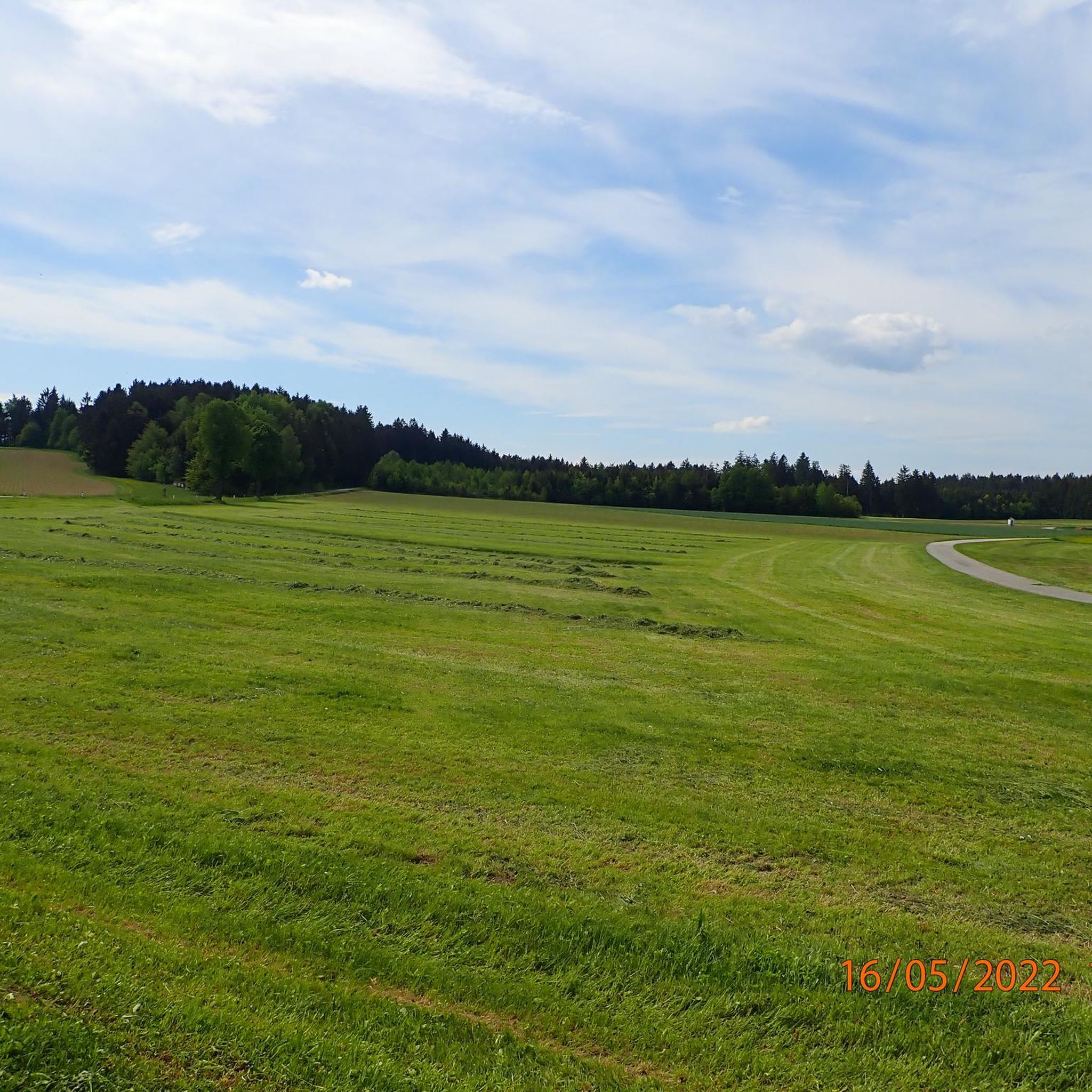
Right next to the chapel there is also a bench for a break. It is very quiet here, whereas down on the cycle path at the rest area it can be quite hectic.
0
0
You can also stay overnight here, even with breakfast if I remember correctly. Surely a nice experience for the whole family.
0
0
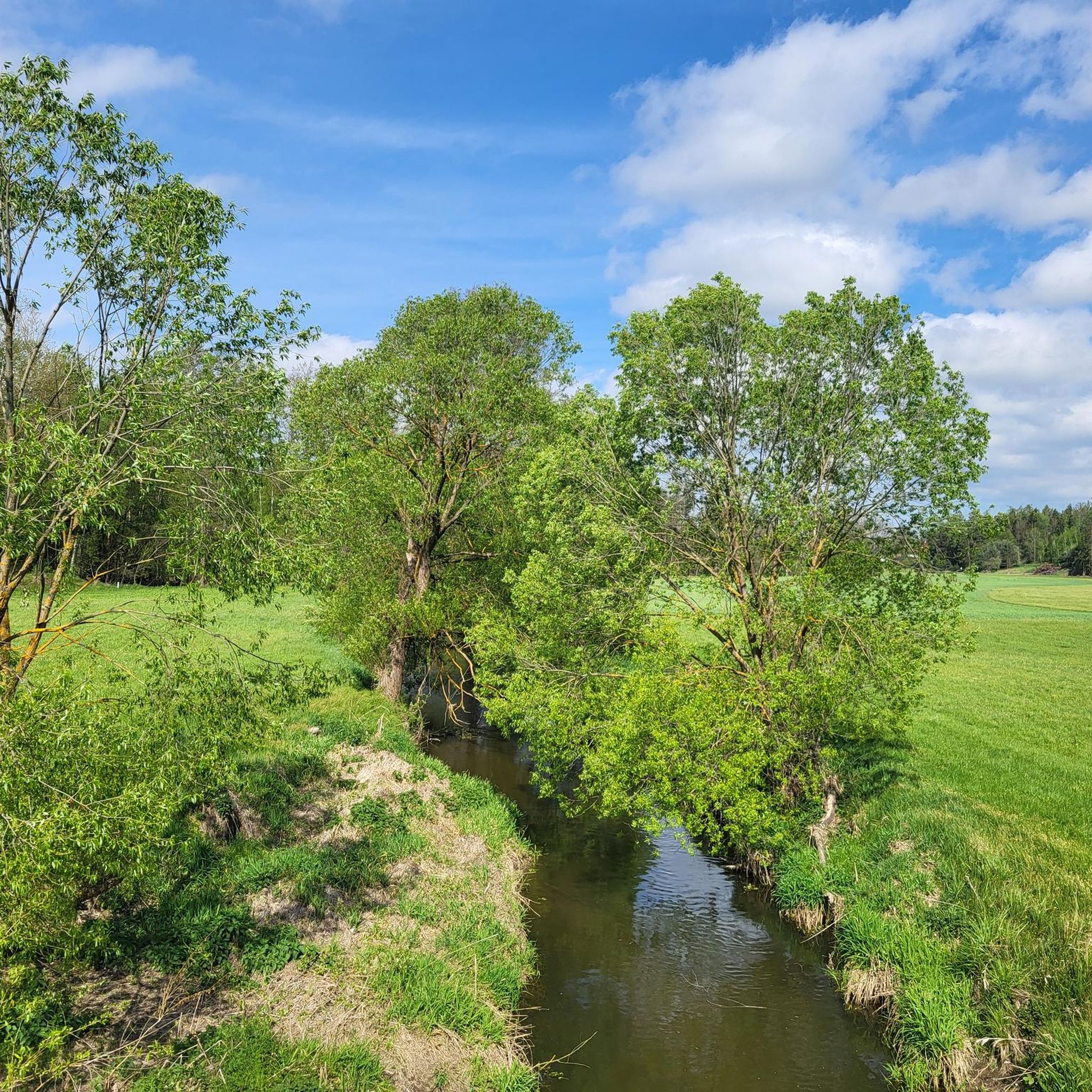
Lots of waterfowl but unfortunately nothing to sit on.
0
0

The local authorities succeeded in persuading the master artist Hundertwasser to design and construct a fountain in the main square. The presentation of the fountain model met with both widespread approval and vehement opposition from the residents of Zwettl. In 1994, the fountain, consisting of three main elements—the two fountain columns with basins and the pavilion—was unveiled to the public. Since then, it has been a popular meeting place in the heart of the town. Friedensreich Hundertwasser died in February 2000 at the age of 71.
0
0
Until the end of the 19th century, a monumental fountain stood in the middle of the main square, the terminus of Zwettl's oldest water supply system, dating back to the early 17th century; a place where the population gathered, not just to fetch water. A war memorial was erected here in 1925, and from the mid-20th century onward, the square in the heart of the town was primarily used as a park. In the early 1990s, the municipality of Zwettl decided to redesign the main square. The aim was to give the town an attractive central point once again and thus preserve the tradition of the old Zwettl main square for the present and future. Friedensreich Hundertwasser, born Friedrich Stowasser in 1928, had owned an old mill on the banks of the Kamp River above Zwettl since the 1970s.
0
0

Take a break at the main square in Waidhofen/Thaya. Enjoy a short stroll along the southern promenade or treat yourself to an ice cream or coffee at one of the pastry shops in Böhmgasse or Niederleutnerstraße.
0
0
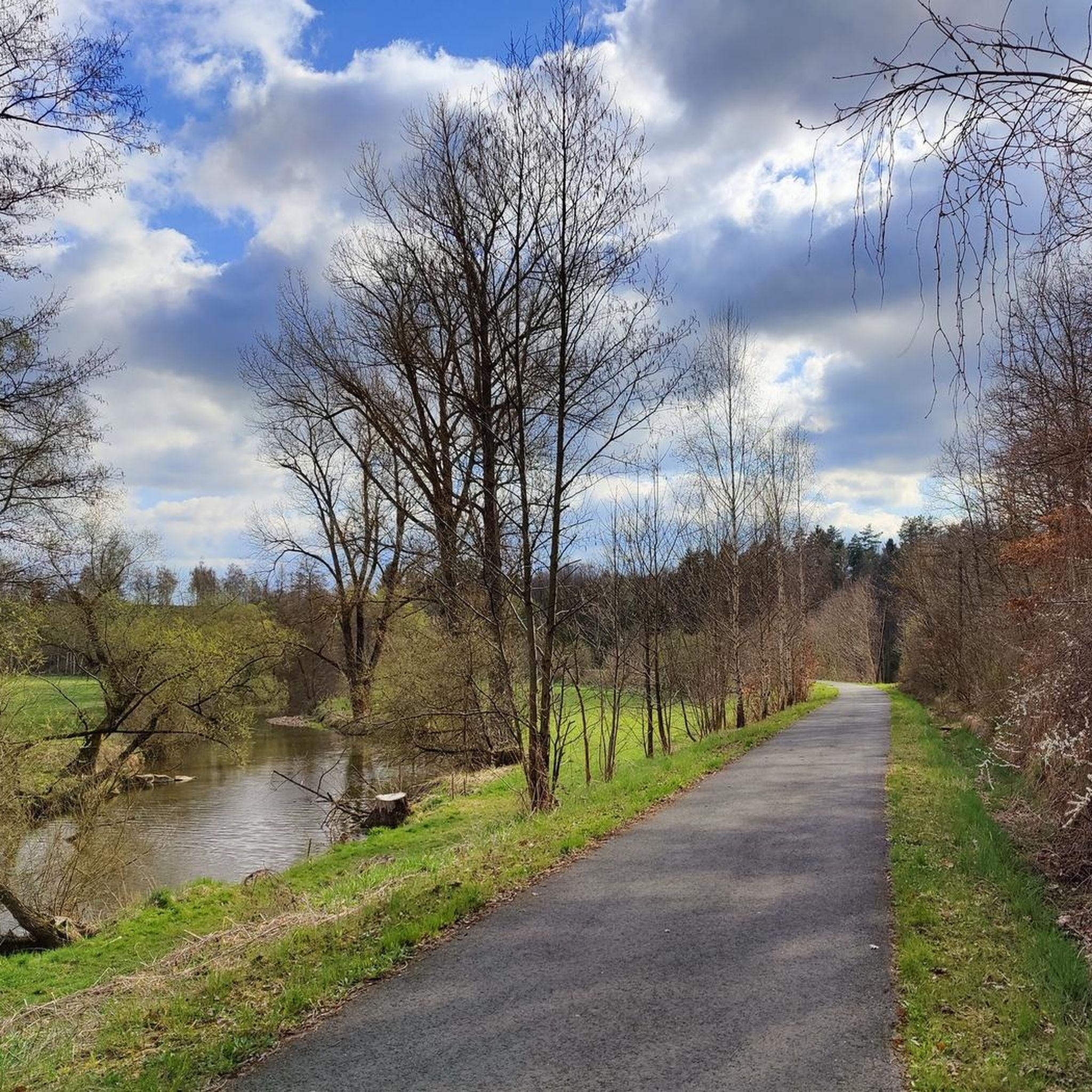
This bridge brings you closer to the nostalgia of the former Thayatal railway.
0
0
Frequently Asked Questions
How many road cycling routes are available in Gastern?
Gastern offers a wide selection of road cycling routes, with over 150 different tours to explore. These routes cater to various skill levels, from easy rides to more challenging excursions.
What are the difficulty levels of road cycling routes in Gastern?
The road cycling routes in Gastern range from easy to difficult. You'll find approximately 30 easy routes, over 110 moderate routes, and about 8 difficult routes, ensuring options for all experience levels. The region's landscape of rolling hills and river valleys contributes to this varied terrain.
Are there any circular road cycling routes in Gastern?
Yes, many of Gastern's road cycling routes are designed as loops. For example, the challenging Drinking Water Fountain – Karlstein Castle loop from Thaya and the moderate Meierhofkapelle Schwarzenau – Zwettl loop from Thaya are popular circular options that allow you to start and finish in the same location.
What kind of scenery can I expect on road cycling routes in Gastern?
Road cycling in Gastern takes you through a diverse landscape characterized by rolling hills, picturesque river valleys, agricultural areas, and woodlands. Many routes also connect historical sites and cultural landmarks, offering both natural beauty and points of interest along the way.
What historical sites or landmarks can I see along the road cycling routes?
Gastern's routes often pass by historical sites and cultural landmarks. You might encounter places like the Waldkirchen an der Thaya Former Railway Station or the Waidhofen an der Thaya Town Hall. The Drinking Water Fountain – Karlstein Castle loop from Thaya specifically connects historical sites.
Are there any routes that follow former railway lines?
Yes, Gastern features routes that utilize sections of former railway lines, providing unique and often flatter cycling experiences. A notable example is the On the former railway line – Living Textile Museum loop from Thaya, which offers a varied countryside ride.
What do other road cyclists enjoy most about road cycling in Gastern?
The komoot community highly rates road cycling in Gastern, with an average score of 4.7 stars from over 30 reviews. Cyclists often praise the varied terrain, which includes rolling hills and river valleys, as well as the opportunity to explore historical sites and cultural landmarks along well-maintained paths.
When is the best time of year for road cycling in Gastern?
While specific seasonal data isn't provided, the varied landscape of rolling hills and river valleys suggests that spring and autumn would offer pleasant temperatures and beautiful scenery for road cycling. Summer can also be enjoyable, though it might be warmer.
Are there any family-friendly road cycling options in Gastern?
While many routes feature elevation gain, Gastern does offer easy and moderate routes that could be suitable for families, especially those with some cycling experience. Routes that follow former railway lines, like the On the former railway line – Living Textile Museum loop from Thaya, often provide a gentler gradient.
What are some longer road cycling routes for experienced riders?
Experienced riders looking for longer distances and significant elevation gain will enjoy routes like the challenging Drinking Water Fountain – Karlstein Castle loop from Thaya, which covers 54.7 miles (88.0 km) with over 1000 meters of ascent. Another option is the moderate Meierhofkapelle Schwarzenau – Zwettl loop from Thaya, spanning 48.3 miles (77.7 km).
Are there any lakes or natural monuments near the road cycling routes?
Yes, the Gastern region offers natural attractions. You might find lakes such as Geissbach Pond or Winkelauer Teich, and natural monuments like the Gemeindeau Moor Boardwalk. These can be pleasant stops or detours during your ride.
What are some moderate-difficulty road cycling routes in Gastern?
For those seeking a moderate challenge, the Litschau Castle – Fortified Church Kleinzwettl loop from Kautzen is a great choice, covering 36.3 miles (58.4 km) through rolling terrain. Another popular moderate route is the Thayatal Cycle Path – Drinking Water Fountain loop from Kautzen, which is 24.9 miles (40.1 km) long.
Most popular attractions around Gastern

Get inspired with the komoot mobile app


Explore more
Browse the best Road cycling routes in other regions.
