Attractions and Places To See around São Martinho De Árvore - Top 20
Attractions and places to see around São Martinho De Árvore, a former civil parish in the municipality of Coimbra, Portugal, offers a blend of historical sites and natural landscapes. Situated near a tributary of the Mondego River, the area features a verdant environment suitable for outdoor activities. While many significant attractions are in nearby Coimbra, São Martinho De Árvore itself provides historical remnants like the Sítio da Amoreira Archaeological Site. Its strategic location makes it a base for exploring both…
Last updated: October 18, 2026
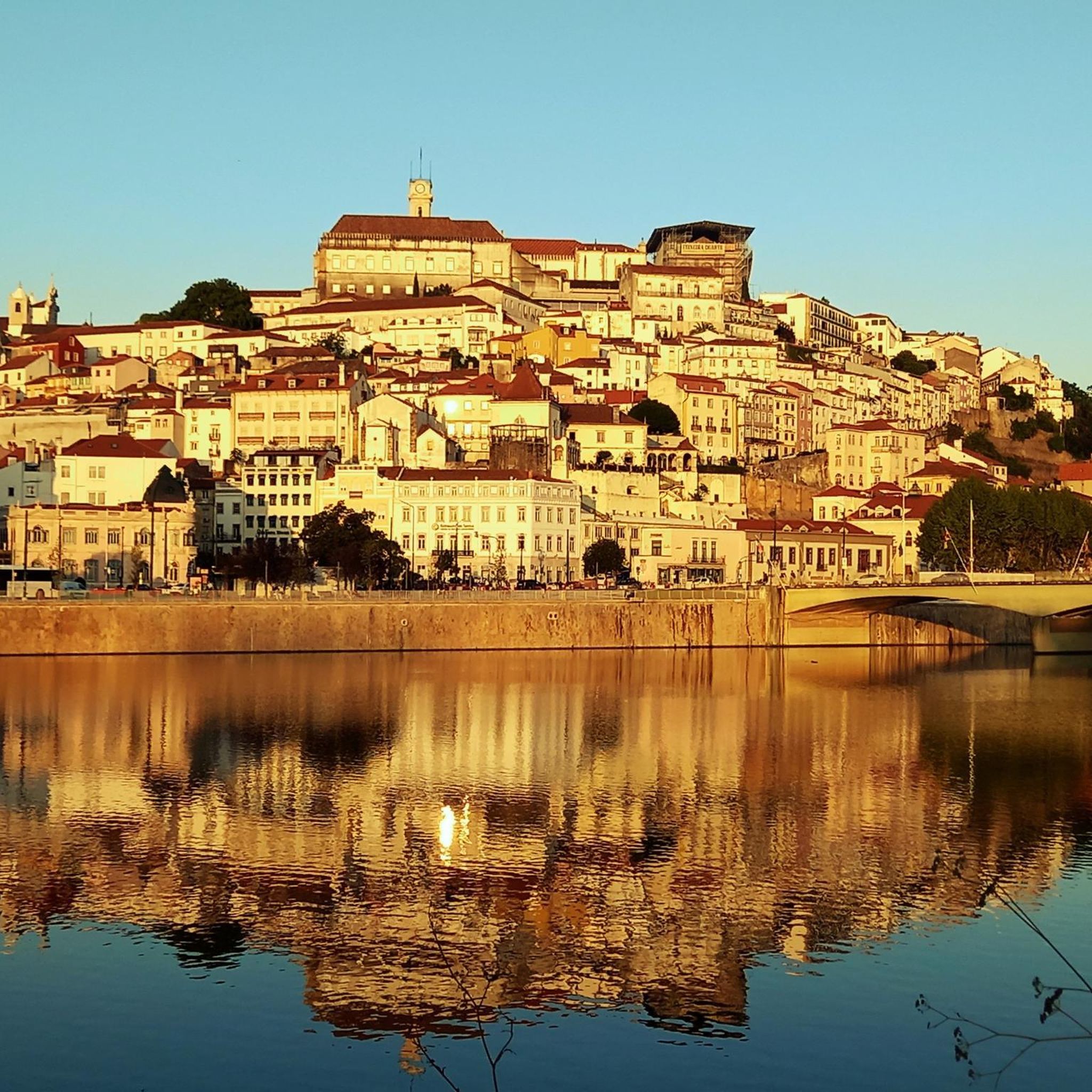
Paço das Escolas (Palace of the Schools), University of Coimbra
Highlight • Historical Site
Translated by Google •
Tip by

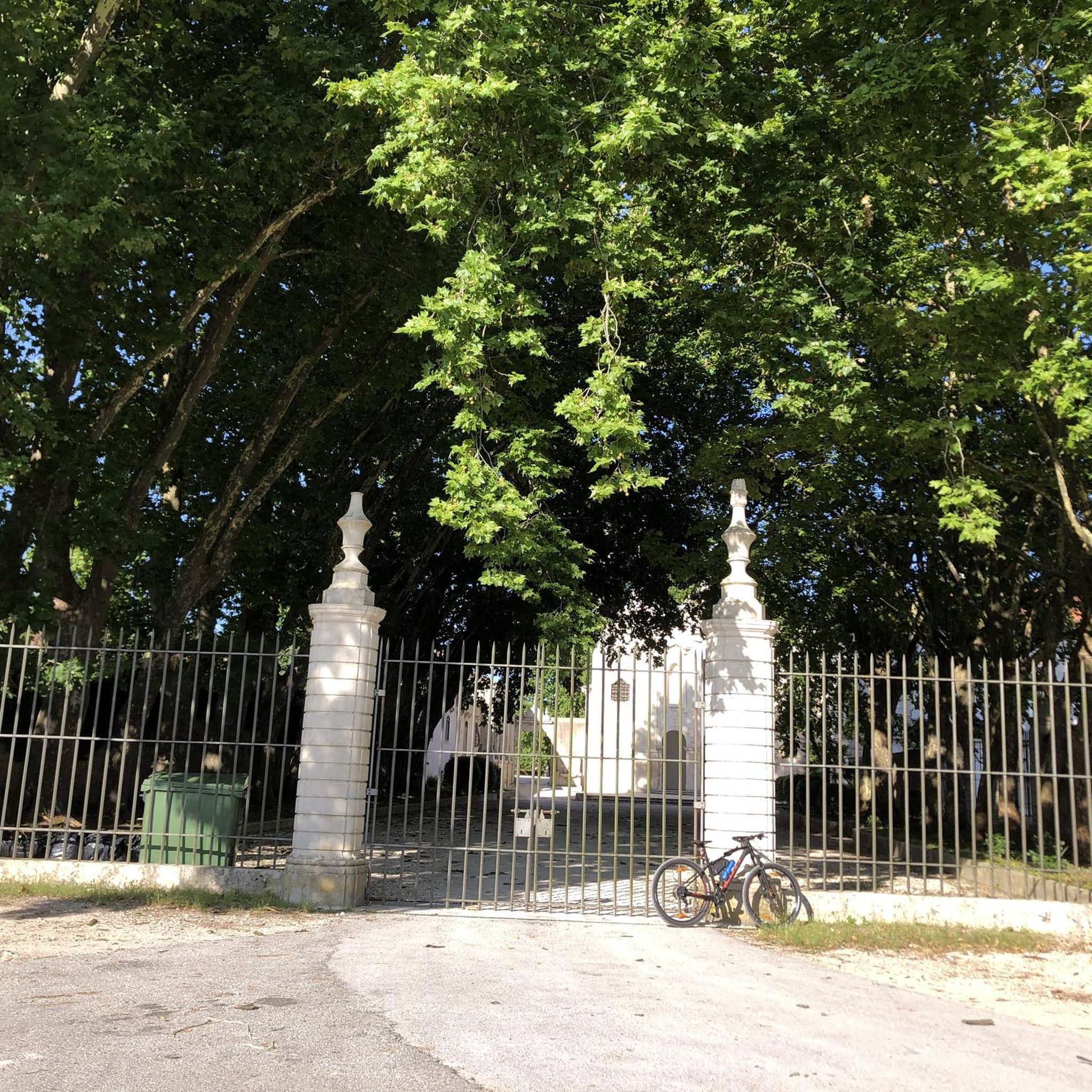
Church of Santa Cruz (Igreja de Santa Cruz), Coimbra
Highlight • Religious Site
Translated by Google •
Tip by

Sign up now to discover places like this
Get recommendations on the best single tracks, peaks, & plenty of other exciting outdoor places.
Coimbra Old Cathedral
Highlight • Religious Site
Translated by Google •
Tip by
Portagem Square
Highlight • Monument
Translated by Google •
Tip by
University of Coimbra Botanical Garden
Highlight • Natural Monument
Translated by Google •
Tip by
Sign up for free to discover even more attractions around São Martinho De Árvore.
Already have an account?
Start today with a free account
Your next adventure awaits.

Tips from the Community

16 sitesThe Botanical Garden of the University of Coimbra, founded in 1772 by the Marquis of Pombal, is the largest botanical garden in Portugal. Located in the University's Alta district, this historic 13.5-hectare site is part of the UNESCO World Heritage and offers free and open access for informal visits.🕒 Opening HoursThe garden is open every day of the year, except for December 25th, January 1st, and during academic festivities (Cortejo da Latada and Queima das Fitas).Summer Hours (April 1st to September 30th): 9:00 AM to 8:00 PM.Winter Hours (October 1st to March 31st): 9:00 AM to 5:30 PM. 👍🥾
0
0

A must for all visitors
1
0

Who is Andreas? What does Andreas want?
4
2

This is the old cathedral of Coimbra. The cathedral is a massive, compact fortress building with a crenellated parapet and Romanesque portal and window arches on the west façade. It was built in the 12th century on the foundations of a 6th/7th-century church. Inside, the baptismal font (supported by lions and monsters, 16th century), the Gothic high altar (wonderfully crafted), Renaissance tombs, and a quiet cloister (south side of the cathedral, 13th century) are worth seeing.
7
1

A must-visit: A bamboo forest and some rare trees. Beautiful grounds with a greenhouse. Great photo opportunities.
7
0
An absolute must: book tickets in advance. You can visit several buildings, and all of them are worthwhile. You'll need a time slot, especially for the Baroque library.
8
0
This square owes its name to the fact that taxes were formerly levied on goods arriving in the city from the south. This square houses one of Coimbra's architectural symbols: the Hotel Astória, built in 1926, and the Bank of Portugal Building, both by Adães Bermudes. It also houses the statue of Joaquim António de Aguiar by sculptor Costa Mota (uncle). Connected to Largo da Portagem is the main street in downtown Coimbra, Rua Ferreira Borges, a street currently closed to traffic and home to several traditional shops.
10
1

The Monastery of the Holy Cross (Monasterio della Santa Croce) is a historic and religious Catholic site located in Florence, Italy. Founded in 1294, it is one of the most important Franciscan monasteries in the city. Features: Architecture and Art 1. Italian Gothic style. 2. Simple but imposing façade. 3. Interior: chapels decorated with frescoes by Giotto and other artists. 4. Novitiate Cloister. 5. Monastery Museum. Historical Importance 1. Burial place of personalities such as Michelangelo, Galileo and Dante Alighieri. 2. Center for theological and philosophical studies. 3. Important role in the Catholic Reformation. Practical Information 1. Address: Piazza Santa Croce, 16, 50122 Firenze FI. 2. Opening hours: 9:30am-5:30pm (Monday to Sunday). 3. Entrance fee: around 8 euros.
4
0
Frequently Asked Questions
What historical sites can I explore within São Martinho de Árvore itself?
Within São Martinho de Árvore, you can visit the Sítio da Amoreira Archaeological Site, which reveals Roman and late-Roman contexts, suggesting a rural part of a Roman villa. Other local historical patrimony includes the remains of the Mosteiro de Nossa Senhora de Campos in Sandelgas, and the local Capelas de São Sebastião and Santo António, along with historical houses like Casas dos Mouras and de Buenos Aires.
What significant historical and cultural attractions are easily accessible from São Martinho de Árvore?
Given its proximity to Coimbra, many significant sites are easily accessible. These include the UNESCO World Heritage site of the University of Coimbra - Alta & Sofia, the stunning Biblioteca Joanina within the university, and the Church of São João de Almedina, which is now part of the Machado de Castro National Museum.
Are there any ancient Roman sites near São Martinho de Árvore?
Yes, the Sítio da Amoreira Archaeological Site in São Martinho de Árvore itself provides evidence of Roman and late-Roman presence, indicating a *pars rustica* of a Roman villa. Additionally, the broader region, including areas like the Plateau of Cezaredas, offers trails where visitors can find traces of Roman presence.
What natural features can I enjoy around São Martinho de Árvore?
São Martinho de Árvore is characterized by its lush, green landscape, situated on a hill next to a tributary of the Mondego River. This verdant environment is ideal for enjoying nature. The area also features a fluvial beach on the Mondego River, offering a spot for relaxation by the water.
Are there opportunities for hiking or cycling near São Martinho de Árvore?
Absolutely. The verdant landscape and proximity to the Mondego River provide excellent opportunities for outdoor activities. You can find various routes for road cycling and general cycling, such as those detailed in the Road Cycling Routes around São Martinho De Árvore and Cycling around São Martinho De Árvore guides. For hiking, there are easy trails available, including those around Coimbra.
Where can I find easy hiking trails around São Martinho de Árvore?
For easy hikes, consider exploring the trails listed in the Easy hikes around São Martinho De Árvore guide. Options include loops around Coimbra, such as the 'Coimbra Old Cathedral – Saint Sebastian Aqueduct loop' or the 'Pedro e Inês Bridge – Pedro and Inês Footbridge loop', which are generally manageable for most visitors.
What family-friendly attractions are available near São Martinho de Árvore?
A highly recommended family-friendly attraction is Portugal dos Pequenitos in Coimbra, a charming miniature park with scaled-down versions of Portuguese landmarks. Many of the historical sites, such as the University of Coimbra and the Church of Santa Cruz, are also considered family-friendly, offering educational and engaging experiences for all ages.
Are there any wheelchair-accessible attractions in the vicinity?
Yes, Portagem Square in Coimbra is noted as wheelchair-accessible. While many historical sites may have limitations due to their age, this central square offers an accessible point of interest to enjoy the city's atmosphere and architecture.
When is the best time of year to visit São Martinho de Árvore for outdoor activities?
The region's verdant landscape is enjoyable throughout the year. However, for outdoor activities like hiking and cycling, spring (April to June) and autumn (September to October) generally offer the most pleasant weather, with milder temperatures and less rainfall than winter, and avoiding the intense heat of summer.
What do visitors enjoy most about the attractions around São Martinho de Árvore?
Visitors particularly appreciate the blend of historical richness and natural beauty. The Paço das Escolas (Palace of the Schools) at the University of Coimbra is loved for its magnificent views and historical significance. The Church of Santa Cruz is highly praised for its beautiful interior and historical importance, while the Coimbra Old Cathedral impresses with its fortress-like exterior and detailed Romanesque architecture.
Are there any local markets or unique shopping experiences near São Martinho de Árvore?
While São Martinho de Árvore itself is a smaller locality, the nearby city of Coimbra offers various shopping experiences. The main street in downtown Coimbra, Rua Ferreira Borges, connected to Portagem Square, is known for its traditional shops and local commerce.
Can I find places for wild swimming or fluvial beaches in the area?
Yes, the Portuguese Wikipedia entry for São Martinho de Árvore mentions a fluvial beach on the Mondego River as part of its patrimony. This provides an opportunity for enjoying the river in a natural setting.

Get inspired with the komoot mobile app


Explore more
Still not found the Highlight you’re looking for? See guides of the top attractions in other regions:
