Attractions and Places To See around Condeixa-A-Velha - Top 20
Best attractions and places to see around Condeixa-A-Velha, a civil parish in Portugal, include a range of historical, cultural, and natural sites. The area is known for its ancient Roman settlements, such as Conímbriga, alongside various palaces, churches, and museums. Visitors can explore diverse natural landscapes, including unique geological formations and nature reserves. This region offers a blend of historical significance and natural beauty for exploration.
Best attractions and places to see around Condeixa-A-Velha
- The most popular attractions is Buracas…
Last updated: July 2, 2026
Pedro and Inês Footbridge
Highlight • Bridge
Translated by Google •
Tip by

Conímbriga Roman Ruins
Highlight • Historical Site
Translated by Google •
Tip by

Sign up now to discover places like this
Get recommendations on the best single tracks, peaks, & plenty of other exciting outdoor places.
Sign up for free
Roman Ruins of Conímbriga
Highlight • Historical Site

Lapiás do Casmilo
Highlight • Natural Monument
Translated by Google •
Tip by
Pilgrim Rest Stop Jinago
Highlight • Rest Area
Translated by Google •
Tip by
Sign up for free to discover even more attractions around Condeixa-A-Velha.
Sign up for free
Already have an account?
Start today with a free account
Your next adventure awaits.
Login or Signup

Tips from the Community

Conímbriga, an ancient city of Lusitania, is the most impressive Roman complex in Portugal, a place where history still breathes among its baths, forum, amphitheater, and uniquely delicate mosaics, such as those in the famous House of Fountains. Although only a small part has been excavated, the grandeur the city held throughout its almost six centuries under Roman rule is evident. The second wall, hastily erected with stone taken from entire buildings, reveals a time of threat and decline, a prelude to the abandonment that followed the Suebian invasions. Today, among fallen columns and pavements that still gleam in the sun, Conímbriga continues to intrigue and amaze, preserving in its ruins the stories that time has almost erased.
2
0

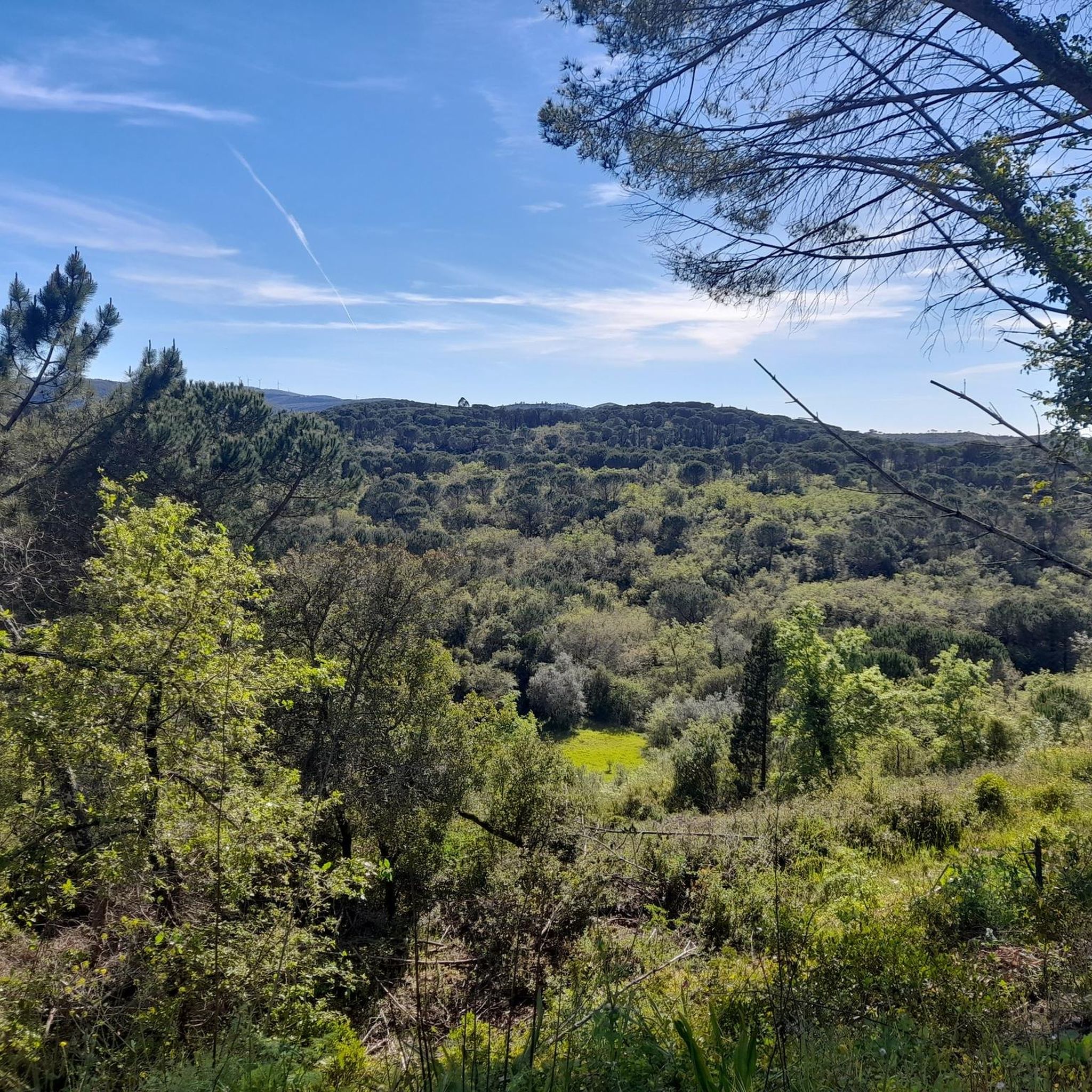
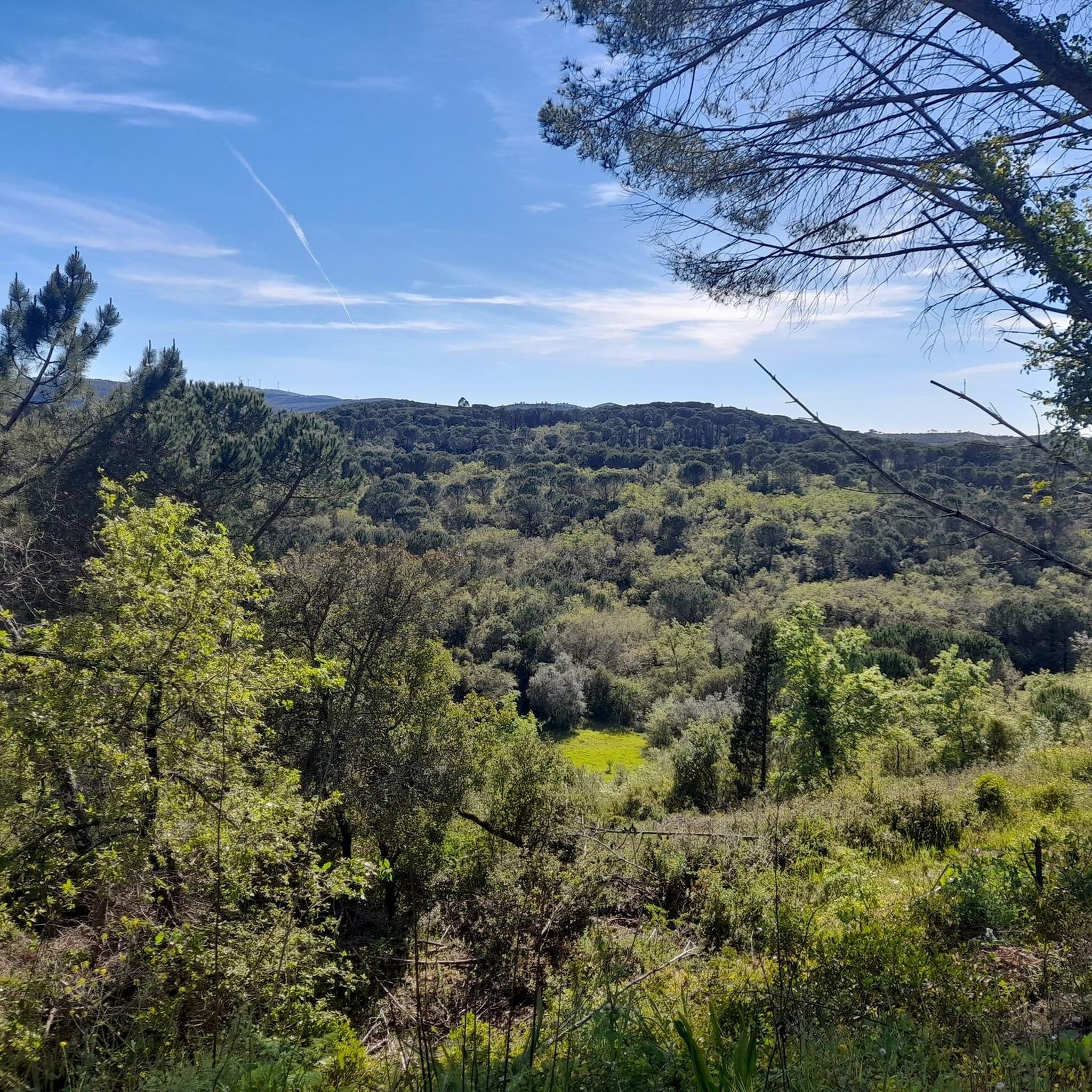
✨ Circular route with landscapes of rare natural beauty; 🏞️ Lapiaz, dolines and unique rock formations in Portugal; 🌿 Buracas do Casmilo and Bosque do Vale dos Covões were the highlights of the day; 📸 Ideal for photography, geological observation and contemplation; 🍂 A perfect trail for autumn, with the valley painted in golden tones.
1
0

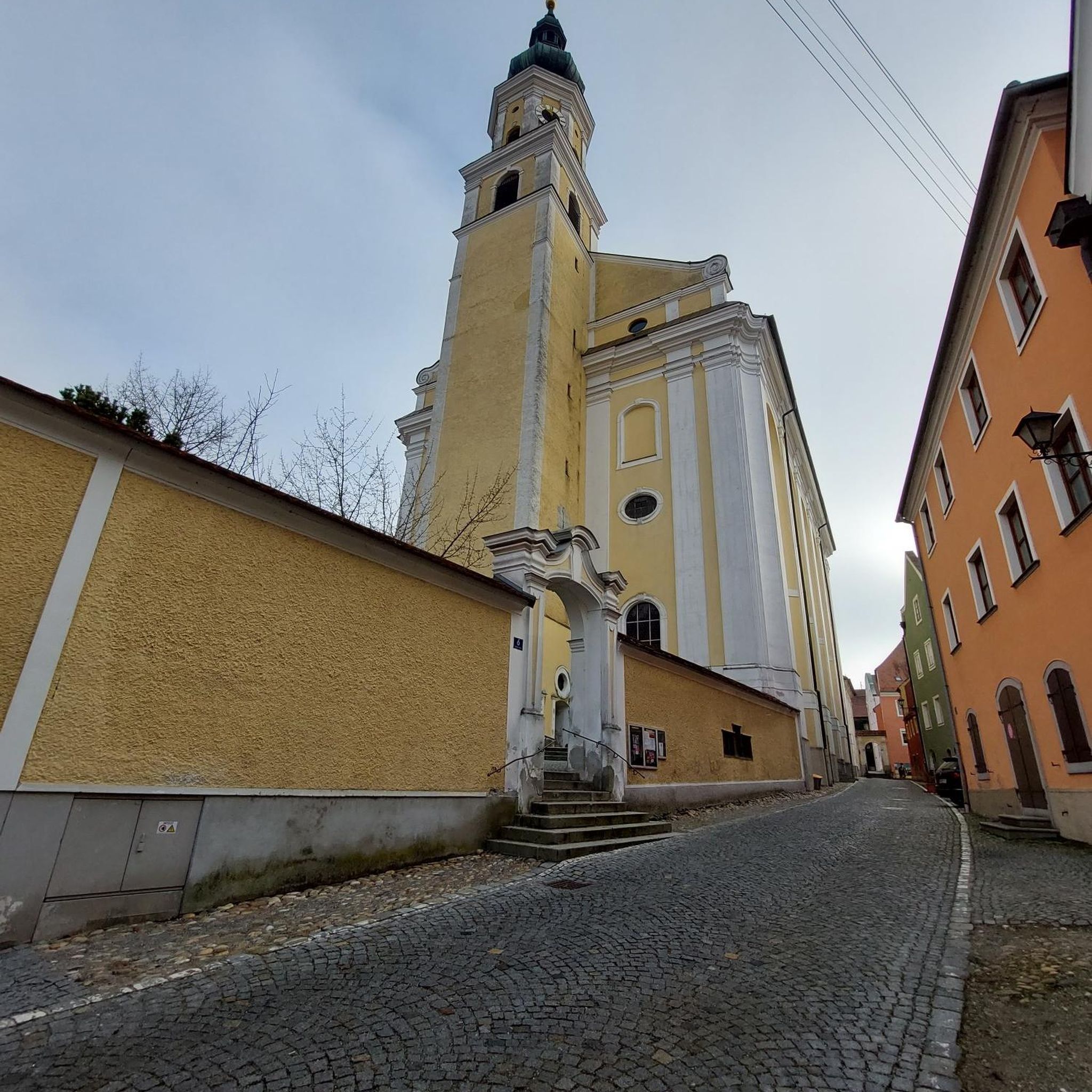
Coimbra is one of the most important cities in Portugal, once the capital of the kingdom and now a World Heritage Site with a renowned university
8
0

On the city side at the end of the bridge there are some cafes and restaurants: there you can sit nicely by the river
4
0

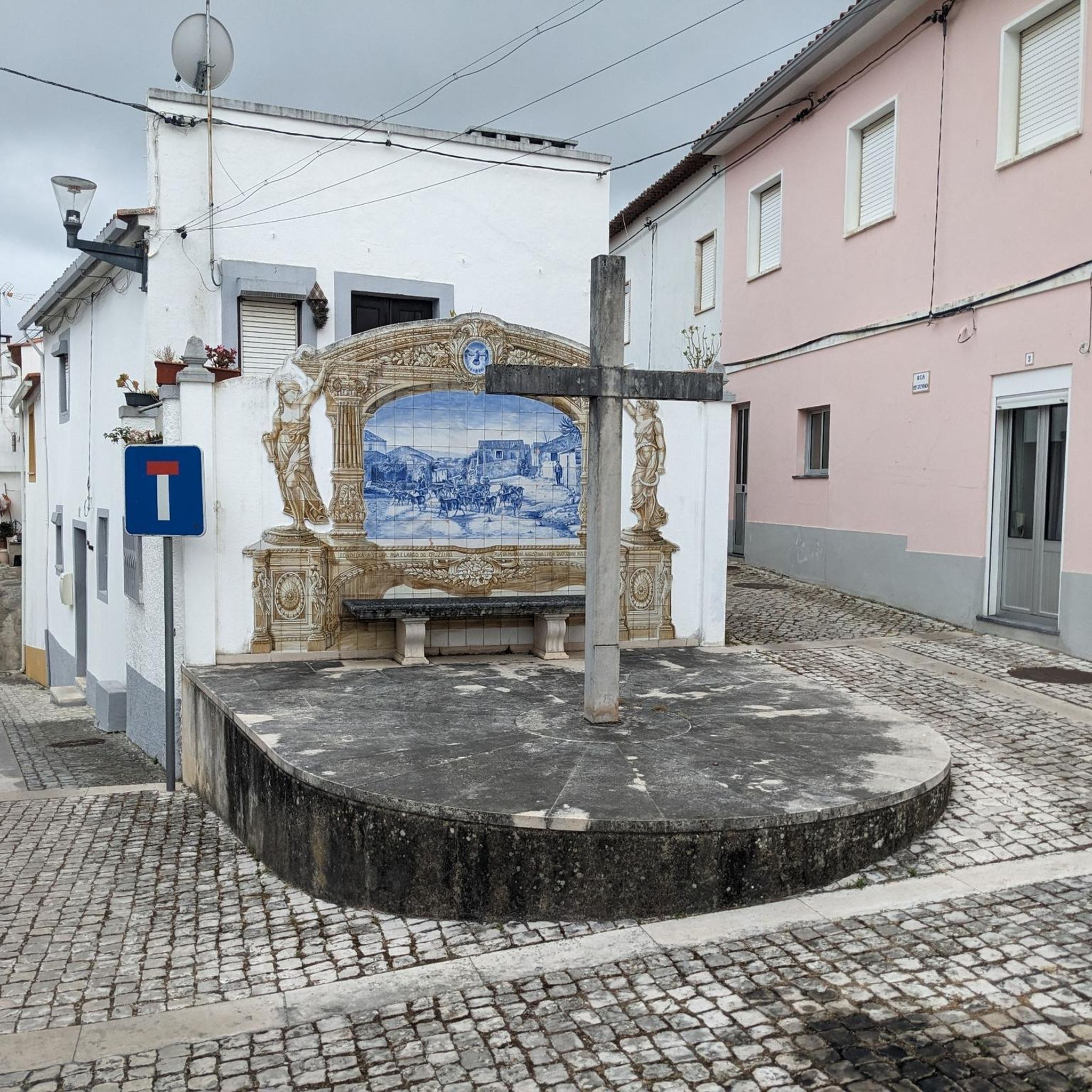
Here, you can rest and get your pilgrim's notebook stamped. Restore your physical and spiritual energy to continue your journey.👍
6
0
A place to rest and relax. You can even get your pilgrim's notebook stamped. 👍
6
0
Frequently Asked Questions
What are the main historical attractions to visit around Condeixa-A-Velha?
The most significant historical site is the Conímbriga Roman Ruins, considered one of the largest and best-preserved Roman settlements in Portugal. It features baths, a forum, an amphitheater, and intricate mosaics. You can also visit the Monographic Museum of Conímbriga located at the ruins to see artifacts discovered during excavations. Additionally, the region boasts several historic palaces like the Palace of the Count of Podentes and the Figueiredos Palace, and significant churches such as the Mother Church of Condeixa.
Are there any unique natural features or landscapes to explore?
Yes, the area offers several unique natural features. You can visit Buracas do Casmilo, which are rare horizontal caves or 'mouths of the mountains' within the Serra de Sicó, known for their geological formations and natural beauty. The Serra de Sicó itself provides beautiful landscapes. For birdwatching, the Reserva Natural do Paul de Arzila is a privileged spot to observe diverse animal species.
What kind of outdoor activities can I do near these attractions?
Condeixa-A-Velha is excellent for outdoor activities. You can find various routes for hiking, gravel biking, and road cycling. For hiking, consider the 'Old Path by the River – Mouros River Waterfall loop' or the 'Roman Ruins of Conímbriga loop'. Gravel biking options include the 'Rio Mondego – Choupal Inner Trail loop'. For more details and routes, check out the Hiking around Condeixa-A-Velha, Gravel biking around Condeixa-A-Velha, and Road Cycling Routes around Condeixa-A-Velha guides.
Is the Mouros River Waterfall worth visiting, and when is the best time?
The Mouros River Waterfall can be a beautiful sight, especially when combined with a walk along the path. However, it's important to note that the river only has water between November and March. If you visit outside of these months, particularly in late spring or summer, you might find the riverbed dry with no waterfall.
Are there any family-friendly attractions in the area?
Yes, several attractions are considered family-friendly. The Conímbriga Roman Ruins offer an engaging historical experience for all ages. The Pedro and Inês Footbridge is also a great option, providing a pleasant pedestrian and cycle path over the Mondego River with colorful guards, suitable for a family stroll.
Where can I find panoramic views of the region?
For panoramic views, head to the Miradouro da Senhora do Círculo, located in the Serra do Círculo. This viewpoint offers expansive vistas of the surrounding landscape, perfect for photography and contemplation.
What is the Pedro and Inês Footbridge, and what makes it special?
The Pedro and Inês Footbridge is a modern pedestrian and cycle bridge over the Mondego River, opened in 2006. It's known for its distinctive design, featuring a wooden walkway and vibrant colored guards. It connects different parts of Coimbra and is a popular spot for walks and cycling, offering unique views of the city and river.
Are there any museums dedicated to local culture or history?
Beyond the Monographic Museum at Conímbriga, you can visit the Casa Museu Fernando Namora, dedicated to the renowned Portuguese writer Fernando Namora, who was born in Condeixa. This museum offers insights into his literary and artistic world. Additionally, the PO.RO.S - Portugal Romano em Sicó interpretative center focuses on the Roman presence in the wider Sicó region.
What do visitors particularly enjoy about the attractions around Condeixa-A-Velha?
Visitors frequently praise the historical depth of the Conímbriga Roman Ruins, highlighting the well-preserved mosaics and the grandeur of the ancient city. The Buracas do Casmilo are appreciated for their rare natural beauty and unique geological formations, ideal for photography. The Pedro and Inês Footbridge is enjoyed for its beautiful design and pleasant walking experience.
Can I find any traditional or unique architectural sights in the area?
Yes, the region is home to several historic palaces, reflecting its past as a center of nobility, such as the 17th-century Figueiredos Palace. You can also find charming traditional architecture in the form of Moinhos de vento (windmills) in Outeiro, which are wooden windmills with rotating mechanisms, offering a picturesque sight.
Are there any easy hiking trails suitable for a short walk?
Yes, for an easy and shorter walk, consider the 'Mosaic at the Museum – Mouros River Waterfall loop' which is approximately 2.3 km long. This trail offers a gentle introduction to the area's natural beauty and can be combined with a visit to the Roman ruins.
Most popular routes around Condeixa-A-Velha

Get inspired with the komoot mobile app


Explore more
Still not found the Highlight you’re looking for? See guides of the top attractions in other regions:
