Attractions and Places To See around Ferreira-A-Nova - Top 20
Best attractions and places to see around Ferreira-A-Nova, Portugal, include a mix of historical landmarks, natural landscapes, and cultural sites. This civil parish within the municipality of Figueira da Foz offers diverse points of interest, from coastal beaches to inland castles and lagoons. The region is characterized by its Atlantic coastline, extensive pine forests, and dune systems, providing varied natural settings for exploration.
Best attractions and places to see around Ferreira-A-Nova
- The most popular attractions is Montemor-o-Velho Castle, a…
Last updated: October 18, 2026
Watchtower of the Dunas de Mira
Highlight • Monument
Translated by Google •
Tip by

EV1 Road Through Dunas de Mira, Gândara e Gafanhas
Highlight (Segment) • Cycleway
Diverse landscape: …
Translated by Google •
Tip by

Sign up now to discover places like this
Get recommendations on the best single tracks, peaks, & plenty of other exciting outdoor places.
Montemor-o-Velho Castle
Highlight • Castle
Translated by Google •
Tip by

Statue of the Sausage Maker of Quiaios
Highlight • Monument
Translated by Google •
Tip by

Tocha 🏘️
Highlight • Settlement
Tip by

Sign up for free to discover even more attractions around Ferreira-A-Nova.
Already have an account?
Start today with a free account
Your next adventure awaits.

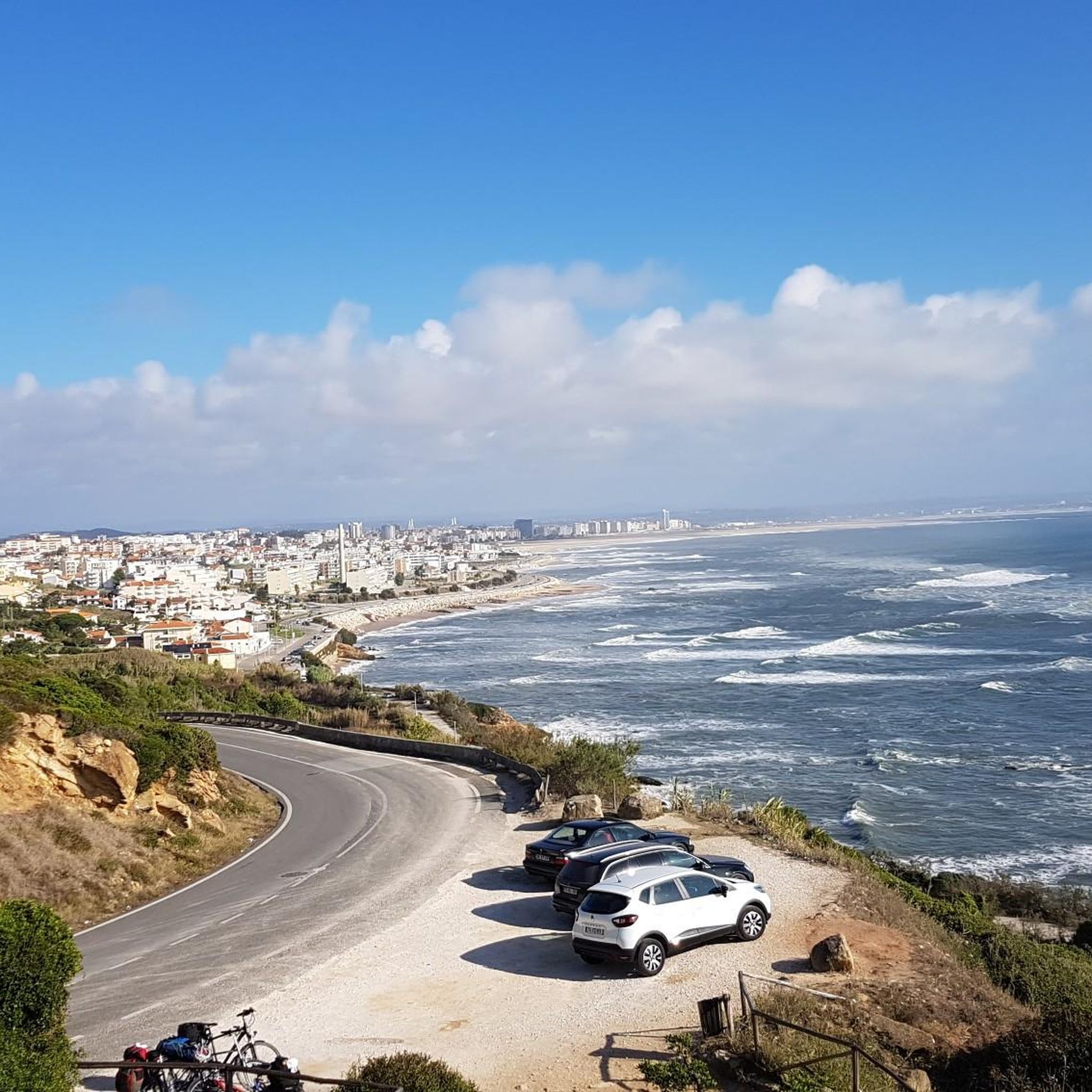
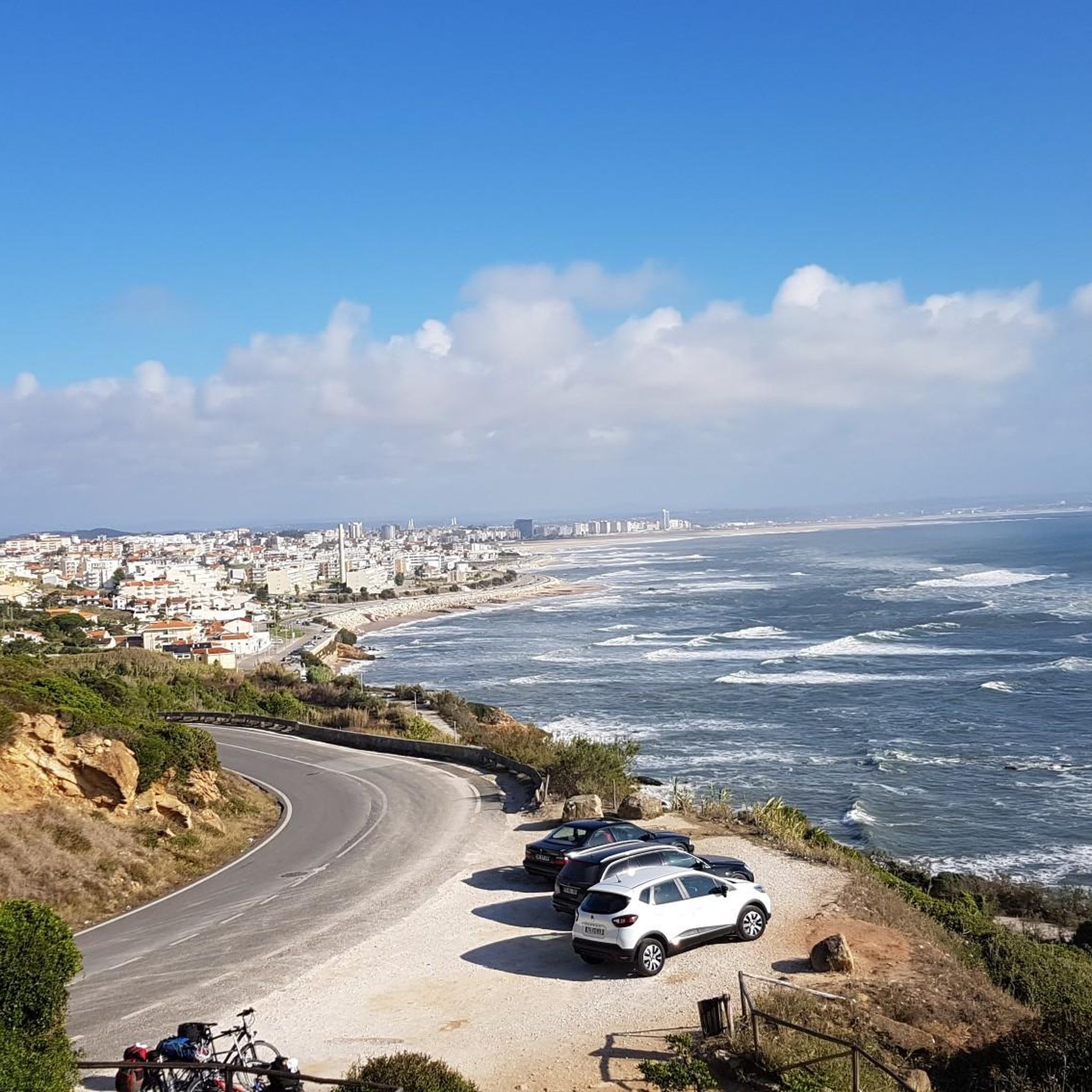


Tips from the Community

There is a Watchtower in the Mira Dunes, which is a prominent landmark and serves as a reference point for cycling and hiking routes in the area. The Watchtower Location: The tower is located in the Praia da Tocha area, which is part of the Mira, Gândara and Gafanhas Dunes ecosystem, in the municipality of Cantanhede. Function: Although its main function is forest surveillance (fire prevention), given that the area is a vast pine forest, it has also become a landmark for visitors and nature lovers. Access: The site is accessible via the various ecotourism routes and forest paths that cross the region, being a point of interest on cycling routes. Activities: The surrounding area is ideal for hiking, cycling and observing the protected landscape of the Natura 2000 Network Site.
2
0
The region is an important Natura 2000 Network Site, and nature observation, including birdwatching, is a popular activity.
2
0
Integration with nature: The route utilizes dune paths, forest trails, and cycle-pedestrian paths, providing complete immersion in the region's natural landscape, which is a Natura 2000 Network Site. Diverse landscape: Cyclists and hikers can enjoy a rare combination of landscapes, alternating between the Atlantic Ocean, vast pine forests planted to stabilize the dunes, and the Barrinha Lagoon. Length and difficulty: The route is generally flat and of low difficulty, with approximately 15 to 16 km in the main section (known locally as PR5 MIR - Mira Dunes Route). It is ideal for a leisurely bike ride or walk.
1
0

Like cycling through the an eerie fallout from a nuclear disaster - great adventure!
0
0

Although there are references to its existence as early as the High Middle Ages, what remains today dates from the late 14th century. Within the walls are remains of the old Medieval Palace, where the death of Dona Inês de Castro was reportedly decided, as well as the Church of Santa Maria da Alcáçova, founded in 1095 but restored in the 16th century. During the Arab occupation, materials imported from Córdoba arrived at Montemayur Castle, including capitals dating back to the Caliphate period, one of which is now part of the collection of the Machado de Castro National Museum in Coimbra. Later, the castle would play a recognized strategic role during the Christian reconquest of the territory. (Source: www.turismodocentro.pt)
14
0

A contemporary art sculpture of realistic inspiration, with a similar grammar to other works by António Nogueira, namely “Tribute to the Fisherman of Praia da Leirosa” (2000), “Peixeira” (2003), both in Praia da Leirosa, Figueira da Foz, “Homem do Campo” (2004) in Montemor-o-Velho and “Moleiro” (2005), in Moinhos da Gandara. It depicts a woman making traditional sausages, sitting on a small bench, with two “bowls” next to her, one for making the sausages and the other for placing them. History: Work commissioned from the sculptor António Nogueira by the Parish Council of Quiaios, aiming to pay tribute to the sausages of Quiaios “a traditional product and its producers”.
2
0
Straight route of approximately 35 km that ends in Figueira da Foz, through the dunes and pine forests, safe as there is almost no car traffic and which is done in peace and communion with nature.
1
0

Wonderful tour. Too much gravel road at the beginning but then a 5 star road
1
0
Frequently Asked Questions
What natural attractions can I explore around Ferreira-A-Nova?
The region offers diverse natural landscapes. You can explore the extensive dune systems and pine forests along the EV1 Road Through Dunas de Mira, Gândara e Gafanhas, which is part of the Natura 2000 Network. Other natural highlights include coastal beaches like Praia de Quiaios, Praia dos Palheiros da Tocha, and Praia Fluvial da Ereira, as well as the tranquil freshwater swimming area of Olhos da Fervença and the scenic Lagoa das Queridas.
Are there historical sites or cultural landmarks to visit in the area?
Yes, the region is rich in history and culture. A prominent historical site is Montemor-o-Velho Castle, a significant landmark dating from the late 14th century with remains of a Medieval Palace and the Church of Santa Maria da Alcáçova. You can also find the Watchtower of the Dunas de Mira, a unique man-made monument, and the charming community of Tocha with its historic churches.
What kind of outdoor activities are available near Ferreira-A-Nova?
Ferreira-A-Nova is excellent for outdoor enthusiasts. You can enjoy various cycling routes, including road cycling and touring bicycle options, with tours like the 'Barrinha de Mira – Mira Beach loop from Tocha' or the 'Former coastal mine – Figueira da Foz loop from Montemor'. For hikers, there are trails such as the 'Hiking loop from Maiorca' or the 'Montemor-o-Velho Castle – Castelo de Montemor-o-Velho loop'. Find more details on specific routes in the Road Cycling, Cycling, and Hiking guides for Ferreira-A-Nova.
Are there any family-friendly attractions or activities?
Many attractions in the region are suitable for families. The Watchtower of the Dunas de Mira is categorized as family-friendly, offering an interesting landmark in a natural setting. Exploring the beaches like Praia de Quiaios or the freshwater swimming area at Olhos da Fervença provides great family recreation. The generally flat and low-difficulty sections of the EV1 Road Through Dunas de Mira, Gândara e Gafanhas are also ideal for leisurely family bike rides or walks.
What is the best time of year to visit Ferreira-A-Nova for outdoor activities?
The region benefits from a mild climate, making it suitable for outdoor activities for much of the year. Spring and early autumn generally offer pleasant temperatures for hiking and cycling. Summer is ideal for enjoying the coastal beaches and freshwater swimming spots. Even winter can be mild enough for walks, though some facilities might have reduced hours.
Can I find easy or beginner-friendly hiking trails?
Yes, there are options for easy and beginner-friendly hikes. For instance, the 'Montemor-o-Velho Castle – Castelo de Montemor-o-Velho loop from Montemor-o-Velho' is an easy 6.17 km hike. The EV1 Road Through Dunas de Mira, Gândara e Gafanhas also features sections that are generally flat and of low difficulty, perfect for a leisurely walk. You can explore more options in the Hiking around Ferreira-A-Nova guide.
Are there any unique local monuments or art installations?
Yes, a notable unique monument is the Statue of the Sausage Maker of Quiaios. This contemporary art sculpture pays tribute to the traditional sausages of Quiaios and the local producers, depicting a woman making sausages. It's a realistic and culturally significant piece reflecting local heritage.
What do visitors enjoy most about the EV1 Road Through Dunas de Mira, Gândara e Gafanhas?
Visitors particularly enjoy the route's integration with nature, utilizing dune paths, forest trails, and cycle-pedestrian paths for complete immersion in the region's natural landscape. The diverse scenery, alternating between Atlantic Ocean views, vast pine forests, and the Barrinha Lagoon, is highly praised. Many also appreciate that it's generally flat and of low difficulty, making it ideal for leisurely bike rides or walks.
Where can I find viewpoints with scenic vistas?
The Watchtower of the Dunas de Mira is a designated viewpoint offering unique perspectives of the surrounding dunes. Additionally, the Montemor-o-Velho Castle provides elevated views of the landscape. The Miradouro da Bandeira, mentioned in regional research, also suggests another spot for scenic vistas.
Are there options for wild swimming or freshwater bathing?
Yes, the Lake Swimming Area 'Olhos da Fervença' offers a natural freshwater swimming spot, providing a refreshing option for bathing away from the coast. The Lagoa das Queridas is another tranquil water body in Ferreira-A-Nova, though its suitability for swimming may vary.
What is the significance of Montemor-o-Velho Castle?
The Montemor-o-Velho Castle is historically significant, with references dating back to the High Middle Ages. The current structure largely dates from the late 14th century. It contains remains of the old Medieval Palace, famously where the death of Dona Inês de Castro was reportedly decided, and the Church of Santa Maria da Alcáçova. It played a crucial strategic role during the Christian reconquest.
Are there any specific cycling routes recommended for exploring the area?
Yes, the region offers several cycling routes. For road cycling, you might consider the 'Pastel de Tentúgal – Montemor-o-Velho Castle loop from Parque Brisa' (43.9 km, moderate) or the 'Tocha Beach – Luz dos Quadros Fountain loop from Moinhos da Gândara' (40.9 km, easy). For touring bicycles, the 'Montemor-o-Velho Castle loop from Gatões' (16 km, moderate) is a good option. More routes are detailed in the Road Cycling and Cycling around Ferreira-A-Nova guides.

Get inspired with the komoot mobile app


Explore more
Still not found the Highlight you’re looking for? See guides of the top attractions in other regions:
