Top 20 Castles around Bedburg
Best castles around Bedburg are situated in a region characterized by its historic moated castles and the marshy Erftniederung. This area offers a blend of historical architecture and natural landscapes. The castles provide insights into centuries of regional history and cultural development. Visitors can explore well-preserved structures and their surrounding parks.
Best castles around Bedburg
- The most popular castles is Paffendorf Castle, a moated castle that was first mentioned in 1230. This Renaissance-style castle is completely surrounded by water…
Last updated: October 9, 2026
Paffendorf Castle
Highlight • Castle
Translated by Google •
Tip by

Dyck Castle
Highlight • Castle
Translated by Google •
Tip by

Sign up now to discover places like this
Get recommendations on the best single tracks, peaks, & plenty of other exciting outdoor places.
Alt-Kaster Old Town
Highlight • Historical Site
Translated by Google •
Tip by

Bedburg Castle
Highlight • Castle
Translated by Google •
Tip by
Ruins of Kaster Castle
Highlight • Castle
Translated by Google •
Tip by

Sign up for free to discover even more castles around Bedburg.
Already have an account?
Start today with a free account
Your next adventure awaits.
Popular around Bedburg
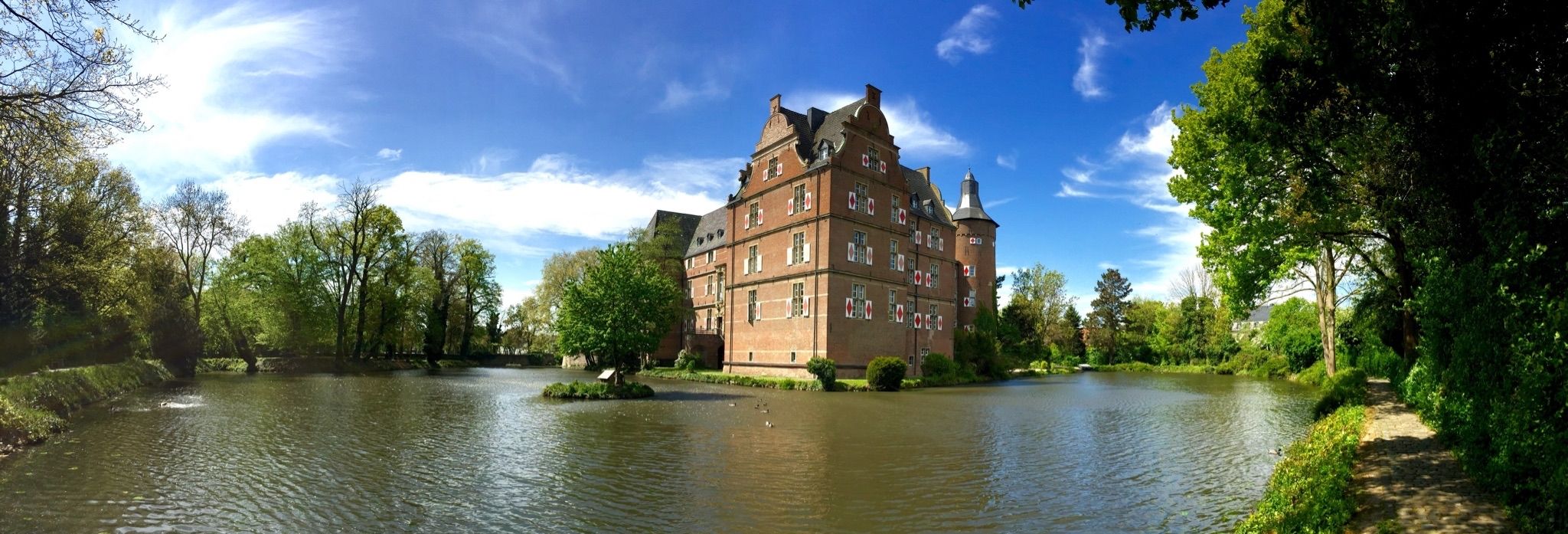
Wasserburgen-Route — A ride through Germany's Castle Country from the Rhine to the Eifel and back
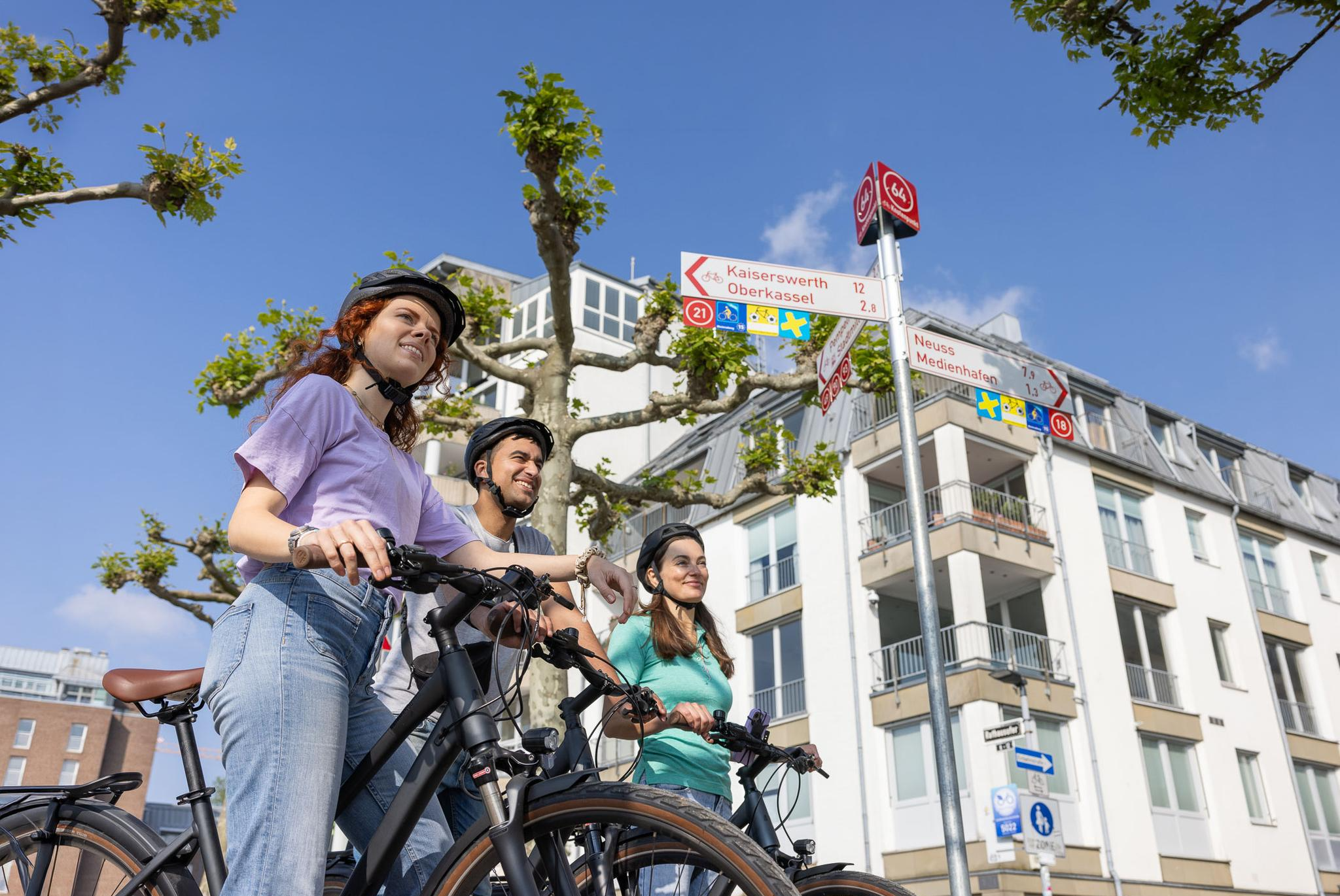
Cycling by Numbers – flexible rides in the Radregion Rheinland
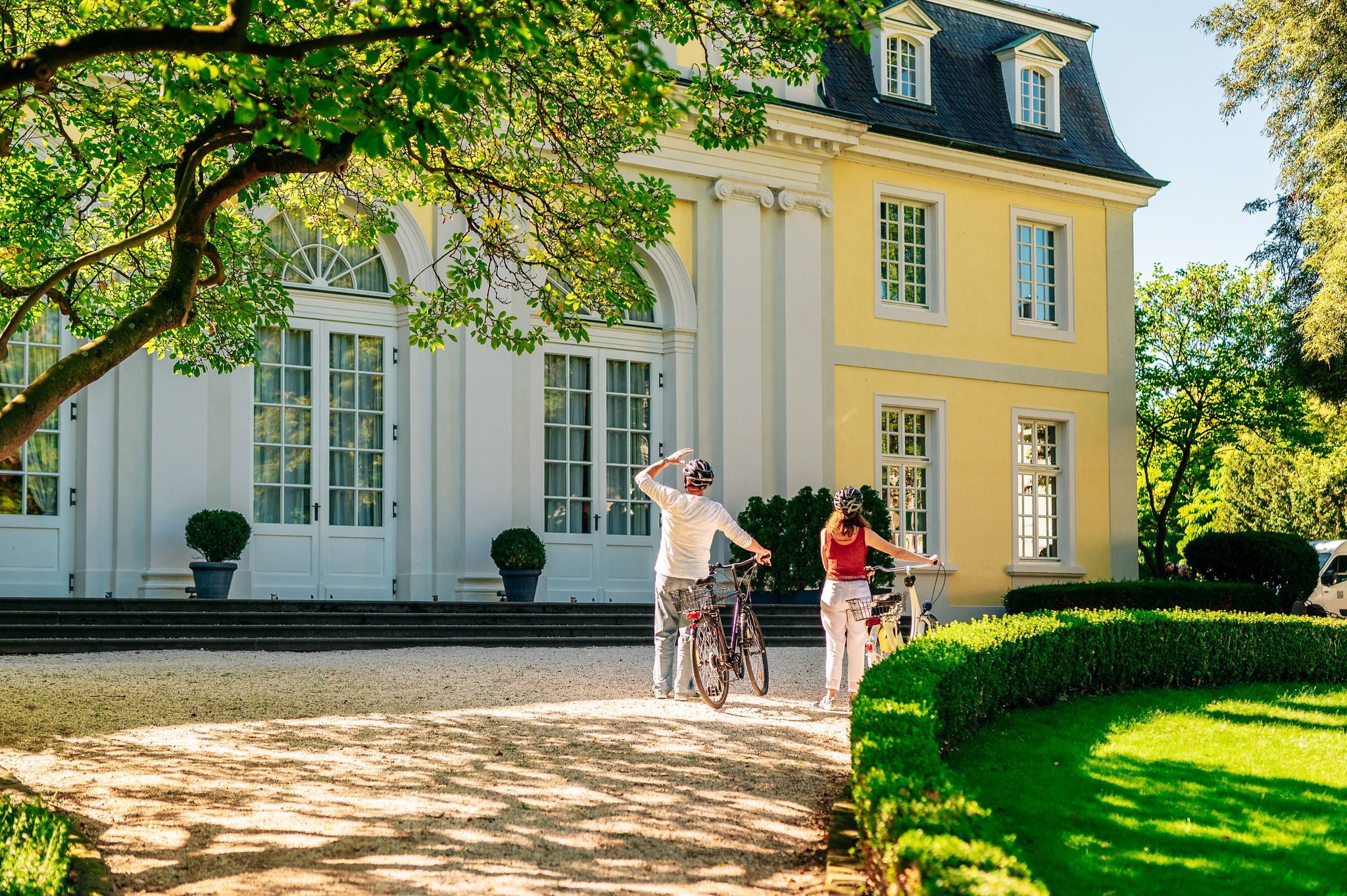
History in the Rhineland – cycling in the Rhineland cycling region
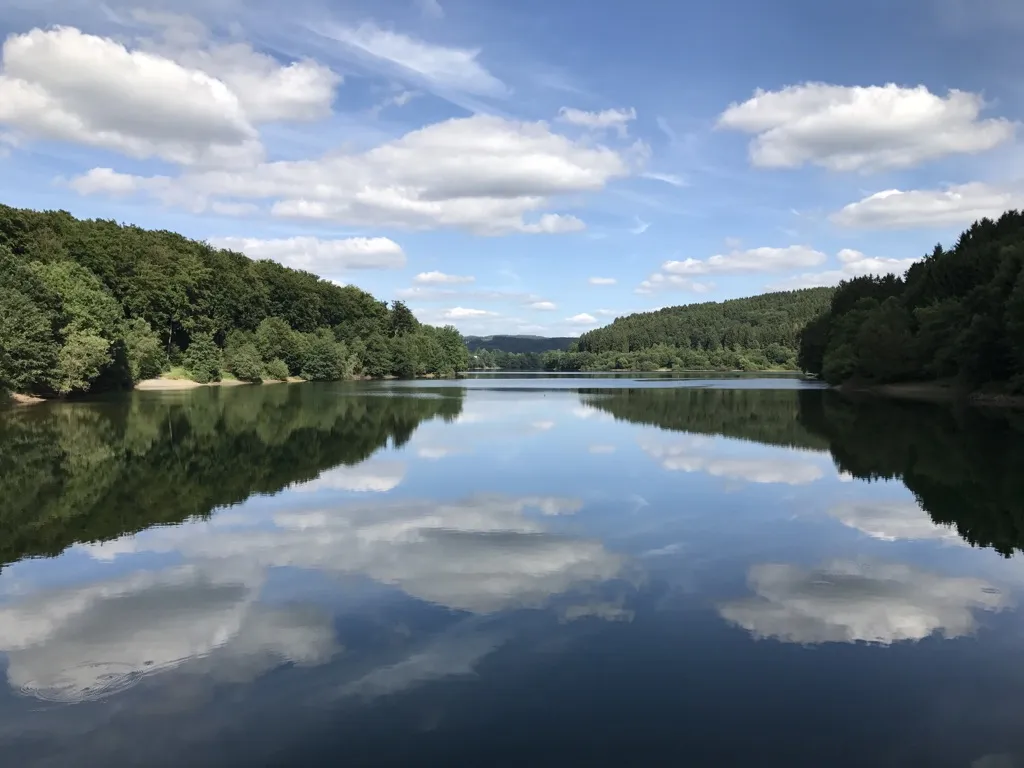
Auszeiten im Grünen – Entspannte Wanderungen im Rheinland
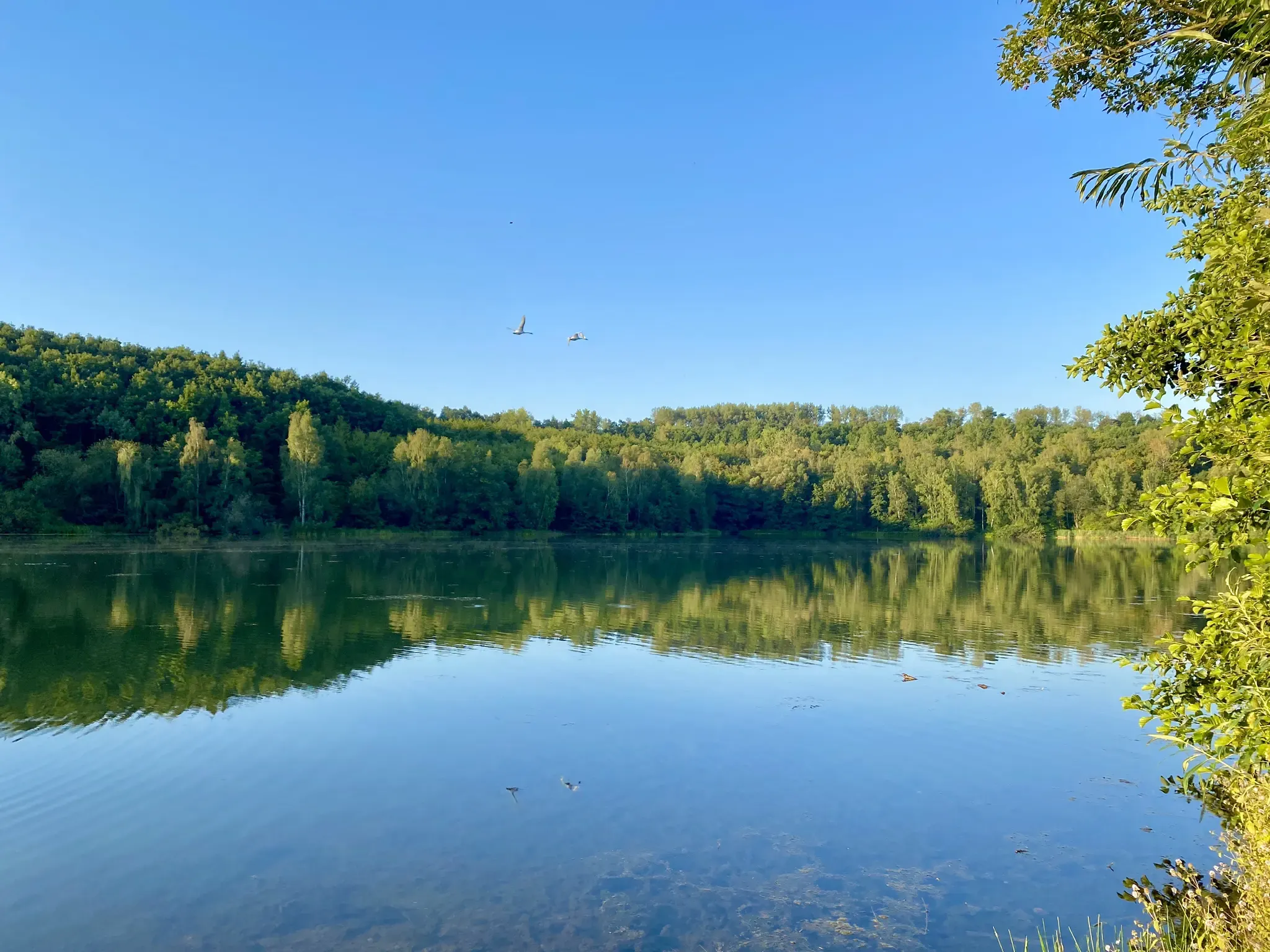
Mit Rosbacher auf Tour im Rheinland
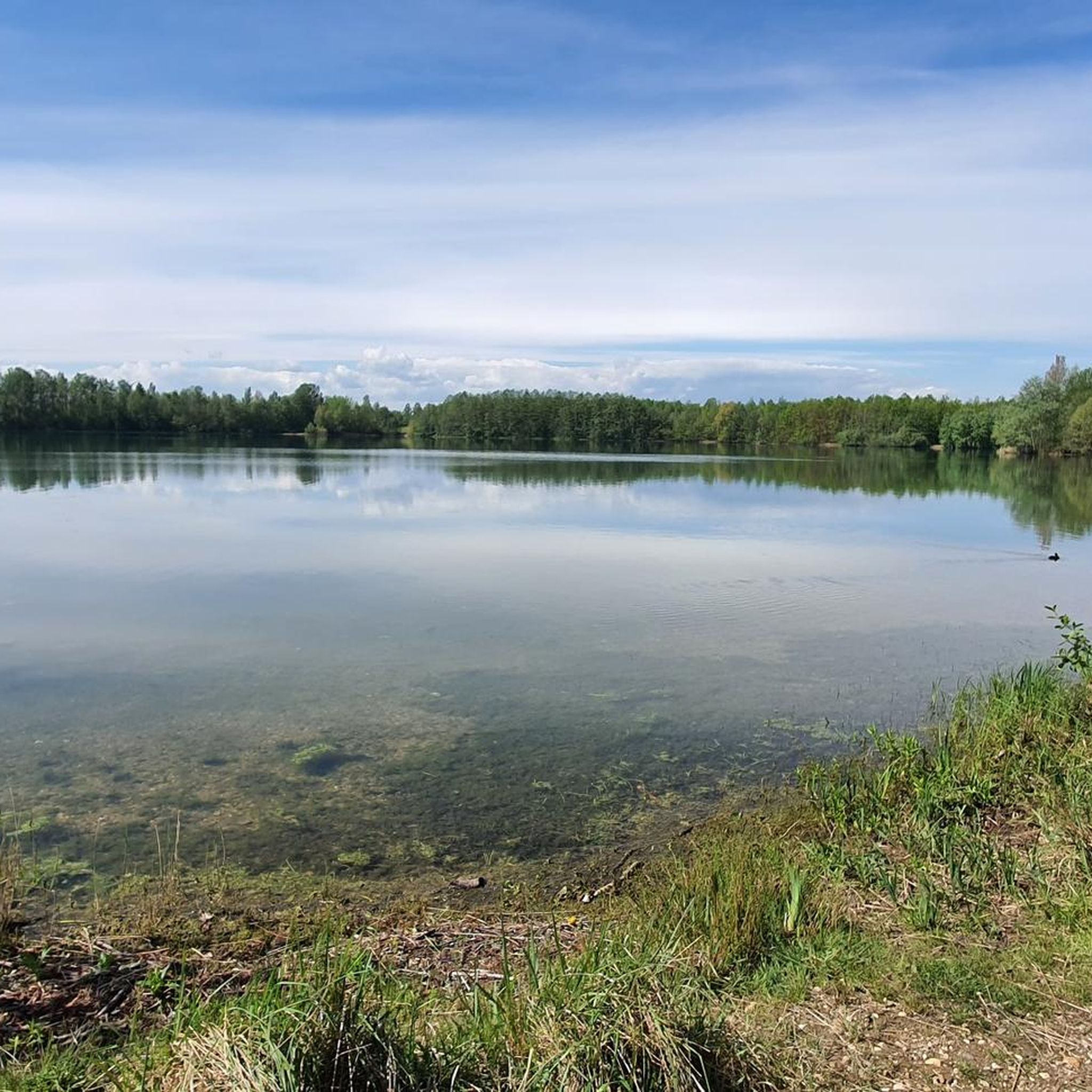
Hiking around Bedburg
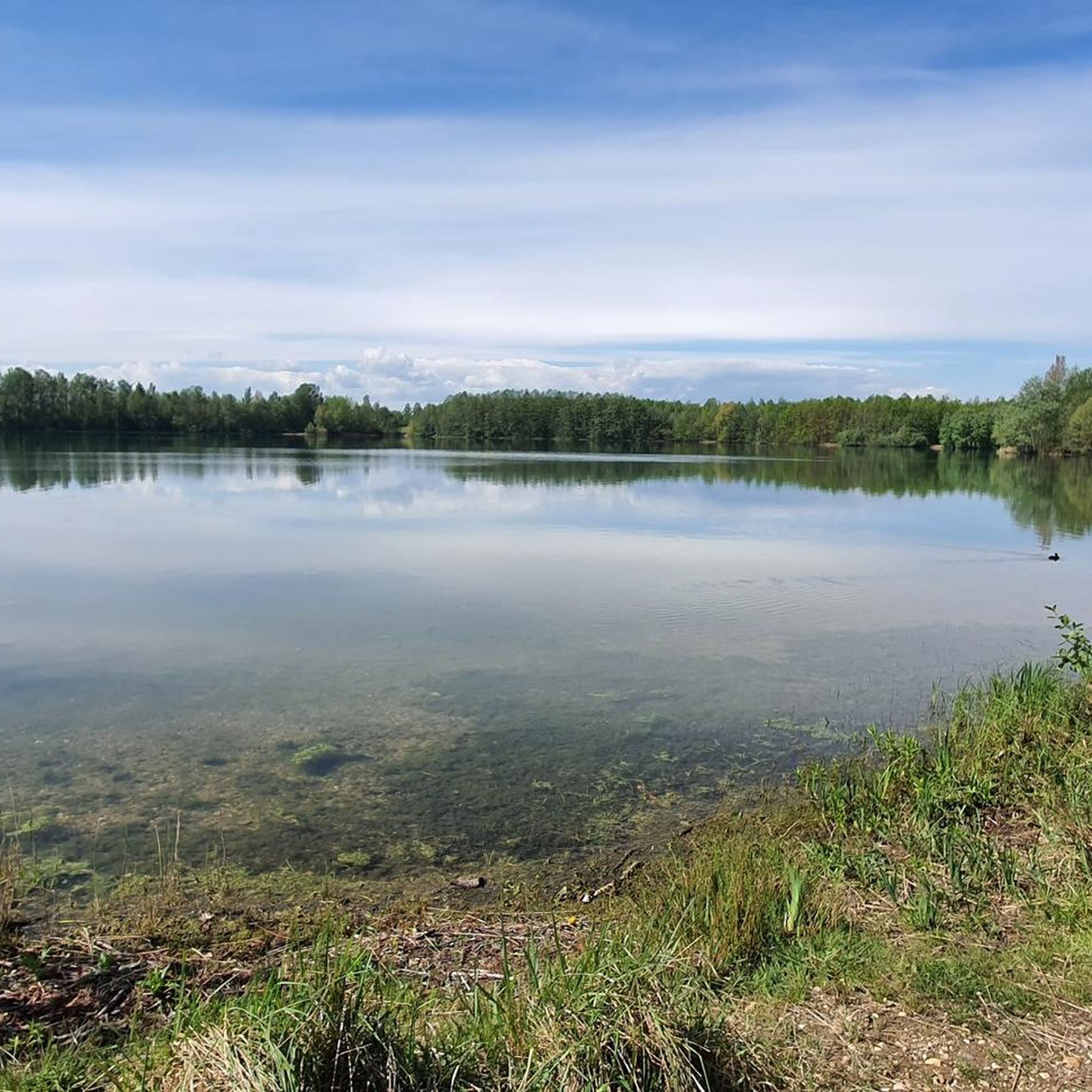
Cycling around Bedburg
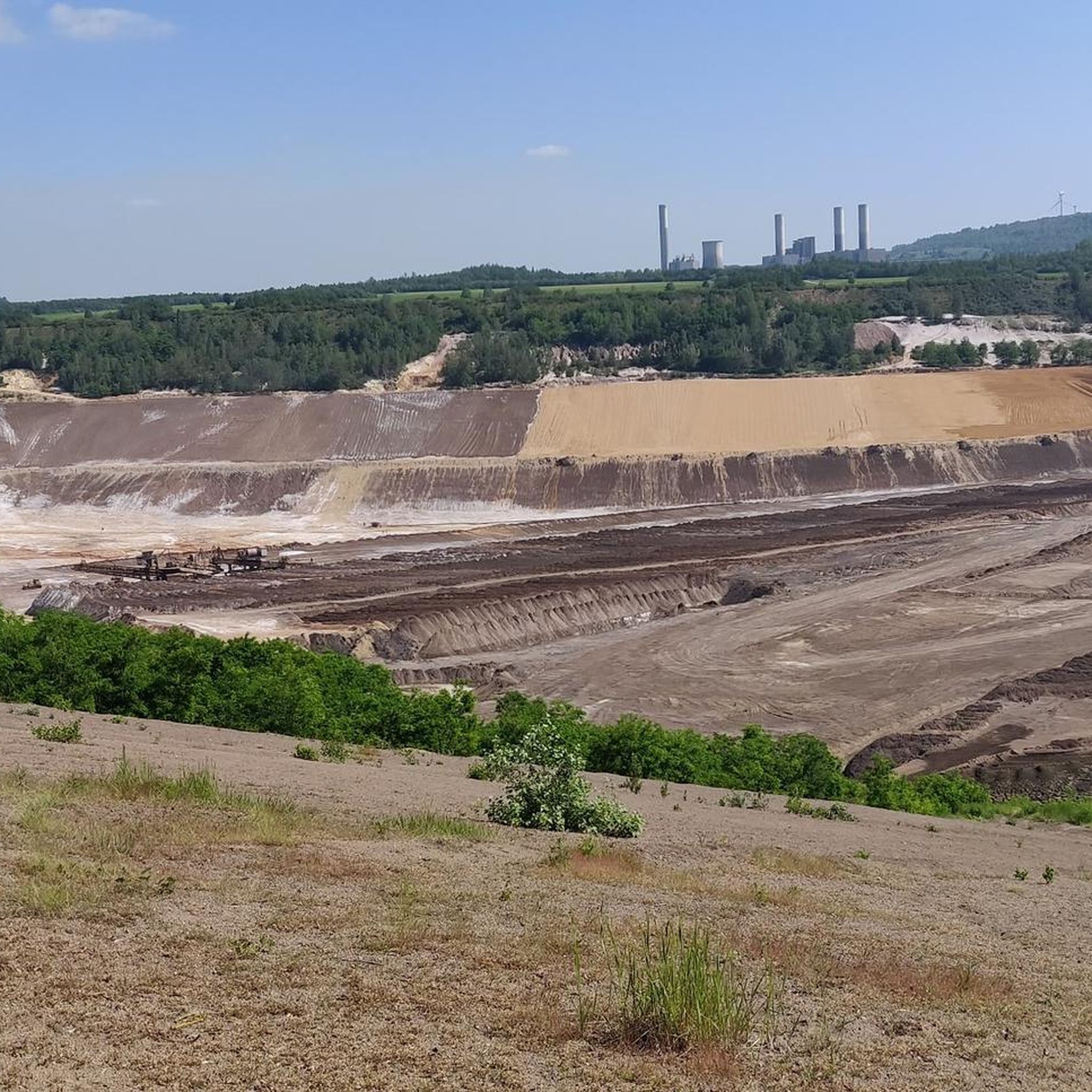
Running Trails around Bedburg
Road Cycling Routes around Bedburg
Gravel biking around Bedburg
Other adventures around Bedburg


Tips from the Community

First mentioned in 1230 as the bailiwick of Paffendorf, this Renaissance-style moated castle is completely surrounded by water. Today, a brasserie invites visitors to enjoy coffee, cakes, and light meals. These can be savored either in the stylish interior or in the castle courtyard overlooking the park. The courtyard also serves as a venue for concerts and Christmas markets. The 7.5-hectare castle park delights visitors with its expansive water features, ancient sequoias and ginkgo trees, a stone pavilion, and numerous seating areas that invite relaxation.
1
0
In the 16th century, Count Werner von Salm-Reifferscheid had the castle rebuilt in the Renaissance style. In 1839, the Rhenish Knighthood acquired the property and used it as a knights' academy. Following extensive restoration in the 1980s, the most recent renovation took place in 2008. The glass-roofed arcaded courtyard in the style of the Italian Early Renaissance is particularly noteworthy. Today, the elegant rooms serve as a venue for cultural events, conferences, and private celebrations. The moated castle is especially popular as a romantic wedding location.
6
0

A beautiful park with a cafe is worth a visit
8
0


Dyck Castle is undoubtedly one of the most beautiful moated castles in the Rhineland. The extensive gardens in the castle park are lovingly designed and very well maintained. It is also worth visiting the castle from the inside (day ticket currently 11 euros). A beautiful place to relax and unwind.
6
0

The origins of Bedburg Castle probably go back to the construction of a moth, but no parts of this have survived. It is one of the earliest aristocratic residences in Erft. The oldest components, from the 12th century, are in the basement. At this time we know a Ludolphus de Bethbure. In the 13th century, the lords of Heinsberg could have owned the castle as a fief before it passed to the lords of Reifferscheid, a Fredericus de Bedbure. The castle is a "castle type", consisting of three wings and two round and two square towers. The castle or chateau was repeatedly damaged and rebuilt. The Counts of Neuenahr owned the castle from 1403. In 1588 Count Werner von Reifferscheid was enfeoffed with the property and remained in the hands of the von Salm-Reifferscheid family until 1798. After the Peace of Lunéville in 1801, the château officially fell to the French state and was temporarily used as a residence for veterans of the French army. After being vacant for a short time and now in Prussian ownership, it was converted into a hospital for the eye patients in the Brauweiler penal institution. https://www.geschichtsverein-bedburg.de/permanent/BedburgSchloss.html
17
0
The former castle was surrounded by the Erft and two moats. It already existed before the old town of Kaster was surrounded by a castle wall. Its location was favorable because one of the few crossings over the Erft was possible there. The Erft also often demarcated the area of Cologne from that of Jülich. For a time, Kaster also served as a customs post. In front of the main castle, the current ruin, was a bailey. It is believed that this is where the urban development of Kaster came from. In Welser's drawing you can still see the rectangle of the outer bailey. The Eulenturm, which is still standing today, was one of these four corner towers. In the outer bailey was the waiter's shop with storage buildings and handicraft workshops, even a mouse catcher from Maastricht was employed there. From there the waiters (cellarius) administered the payments in kind and money to the feudal lords. The lords of Caster (known from 1148) were the feudal lords of the place and probably owned the castle. After their extinction, Kaster went back to the Counts of Jülich, who now expanded Kaster into a Jülich office. The castle was first mentioned in writing in 1273 when it was sold by the Count of Jülich to King Rudolph of Habsburg. He gave it back to Count Wilhelm IV of Jülich as a fief. Source: geschichtsverein-bedburg.de/permanent/KasterBurg.html
12
0
The former castle was surrounded by the Erft and two moats. It was already there before the old town of Kaster was surrounded by a castle wall. Its location was convenient because it was one of the few places where people could cross the Erft. The Erft also marked the boundary between the Cologne area and the Jülich area in many places. Kaster also served as a customs station for a time. In front of the main castle, which is now a ruin, there was an outer bailey. It is assumed that the development of Kaster's town started from there. The rectangle of the outer bailey can still be seen on Welser's drawing. The Owl Tower, which still stands today, was one of these four corner towers. The outer bailey housed the waiter's shop with storage buildings and craft workshops; even a mouse catcher from Maastricht was employed there. From there, the waiters (cellarius) managed the payments in kind and money to the feudal lords. The Lords of Caster (known from 1148) were the feudal lords of the town and probably owned the castle. After their extinction, Kaster went back to the Counts of Jülich, who then expanded Kaster into a Jülich office. The castle was first mentioned in writing in 1273, when it was sold by the Count of Jülich to King Rudolph of Habsburg. He gave it back to Count Wilhelm IV of Jülich as a fief. Source: https://www.geschichtsverein-bedburg.de/permanent/KasterBurg.html
8
0
Frequently Asked Questions
What are some notable castles to visit in the Bedburg area?
The region around Bedburg is rich in historic castles. You can explore the impressive Bedburg Castle, a 12th-century moated castle with a unique glass-roofed arcaded courtyard. Another must-see is Paffendorf Castle, a picturesque Renaissance-style moated castle surrounded by a beautiful park. Further afield, Dyck Castle is renowned for its garden art and landscape culture.
Are there family-friendly castles around Bedburg?
Yes, several castles in the Bedburg area offer family-friendly experiences. Paffendorf Castle, for example, has a 7.5-hectare park with expansive water features and ancient trees, perfect for a family stroll. Dyck Castle also features an impressive park that is open to the public, providing ample space for children to explore. Additionally, the nearby Alt-Kaster Old Town, close to the castle ruins, has a nice playground.
What historical features can I expect at Bedburg Castle?
Bedburg Castle, with origins dating back to the 12th century, is one of the oldest preserved brick castles in the Rhineland. It was rebuilt in the Renaissance style in the 16th century, and its glass-roofed arcaded courtyard, designed in the Italian Early Renaissance style, is particularly noteworthy. The castle also served as a knights' academy in the 19th century.
What makes Paffendorf Castle unique?
Paffendorf Castle is a picturesque Renaissance-style moated castle, completely surrounded by water. Its 7.5-hectare castle park is a highlight, featuring expansive water features, ancient sequoia and ginkgo trees, a stone pavilion, and numerous seating areas. The castle also houses a brasserie and hosts cultural events like concerts and Christmas markets.
Is there a castle in the region known for its gardens?
Yes, Dyck Castle is recognized as a center for garden art and landscape culture. It is surrounded by an impressive park that is open to the public, showcasing beautifully maintained grounds and historical estates.
Are there any castles with art collections or museums nearby?
While not directly in Bedburg, Moyland Castle in the nearby municipality of Bedburg-Hau is a significant historic moated castle that houses a museum for modern and contemporary art. It notably features the world's largest collection of works by artist Joseph Beuys and has a sculpture park within its historic gardens.
What is the history behind the Ruins of Kaster Castle?
The Ruins of Kaster Castle represent a site with a long history. The castle was finally destroyed in 1648 at the end of the Thirty Years' War and was never rebuilt. With some imagination, visitors can still discern the former layout of this castle, which was once surrounded by the Erft river and two moats, serving as a strategic crossing point and customs post.
What outdoor activities can I do near these castles?
The area around Bedburg offers various outdoor activities. You can find numerous cycling routes, such as the 'Bedburg Castle – Alt-Kaster Historic Town Gate loop' or the 'Erft Cycle Path'. For running, there are trails like the 'Ruins of Kaster Castle – View of the River Erft loop'. You can explore more options in the Cycling around Bedburg or Running Trails around Bedburg guides.
Are there easy walking routes around the castles?
Yes, there are easy walking routes available. For instance, the park surrounding Paffendorf Castle offers expansive water features and ancient trees, perfect for a leisurely stroll. The surroundings of Bedburg Castle also offer routes for hikers and cyclists. You can find more easy cycling routes in the Road Cycling Routes around Bedburg guide, which often include sections suitable for walking.
What is the best time to visit the castles around Bedburg?
The castles around Bedburg can be enjoyed throughout the year. Spring and summer offer lush greenery in the castle parks, with events like concerts and Christmas markets at Paffendorf Castle adding to the charm. Autumn brings beautiful foliage, especially in the extensive gardens of Dyck Castle. Even in winter, the historic architecture and serene landscapes offer a unique experience, with some castles hosting special events like artisan Christmas markets.
Are there cafes or places to eat near the castles?
Yes, visitors can find refreshments near several castles. Paffendorf Castle has a brasserie where you can enjoy coffee, cakes, and light meals. Bedburg Castle features a castle cellar with a beer garden. Additionally, the nearby Alt-Kaster Old Town is known for its many cafés and cozy restaurants.
Can I bring my dog to the castle grounds?
While specific dog policies can vary, castle parks and surrounding outdoor areas are generally more accommodating for dogs on a leash. For example, the extensive park at Paffendorf Castle and the grounds of Dyck Castle are popular for walks. It's always advisable to check individual castle websites for their specific pet policies before visiting.
Most popular routes around Bedburg
Most popular attractions around Bedburg

Get inspired with the komoot mobile app


Explore more
Looking for the best castles somewhere else? Discover other guides around Bedburg:
