Attractions and Places To See around Penela (Santa Eufémia) - Top 20
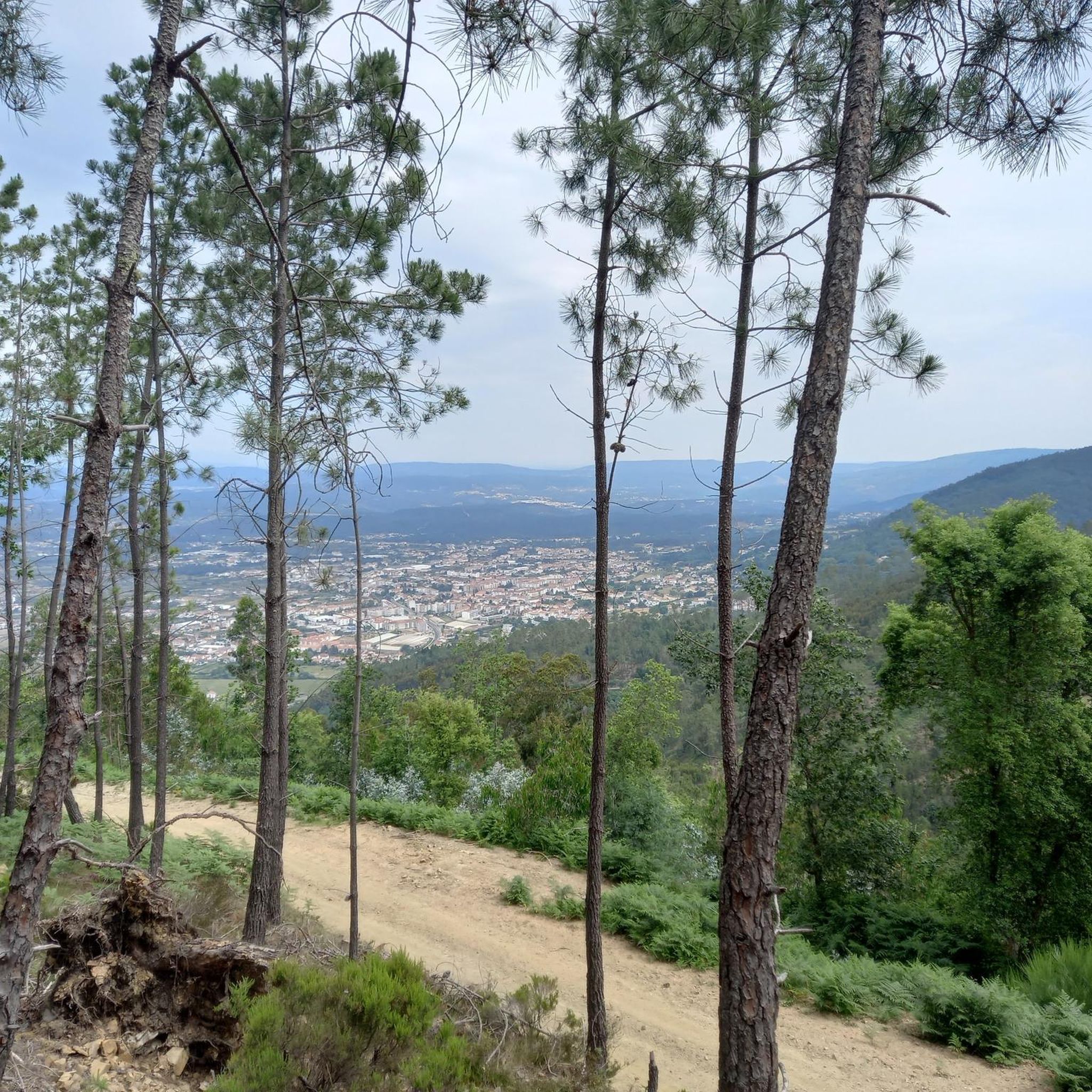
Best attractions and places to see around Penela (Santa Eufémia) include a diverse range of historical sites, traditional villages, and natural viewpoints. The region is characterized by its mountainous terrain, featuring the Serra da Lousã, and its well-preserved cultural heritage. Visitors can explore ancient ruins and unique schist settlements that offer insights into local history and architecture. This area provides opportunities to discover the cultural and natural landscape of central Portugal.
Best attractions and places to see around Penela (Santa Eufémia)
- The most popular attractions is Talasnal Schist Village, a settlement that is well-developed for tourism and offers a magnificent view of the valley. It is one of the best-known and most sought-after shale villages in the region, with restored houses and alleys creating an environment for exploration.
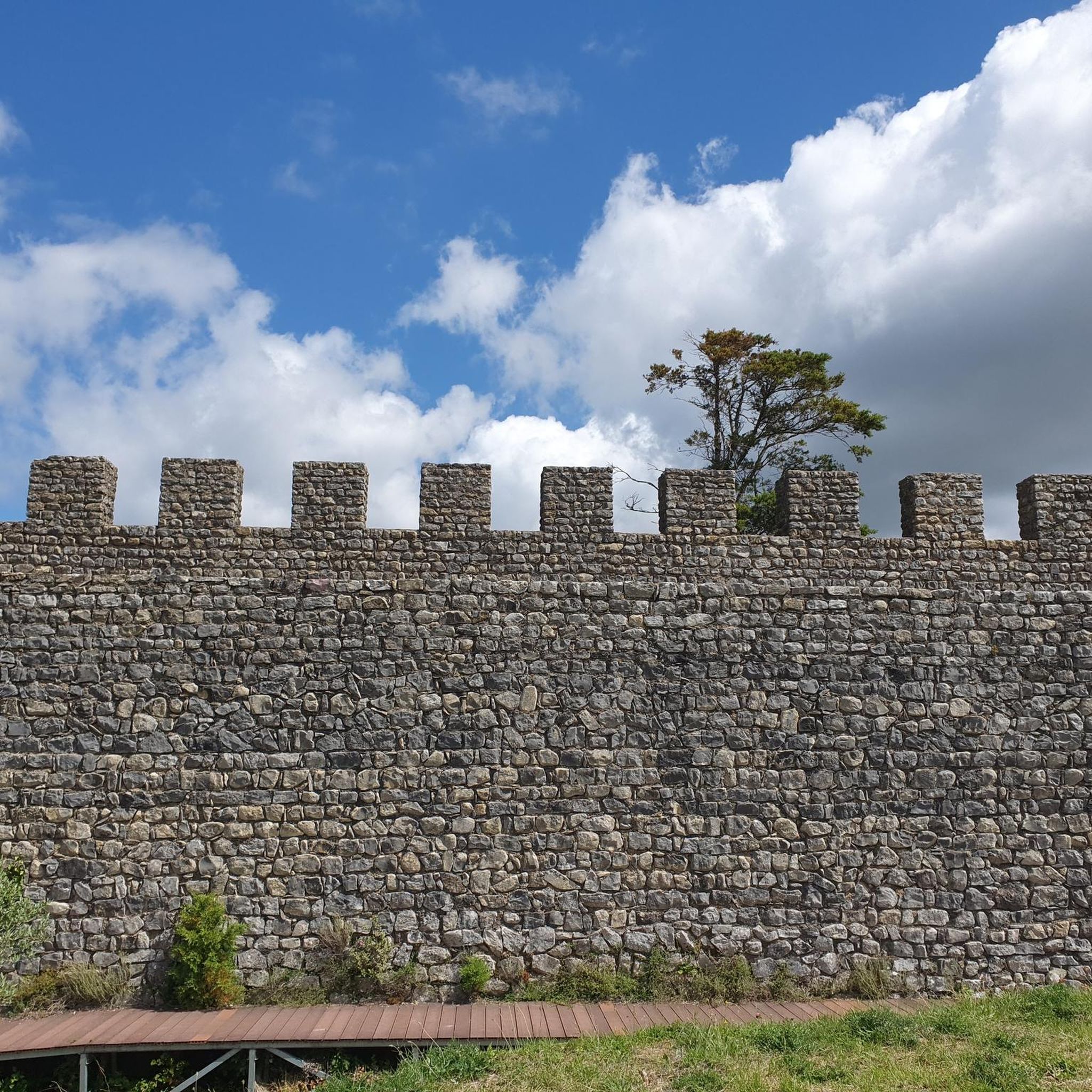
- Another must-see spot is Lousã Castle, a castle built in the 11th century located in the Serra da Lousã. Entry is free, and climbing the tower provides an excellent view, with hiking trails nearby.
- Visitors also love Conímbriga Roman Ruins, an ancient city of Lusitania featuring thermal baths, a forum, city walls, and intricate mosaics. This archaeological site preserves the grandeur of Roman rule, with evidence of its history visible among the ruins.
- Penela (Santa Eufémia) is known for its historical sites, traditional schist villages, and scenic viewpoints. The area offers a variety of attractions to see and explore, from ancient Roman settlements to charming mountain communities.
- The attractions around Penela (Santa Eufémia) are appreciated by the komoot community, with more than 100 upvotes and over 130 photos shared by visitors.
Last updated: July 1, 2026
Talasnal Schist Village
Highlight • Settlement
Translated by Google •
Tip by

Lousã Castle
Highlight • Castle
Translated by Google •
Tip by

Sign up now to discover places like this
Get recommendations on the best single tracks, peaks, & plenty of other exciting outdoor places.
Sign up for free
Conímbriga Roman Ruins
Highlight • Historical Site
Although only a small part has been excavated, the grandeur the city held throughout its almost six centuries under Roman rule is evident. The second wall, hastily erected with stone taken from entire buildings, reveals a time of threat and decline, a prelude to the abandonment that followed the Suebian invasions.
Today, among fallen columns and pavements that still gleam in the sun, Conímbriga continues to intrigue and amaze, preserving in its ruins the stories that time has almost erased.
Translated by Google •
Tip by

Roman Ruins of Conímbriga
Highlight • Historical Site

Ponte da Cal
Highlight • Bridge
Popular memory links it to the passage of Queen Saint Isabel, inspiration for the old bathing tanks next to the bridge (one for women, the other for men). Legend says that the waters became miraculous after the queen refreshed herself here, giving rise to the famous "holy baths". The small chapel was built to mark this devotion.
Translated by Google •
Tip by
Sign up for free to discover even more attractions around Penela (Santa Eufémia).
Sign up for free
Already have an account?
Start today with a free account
Your next adventure awaits.
Login or Signup

Tips from the Community


At the entrance to Ansião, the Ponte da Cal bridge crosses the serene Nabão River. Built in the 17th century, it formed part of the old road axis between Coimbra and Lisbon and reveals, beneath its two perfect arches, curious marks sculpted by time. Popular memory links it to the passage of Queen Saint Isabel, inspiration for the old bathing tanks next to the bridge (one for women, the other for men). Legend says that the waters became miraculous after the queen refreshed herself here, giving rise to the famous "holy baths". The small chapel was built to mark this devotion.
1
1
Conímbriga, an ancient city of Lusitania, is the most impressive Roman complex in Portugal, a place where history still breathes among its baths, forum, amphitheater, and uniquely delicate mosaics, such as those in the famous House of Fountains. Although only a small part has been excavated, the grandeur the city held throughout its almost six centuries under Roman rule is evident. The second wall, hastily erected with stone taken from entire buildings, reveals a time of threat and decline, a prelude to the abandonment that followed the Suebian invasions. Today, among fallen columns and pavements that still gleam in the sun, Conímbriga continues to intrigue and amaze, preserving in its ruins the stories that time has almost erased.
2
0


A charming historic bridge located in the municipality of Ansião, in the district of Leiria, Portugal. Probably built in the 17th century, this arched structure consists of two full arches and a gently sloping trestle deck. Beneath one of the arches is a stone basin, which, according to local tradition, was used by Queen Saint Isabel to bathe during her visits to the region.
5
1

Here you can watch archaeologists at work.
1
0
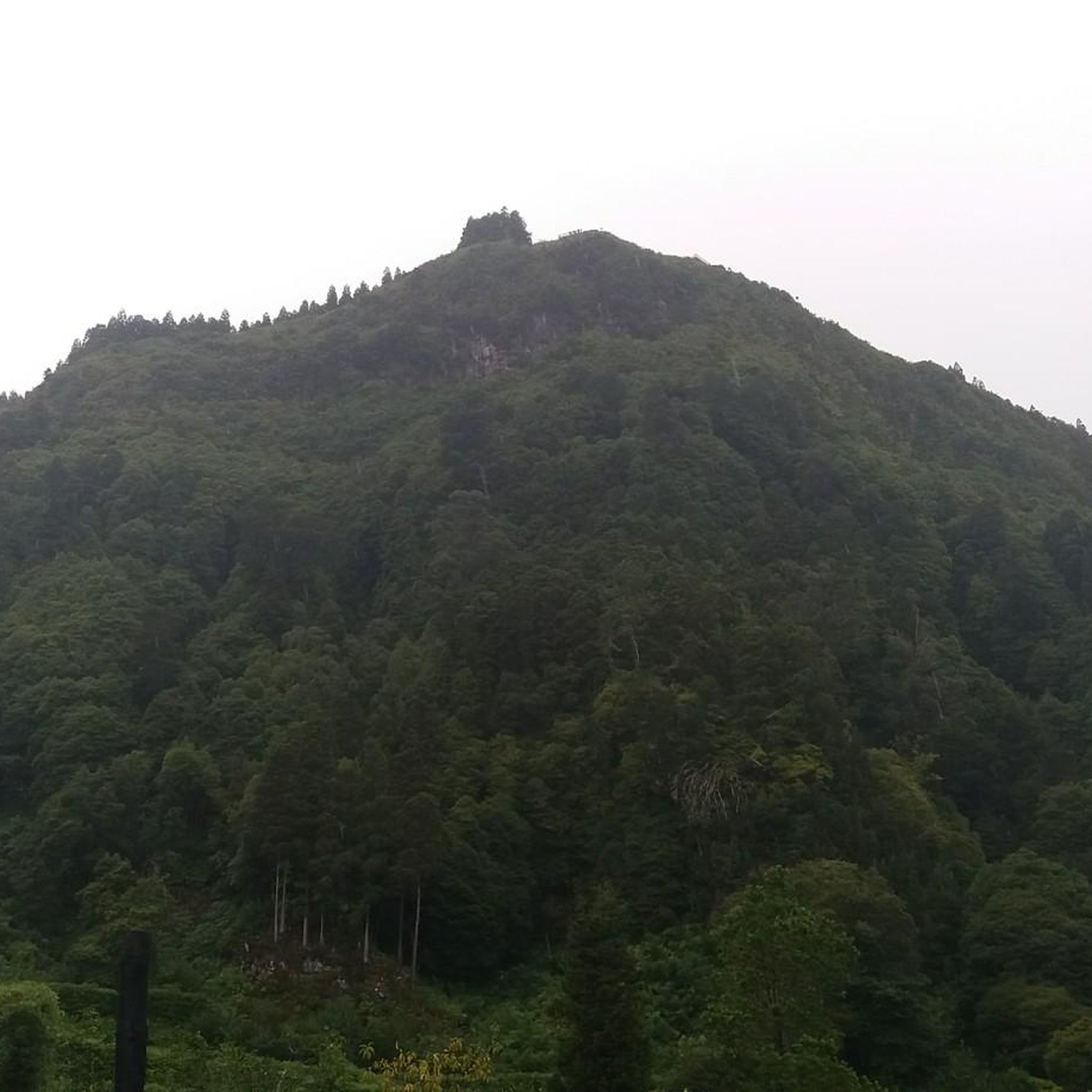
Hidden among the dense greenery of the Serra da Lousã, the Castle has stood since the 11th century, guarding the right bank of the Arouce River. Entry is free, as is parking, and the surroundings are pure enchantment. From here, there are trails that wind through schist villages, cross magical forests and reveal breathtaking viewpoints. A perfect starting point for those who enjoy running between history and nature.
2
0
Frequently Asked Questions
What historical sites can I explore around Penela (Santa Eufémia)?
The region offers several significant historical sites. You can visit Lousã Castle, an 11th-century fortress with free entry and excellent views from its tower. Additionally, the Conímbriga Roman Ruins provide a glimpse into ancient Lusitania with thermal baths, a forum, and intricate mosaics.
Where can I experience traditional schist villages in the area?
You can explore charming schist villages such as Talasnal Schist Village, which is well-developed for tourism with restored houses and cafes, offering magnificent valley views. Another option is Chiqueiro Village, a more secluded settlement hidden among pine forests, known for its rustic charm and a spectacular viewpoint over Lousã.
Are there any Roman ruins to visit near Penela (Santa Eufémia)?
Yes, the Conímbriga Roman Ruins are a must-see. This impressive archaeological site features thermal baths, a forum, city walls, and delicate mosaics, showcasing the grandeur of Roman rule in Portugal. A visit to the on-site museum is also recommended.
What are some family-friendly attractions around Penela (Santa Eufémia)?
Both the Talasnal Schist Village and the Conímbriga Roman Ruins are considered family-friendly. Talasnal offers an engaging environment for exploration with its unique architecture, while Conímbriga provides an educational and fascinating journey through ancient history.
Are there good viewpoints for scenic photography in the region?
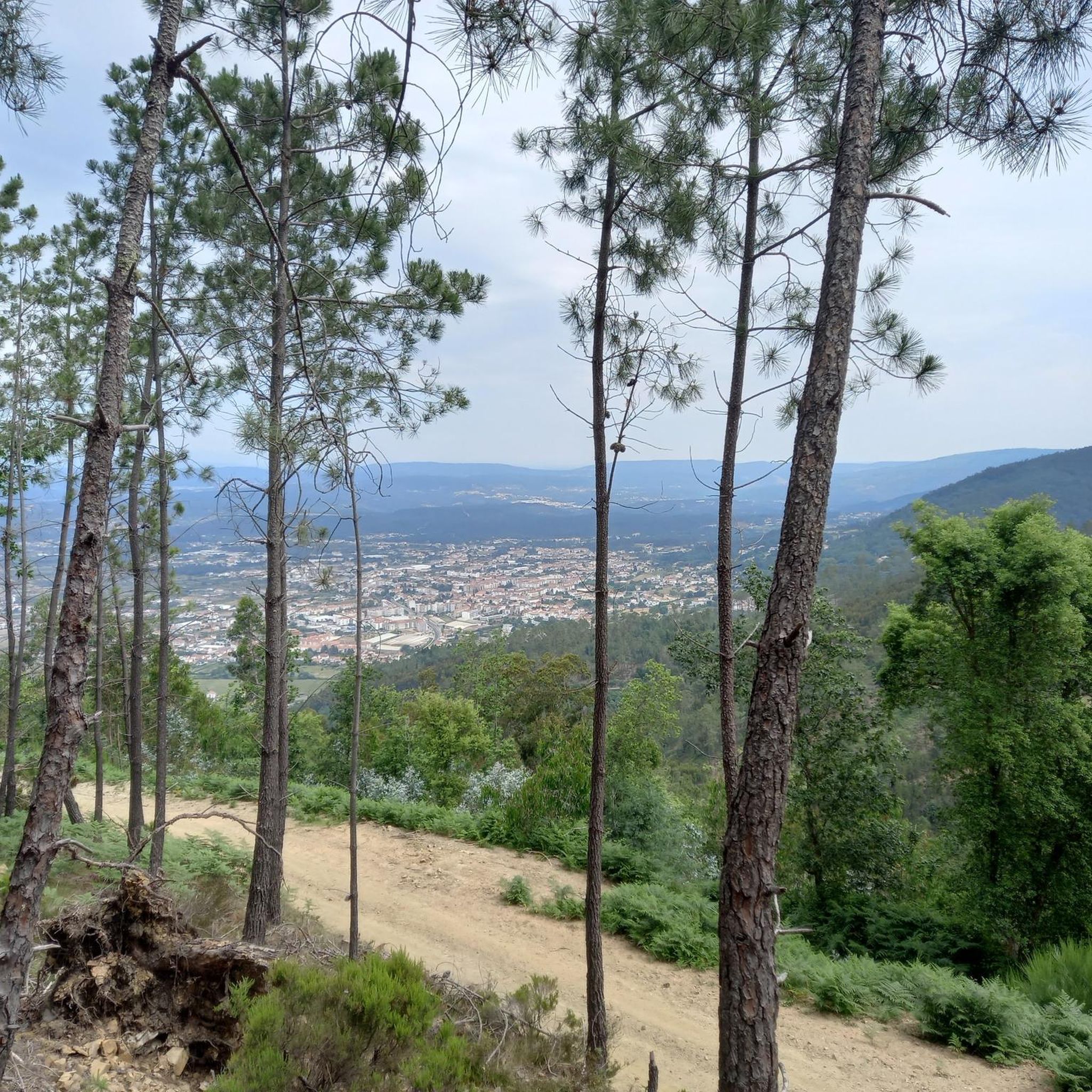
Absolutely. Talasnal Schist Village offers a magnificent view of the valley. Climbing the tower at Lousã Castle provides an excellent panoramic view. Additionally, Chiqueiro Village has a very well-maintained picnic area with one of the most spectacular viewpoints over the town of Lousã.
What outdoor activities are available around Penela (Santa Eufémia)?
The mountainous terrain of the Serra da Lousã is ideal for various outdoor activities. You can find numerous routes for gravel biking, cycling, and running. For detailed routes, explore the guides for Gravel biking around Penela (Santa Eufémia), Cycling around Penela (Santa Eufémia), and Running Trails around Penela (Santa Eufémia).
Are there hiking opportunities near the attractions?
Yes, there are great hiking trails near Lousã Castle, including the PR3 Rota da Levada. Many visitors enjoy hiking to Talasnal Schist Village from Lousã Castle, stopping at one of the cafes for a break.
Is there parking available at the main attractions?
Yes, for Lousã Castle, there is easy and free parking available. For Talasnal Schist Village, the area is well-developed for tourism, attracting motorists, so parking options are generally available.
What is the best time to visit Penela (Santa Eufémia) attractions?
The region is characterized by its mountainous terrain, making spring and autumn ideal for comfortable exploration of historical sites and outdoor activities. Summers can be warm, but the natural landscapes offer refreshing experiences. Winters are generally mild, but some trails might be less accessible.
Are there cafes or restaurants near the schist villages?
Yes, Talasnal Schist Village is well-equipped for tourists and features several cafes and restaurants where you can stop for a break and enjoy the magnificent views.
What makes the schist villages unique?
The schist villages, like Talasnal and Chiqueiro, are unique for their traditional architecture, where houses are built predominantly from local schist stone. This gives them a distinctive dark, rustic appearance and allows them to blend seamlessly into the natural mountain landscape of the Serra da Lousã.
Can I find any hidden gems or less-known spots?
Consider visiting Chiqueiro Village. Hidden among pine forests, it's a small settlement with only a couple of inhabitants, offering a sense of timeless simplicity and a quiet escape from more bustling tourist spots. It also features a spectacular viewpoint.
Most popular routes around Penela (Santa Eufémia)
Most popular attractions around Penela (Santa Eufémia)

Get inspired with the komoot mobile app


Explore more
Still not found the Highlight you’re looking for? See guides of the top attractions in other regions:
