The best running trails around Santiago Maior
5.0
(2)
123
runners
16
runs
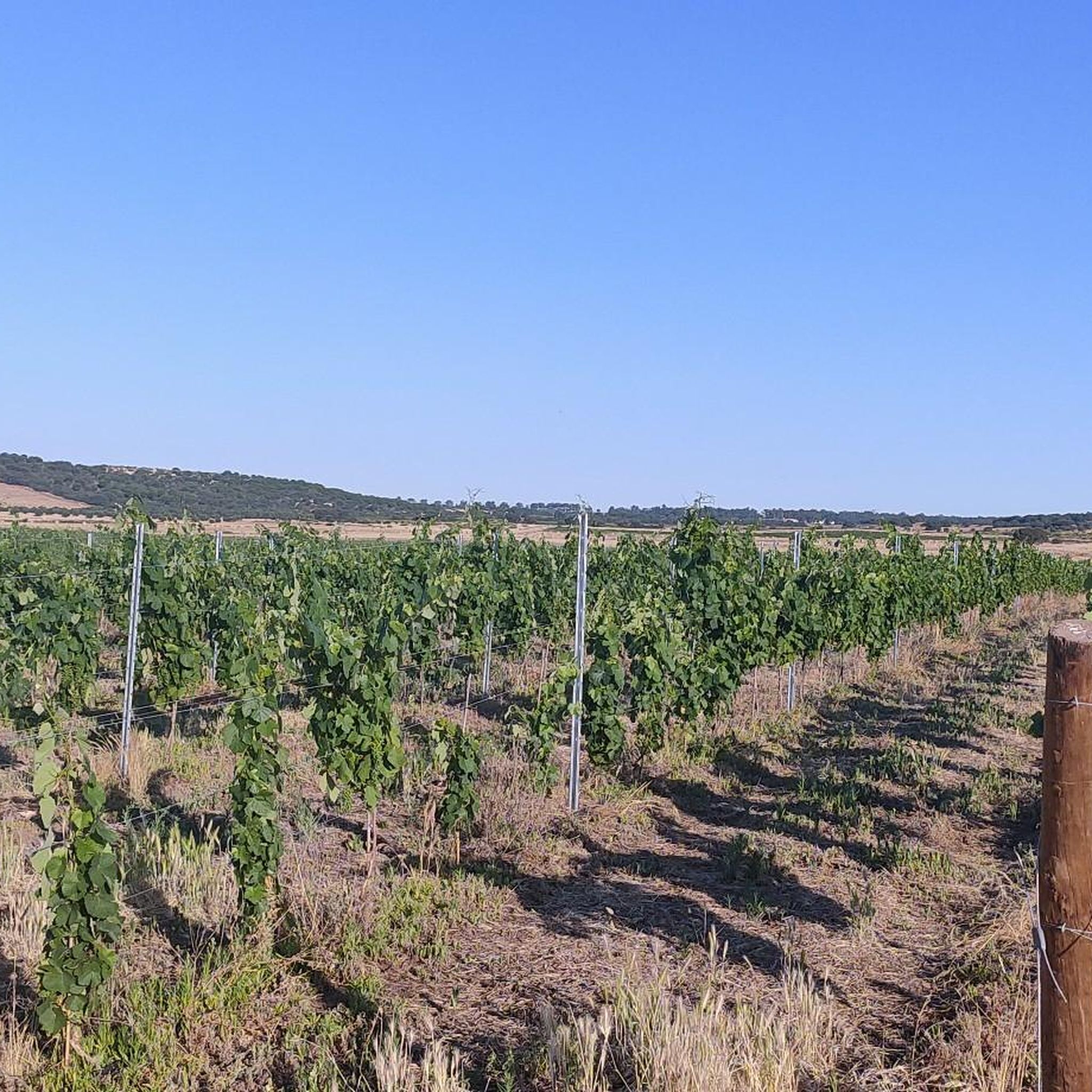
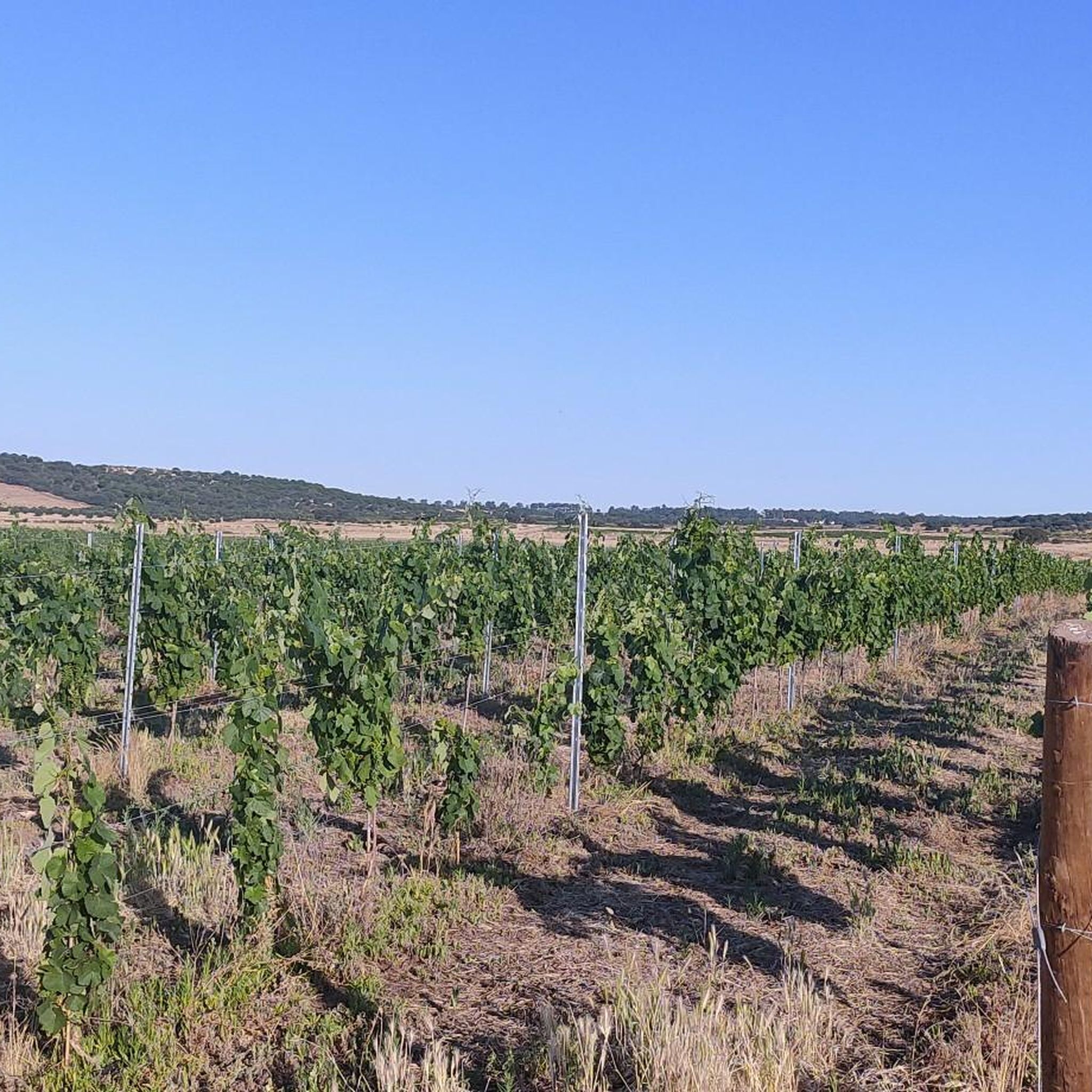
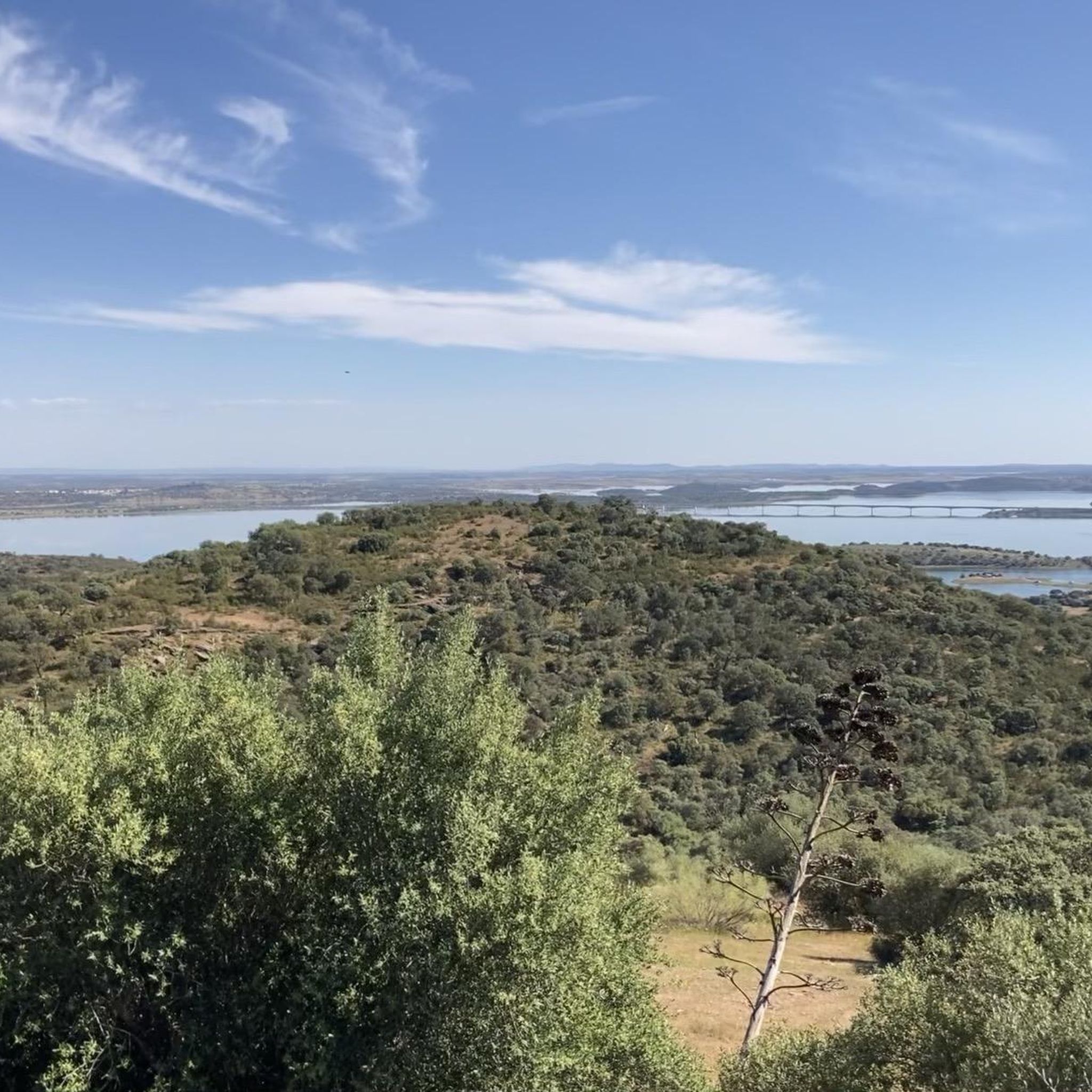
Jogging around Santiago Maior offers a blend of historical and natural landscapes in the Alentejo region of Portugal. The area features rolling hills, open countryside, and riverine areas, providing varied terrain for runners. Routes often pass through ancient villages and past megalithic structures, adding cultural interest to outdoor activity. The region's commitment to ecotourism ensures well-maintained natural environments suitable for running.
Best jogging routes around Santiago Maior
- The most popular jogging route is Running loop from Monsaraz, a 12.9…
Last updated: June 26, 2026
26
runners
20.5km
02:47
710m
720m
Hard run. Very good fitness required. Mostly paved surfaces. Suitable for all skill levels.
22
runners
12.7km
01:39
450m
450m
Hard run. Very good fitness required. Mostly paved surfaces. Suitable for all skill levels.

Sign up for free
17
runners
18.3km
02:17
490m
480m
Hard run. Very good fitness required. Mostly paved surfaces. Suitable for all skill levels.
15
runners
35.9km
04:35
840m
840m
Hard run. Very good fitness required. Mostly paved surfaces. Suitable for all skill levels.
8
runners
28.6km
03:33
480m
480m
Hard run. Very good fitness required. Mostly paved surfaces. Suitable for all skill levels.
Get access to more routes and recommendations from other explorers.
Sign up for free
Already have an account?
Our route recommendations are based on thousands of hikes, rides, and runs completed by other people on komoot.
Start today with a free account
Your next adventure awaits.
Login or Signup
Popular around Santiago Maior
Tips from the Community

This church has a life-size wooden sculpture of Jesus carrying the cross, a wonderful piece of contemporary history.
2
1
According to various booking platforms, the lavishly restored former monastery now houses a 3-star hotel. During our visit in May 2025, the entire site appeared deserted.
3
1
This church already existed in the second half of the 13th century. Currently, this monument hosts art exhibitions as part of the Monsaraz Open Museum's exhibition cycle.
5
0
What's particularly interesting about the Xerez stone group is its square shape. The menhir is located in the center, surrounded by smaller stones. A concrete path leads from the Orada Monastery to it—is this really necessary? A regular path would certainly have sufficed. The entire area appears very neglected.
4
2

The Xerez Cromlech stands on open land, close to the Convent of Orada, and with a view of the walls of Monsaraz. It is the second "home" to prevent it from being submerged by the Alqueva dam. The 55 granite menhirs of the Xerez Cromlech have already been to other places because they were moved here, to the vicinity of the village of Telheiro, in 2004, to prevent submersion by the Alqueva dam. The cromlech was in front of Monte Xerez, close to a dolmen, about 5km from Monsaraz.
8
0
The Menhir do Outeiro (in Portuguese: Menir do Outeiro), also known as Menhir no Sítio do Penedo Comprido, is a megalith located halfway between the villages of Outeiro and Barrada, in the municipality of Reguengos de Monsaraz, in the district of Évora, in the Alentejo region of Portugal, just a few kilometres from the Portuguese-Spanish border. This menhir was discovered in 1969 by Henrique Leonor Pina and José Pires Gonçalves and, on their initiative, it was raised again around 1970. The menhir was classified as a Portuguese National Monument in 1971.
5
0
The churchyard of Barrada, where popular and religious festivals are held. The interior of the church can be used for concerts as part of the activities programme in the square. Proximity to the Barrada Community Centre. Minimum accessibility conditions. Toilets. Spaces for adaptation into dressing rooms.
6
0
Located near Monsaraz, the Convento da Orada stands out in the Alentejo plains. Its church is linked to the name of D. Nuno Álvares Pereira, the Holy Constable who prayed here between his battles against the Castilians. The Convento da Orada was built between 1700 and 1741 and housed the Order of the Discalced Augustinians until the beginning of the 19th century. The Convento is currently managed by the Fundação do Convento da Orada, which promotes the safeguarding of the architectural, cultural and artistic heritage.
7
0
Frequently Asked Questions
What kind of terrain can I expect on running routes around Santiago Maior?
The running routes around Santiago Maior are characterized by rolling hills and open countryside, typical of the Alentejo region. You'll encounter varied terrain, including paths through olive groves, vineyards, and cork oak forests, providing both scenic beauty and a good workout.
Are there any easy running routes for beginners in Santiago Maior?
Currently, the routes listed for Santiago Maior are primarily rated as moderate to difficult. There are 8 moderate and 6 difficult routes, suggesting that most trails involve significant elevation changes or longer distances. Beginners might find these challenging, but many routes offer stunning views as a reward.
What historical landmarks or natural features can I see while running in Santiago Maior?
Many running routes in Santiago Maior pass by significant historical and natural sites. You can explore the graceful medieval village of Monsaraz Historic Village, its impressive Monsaraz Castle, and the ancient Cromlech of Xerez. Other routes might take you past Castelo de Terena or offer views of the vast Alqueva Reservoir.
Are there any circular running routes available in Santiago Maior?
Yes, many of the running routes in Santiago Maior are circular, allowing you to start and end at the same point. For example, the popular Running loop from Monsaraz and the Main Church of Monsaraz loop from Monsaraz are both excellent circular options that showcase the region's beauty.
What is the average length and duration of running routes in Santiago Maior?
The running routes in Santiago Maior vary in length, generally ranging from around 12.7 km (7.9 miles) to over 27 km (17 miles). Durations can range from approximately 1 hour 40 minutes to over 3 hours, depending on the route and your pace. For instance, the Main Church of Monsaraz loop from Menir da Abelhoa is about 16.4 km (10.2 miles) and takes around 2 hours 9 minutes.
What do other runners say about the trails in Santiago Maior?
The running trails in Santiago Maior are highly regarded by the komoot community, boasting an average rating of 5.0 stars. Runners often praise the unique blend of historical settings, such as the charming streets of Monsaraz, and the expansive, scenic Alentejo countryside.
Are there any routes that offer panoramic viewpoints?
Absolutely! Given the region's rolling hills and historical villages, many routes provide stunning panoramic views. For example, the Main Church of Monsaraz loop from Monsaraz offers vistas of the surrounding countryside, and you can find specific viewpoints like the View of Monsaraz and the Alqueva Dam along certain paths.
Can I find running routes that pass by water bodies or fluvial beaches?
While specific jogging paths directly along rivers are not detailed, the presence of the Alqueva Reservoir and nearby fluvial beaches like Praia Fluvial das Azenhas d'El Rei suggests potential for scenic routes near water. Some routes, such as those offering a View of Monsaraz and the Alqueva Dam, will provide beautiful water views.
Are there any hidden gem running routes in Santiago Maior?
Santiago Maior and its surroundings are known for many 'hidden gems' for outdoor enthusiasts. While not explicitly named as 'hidden gems' in the guide, routes like the Poio Grande – Anta do Lucas loop from Castelo de Terena offer a less-traveled experience through historical sites and open fields, providing a unique perspective of the region.
What is the best time of year to go running in Santiago Maior?
The Alentejo region, where Santiago Maior is located, experiences hot summers. Spring and autumn generally offer milder temperatures, making them ideal for running. The picturesque landscapes with olive groves and vineyards are particularly beautiful during these seasons. Early mornings or late afternoons are recommended during warmer months.
Are there any running routes that connect to other villages or towns?
Yes, some routes connect to or pass through other notable villages and historical sites. For instance, the Poio Grande – Anta do Lucas loop starts near Castelo de Terena, allowing you to explore more of the region's rich heritage while running.
Most popular routes around Santiago Maior
Most popular attractions around Santiago Maior

Get inspired with the komoot mobile app


Explore more
Browse the best Running Trails & Routes in other regions.
