The best running trails around Nossa Senhora Da Boa Fé
16
runners
2
runs
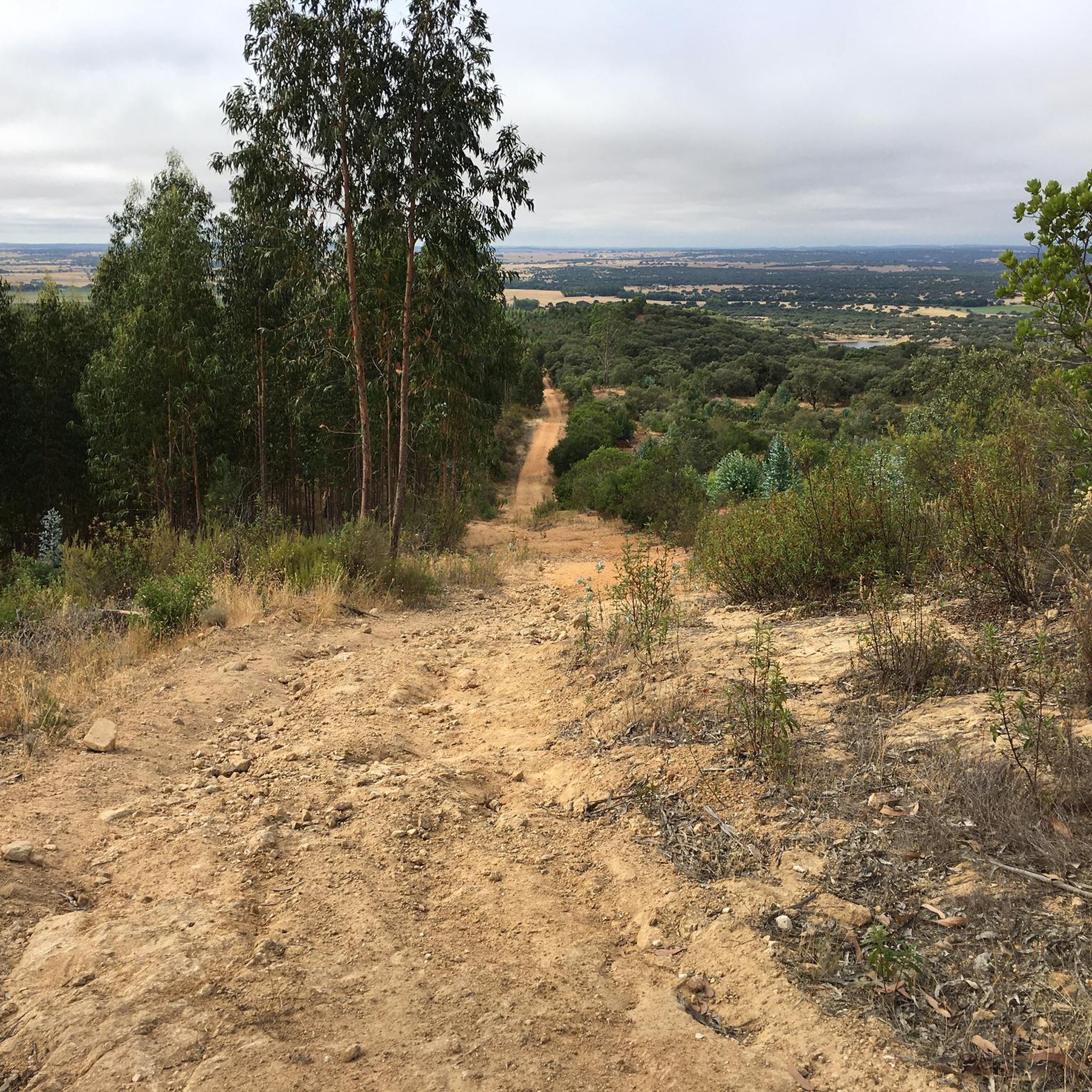
Jogging around Nossa Senhora Da Boa Fé offers routes through a landscape characterized by undulating terrain and rural paths. The region features a mix of open areas and routes that pass near historic sites. Elevation gains are present on many routes, providing a challenging experience for runners.
Best jogging routes around Nossa Senhora Da Boa Fé
- The most popular jogging route is Alto São Bento loop from Évora, a 10.4 miles (16.8 km) trail that takes 1 hour 52…
Last updated: July 2, 2026
7
runners
16.8km
01:52
200m
200m
Hard run. Very good fitness required. Mostly paved surfaces. Suitable for all skill levels.
5
runners
18.4km
02:18
280m
280m
Hard run. Very good fitness required. Mostly paved surfaces. Suitable for all skill levels.

Sign up for free
4
runners
21.8km
02:46
420m
420m
Hard run. Very good fitness required. Mostly paved surfaces. Suitable for all skill levels.
Our route recommendations are based on thousands of hikes, rides, and runs completed by other people on komoot.
Start today with a free account
Your next adventure awaits.
Login or Signup
Popular around Nossa Senhora Da Boa Fé
Tips from the Community

Giraldo Castle, or Geraldo Castle, is located in Nossa Senhora de Guadalupe, in the current parish of Nossa Senhora da Tourega and Nossa Senhora de Guadalupe, in the Municipality of Évora, District of Évora, in Portugal. It is a castro, a proto-historic fortified structure with origins in the Bronze Age or even the Chalcolithic, but with traces of later occupations. It has a subcircular plan and an outer perimeter of 114 meters. The wall that has survived to the present day probably belonged to a period of medieval occupation. Sources from the 15th century refer to the fortification, associating it with the presence of Geraldo Sem Pavor, a warrior who conquered Évora from the Muslims in 1165. It is currently in the process of being classified.
5
1
The site in Nossa Senhora da Tourega e Nossa Senhora de Guadalupe has been continuously occupied since 3000 B.C. and 1000 A.D. It was founded on a castro fortified proto-historic structure, with its origin in the Bronze Age, Chalcolithic, with vestiges from older settlements. During the Middle Ages it was sporadically re-occupied and reconstructed. Records from the 15th century indicate that the castle was associated with Giraldo Sem Pavor, a warrior who conquered Évora from the Muslims in 1165. Today the site is being analyzed for classification.
5
0

It can be done walking or running. It can be done walking or running.
0
0
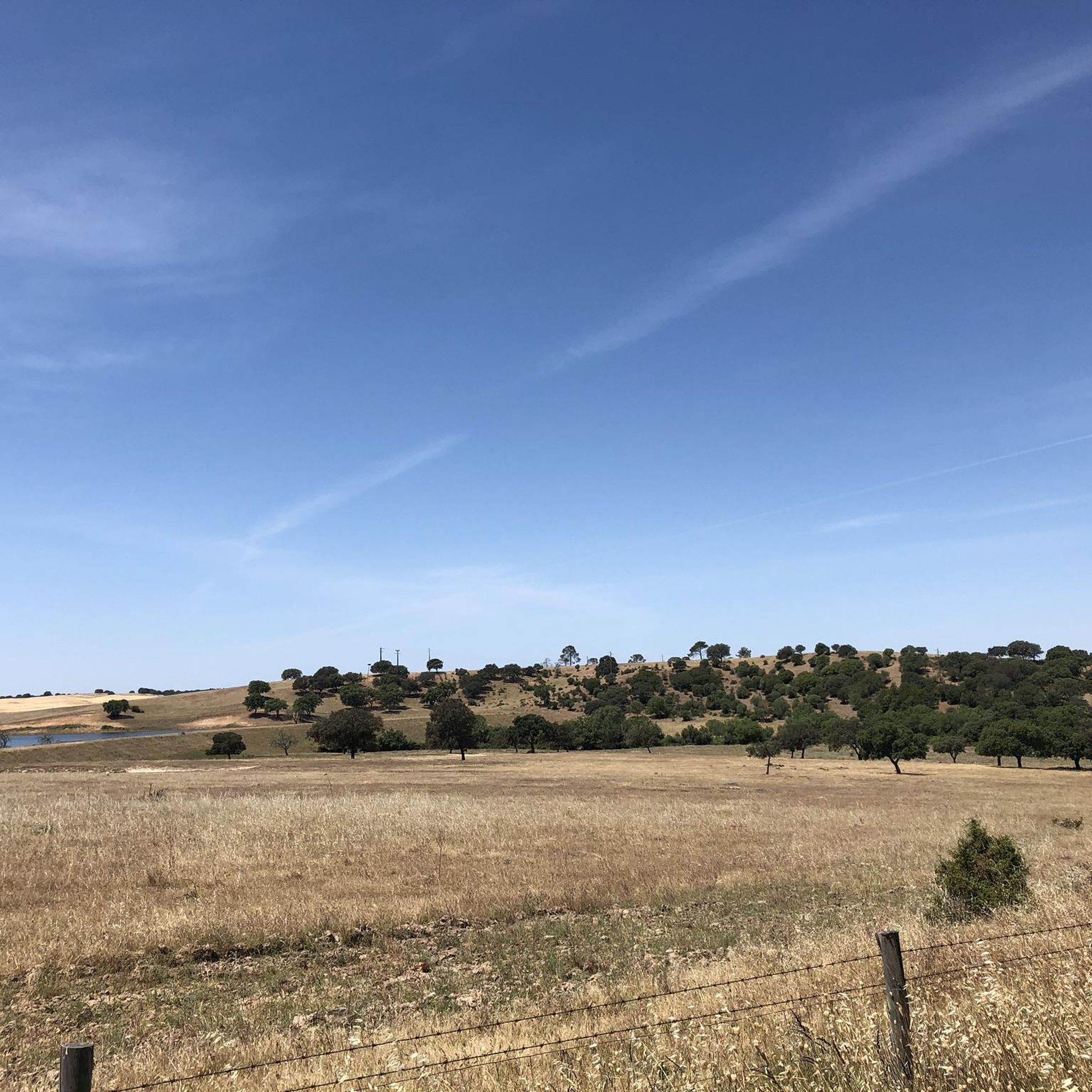
It can be explored on foot or by bicycle. It is 8.5 km long. Via the N114 national road, it is possible to access this marker and admire the Alentejo landscape. It can be explored on foot or by bicycle. It is 8.5km long. Via the national road (N114), it is possible to access this marker and admire the Alentejo landscape.
0
0
Frequently Asked Questions
What kind of terrain can I expect on running routes around Nossa Senhora Da Boa Fé?
The region is characterized by undulating terrain and rural paths. You'll encounter a mix of open areas and routes that pass near historic sites. Expect significant elevation gains, making for a challenging running experience.
Are there many challenging running trails in Nossa Senhora Da Boa Fé?
Yes, the running routes around Nossa Senhora Da Boa Fé are primarily designed for experienced runners, featuring significant elevation changes. All routes listed in this guide are rated as difficult, such as the Castelo do Giraldo loop from Valverde with over 280 meters of elevation gain.
Are there any easy or beginner-friendly jogging routes available?
Based on the current selection, the routes around Nossa Senhora Da Boa Fé are generally considered challenging, with all listed tours rated as difficult and featuring significant elevation gains. There are no easy or moderate routes highlighted in this guide, suggesting the area is better suited for more experienced runners.
Can I find circular running routes in this area?
Yes, all the featured running routes in Nossa Senhora Da Boa Fé are circular loops. For example, you can explore the Alto São Bento loop from Évora or the Cruz do Preto – Vale do Cardo loop from Valverde, both offering a return to your starting point.
What are some scenic points or historical sites I might see while jogging?
While jogging through the rural landscapes, you might encounter various historical and natural monuments. Notable attractions nearby include the ancient Almendres Cromlech and Almendres Menhir, as well as the impressive Great Dolmen of Zambujeiro.
Are the running trails around Nossa Senhora Da Boa Fé suitable for families?
Given that the routes in this guide are described as difficult with significant elevation changes, they may not be ideal for all families, especially those with young children or beginners. These trails are primarily suited for experienced runners seeking a challenge.
What is the best time of year to go jogging in Nossa Senhora Da Boa Fé?
To avoid the intense summer heat of the Alentejo region, the best times for jogging are typically during the spring (March to May) and autumn (September to November). During these seasons, temperatures are milder, and the landscape is often at its most vibrant.
Are there any short jogging trails in the area?
The routes highlighted in this guide are generally longer, ranging from approximately 16.8 km (10.4 miles) to 22.4 km (13.9 miles). If you're looking for shorter options, you might need to explore segments of these longer trails or look for local paths not specifically listed as full running routes.
Is parking available near the starting points of these running routes?
While specific parking information isn't detailed for every route, as these trails often start from towns like Évora or Valverde, you can typically find public parking options within these localities. It's advisable to check local parking availability before your run.
Can I access these jogging routes using public transport?
Nossa Senhora Da Boa Fé is a rural area. While major towns like Évora have public transport connections, access to specific trailheads might require a combination of public transport and a short walk or taxi ride. It's best to research local bus schedules to Évora or Valverde if you plan to rely on public transport.
Are dogs allowed on the running trails in Nossa Senhora Da Boa Fé?
Generally, dogs are permitted on rural paths and trails in Portugal, especially if kept on a leash. However, it's always recommended to check for any specific local regulations or signage, particularly if trails pass through private land or protected natural areas. Ensure your dog is well-behaved and that you clean up after them.
What is the longest running route featured in this guide?
The longest running route in this guide is the Cruz do Preto – Vale do Cardo loop from Valverde, which spans approximately 22.4 km (13.9 miles) and features over 428 meters of elevation gain.
Most popular routes around Nossa Senhora Da Boa Fé
Most popular attractions around Nossa Senhora Da Boa Fé

Get inspired with the komoot mobile app


Explore more
Browse the best Running Trails & Routes in other regions.
