The best walks and hikes around São Sebastião Da Giesteira
4.4
(43)
205
hikers
8
hikes
Hiking around São Sebastião Da Giesteira offers exploration of the Alentejo plain, characterized by rolling hills, extensive cork oak forests (montado), and olive groves. This rural environment provides a tranquil setting for outdoor activities. The region also features ancient megalithic structures, adding historical interest to the natural landscape.
Best hiking trails around São Sebastião Da Giesteira
- The most popular hiking route is Megalithic Circuit of Évora, a 12.1 miles (19.4 km) trail that takes 5 hours 16 minutes to…
Last updated: October 14, 2026
5.0
(1)
9
hikers
19.4km
05:17
280m
280m
Hard hike. Very good fitness required. Easily-accessible paths. Suitable for all skill levels.
3.9
(18)
92
hikers
9.36km
02:35
160m
160m
Moderate hike. Good fitness required. Easily-accessible paths. Suitable for all skill levels.

4.0
(11)
67
hikers
Easy hike. Great for any fitness level. Easily-accessible paths. Suitable for all skill levels.
4.8
(6)
12
hikers
16.8km
04:33
230m
230m
Moderate hike. Good fitness required. Easily-accessible paths. Suitable for all skill levels.
5.0
(1)
12
hikers
4.38km
01:14
90m
90m
Easy hike. Great for any fitness level. Easily-accessible paths. Suitable for all skill levels.
Get access to more routes and recommendations from other explorers.
Already have an account?
Our route recommendations are based on thousands of hikes, rides, and runs completed by other people on komoot.
Start today with a free account
Your next adventure awaits.



Tips from the Community

Cromeleque dos Almendres, located near Évora, is the largest and most important megalithic monument in the Iberian Peninsula. Built between the late 6th and 3rd millennium BC, it is about 2000 years older than Stonehenge. VisitEvora +3 This "Portuguese Stonehenge" is composed of about 95 granite monoliths (menhirs) arranged in circles and ellipses on a gentle slope in the Serra do Monfurado. VisitEvora +1
1
0
The Cromeleque dos Almendres, located in Nossa Senhora de Guadalupe, Évora, is the most important megalithic monument on the Iberian Peninsula and one of the largest in Europe. Composed of about 95 stone monoliths (menhirs) arranged in concentric circles, this enclosure is about 2,000 years older than the famous Stonehenge. 👍🥾
1
0

Snack Bar in the center of Valverde, where you can eat good Alentejo snacks at very affordable prices. Very simple and family-friendly space. Closed on Wednesdays.
5
0
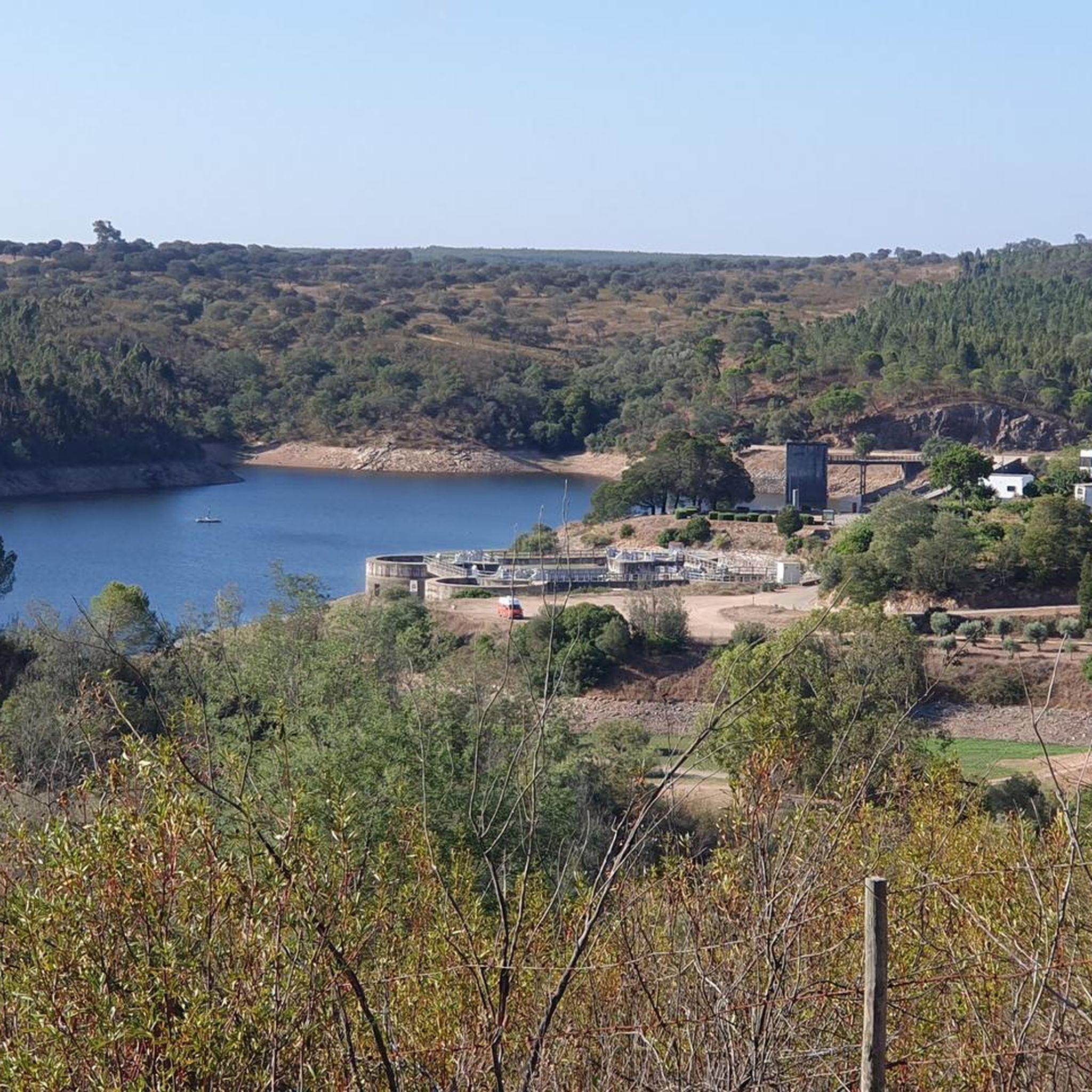
Dam on the Ribeira de Valverde, a tributary of the Sado River.
3
0
Giraldo Castle, or Geraldo Castle, is located in Nossa Senhora de Guadalupe, in the current parish of Nossa Senhora da Tourega and Nossa Senhora de Guadalupe, in the Municipality of Évora, District of Évora, in Portugal. It is a castro, a proto-historic fortified structure with origins in the Bronze Age or even the Chalcolithic, but with traces of later occupations. It has a subcircular plan and an outer perimeter of 114 meters. The wall that has survived to the present day probably belonged to a period of medieval occupation. Sources from the 15th century refer to the fortification, associating it with the presence of Geraldo Sem Pavor, a warrior who conquered Évora from the Muslims in 1165. It is currently in the process of being classified.
5
1
The site in Nossa Senhora da Tourega e Nossa Senhora de Guadalupe has been continuously occupied since 3000 B.C. and 1000 A.D. It was founded on a castro fortified proto-historic structure, with its origin in the Bronze Age, Chalcolithic, with vestiges from older settlements. During the Middle Ages it was sporadically re-occupied and reconstructed. Records from the 15th century indicate that the castle was associated with Giraldo Sem Pavor, a warrior who conquered Évora from the Muslims in 1165. Today the site is being analyzed for classification.
5
0
The Roman Villa of Our Lady of Tourega, or Villa Romana da Tourega, is the remains of a Roman villa located in the parish of Our Lady of Tourega and Our Lady of Guadalupe (in the former parish of Our Lady of Tourega), in the municipality and district of Évora. The Roman Villa of Tourega has been classified as a Site of Public Interest since 2012
5
0
Pego existing in Ribeira de Valverde, near Monte da Curva
6
1
Frequently Asked Questions
What kind of landscape can I expect when hiking around São Sebastião Da Giesteira?
The region is characterized by the Alentejo plain, featuring rolling hills, extensive cork oak forests (montado), and olive groves. This rural environment offers a tranquil setting and direct contact with nature, providing a picturesque backdrop for your hikes.
Are there hiking options for different skill levels?
Yes, the area offers a variety of routes suitable for different abilities. You'll find 4 easy routes, 3 moderate trails, and 1 difficult hike, ensuring options for both casual walkers and more experienced hikers.
What historical sites can I discover while hiking in the area?
The region is rich in ancient history. You can explore significant megalithic structures such as the Almendres Cromlech, an ancient site with about 100 stones, and the nearby Almendres Menhir. Another notable site is the Great Dolmen of Zambujeiro.
Are there any circular hiking routes available?
Yes, several routes are circular, allowing you to start and end at the same point. For example, the Almendres Menhir – Almendres Cromlech loop from Guadalupe is a moderate 5.8-mile (9.4 km) path, and the Almendres Cromlech loop from Almendres Cromlech is an easy 3.1-mile (5.0 km) trail.
What is the best time of year to go hiking in São Sebastião Da Giesteira?
The Alentejo region generally experiences hot, dry summers and mild winters. Spring and autumn are often considered the best times for hiking, offering pleasant temperatures and vibrant natural scenery. During these seasons, the montado and olive groves are particularly beautiful.
Can I find longer, more challenging hikes in the area?
Yes, for those seeking a more demanding experience, the Megalithic Circuit of Évora is a difficult 12.1-mile (19.4 km) trail. It connects several ancient sites and typically takes over 5 hours to complete.
Are there any easy or beginner-friendly trails?
Absolutely. An easy option is the Almendres Menhir loop from Guadalupe, which is about 2.7 miles (4.4 km) long. This route offers a gentle introduction to the region's natural beauty and historical sites.
What do other hikers say about the trails around São Sebastião Da Giesteira?
The routes in São Sebastião Da Giesteira are highly rated by the komoot community, with an average score of 4.6 stars from over 30 reviews. Hikers often praise the tranquil environment, the unique historical sites, and the beautiful Alentejo landscape.
Are there any natural monuments or unique trees to see?
Yes, beyond the ancient stone structures, you can also find impressive natural features. Look out for the Great Cork Oak, a significant natural monument in the area, showcasing the region's characteristic montado landscape.
Is there an option to combine hiking with cycling?
Yes, the Ecopista of the Ramal de Mora (Évora – Arraiolos) is a green path built along an old railway. It's ideal for both cycling and hiking, traversing natural landscapes and connecting Évora with Arraiolos, allowing you to enjoy the typical Alentejo plain.
What other attractions are nearby that I can visit?
While hiking, you can also consider visiting the Montemor-o-Novo Castle. Although a bit further afield, this medieval castle offers historical exploration and significant testimonies of medieval and modern history.
Are the trails suitable for families with children?
Many of the easier and moderate circular routes, especially those leading to the megalithic sites, can be suitable for families. The relatively flat terrain of the Alentejo plain and the historical interest of sites like the Almendres Cromlech can make for an engaging family outing. Always check the specific route details for distance and elevation to ensure it matches your family's capabilities.
What are the typical trail conditions like?
The trails primarily traverse the Alentejo plain, meaning you can expect paths through rolling hills, cork oak forests, and olive groves. Surfaces are generally natural earth paths, which can be dry and dusty in summer or potentially muddy after rain. The region's rural environment ensures a peaceful hiking experience.
Most popular attractions around São Sebastião Da Giesteira

Get inspired with the komoot mobile app


Explore more
Browse the best Hikes in other regions.
