Attractions and Places To See around Santiago Do Escoural - Top 20
Attractions and places to see around Santiago Do Escoural include a range of historical, cultural, and natural sites. This civil parish in Portugal's Évora district is known for its prehistoric monuments and traditional Alentejo landscape. The area features rolling plains, olive groves, and cork oak woodlands. Visitors can explore ancient archaeological sites and observe characteristic whitewashed houses.
Best attractions and places to see around Santiago Do Escoural
- The most popular attractions is Almendres Cromlech, a historical site consisting of…
Last updated: August 26, 2026
Almendres Cromlech
Highlight • Historical Site
Translated by Google •
Tip by

Montemor-o-Novo Castle
Highlight • Castle
This castle was conquered from the Moors by order of D. Afonso Henriques, and its current walls were built during the reign of D. Dinis.
Translated by Google •
Tip by

Sign up now to discover places like this
Get recommendations on the best single tracks, peaks, & plenty of other exciting outdoor places.
Sign up for free
Almendres Menhir
Highlight • Monument
Translated by Google •
Tip by
Clock Tower
Highlight • Monument
Built during the reign of King Dinis (13th – 14th centuries), it became the castle’s main defence tower. …
Translated by Google •
Tip by

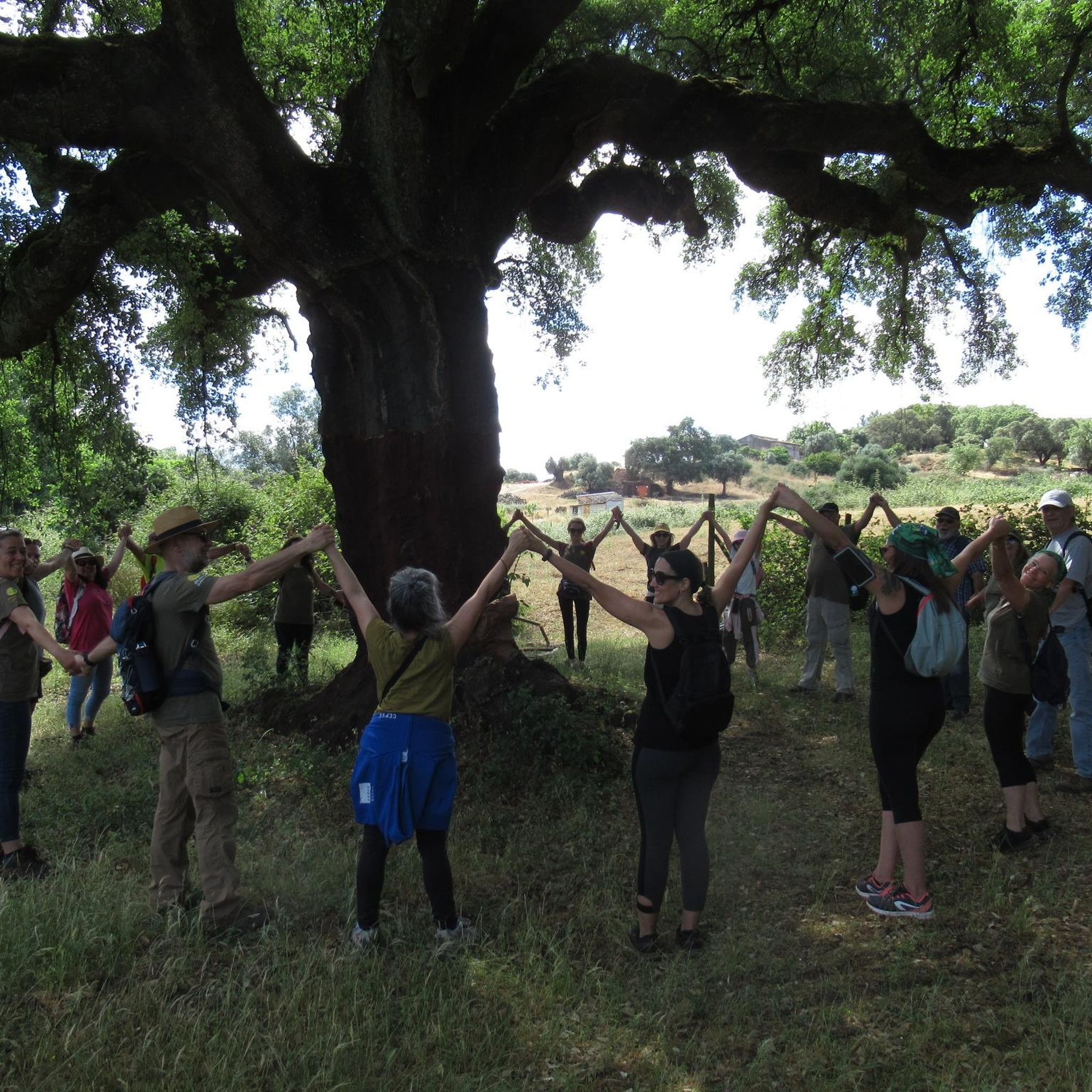
Cork Oaks on the Way to the Menhir
Highlight • Forest
Translated by Google •
Tip by

Sign up for free to discover even more attractions around Santiago Do Escoural.
Sign up for free
Already have an account?
Start today with a free account
Your next adventure awaits.
Login or Signup

Tips from the Community

Cromeleque dos Almendres, located near Évora, is the largest and most important megalithic monument in the Iberian Peninsula. Built between the late 6th and 3rd millennium BC, it is about 2000 years older than Stonehenge. VisitEvora +3 This "Portuguese Stonehenge" is composed of about 95 granite monoliths (menhirs) arranged in circles and ellipses on a gentle slope in the Serra do Monfurado. VisitEvora +1
1
0
The Cromeleque dos Almendres, located in Nossa Senhora de Guadalupe, Évora, is the most important megalithic monument on the Iberian Peninsula and one of the largest in Europe. Composed of about 95 stone monoliths (menhirs) arranged in concentric circles, this enclosure is about 2,000 years older than the famous Stonehenge. 👍🥾
1
0

Montemor-o-Novo Castle is located in the parish of Nossa Senhora da Vila, in the municipality of Montemor-o-Novo, in the district of Évora, in Alentejo, Portugal. In a dominant position on the highest hill in the region, the castle originally sheltered the village within its walls, which, as it developed, expanded along the slope to the north. Historical documents confirm that Vasco da Gama finalized his plans for his voyage to India in this castle. Background The earliest human occupation of this site possibly dates back to a prehistoric Romanized fort, according to the abundant archaeological evidence in the region. This was where the Roman roads from Santarém and the mouth of the River Tagus met, continuing via Évora to Mérida. The site would have been fortified for this reason. Centuries later, during the Muslim invasion of the Iberian Peninsula, the name Almançor remained in the region, in the toponymy of the Almansor river. Some authors claim that there was also a Muslim fortification here. The medieval castle During the Christian reconquest of the Iberian Peninsula, the town was conquered by Portuguese forces under the command of D. Sancho I (1185-1211). With a view to repopulating and defending it, the sovereign granted it a Charter in 1203. It is believed that the construction of the medieval castle began at this stage. During the reign of D. Dinis (1279-1325), major reforms were undertaken to the town's defences, including the construction of the town's fence, which was completed in 1365. Once the Avis dynasty was established, the domain of Montemor-o-Novo became a third part of the lordship of Constable D. Nuno Álvares Pereira. Throughout the 15th century, the castle underwent renovation work, carried out by master stonemason Afonso Mendes de Oliveira. In the 15th and 16th centuries, the town reached its greatest prosperity, due not only to regional trade, but also to the fact that the Court remained for long periods in Évora, which made the town the scene of events such as the Cortes of 1495, when King Manuel I (1495-1521) decided to discover the sea route to India. This sovereign granted the town a new charter in 1503. Later, under the reign of King Sebastian (1557-1578), it was granted the title of Notable Town (1563), considering it to be an ancient place with a large population.
7
1

The Clock Tower is currently the symbol of the city of Montemor-o-Novo. Built during the reign of King Dinis (13th – 14th centuries), it became the castle’s main defence tower. It underwent major renovations in the 16th century, when the Guard House was incorporated and a bell tower was installed to hold the clock bells. The clock had three bronze bells: one for the hours, another for the half-hours and the last for the quarter-hours. The main access door to the castle is located under the Clock Tower. It is called the town or Santarém gate. Classification: MN – National Monument, Decree no. 38 147, DG, 1st series, no. 4 of 5 January 1951 *1 / ZEP / “Non-built” zone, DG, 2nd series, no. 177 of 28 July 1962
10
0
Montemor-o-Novo Castle is the original site of the medieval town of Montemor-o-Novo. This castle was conquered from the Moors by order of D. Afonso Henriques, and its current walls were built during the reign of D. Dinis. It was gradually abandoned by the population from the 15th century onwards, and today it preserves important testimonies of the medieval and modern history of Montemor-o-Novo, such as sections of the wall, the Paço dos Alcaides, the Church of Santiago (currently the Castle Interpretation Centre), the Church of Santa Maria do Bispo, the Clock Tower, the Porta da Vila, the Porta do Anjo, the Torre da Má Hora and the Convento da Saudação. (Source: https://www.feriasemportugam.com)
17
0

Stands a little off to the side and is impressive.
3
0
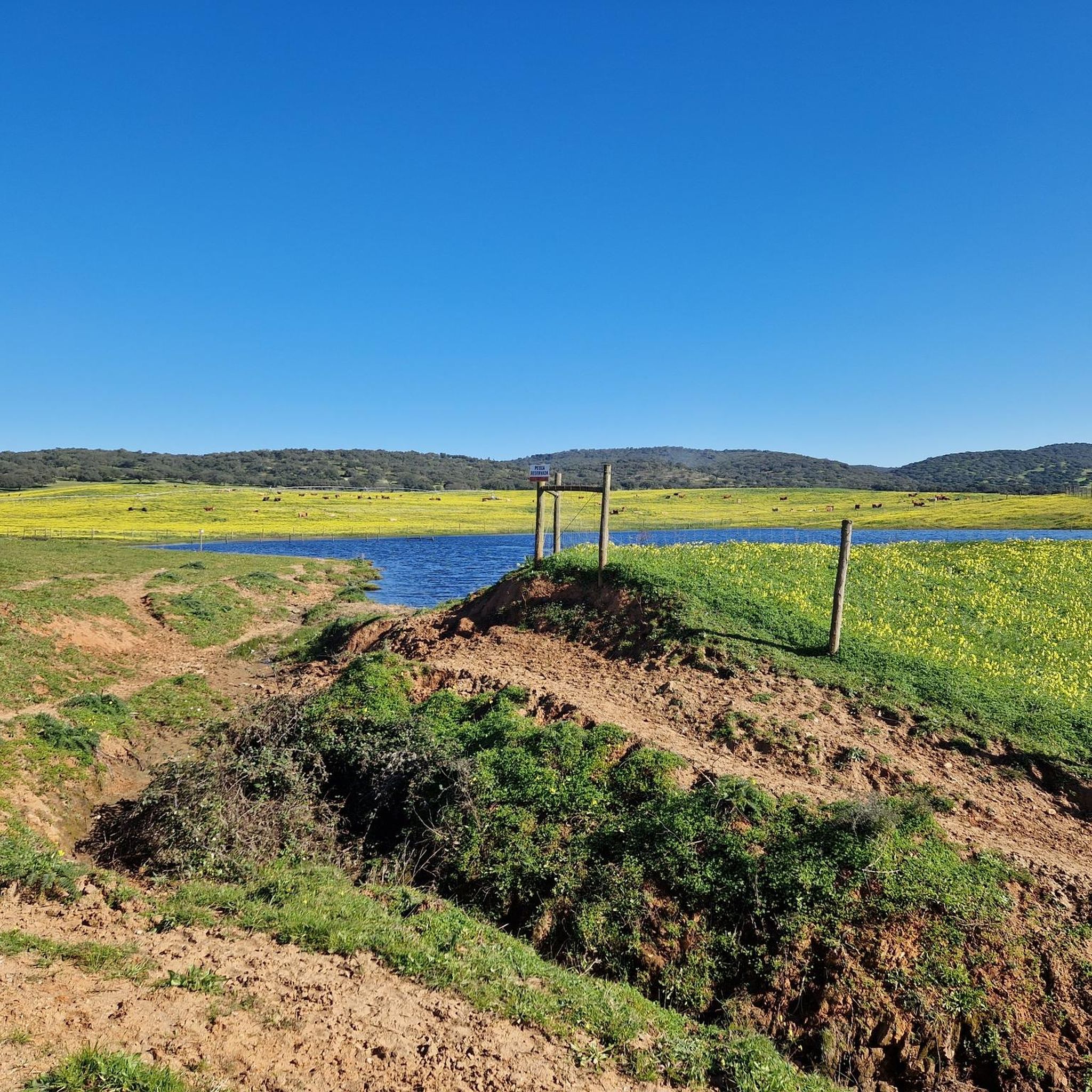
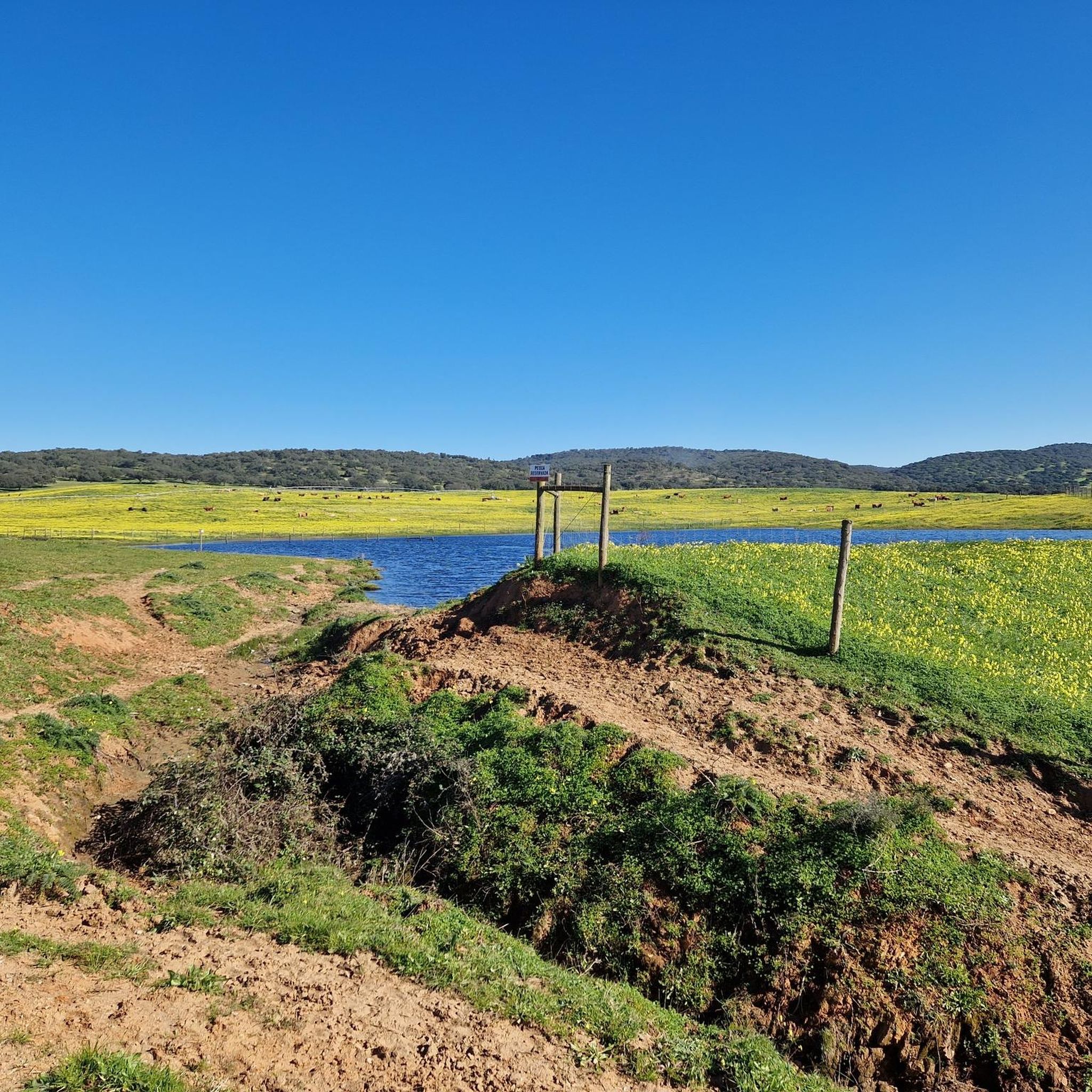
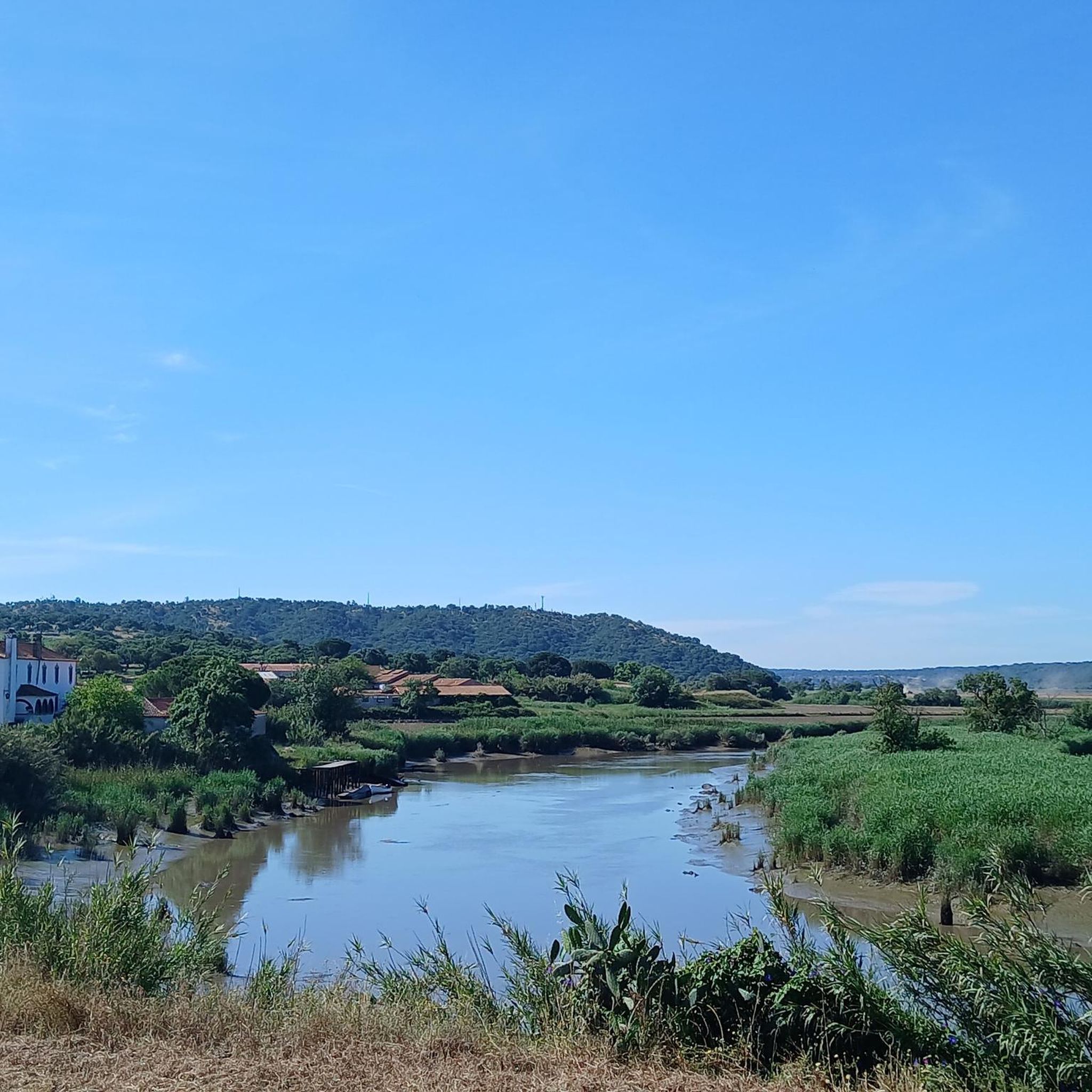
Beautiful path and landscape with a view of the local nature.
2
1
Frequently Asked Questions
What historical sites can I explore around Santiago do Escoural?
The region is rich in history, featuring significant prehistoric and medieval sites. You can visit the impressive Almendres Cromlech, a megalithic complex older than Stonehenge, and the nearby Almendres Menhir. Another key site is the Escoural Cave, known for its Paleolithic rock art, and the Escoural Cave Interpretive Centre. Don't miss the medieval Montemor-o-Novo Castle, which offers a glimpse into the region's past.
Are there any natural features or landscapes worth seeing in the area?
Yes, Santiago do Escoural is characterized by the typical Alentejo landscape. You'll find rolling plains, olive groves, and extensive cork oak woodlands. The scenic route to the Almendres Menhir, known as Cork Oaks on the Way to the Menhir, is particularly beautiful. The area is also close to the Serra de Monfurado, an area of ecological interest.
What outdoor activities are available near Santiago do Escoural?
The region offers various outdoor activities. You can find numerous routes for mountain biking, running, and hiking. For example, there are several easy hiking trails, including a 5 km loop around the Almendres Cromlech. You can explore more options for MTB trails, running trails, and easy hikes around Santiago do Escoural.
Are there family-friendly attractions in Santiago do Escoural?
Families can enjoy several attractions. The Shell Garden, with its unique chapels adorned with shells, is a charming and family-friendly spot. Exploring the ancient megalithic sites like the Almendres Cromlech can also be an educational and engaging experience for older children. The scenic Cork Oaks on the Way to the Menhir offers a pleasant walk for all ages.
What is the best time of year to visit Santiago do Escoural?
The Alentejo region generally experiences hot, dry summers and mild winters. Spring (March to May) and autumn (September to November) are often considered the best times to visit, offering pleasant temperatures for exploring outdoor sites and trails. During these seasons, the landscape is vibrant, and the weather is ideal for hiking and sightseeing.
What is the Escoural Cave and how can I visit it?
The Escoural Cave is a highly significant archaeological site, being the only location in Portugal with identified Paleolithic rock art. It contains engravings and paintings of animals, abstract forms, and geometric shapes, alongside evidence of Neanderthal occupation. Access to the cave is controlled and requires a pre-booked appointment to protect the delicate artworks. You can learn more at the Escoural Cave Interpretive Centre in Santiago do Escoural.
Can I find traditional Alentejo architecture in Santiago do Escoural?
Yes, the area proudly displays traditional Alentejo architecture. You can observe characteristic whitewashed houses, often with colored borders around windows and doors, and distinctive large chimneys. This architectural style reflects the region's cultural heritage and rural charm, which is still very much alive in Santiago do Escoural.
Are there any unique or 'hidden gem' attractions in the area?
Beyond the well-known sites, the Shell Garden (Jardim das Conchas) is a unique medieval garden featuring two chapels intricately adorned with shells, offering a charming and less common sight. The Tholos do Escoural, a Chalcolithic megalithic monument, also provides a deeper dive into the region's ancient past for those interested in archaeology.
What kind of difficulty can I expect from hiking trails near Santiago do Escoural?
Hiking trails around Santiago do Escoural vary in difficulty. You can find several easy hikes, such as the 5 km loop around the Almendres Cromlech or a 4.3 km loop from Guadalupe to the Almendres Menhir. There are also moderate and difficult routes available for those seeking more challenging experiences, particularly among the MTB trails and running routes.
Is public transport available to reach attractions like Almendres Cromlech or Escoural Cave?
While Santiago do Escoural is a rural area, public transport options might be limited for direct access to all remote attractions. It is generally recommended to have a car for flexibility when visiting sites like the Almendres Cromlech or the Escoural Cave. For specific details on reaching the Escoural Cave Interpretive Centre, it's best to check local transport schedules or contact the center directly.
What do visitors enjoy most about the attractions around Santiago do Escoural?
Visitors particularly appreciate the historical significance and natural beauty of the area. The ancient megalithic sites like the Almendres Cromlech are often highlighted for their impressive scale and historical depth. The scenic landscapes, especially the cork oak forests leading to the Almendres Menhir, are also frequently praised for their tranquility and natural charm. The well-preserved Montemor-o-Novo Castle offers captivating views and a rich historical experience.
Most popular attractions around Santiago Do Escoural

Get inspired with the komoot mobile app


Explore more
Still not found the Highlight you’re looking for? See guides of the top attractions in other regions:
