Attractions and Places To See around Portel - Top 20
Best attractions and places to see around Portel, a village in Portugal's Alentejo region, include historical landmarks, natural features, and cultural sites. The area is characterized by its tranquil atmosphere and landscapes featuring holm oaks and cork oaks. Visitors can explore a blend of historical architecture and unique natural environments, including Europe's largest artificial lake. The region offers insights into local traditions and agricultural practices.
Best attractions and places to see around Portel
- The most popular attractions is Termas da…
Last updated: August 26, 2026
Vidigueira Clock Tower
Highlight • Monument
Translated by Google •
Tip by

Termas da Ganhoteira
Highlight • Historical Site
Translated by Google •
Tip by

Sign up now to discover places like this
Get recommendations on the best single tracks, peaks, & plenty of other exciting outdoor places.
Sign up for free
River Beach of the Albergaria dos Fusos Dam
Highlight • Beach
Translated by Google •
Tip by
Charcoal Kilns
Highlight • Structure
Translated by Google •
Tip by
Vera Cruz Church and the Holy Fountain.
Highlight • Religious Site
Translated by Google •
Tip by

Sign up for free to discover even more attractions around Portel.
Sign up for free
Already have an account?
Start today with a free account
Your next adventure awaits.
Login or Signup
Popular around Portel
Tips from the Community

A historic parish, very old, in 1257, when D. João Peres de Aboim arrived here, the Monastery of Vera Cruz probably already existed. It is the oldest monument in the municipality and owes its fame to the Relic of the Holy Wood, brought by a knight after the Seventh Crusade. Like the vast majority of inland Alentejo villages, it has been losing inhabitants. In 1960, it had over a thousand inhabitants; today, it has less than four hundred.
2
0
Charcoal factory. Here, holm oak, cork oak, or olive wood is transformed into precious charcoal for grilling. 👍🇵🇹
4
0

Charcoal, a versatile and essential fuel source, is created through a fascinating process that involves converting wood into a concentrated carbon-rich material. Over the years, both traditional and modern methods have been employed to produce charcoal from wood, each with its own set of advantages. Near S. Bartolomeu do Outeiro we can view charcoal makers in laboration...
9
0
Charcoal ovens existed throughout most of the Alentejo, although we can assume that they were more common near areas where there were more holm oak and cork oak forests. Theoretically, the wood used to create charcoal comes from the cleaning of trees, an activity that normally takes place between January and March. After the cutting, the "traça" (wood cutting) is done, which is the cleaning of the trunks. This results in a quantity of wood that is taken close to the place where the oven will be. In some localities, this act of transporting the wood close to the oven is called "rechega" (a kind of "rechega"). The oven is normally built in a previously selected location, on flat land with "good, non-floury" soil. Text taken from the book: Tradição por Terras Dentro (Tradition in the Lands Within).
9
0
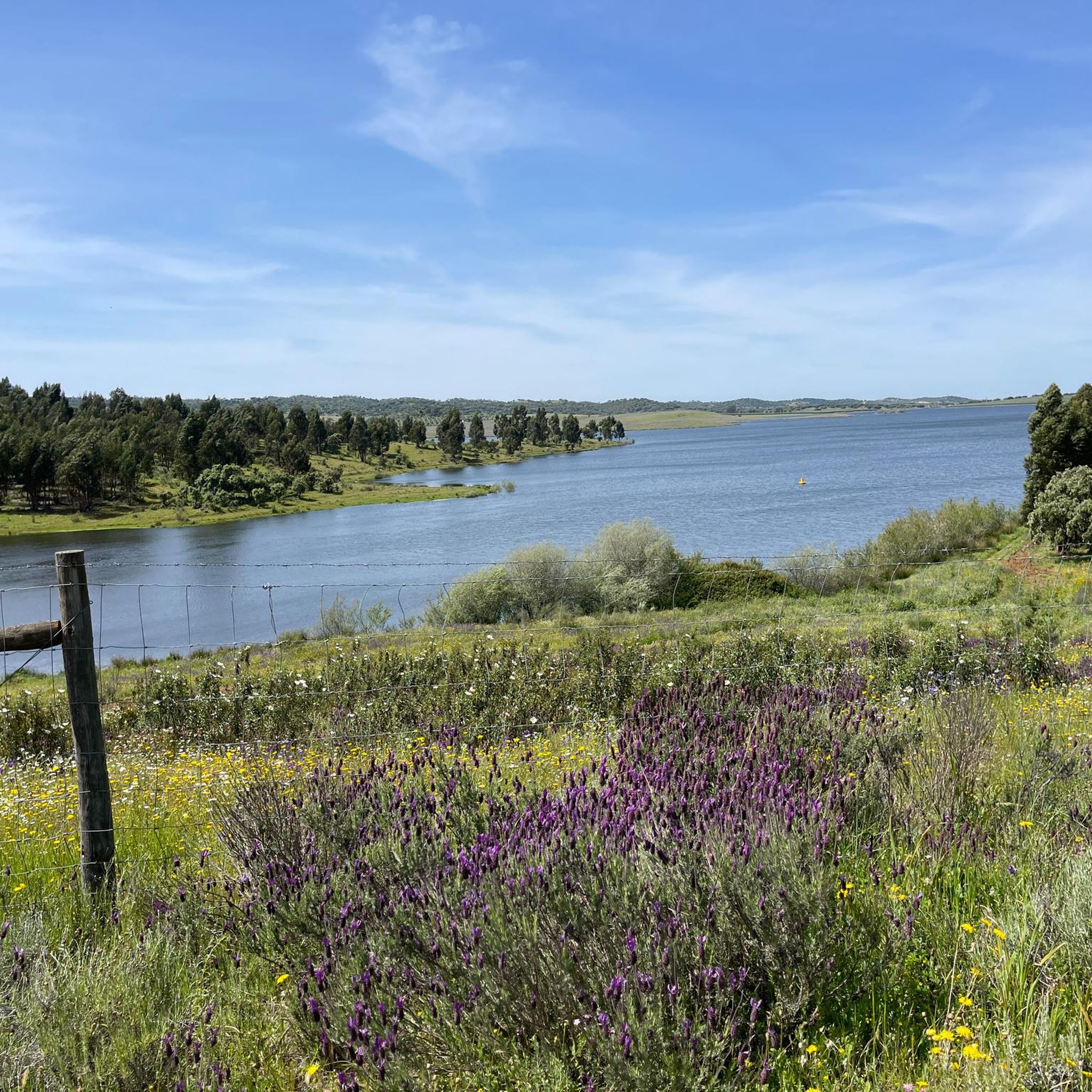
It is located in an area with excellent potential for the development of tourism, due to the existence of good environmental conditions, natural resources, natural and built heritage, and good conditions for practicing outdoor activities, such as water sports and sport fishing, among others. The shape of the reservoir, the beauty of the water surface and the existence of some points of interest, not only from a heritage point of view but also from a natural point of view, encourage its discovery, on foot or by boat, and have attracted many visitors over the years.
10
0
The river beach is located at the Albergaria dos Fusos Dam, about 5 minutes from the village of Albergaria dos Fusos, in the parish of Vila Ruiva, in the municipality of Cuba in the district of Beja in the heart of Alentejo. It is located between Viana do Alentejo and Vidigueira. The GPS coordinates are: 38.288525, -7.917904 or 8°17’18.7″N 7°55’04.5″W.
10
0
The Albergaria dos Fusos Dam is an important strategic reserve of drinking water that supplies the municipalities of Cuba, Vidigueira, Alvito, Viana do Alentejo and Portel.
9
0
River beach in the heart of Alentejo, to face the high summer temperatures and at the same time enjoy nature.👍🇵🇹
8
0
Frequently Asked Questions
What historical sites can I explore in Portel?
Portel is rich in history. You can visit the imposing Portel Castle, a 13th-century fortress offering panoramic views of the Alentejo countryside and the Alqueva reservoir. Other significant historical sites include the Vera Cruz Church and the Holy Fountain, known for housing fragments of the cross of Christ and being the oldest monument in the municipality. Don't miss the Termas da Ganhoteira, ruins of old thermal baths once believed to have therapeutic properties, and the Charcoal Kilns, which showcase traditional charcoal production.
Are there any natural attractions or places for outdoor activities near Portel?
Yes, the region offers several natural attractions. The Alqueva Lake, Europe's largest artificial lake, is a short drive away, with Amieira Marina being a popular spot for water sports. You can also enjoy the river beaches like Praia Fluvial da Amieira. The Barragem de Albergaria dos Fusos is another beautiful lake area suitable for water sports and fishing. The Serra de Portel mountain range features forests of holm and cork oaks, ideal for nature walks and appreciating the Montado ecosystem.
What cultural experiences can I find in Portel?
Portel offers insights into local culture and traditions. You can explore the Main Church (Igreja Matriz de Portel) with its intricate altarpieces and azulejo tiles, or the Chapel of St. Anthony. The Museu do Medronho focuses on the local medronho fruit and its products, while the Auditório Municipal de Portel often hosts cultural events. The region is also known for its vineyards, with local wineries like José de Sousa Winery offering tours and tastings.
Are there family-friendly attractions in the Portel area?
Absolutely. The Barragem de Albergaria dos Fusos is a great spot for families, offering a lake and beach environment suitable for water activities. The Vidigueira Clock Tower and the Vera Cruz Church and the Holy Fountain are also considered family-friendly historical sites, providing educational and engaging experiences for all ages.
What kind of outdoor routes are available for cycling near Portel?
For cycling enthusiasts, Portel offers a variety of routes. You can find several mountain biking trails, including moderate loops like the 'São Pedro – Castelo de Portel loop from Monte do Trigo' or the 'Mountainbike loop from Amieira'. For road cyclists, there are routes such as the 'Restaurant "O Artur" – View of Alqueva Reservoir loop from Portel'. You can explore more options on the MTB Trails around Portel and Road Cycling Routes around Portel guide pages.
Where can I find panoramic views of the Portel region?
The Portel Castle, perched atop a hill, is the prime location for panoramic views. From its ancient walls, you can see the sprawling Alentejo landscape, including the vast Alqueva reservoir. The Serra de Portel also offers elevated points for scenic vistas of the Montado ecosystem.
What is the significance of the Montado ecosystem in Portel?
The Montado is a unique agrosilvopastoral system characterized by cork oak and holm oak trees, which are vital for the region's economy and biodiversity. This ecosystem supports pastures and dry land crops, and its diverse flora, including rosemary, contributes to the production of high-quality honey in the area. It's a defining natural feature of the Portel landscape.
Can I visit any religious buildings with historical importance in Portel?
Yes, Portel has a rich religious heritage. The Main Church (Igreja Matriz de Portel) is a beautiful example of Portuguese religious architecture. The Vera Cruz Church and the Holy Fountain is particularly significant, known for housing fragments of the cross of Christ. Other notable churches include the Chapel of St. Anthony, Igreja do Espírito Santo, Igreja da Misericórdia Portel, and the Igreja de Nossa Senhora do Socorro (formerly the Convent of S. Paulo).
What is the best time of year to visit Portel for outdoor activities?
The Alentejo region, including Portel, experiences hot, dry summers. For outdoor activities like hiking and cycling, spring (April-May) and autumn (September-October) generally offer the most pleasant weather with milder temperatures. These seasons are ideal for exploring the natural landscapes and historical sites comfortably.
What unique historical processes can I learn about in Portel?
You can learn about the traditional process of converting wood into charcoal by visiting the Charcoal Kilns. These kilns demonstrate a practice common in the Alentejo region, where wood from holm and cork oaks was transformed into a valuable fuel source. It offers a glimpse into historical rural industries.
Are there any places for swimming or water recreation near Portel?
Yes, the Alqueva Lake is a major hub for water recreation. You can find river beaches like Praia Fluvial da Amieira and Praia Fluvial do Alqueva, which are suitable for swimming and relaxing by the water. The Barragem de Albergaria dos Fusos also offers opportunities for water sports and enjoying the lakeside environment.
What is the story behind the Vidigueira Clock Tower?
The Vidigueira Clock Tower is notable not just for its structure, but for the bell it houses. This bell was commissioned by Vasco da Gama in 1520, as indicated by an inscription. During restoration work, hands were added to the clock, allowing residents to both hear its familiar chimes and tell the time visually.
Most popular routes around Portel

Get inspired with the komoot mobile app


Explore more
Still not found the Highlight you’re looking for? See guides of the top attractions in other regions:
