Attractions and Places To See around Loulé (São Clemente) - Top 20
Best attractions and places to see around Loulé (São Clemente) encompass historical landmarks, cultural sites, and natural features. This civil parish in the Algarve region presents diverse experiences, from medieval fortresses and traditional markets to protected natural reserves. The area is known for its historical depth, evident in its ancient architecture and archaeological finds, alongside its varied coastal and inland landscapes. Visitors can explore a range of landmarks, viewpoints, and natural features within the Loulé region.
Best attractions and places to see around Loulé (São Clemente)
- The most popular attractions is Praia da Falésia Cliffs, a natural monument known for its striking red rock formations. These cliffs offer great views of the long sandy beach and are accessible for exploration.
- Another must-see spot is Falésia Beach, a long sandy beach considered one of the most beautiful in the Algarve. Visitors can enjoy kilometer-long walks along the fine sand and impressive red rocks.
- Visitors also love Caminho do Ludo (Esteiro da Maria Nova), Parque Natural da Ria Formosa, a trail with infrastructure for hiking and cycling. This protected natural landscape features flamingos, storks, and other bird species, with parts of the path on raised wooden walkways.
- Loulé (São Clemente) is known for its historical sites, natural monuments, and diverse trails. The region offers a variety of attractions to see and explore, from ancient castles and markets to protected wetlands and beaches.
- The attractions around Loulé (São Clemente) are appreciated by the komoot community, with more than 440 upvotes and over 170 photos shared by visitors.
Last updated: October 18, 2026
Falésia Beach
Highlight • Beach
Translated by Google •
Tip by

Praia da Falésia Cliffs
Highlight • Natural Monument
Translated by Google •
Tip by

Sign up now to discover places like this
Get recommendations on the best single tracks, peaks, & plenty of other exciting outdoor places.
Caminho do Ludo (Esteiro da Maria Nova), Parque Natural da Ria Formosa
Highlight (Segment) • Trail
Many beautiful spots and great postcard views. Very good condition.
Translated by Google •
Tip by

Ecovia of Ria Formosa Natural Park
Highlight • Cycleway
Showing Translation
Tip by

Source of the Benémola Stream
Highlight • River
Fruit and vegetable gardens, as well as the typical Barrocal landscape with holm, kermes and cork oaks and hills covered with rock roses line the path.
Down by the stream the vegetation becomes denser. There are said to be 300 plant species here - some that are not otherwise found in the Algarve
Translated by Google •
Tip by

Sign up for free to discover even more attractions around Loulé (São Clemente).
Already have an account?
Start today with a free account
Your next adventure awaits.
Popular around Loulé (São Clemente)
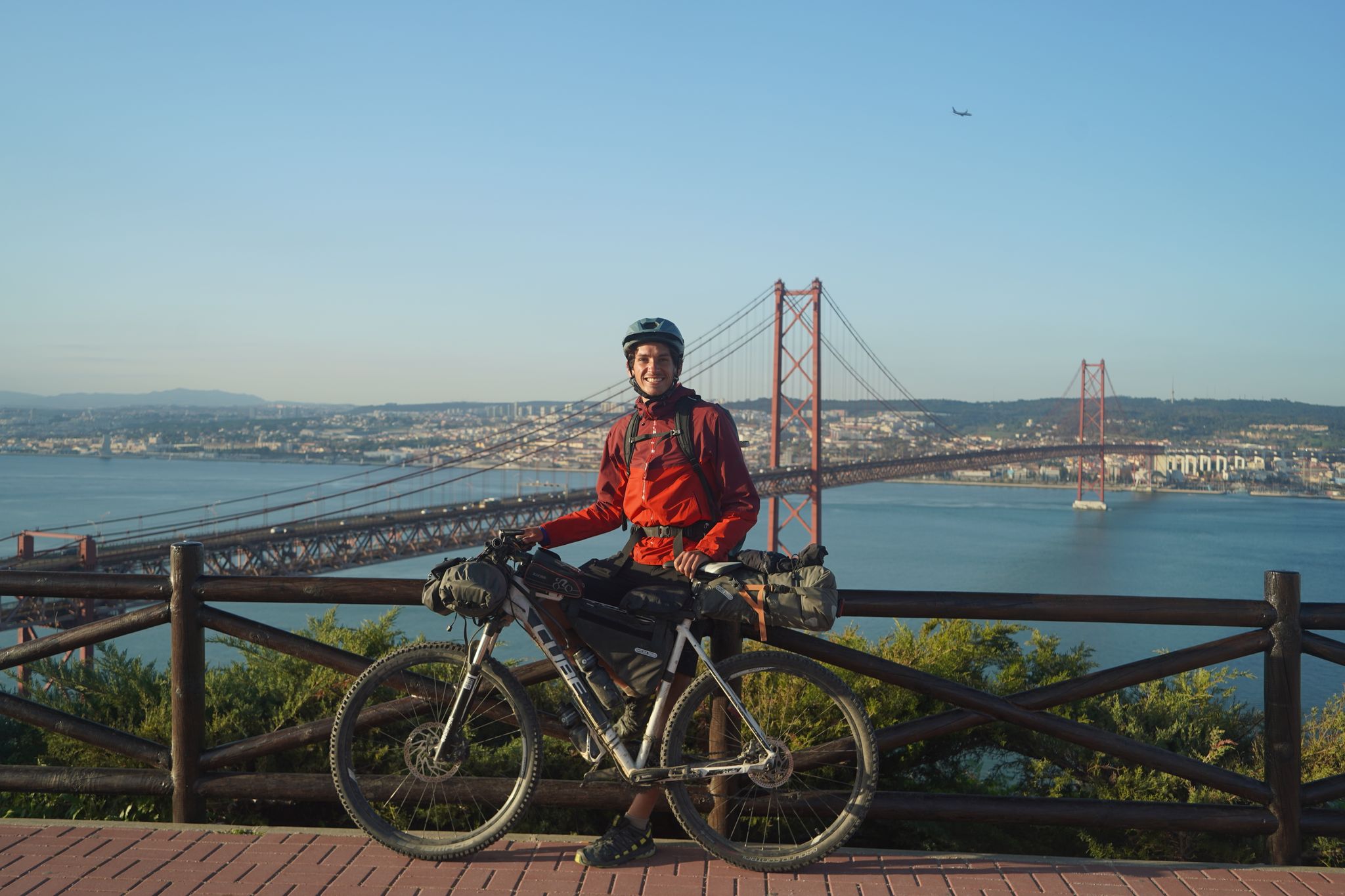
Road to Lisbon – bikepacking the Alps, Pyrenees and Picos de Europa
Road Cycling Routes around Loulé (São Clemente)
Hiking around Loulé (São Clemente)
Cycling around Loulé (São Clemente)
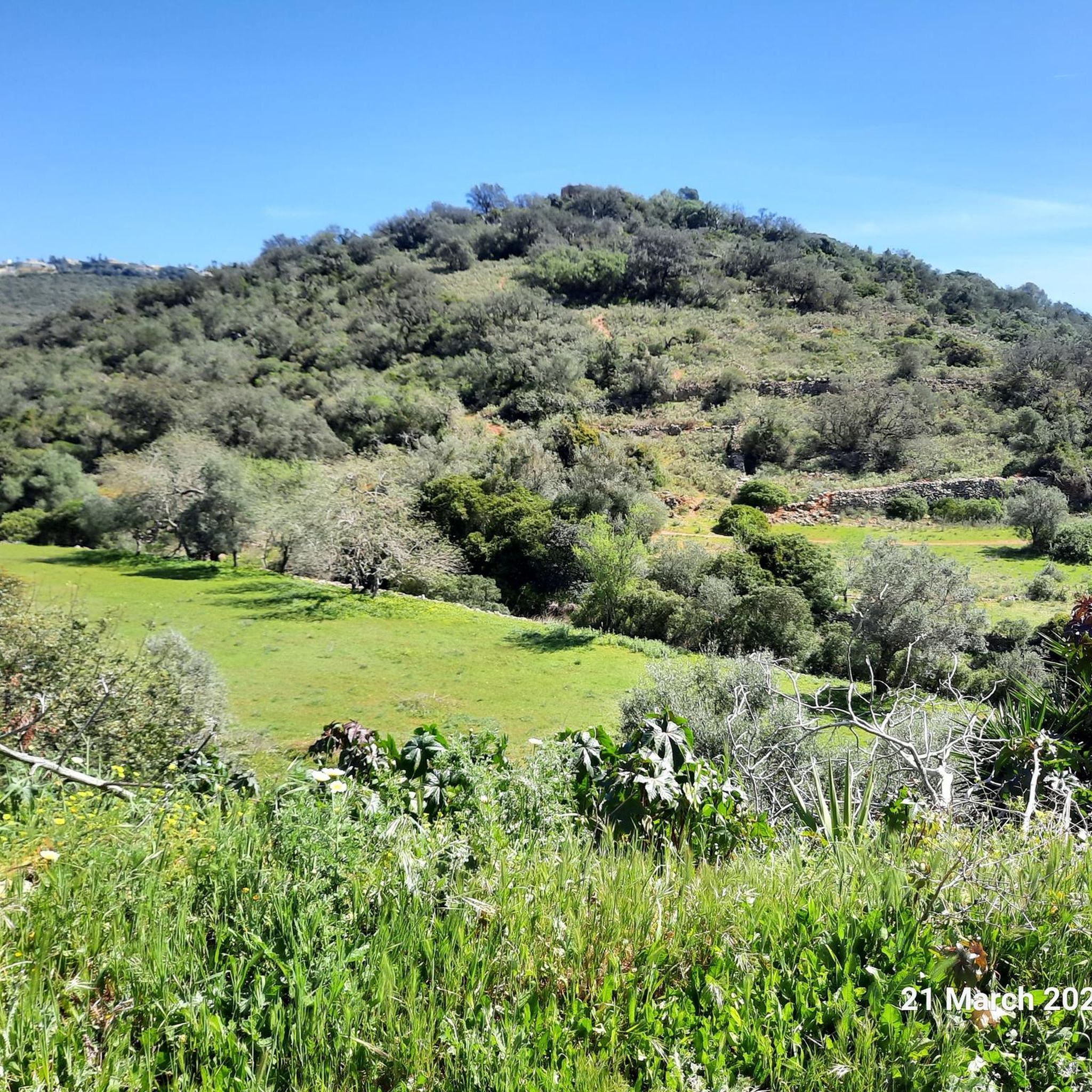
MTB Trails around Loulé (São Clemente)
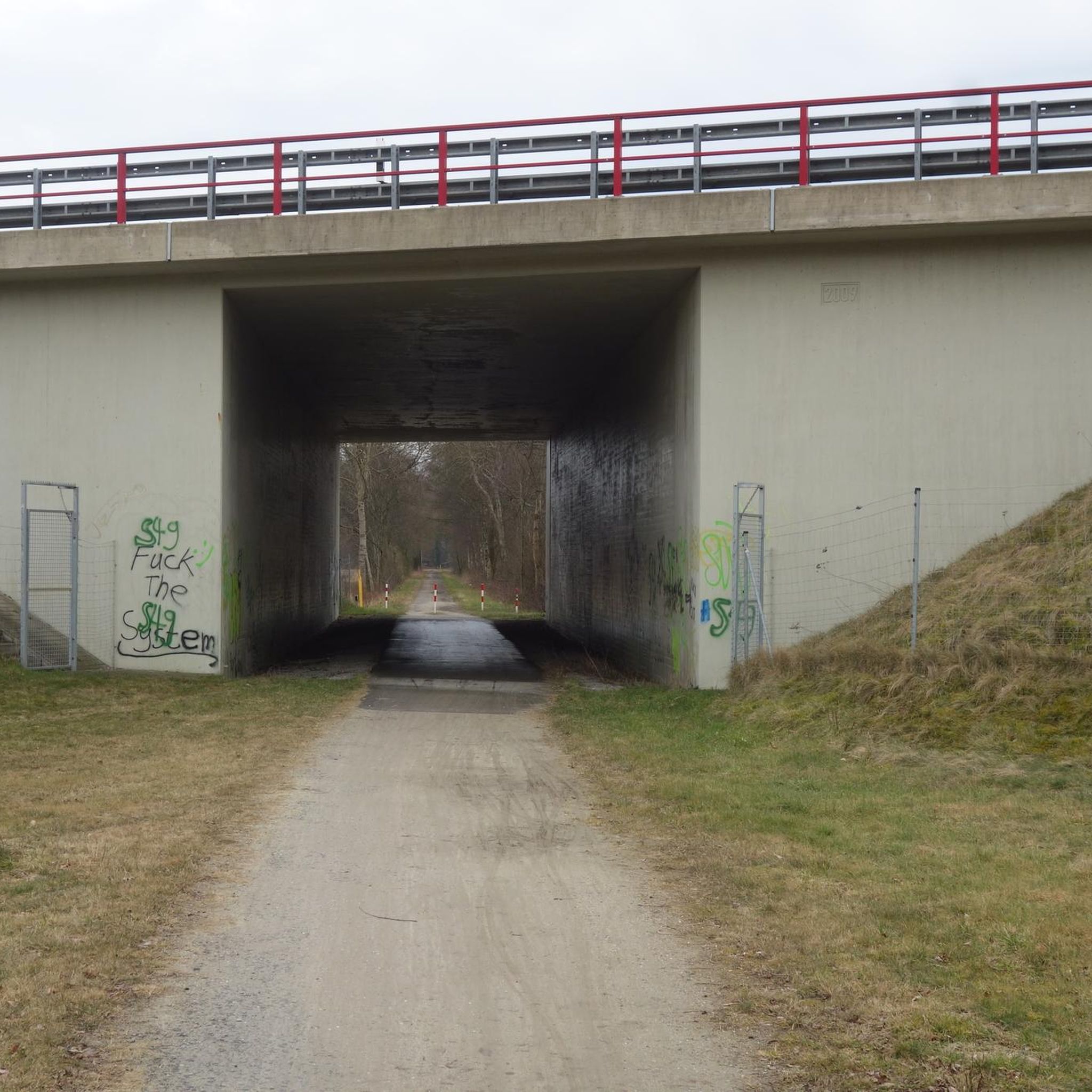
Gravel biking around Loulé (São Clemente)
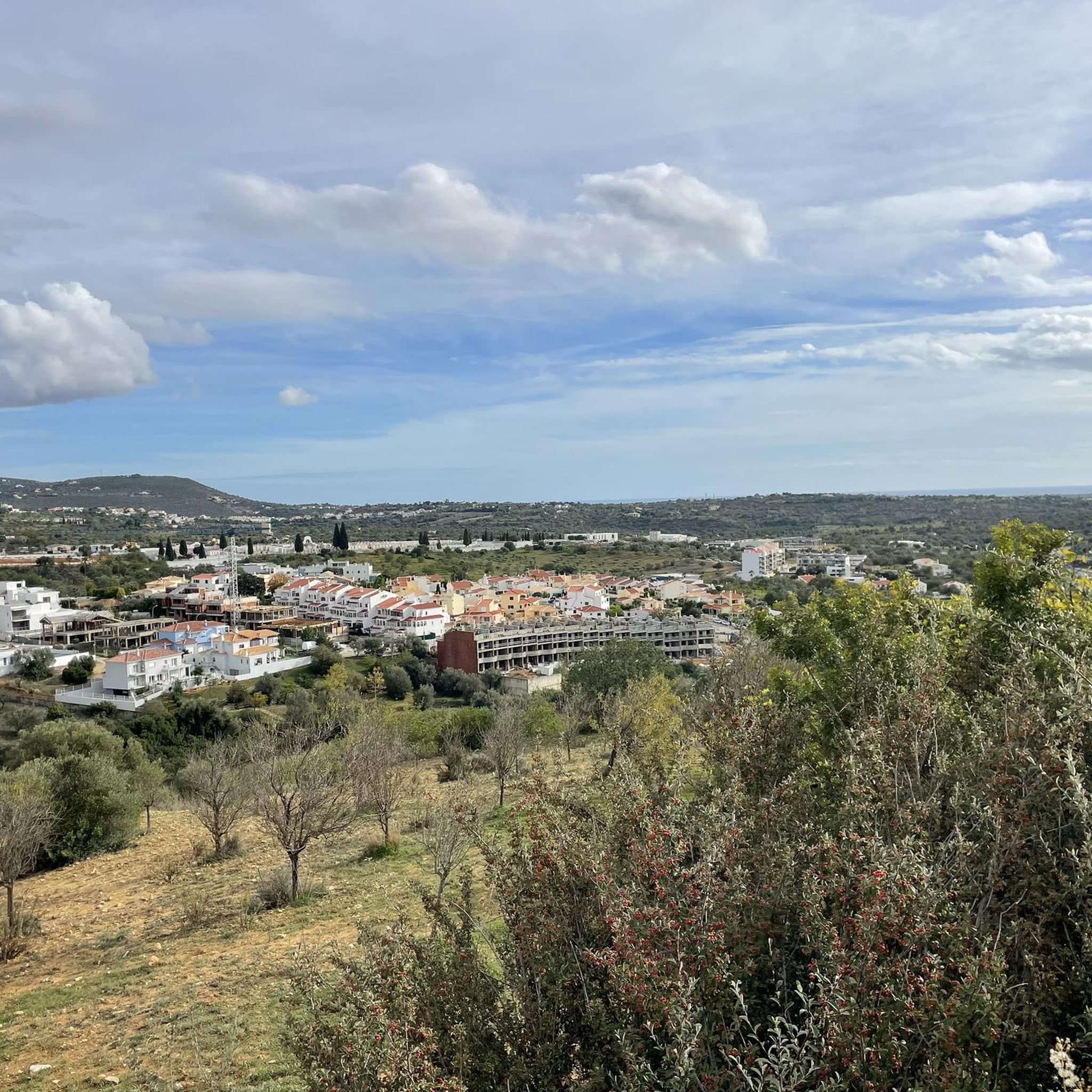
Running Trails around Loulé (São Clemente)
Other adventures around Loulé (São Clemente)

Tips from the Community

The Ecovia do Litoral by the Ria Formosa is part of the long-distance cycling and hiking route that crosses the entire Algarve (and is part of the EuroVelo 1 - Atlantic Coast Route). The specific section that runs through the Ria Formosa offers a flat, scenic route for hikers and cyclists.
14
0

Even at the top of the plateau there is a great hiking trail. But beware! Steep cliffs without protection!
0
0
Picturesque scenery and great sea sounds on the beach.
0
0

It was along sandstone paths, of high aesthetic value, that I traveled this truly magical route. The cliffs reveal an impressive contrast of colors — shades of red, brown, and white — sculpted over time by the action of water and wind. This erosion gives rise to unique shapes, such as "fairy chimneys," and helps to nourish the extensive sandy area with fine sand. In addition to their geomorphological and landscape value, these cliffs constitute habitats of ecological importance, with plants well adapted to the location. Notable species include mastic tree (Pistacia lentiscus), camphor thyme (Thymus camphoratus), sandalwood (Osyris), stone pine (Pinus pinea), lavender (Lavandula spp.), and daphne (Thymelaea villosa),... which contribute to soil stability and the biodiversity of the area.
1
0

Moderate hike. Requires good physical fitness. Easily accessible trail. Suitable for all experience levels.
1
0

A walk on the beach in the Algarve is an absolute must! Great sand, beautiful rock formations and sometimes impressive waves.
3
0

A variety of different birds can be admired here in their natural habitat. Don't forget your binoculars!
3
0

Great trails with lots of opportunities to watch birds - highly recommended.
4
0
Frequently Asked Questions
What natural features can I explore around Loulé (São Clemente)?
The region offers diverse natural beauty. You can visit the Praia da Falésia Cliffs, known for their striking red rock formations and views of the long sandy beach. Another highlight is Falésia Beach itself, considered one of the most beautiful in the Algarve. Further inland, the Source of the Benémola Stream is a unique protected landscape with year-round water flow, supporting diverse plant and bird species.
What historical sites can I visit in Loulé (São Clemente)?
Loulé boasts a rich history. Explore the medieval Castelo de Loulé, where you can climb two of its three remaining towers for panoramic views and visit the municipal museum housed within. The Igreja Matriz de São Clemente, built on the foundations of a Moorish mosque, features a bell tower that was once a minaret. Don't miss the Banhos Islâmicos de Loulé, an archaeological museum showcasing 12th-century thermal baths.
Are there any cultural attractions or unique local experiences in Loulé (São Clemente)?
Yes, Loulé offers several cultural experiences. The Mercado Municipal de Loulé, housed in a Neo-Arabian market hall, is a vibrant spot for local produce, especially on Saturday mornings when it expands into the streets. You can also visit the Museu Municipal de Loulé within the castle walls, displaying archaeological finds. For a taste of history, stop by Café Calcinha, an iconic Art Deco coffee bar from 1929.
Are there family-friendly attractions or activities in Loulé (São Clemente)?
Many attractions are suitable for families. Both Falésia Beach and the Praia da Falésia Cliffs are great for walks and enjoying the scenery. The Caminho do Ludo in Parque Natural da Ria Formosa offers easy trails, partly on raised wooden walkways, perfect for spotting flamingos and other birds. The Parque Municipal de Loulé, known as 'A mata', provides green spaces, mini-golf, and a children's playground.
What kind of hiking trails are available near Loulé (São Clemente)?
You'll find a variety of hiking trails. For easy walks, consider routes like the Fonte da Benémola Trail or the Loulé Municipal Market – Loulé town centre loop. Moderate options include the Filipe Spring – Wildflowers of Barrocal loop. Many trails offer scenic views of the Barrocal landscape. You can find more details on hiking routes around Loulé (São Clemente).
Can I go cycling around Loulé (São Clemente)?
Yes, there are several cycling routes available. You can explore longer, more challenging routes such as the Loulé Municipal Market – Loulé Castle loop or the Ria Formosa Marshlands – Vilamoura Marina loop. These routes offer diverse scenery, from urban centers to natural landscapes. Discover more cycling options on the cycling guide for Loulé (São Clemente).
Where can I find protected natural areas for walking or birdwatching near Loulé (São Clemente)?
The Caminho do Ludo (Esteiro da Maria Nova) within the Parque Natural da Ria Formosa is an excellent choice. This protected wetland area is known for its diverse bird species, including flamingos and storks, and features paths partly on raised wooden walkways. The Fonte Benémola Nature Reserve, about 12km from Loulé, is another protected landscape ideal for walking and observing unique flora and fauna.
What do visitors enjoy most about the attractions around Loulé (São Clemente)?
Visitors frequently praise the stunning natural beauty, particularly the Praia da Falésia Cliffs for their vibrant colors and accessibility. The long sandy stretches of Falésia Beach are popular for kilometer-long walks. The infrastructure for hiking and cycling in areas like the Parque Natural da Ria Formosa is also highly appreciated, especially for the opportunities to observe wildlife like flamingos.
Are there any quiet spots or gardens to relax in Loulé?
Yes, the Jardim dos Amuados, located across from the Igreja Matriz de São Clemente, offers a peaceful retreat. This garden, which was once an old Arab Muslim cemetery, provides a quiet space to relax and enjoy views of the city.
What is the best time to visit Loulé (São Clemente) for sightseeing and outdoor activities?
The Algarve region, including Loulé, generally enjoys mild winters and hot, dry summers. For sightseeing and outdoor activities like hiking and cycling, the spring (March to May) and autumn (September to November) months are ideal. During these periods, the weather is pleasant, temperatures are moderate, and the landscapes are often lush, making it comfortable to explore historical sites and natural reserves without the intense summer heat or larger crowds.
Is there a place to experience traditional Portuguese crafts and design in Loulé?
Yes, the Palácio Gama Lobo, an 18th-century palace, now houses ECOA, a craft and design center. Here you can find exhibitions, workshops, and a shop showcasing local artistry and design, offering a unique cultural experience.
Are there any religious sites of significance in Loulé (São Clemente)?
Beyond the Igreja Matriz de São Clemente, you can visit the Santuário de Nossa Senhora da Piedade, also known as Mãe Soberana. Situated on a hilltop, this site features a modern circular temple alongside a 16th-century hermitage and hosts southern Portugal's most important religious festival at Easter.
Most popular routes around Loulé (São Clemente)
Most popular attractions around Loulé (São Clemente)

Get inspired with the komoot mobile app


Explore more
Still not found the Highlight you’re looking for? See guides of the top attractions in other regions:
