Attractions and Places To See around Almofala e Escarigo e Escarigo e Escarigo - Top 18
Attractions and places to see around Almofala e Escarigo e Escarigo e Escarigo include a blend of historical landmarks and natural features within the municipality of Figueira de Castelo Rodrigo, Portugal. The area is characterized by its ancient past, with sites like the Torre de Almofala, and the dramatic landscapes of the Côa Valley. Visitors can explore historical fortifications, ancient settlements, and natural areas along the Rio Águeda, which forms a border with Spain. The region offers a variety of…
Last updated: July 1, 2026
Castelo Rodrigo Discovery Trail
Highlight (Segment) • Historical Site
Translated by Google •
Tip by

Camino de Hierro
Highlight • Trail
Translated by Google •
Tip by
Sign up now to discover places like this
Get recommendations on the best single tracks, peaks, & plenty of other exciting outdoor places.
Sign up for free
Castle of San Felices de los Gallegos
Highlight • Castle
It …
Translated by Google •
Tip by

Igreja de Nossa Senhora do Rocamador
Highlight • Religious Site
Translated by Google •
Tip by

Puente de los Franceses
Highlight • Bridge
Translated by Google •
Tip by
Sign up for free to discover even more attractions around Almofala e Escarigo e Escarigo e Escarigo.
Sign up for free
Already have an account?
Start today with a free account
Your next adventure awaits.
Login or Signup
Popular around Almofala e Escarigo e Escarigo e Escarigo
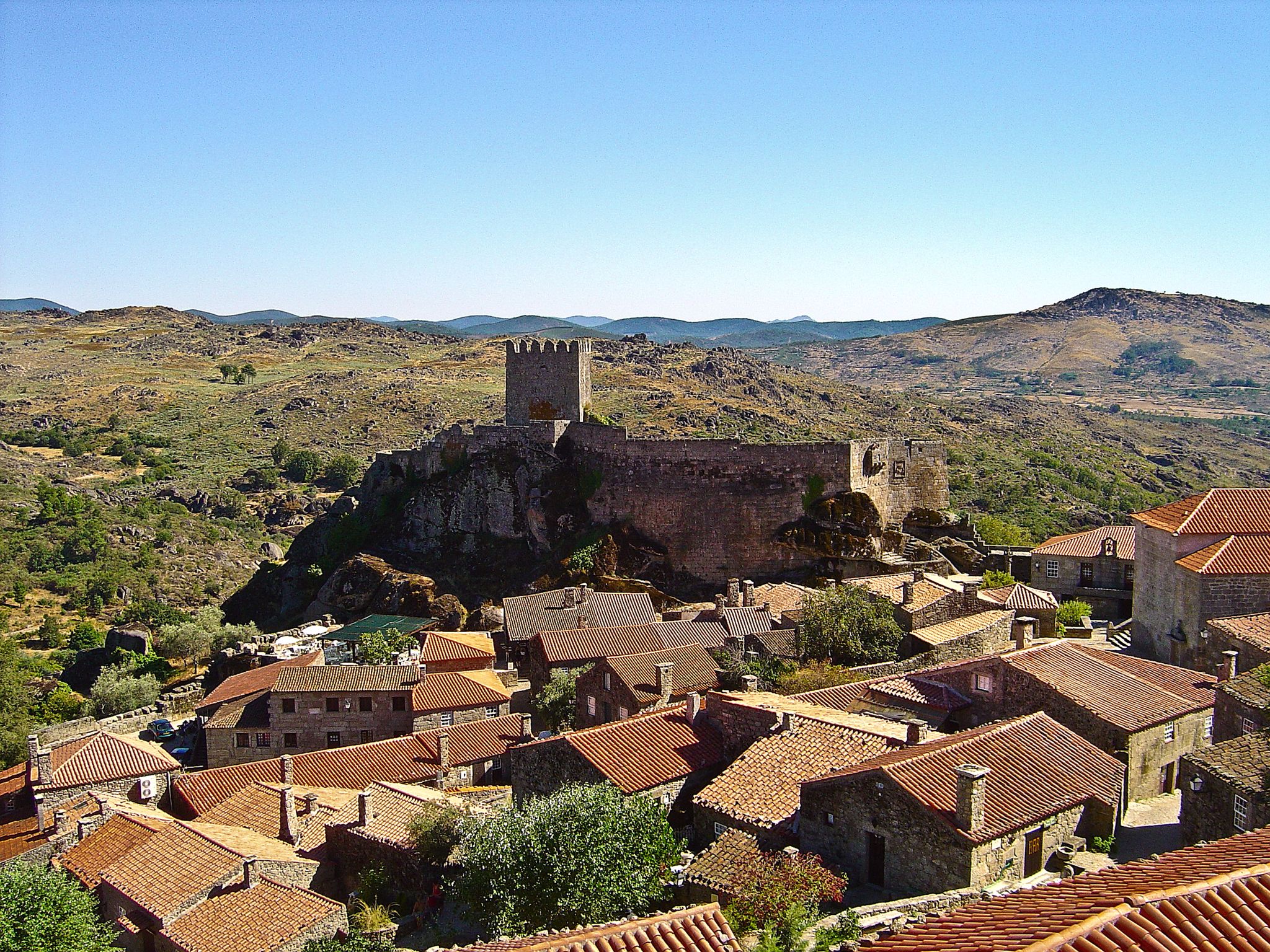
Great Route of Historic Villages (GR 22 north loop) - castles and valleys

Road Cycling Routes around Almofala e Escarigo e Escarigo e Escarigo

MTB Trails around Almofala e Escarigo e Escarigo e Escarigo

Cycling around Almofala e Escarigo e Escarigo e Escarigo

Hiking around Almofala e Escarigo e Escarigo e Escarigo
Other adventures around Almofala e Escarigo e Escarigo e Escarigo

Tips from the Community

Castelo Rodrigo is one of the twelve historic villages, the Aldeias Históricas de Portugal.
2
1

Camino de Hierro is a 17-kilometer-long pedestrian path that runs along a section of a closed-to-traffic, renovated railway line. It combines the grandeur of the most representative civil engineering (tunnels and viaducts) of the 19th century with spectacular natural beauty.
10
1
On the Camino del Fuerte, which connects the municipalities of Aldea del Obispo, Puerto Seguro and Villar de Ciervo, the Puente de los Franceses represents the historical, cultural and landscape union between these three places
4
0

The bridge lies in a valley on the Águeda River. It is particularly worth hiking there in spring or autumn as the surrounding area is beautifully green. Danger! The path there is steep and has scree.
3
0

In the lands of the west of Salamanca this fortress stands, a clear example of the ups and downs and border disputes. According to the chronicles, it was built in the 13th century by the Portuguese king Don Dinis. With the character of a fortress palace, it is located at one end of the urban area.
0
0

The castle tower that still stands was part of the fortress built in the 13th century by the Portuguese king Don Dinis to protect the lands in the area. It is advisable to visit the tower inside, it houses a Historical Interpretation Classroom and a permanent exhibition on the Border Fortifications. In addition, from the top floor you can enjoy beautiful views of the entire area, including neighboring Portuguese lands.
1
0

Romanesque-style church built in the 13th century with several carved wooden altars, some covered in gold.
2
1
Nice walk through a well-preserved, very historic place.
2
1
Frequently Asked Questions
What historical sites can I explore in the Almofala e Escarigo region?
The region is rich in history. You can visit the Torre de Almofala, a National Monument believed to be built on an ancient Roman temple, which also houses a Historical Interpretation Classroom. Don't miss the ancient settlement of Castelo Rodrigo Discovery Trail, with its city wall and 13 defense towers. Another significant site is the Castle of San Felices de los Gallegos, offering beautiful views and an exhibition on Border Fortifications. The 13th-century Igreja de Nossa Senhora do Rocamador is also a notable historical and religious building.
Are there any unique natural attractions or viewpoints in the area?
Yes, the region boasts dramatic natural beauty. The Camino de Hierro offers spectacular natural landscapes alongside its impressive civil engineering. For breathtaking views, head to Lugar de Santo André, where you can see the steep valley formed by the Águeda River cliffs, a natural sanctuary for griffins, golden eagles, and Egyptian vultures. The Barragem de Santa Maria de Aguiar also provides a magnificent body of water with diverse flora and fauna, including various aquatic bird species.
What kind of outdoor activities can I do near these attractions?
The area around Almofala e Escarigo is excellent for outdoor enthusiasts. You can find numerous routes for mountain biking, hiking, and cycling. For example, there are moderate MTB trails like the 'Sobradillo - San Felices de los Gallegos' loop, and hiking options such as the 'Main Gate of Castelo Rodrigo' loop. Cyclists can enjoy routes like the 'Green Tour of Castelo Rodrigo'. You can explore more options on the dedicated Komoot guides for MTB Trails, Hiking, and Cycling in the region.
Are there family-friendly attractions in Almofala e Escarigo?
Absolutely! The Castelo Rodrigo Discovery Trail is considered family-friendly, offering an engaging walk through a historic village with defense towers and small shops. The Barragem de Santa Maria de Aguiar is also a great spot for families, providing a leisure area in summer and opportunities for birdwatching.
Where can I see impressive civil engineering and historical bridges?
The Camino de Hierro is a must-see, featuring 19th-century tunnels and viaducts along a renovated railway line. Additionally, the Puente de los Franceses, located in a valley on the Águeda River, is a historical bridge that represents the cultural union between several municipalities.
What is the significance of the Torre de Almofala?
The Torre de Almofala is a highly significant historical site, classified as a National Monument. It is believed to be built upon an ancient Roman temple, possibly dating back to the 2nd century, and later served as a military watchtower. An altar dedicated to Jupiter was found here, indicating the presence of pre-Roman peoples. Today, it houses a Historical Interpretation Classroom and a permanent exhibition on Border Fortifications.
Can I visit other historical villages or fortifications nearby?
Yes, beyond Almofala e Escarigo, the well-preserved Almeida Fort is a significant historical site in the surrounding region, known for its crucial role in Portuguese history, particularly during the Napoleonic Wars. The village of Escarigo itself was once a prosperous settlement, featuring its own Mother Church, fountains, and a 'Cruzeiro' (stone cross).
What are some of the unique cultural landmarks in the region?
Besides the historical sites, the Cruzeiro Roquilho do século XVI is a 16th-century cross classified as a Public Interest Property, marking an ancient pilgrimage route to Santiago de Compostela. The Igreja Matriz de Almofala / Igreja de São Pedro is another notable medieval and Baroque church with a distinctive architectural plan.
What do visitors enjoy most about the attractions in Almofala e Escarigo?
Visitors particularly appreciate the blend of history and natural beauty. Many enjoy walking through well-preserved historic places like Castelo Rodrigo, discovering its ancient past. The spectacular views from sites like the Castle of San Felices de los Gallegos and the natural grandeur of the Camino de Hierro are also highly praised.
Are there any specific hiking trails recommended for different difficulty levels?
Yes, the region offers a variety of hiking trails. For an easy walk, consider the 'Serra da Vieira loop from Castelo Rodrigo'. Moderate options include the 'Main Gate of Castelo Rodrigo – Castelo Rodrigo Village loop' and the 'Puente de los Franceses loop from San Felices de los Gallegos'. Be aware that the path to Puente de los Franceses can be steep with scree in parts, making it a more challenging experience. You can find more details on the Hiking around Almofala e Escarigo guide.
What is the significance of the Rio Águeda in the region?
The Rio Águeda is a significant natural feature that historically separates Almofala from Spain. Its valley has attracted various peoples throughout history, and its dramatic cliffs provide natural sanctuaries and nesting sites for various bird species, including griffins, golden eagles, and Egyptian vultures, particularly visible from Lugar de Santo André.
Most popular routes around Almofala e Escarigo e Escarigo e Escarigo

Get inspired with the komoot mobile app


Explore more
Still not found the Highlight you’re looking for? See guides of the top attractions in other regions:
