The best road cycling routes around Escarigo
63
riders
11
rides
Road cycling around Escarigo features a landscape characterized by significant elevation changes, with routes often traversing natural parks and offering expansive viewpoints. The region's terrain includes river valleys, such as those associated with the Duero, and extends through areas with villages and open countryside. Road cyclists can expect challenging climbs and descents across these varied environments.
Best road cycling routes around Escarigo
- The most popular road cycling route is Arribes del Duero International Park Loop, a 59.4 miles (95.6…
Last updated: October 18, 2026
17
riders
95.6km
05:02
1,830m
1,830m
Hard road ride. Very good fitness required. Mostly well-paved surfaces and easy to ride.
10
riders
90.5km
04:26
1,380m
1,380m
Hard road ride. Very good fitness required. Mostly well-paved surfaces and easy to ride.

6
riders
104km
04:47
1,240m
1,240m
Hard road ride. Very good fitness required. Some segments of this route may be unpaved and difficult to ride.
8
riders
95.6km
04:51
1,540m
1,540m
Hard road ride. Very good fitness required. Mostly well-paved surfaces and easy to ride.
5
riders
61.0km
03:10
1,050m
1,050m
Hard road ride. Very good fitness required. Mostly well-paved surfaces and easy to ride.
Get access to more routes and recommendations from other explorers.
Already have an account?
Our route recommendations are based on thousands of hikes, rides, and runs completed by other people on komoot.

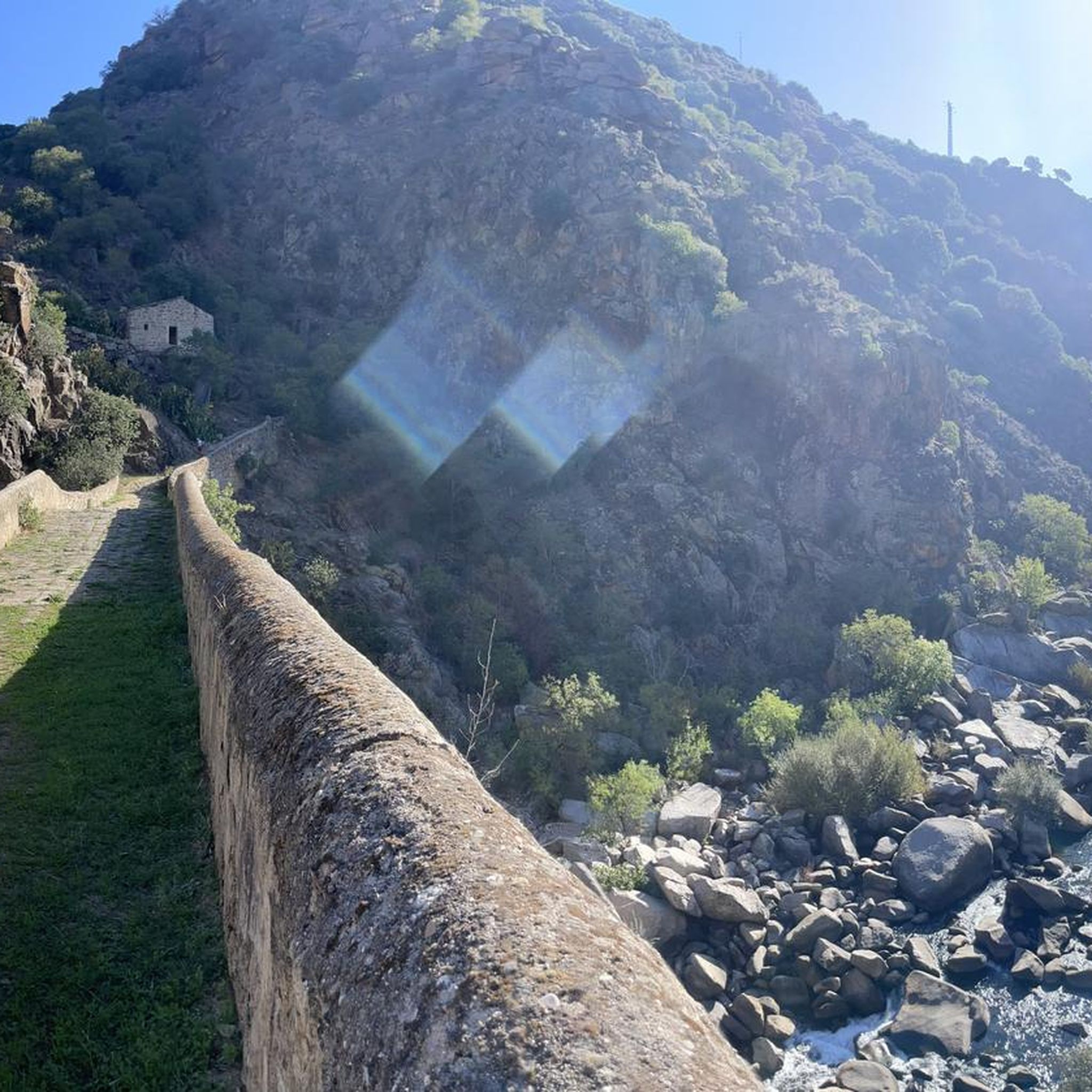
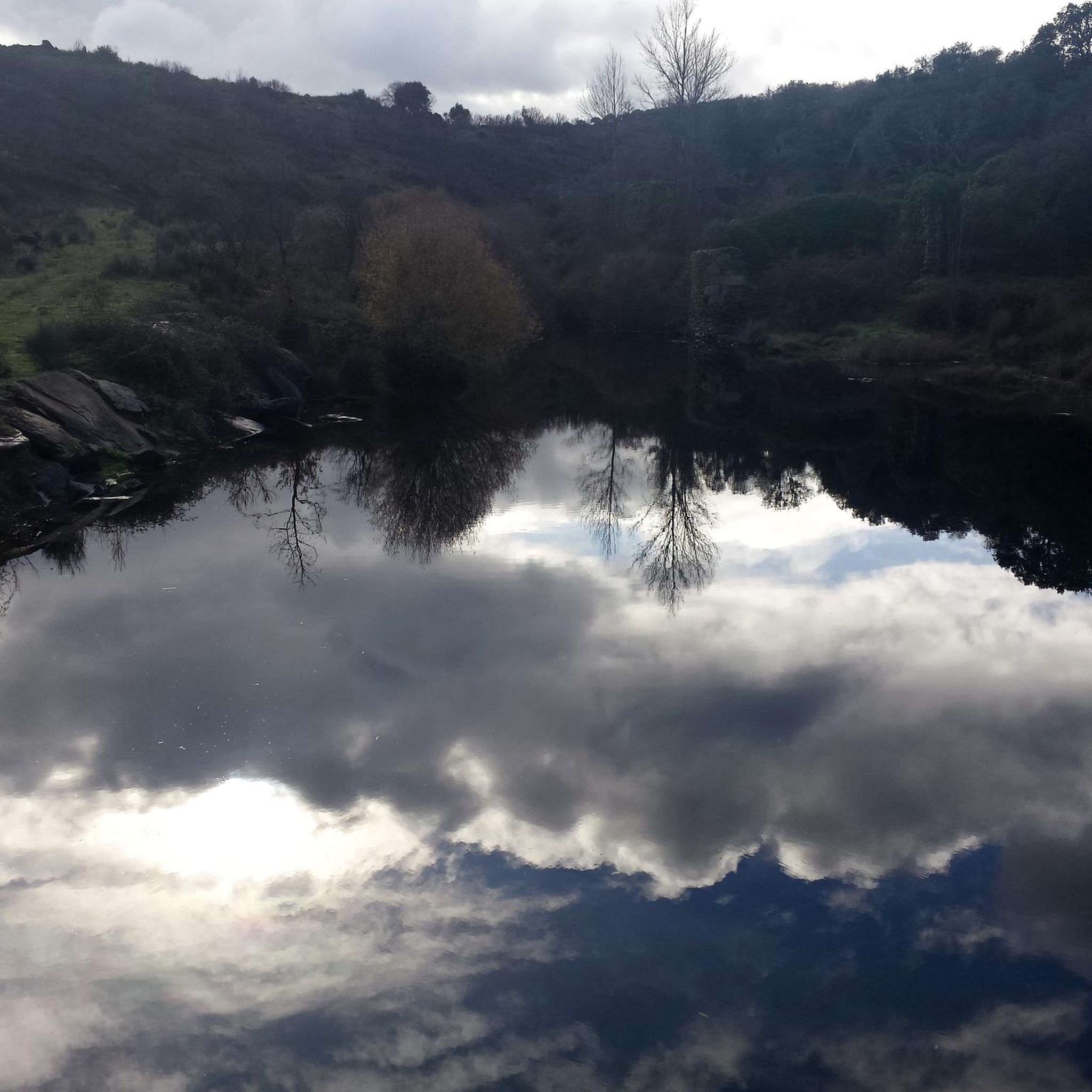
Tips from the Community

The bridge was designed and built in 1955 by the renowned Portuguese engineer Edgar Cardoso. It is considered the first motorway bridge in the Portuguese section of the Douro River and is a concrete arch bridge with a length of approximately 300 meters. It is named after the Portuguese naval officer and colonial administrator Almirante Manuel Maria Sarmento Rodrigues, who served as governor of Guinea and Mozambique under the Salazar dictatorship and later became Minister of Colonies.
1
0

Castelo Rodrigo holds millennia of history, from Paleolithic and Roman remains to the Muslim presence in the castle. Conquered and reconquered between the 12th and 13th centuries, it became a town and municipality under King Alfonso IX of León and passed definitively to Portugal in 1297, when King Dinis rebuilt and repopulated the castle. Marked by wars, charters, and restorations, it welcomed pilgrims on their way to Santiago and remains today one of the twelve Historic Villages of Portugal.
3
0
Castelo Rodrigo is a village with a medieval soul, where time has left its deep marks: walls, stone streets and remains of an ancient community of New Christians. Surrounded by magnificent landscapes, from the Douro International Natural Park to the Côa Valley, passing through the Serra da Marofa and the Faia Brava Reserve, this village is an invitation to contemplation and to taste. Here, history is served at the table: Marofa lamb, octopus in migas or rice are flavors that count as much as the books.
2
0

The bridge is notable for its six curvilinear polygonal arches, with a total length of 232 metres. In 1973, it was named after Admiral Sarmento Rodrigues, a prominent Portuguese politician and military man. The structure is an outstanding example of bridge engineering of the period and remains an important landmark in the region.
9
0
Barca d’Alva is a charming destination! This small Portuguese village is located on the banks of the Douro River and is known for its stunning landscapes and tranquility.
11
0

The bridge connects Spain and Portugal. Thanks to the EU you can easily walk across it 🙂
1
0
A small town in Portugal right on the border with Spain. You can cross the border on foot. This is where the river cruise ships dock on the Duero.
2
1

Impressive town that is located on this hilltop and the ruins in the center are also worth seeing.
0
0
Frequently Asked Questions
How many road cycling routes are available around Escarigo?
There are 10 road cycling routes around Escarigo documented on komoot. These routes are characterized by significant elevation changes and are generally suited for experienced cyclists.
Are there any easy road cycling routes for beginners in Escarigo?
The road cycling routes around Escarigo are generally challenging, with significant elevation changes and demanding climbs. All 10 routes listed are classified as difficult, making them more suitable for experienced road cyclists.
What kind of terrain can I expect on road cycling routes in Escarigo?
Road cycling in Escarigo features a diverse landscape with significant elevation changes. You'll encounter challenging climbs and descents, often traversing natural parks, river valleys like the Duero, and open countryside with villages.
Are there any long-distance road cycling routes in Escarigo?
Yes, many routes around Escarigo are long-distance. For example, the Arribes del Duero International Park Loop covers 95.6 km, and the La Fregeneda – Castelo Rodrigo Village loop from Sobradillo is 94.9 km long. Most routes range from approximately 60 km to over 95 km.
What are some scenic viewpoints along the road cycling routes?
The region is known for its expansive viewpoints, especially within natural parks and river valleys. The Salto Viewpoint – Lumbrales loop from Sobradillo specifically highlights a notable viewpoint, offering stunning vistas of the landscape.
Are the road cycling routes around Escarigo circular?
Yes, all the road cycling routes listed for Escarigo are circular loops. This allows for convenient starting and ending points, often returning to the same location.
What historical sites or landmarks can I see near the road cycling routes?
Several historical sites and castles are located near the road cycling routes. You might encounter places like Almeida Castle, the Castelo Rodrigo Discovery Trail, or the Castle of San Felices de los Gallegos. The La Fregeneda – Castelo Rodrigo Village loop from Sobradillo passes directly by Castelo Rodrigo Village.
What is the best time of year for road cycling in Escarigo?
While specific weather conditions vary, the region's challenging terrain and open landscapes suggest that spring and autumn would likely offer the most pleasant temperatures for road cycling, avoiding the extreme heat of summer or potential chill of winter.
What do other road cyclists enjoy most about cycling in Escarigo?
Road cyclists who have explored Escarigo often praise the challenging climbs, the scenic river valleys, and the expansive viewpoints. The region's network of routes is particularly appreciated by those seeking a demanding and rewarding cycling experience.
Are there any routes that pass through natural parks?
Yes, the Arribes del Duero International Park Loop navigates directly through the Arribes del Duero International Park, offering varied terrain and stunning natural beauty.
What are some of the most challenging road cycling routes in Escarigo?
All routes in Escarigo are classified as difficult due to significant elevation changes. The Hinojosa de Duero – Hinojosa de Duero loop from Sobradillo, for instance, features over 1880 meters of elevation gain, making it a particularly demanding option.
Most popular routes around Escarigo
Most popular attractions around Escarigo

Get inspired with the komoot mobile app


Explore more
Browse the best Road cycling routes in other regions.
