Attractions and Places To See around Benespera - Top 16
Best attractions and places to see around Benespera include a blend of historical, cultural, and natural sites. This Portuguese village, situated at nearly 800 meters of altitude in the Beira Alta province, serves as a gateway to the Guarda municipality. The region offers a variety of landmarks and natural features for exploration.
Best attractions and places to see around Benespera
- The most popular attractions is Praça Luís de Camões (Old Square), Guarda, a historical site that features the city's…
Last updated: July 1, 2026
Belmonte Historic Village
Highlight • Historical Site
Translated by Google •
Tip by

Praça Luís de Camões (Old Square), Guarda
Highlight • Historical Site
Translated by Google •
Tip by

Sign up now to discover places like this
Get recommendations on the best single tracks, peaks, & plenty of other exciting outdoor places.
Sign up for free
Historic Village of Sortelha
Highlight • Historical Site
Translated by Google •
Tip by

Valhelhas River Beach
Highlight • Beach
Translated by Google •
Tip by
Casa das Abelhas Café
Highlight • Cafe
Translated by Google •
Tip by
Sign up for free to discover even more attractions around Benespera.
Sign up for free
Already have an account?
Start today with a free account
Your next adventure awaits.
Login or Signup


Tips from the Community

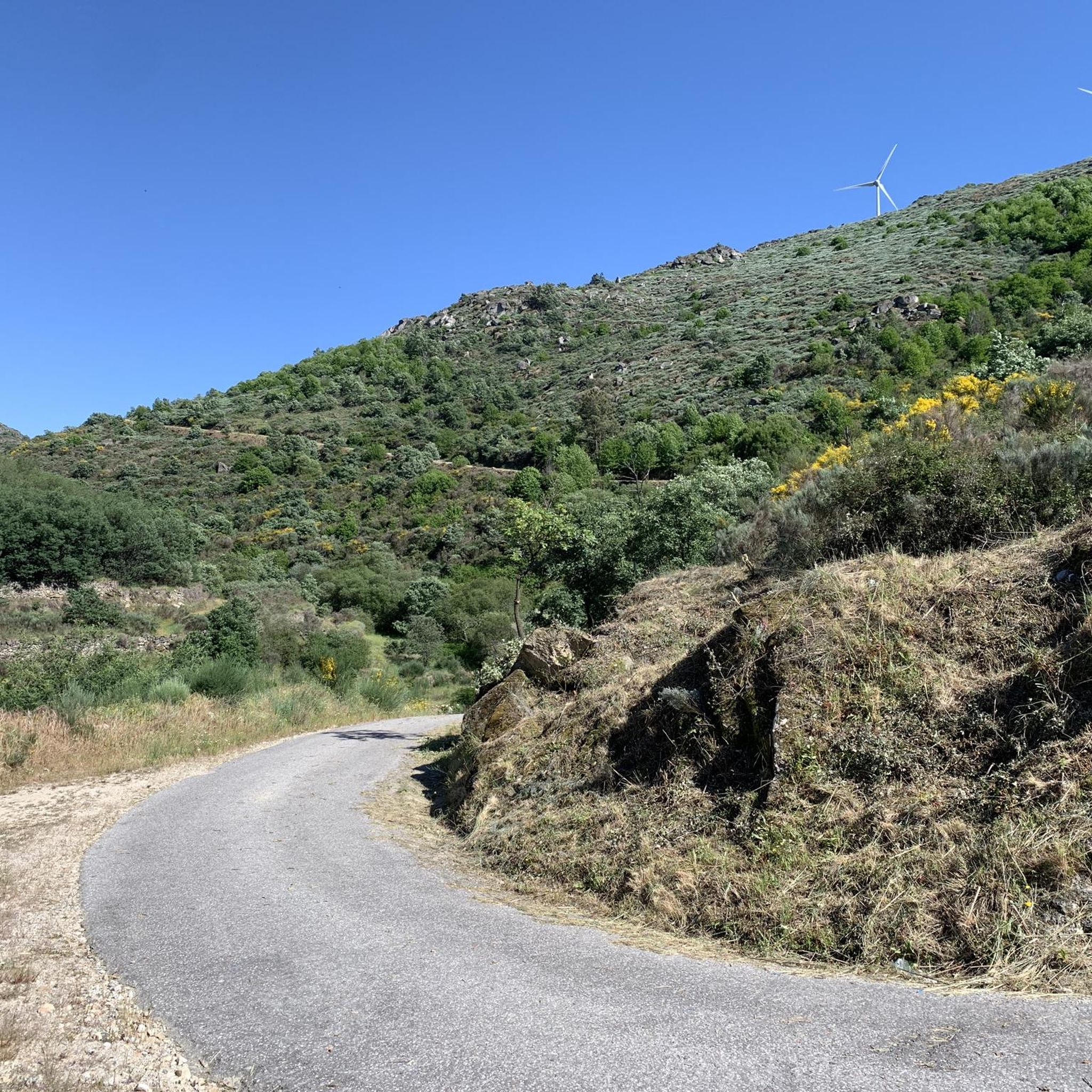
It's been a few years since I walked here with the hiking group from Évora. We loved it and recommend it.👍🥾
1
0

In the heart of the Serra da Estrela Natural Park, Valhelhas River Beach transforms the young course of the Zêzere into a haven of freshness and leisure. Between mountains and generous shade, this space has everything for a perfect day: clear waters, good infrastructure, and a setting that invites you to forget about the clock. In summer, the music sometimes extends the party into the night, attracting those who can't resist the charm of a river still in its infancy, but already full of life and stories to tell.
2
0

Among the municipality's 37 listed, predominantly granite buildings are churches, manor houses, fountains, and former public buildings. Of particular note are the castle complex and city walls dating back to the 13th century.
3
0
Belmonte, one of the twelve Historic Villages of Portugal, is the home of Pedro Álvares Cabral and guardian of the country's largest Jewish community, a legacy that endured centuries of Inquisition. Between walls and memories, mystique and history abound, with the Serra da Estrela on one side and the Malcata Reserve on the other. The food completes the enchantment: Jewish flavors like fried offal coexist with broths, migas, esparregados, and traditional Beira sweets: rice pudding, papas de carolo, and filhós. Here, the landscape and the food merge into a delightful experience.
5
0
The city of Guarda, known as the highest city in Portugal, has a rich history dating back to the Middle Ages. Founded by King Sancho I in 1199, the city played a crucial role in defending the Portuguese border and in the country's history. The city is home to several historic buildings, such as the Church of São Vicente, the former Convent of São Francisco, and the Guarda Museum, housed in the former Episcopal Palace. The city has undergone continuous development, honoring its past and seeking modernization, without losing sight of its historical and cultural heritage. 👍
2
0

To spend a few days of well-deserved rest in Sortelha, I recommend "Casas do Pelourinho", a very welcoming and friendly local accommodation. Spending a few days in Sortelha is not just 'tourism'. It is an act of culture. So simple and so enriching.
6
0
Pedro Álvares Cabral, the man who gave Europe Brazil, was born high up in Cova da Beira, with the Serra da Estrela on the horizon. But the history of Belmonte begins much earlier: among dolmens, forts and the enigmatic Torre de Centum Cellas. A town of walls, synagogues and conquests, it was the scene of Romans, Jews and Portuguese heroes. Today, it continues to stand firm on a beautiful hill — true to its name and its legendary past.
4
0
Located just off the main road south of Guarda (which at 1,053 metres is the highest city in Portugal), it is one of twelve aldeias históricas (historic villages), a government-sponsored initiative to promote the immense heritage of the beautiful Beiras region. Belmonte’s most famous son is without doubt Pedro Álvares Cabral, a major figure of the Age of Discovery who was born in the village in 1467. As a young and very ambitious sea captain of just 32 years old, he commanded a fleet of thirteen ships with some 1,500 men that departed from the shores of Lisbon on the 9th of March, 1500. Six weeks later Cabral dropped anchor off the north-east coast of Brazil, becoming the first Portuguese navigator to reach South America. It was also the first known expedition to have touched all four continents of Europe, Africa, America and Asia. Built in the 13th century, Belmonte Castle (the village’s key attraction) became the birthplace of the young explorer in 1467 after his father received it as a loyalty payment from King Afonso V and adapted it as the Cabral family residence. One of the region’s most prominent landmarks, the castle offers today’s visitors fine views of the Estrela mountains and the surrounding Lower Beiras countryside from its towering keep, which stands proud at an altitude of 615 metres above sea level. Adjacent to the castle stands the church of São Tiago which is of the same period and has many interesting features, including a a painted 14th-century granite pietà and the pantheon of the Cabral family, although the navigator’s body now rests at the Convento da Graça in Santarém.
6
1
Frequently Asked Questions
What historical and cultural sites can I explore around Benespera?
The region around Benespera is rich in history. You can visit the well-preserved Belmonte Historic Village, known as the birthplace of Pedro Álvares Cabral, featuring a 13th-century castle. Another significant site is the Praça Luís de Camões (Old Square) in Guarda, which hosts the city's cathedral and is surrounded by shops and restaurants. Don't miss the Historic Village of Sortelha, with its castle complex and city walls dating back to the 13th century. Within Benespera itself, explore the Igreja Matriz de Benespera and the ancient archaeological site of Cabeço das Fráguas, one of the most emblematic Protohistoric settlements in the Iberian Peninsula.
Are there any natural attractions or viewpoints near Benespera?
Yes, Benespera is close to several natural attractions. The Valhelhas River Beach offers a refreshing spot for leisure and swimming. You can also explore the Passadiços do Mondego (Mondego Walkways) for scenic views. Benespera is located at the foothills of the Serra da Estrela Natural Park, Portugal's highest mountain range, offering stunning landscapes and outdoor opportunities. Within the village, discover local features like the Pata do Cavalo stone and the Fonte de Nossa Senhora dos Anjos.
What outdoor activities, like hiking or cycling, are available near Benespera?
The area around Benespera is excellent for outdoor activities. For hiking, you can find routes like the 'Hiking loop from Belmonte' or the 'Pelourinho de Sortelha – Historic Village of Sortelha loop from Sortelha'. If you're interested in cycling, there are options like the 'Belmonte Green Route' for touring bicycles or more challenging road cycling routes such as the 'Cântaro Magro – Serra da Estrela loop'. You can find more details and routes on the Hiking around Benespera and Road Cycling Routes around Benespera guide pages.
Are there family-friendly attractions around Benespera?
Absolutely. Families can enjoy the Valhelhas River Beach for swimming and relaxation. The Praça Luís de Camões (Old Square) in Guarda is a pleasant area for a stroll, surrounded by shops and restaurants. For a unique stop, visit Casa das Abelhas Café along the Mondego Walkways, where you can enjoy coffee and locally produced honey in a natural setting.
What is the best time of year to visit Benespera and its surroundings?
Benespera offers different experiences depending on the season. Spring and autumn are ideal for hiking and exploring historical sites, with pleasant temperatures. Summer is perfect for enjoying river beaches like Valhelhas. If you're interested in winter sports or stunning snow-covered landscapes, the nearby Serra da Estrela Natural Park is a great destination, especially from December to March, offering ski slopes and a snowpark.
Where can I find local food and drink options near the attractions?
In Guarda, near the Praça Luís de Camões, you'll find various shops and restaurants. Along the Mondego Walkways, the charming Casa das Abelhas Café offers coffee and local honey. The historic villages like Belmonte and Sortelha also have local eateries where you can taste traditional Beira cuisine, including Jewish flavors and regional sweets like rice pudding and filhós.
What makes the archaeological site of Cabeço das Fráguas significant?
The Archaeological Site of Cabeço das Fráguas is one of the most emblematic Protohistoric settlements in the Iberian Peninsula, with its occupation dating back to the end of the Bronze Age (8th to 6th centuries BC). It is particularly notable for a famous inscription on a rock, which provides evidence of an ancient religious ritual, possibly of Mediterranean origin, involving the sacrifice of a lamb, a pig, and an ox to pre-Roman Lusitan deities.
Are there any unique local legends or features in Benespera?
Yes, Benespera has its own local charm and legends. One notable feature is the Pata do Cavalo (Horse's Paw), a stone in Fonte Boa with a horse hoof print, linked to a local legend involving Saint Anthony. The village also has several railway-related historical features, including its railway station and old bridges like Ponte dos Gogos and Ponte do Rebolal.
What do visitors enjoy most about the attractions around Benespera?
Visitors particularly appreciate the rich history and cultural depth of the region, from the ancient castles and historic villages to the religious heritage. The natural beauty, including river beaches and the proximity to Serra da Estrela, is also highly valued. Many enjoy the blend of historical exploration with opportunities for outdoor activities and experiencing local traditions and cuisine.
Can I find accommodation options in or near Benespera?
While Benespera is a small village, it serves as an excellent base for exploring the wider region. You can find local accommodation options in nearby historic villages like Sortelha, such as 'Casas do Pelourinho', which offers a welcoming stay. The larger city of Guarda, just a short drive away, also provides a wider range of accommodation choices.
What is the significance of Belmonte Historic Village?
Belmonte Historic Village is one of Portugal's twelve Historic Villages and holds significant historical importance as the birthplace of navigator Pedro Álvares Cabral. The village features a 13th-century castle that offers fine views of the Estrela mountains. It also has a rich Jewish heritage, with a legacy that endured centuries of Inquisition, making it a unique cultural destination.
Are there any specific religious sites worth visiting in Benespera?
Benespera boasts a significant religious patrimony. Key sites include the Igreja Matriz de Benespera (Igreja de Santo Antão), the Chapel of São Sebastião (Capela de São Sebastião), and the Chapel of Nossa Senhora dos Anjos (Capela Nossa Senhora dos Anjos). Other religious points of interest are the Cruzeiro, Alminhas, and the Nossa Senhora dos Bons Caminhos.
Most popular routes around Benespera

Get inspired with the komoot mobile app


Explore more
Still not found the Highlight you’re looking for? See guides of the top attractions in other regions:
