The best road cycling routes around Guarda (São Vicente)
4.6
(5)
850
riders
72
rides
Road cycling around Guarda (São Vicente) is characterized by dramatic volcanic landscapes and challenging terrain on Madeira Island's northern coast. The region features continuous ascents and descents with significant elevation gains, often from sea level up to 1,800 meters. Routes frequently include gradients in the double digits, providing a demanding experience for road cyclists. The topography includes green valleys, towering peaks, and dramatic cliffs meeting the Atlantic Ocean.
Best road cycling routes around Guarda (São Vicente)
- The most popular road…
Last updated: October 18, 2026
4.0
(1)
35
riders
66.8km
03:31
1,140m
1,140m
Hard road ride. Very good fitness required. Mostly well-paved surfaces and easy to ride.
26
riders
97.9km
04:49
1,330m
1,330m
Hard road ride. Very good fitness required. Mostly well-paved surfaces and easy to ride.

26
riders
87.9km
04:13
1,000m
1,000m
Hard road ride. Very good fitness required. Mostly well-paved surfaces and easy to ride.
24
riders
66.8km
03:18
850m
850m
Moderate road ride. Good fitness required. Some segments of this route may be unpaved and difficult to ride.
21
riders
42.0km
02:09
640m
650m
Moderate road ride. Good fitness required. Mostly well-paved surfaces and easy to ride.
Get access to more routes and recommendations from other explorers.
Already have an account?
Our route recommendations are based on thousands of hikes, rides, and runs completed by other people on komoot.
Start today with a free account
Your next adventure awaits.

Tips from the Community

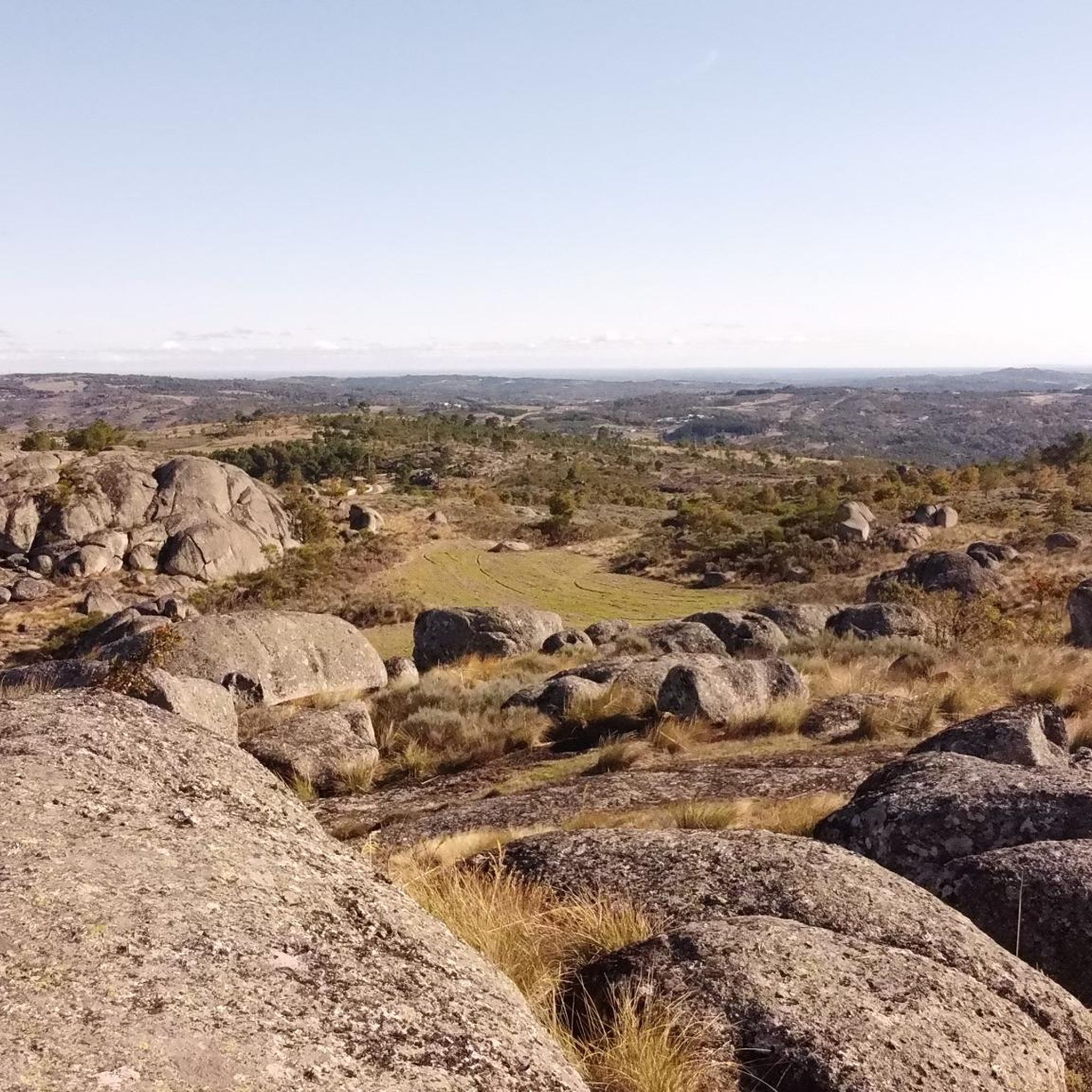
Sabugal Castle is one of the most imposing and well-preserved medieval fortifications in Portugal. It is known as the "Castle of the Five Corners" due to the unusual shape of its impressive pentagonal keep, the castle's most iconic feature. Its pentagonal (five-cornered) plan is considered unique in Portuguese military architecture. It is approximately 30 meters high and offers incredible views. The castle has a double ring of walls. You can walk along the ramparts on top of the walls for a panoramic view over the city and the Côa River. From the top, you can see the Côa River winding its way through the city and the natural landscape of the Serra da Malcata mountain range.
1
0
Sabugal, a town that deserves a visit to its castle and the entire surrounding area, especially the magnificent river beach on the Côa River.
1
0

Valhelhas was born among verdant hills, sheltered in the sunny Zêzere valley. Today, it's synonymous with perfect summer: one of the largest river beaches in Beira Interior, with crystal-clear waters, generous shade, and all the support for leisurely days. But the village of this "small valley," a translation of Vallicula, its Roman name, holds more than just freshness: from the 16th-century pillory to the Philippine Bridge, passing through chapels, a church, and the ruins of the old castle, every corner tells a piece of history. And, of course, there are flavors worth the trip in any season: goat, Guarda sausages, Zêzere trout, requeijão (curd cheese), and the unmistakable Serra da Estrela cheese.
2
0

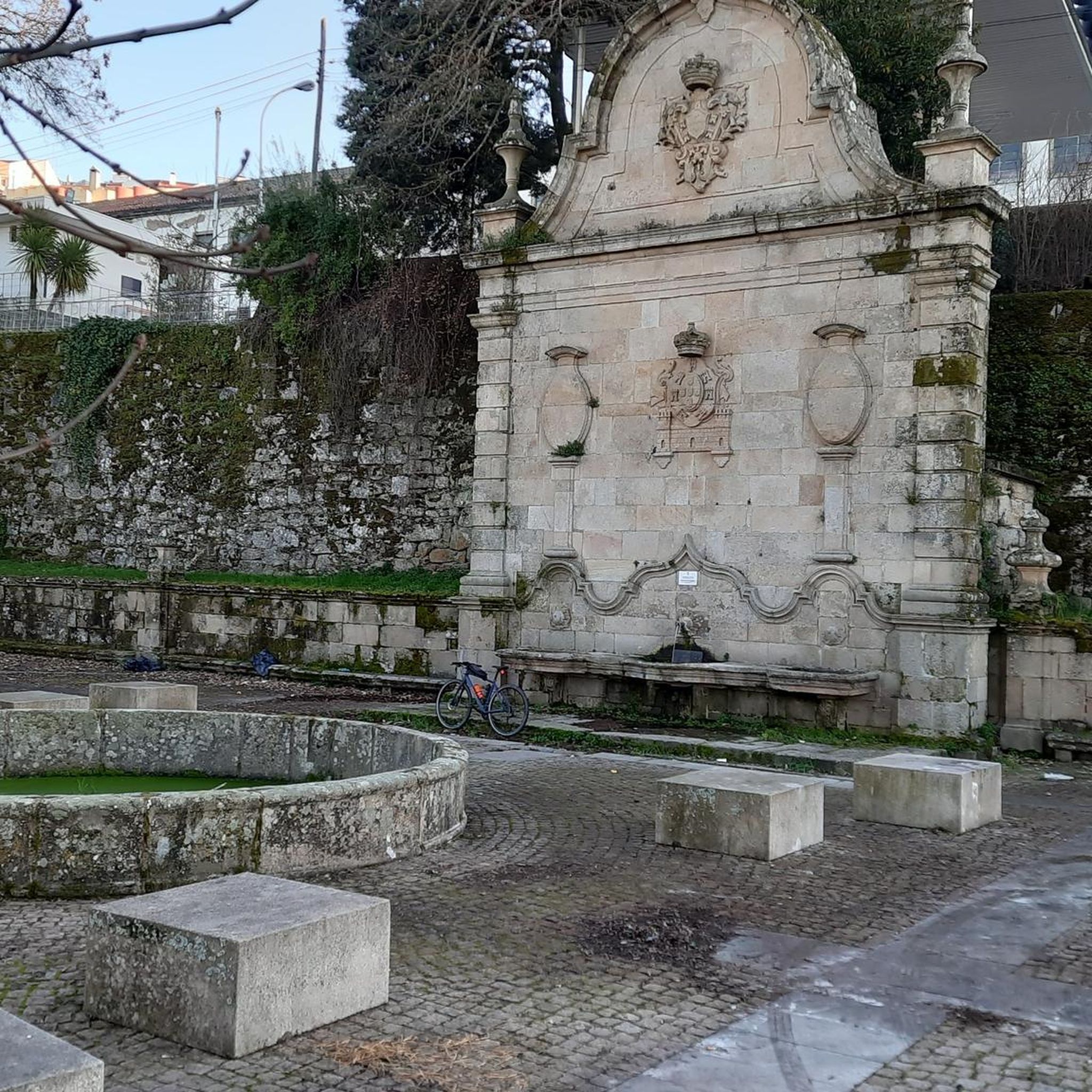
The statue, in honor of D. Sancho I (second King of Portugal), was inaugurated on May 28, 1956. The pedestal bears the inscription: "D. Sancho I, 2nd King of Portugal 1185 – 1211, granted Guarda city charter on November 27, 1199."
2
0
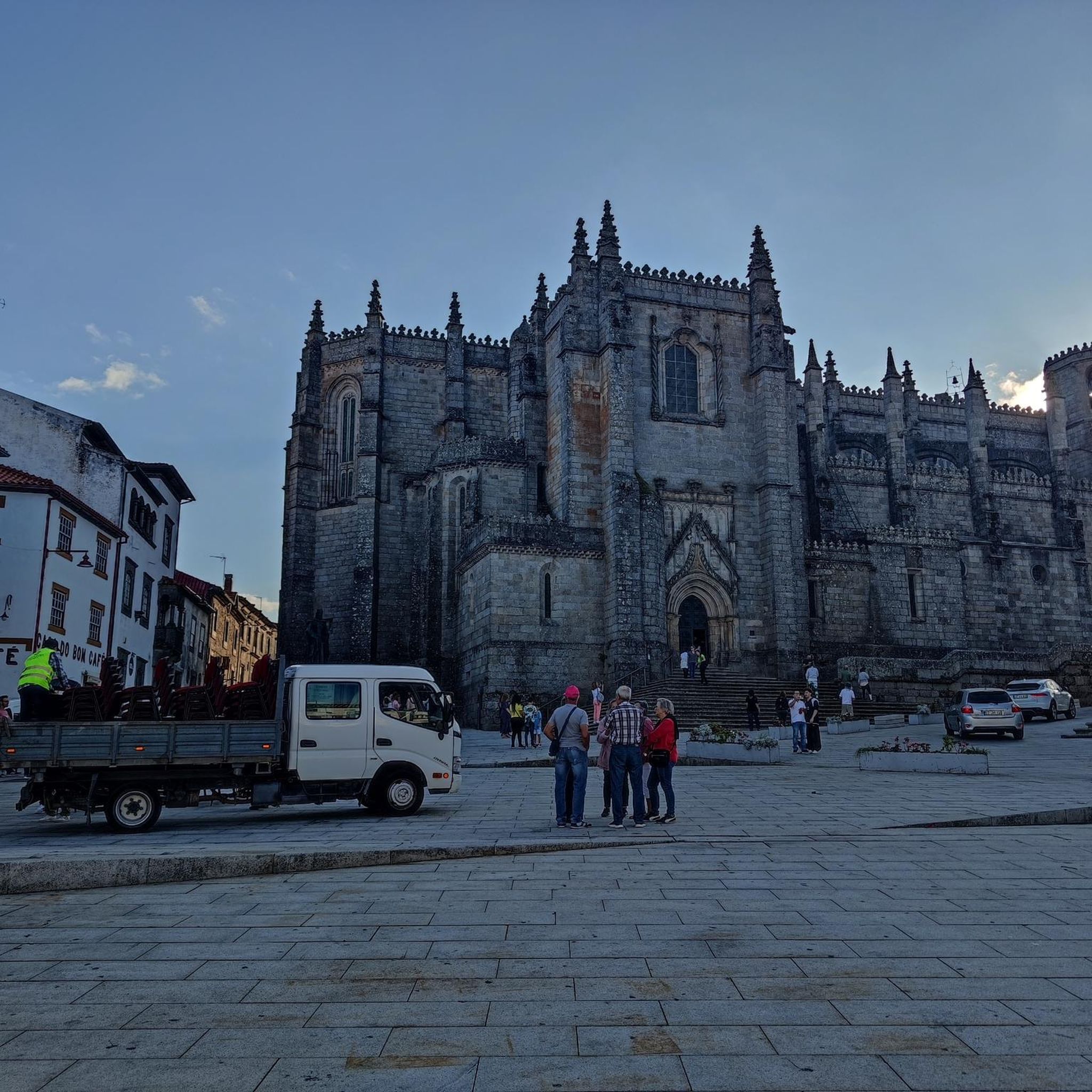
A cathedral steeped in history, with tombs within the church, views over the city, and beautiful statues. Tickets cost €1.50 to enter the cathedral and €2.50 to visit the cathedral and the viewpoint over the city.
2
0
Among the secret corners of Portugal, the Côa River is a discreet treasure. It rises in Fóios and flows through valleys and hills until it joins the Douro River in Vila Nova de Foz Côa. Even here, where it flows gently and seems like just a trickle, the valley reveals all its magic. It's the ideal place to rest for a moment, cool your feet, and let yourself be enveloped by the river's serenity before resuming your journey.
2
0
Built on the Côa River, Sabugal Castle preserves centuries of borders and memory. Once part of the Kingdom of León, it passed to Portugal in 1297 and became a strategic staging ground for the Portuguese-British troops during the Third French Invasion. Today, it continues to stand as a living testament to the long history of one of Europe's oldest nations.
2
0

The city of Guarda, known as the highest city in Portugal, has a rich history dating back to the Middle Ages. Founded by King Sancho I in 1199, the city played a crucial role in defending the Portuguese border and in the country's history. The city is home to several historic buildings, such as the Church of São Vicente, the former Convent of São Francisco, and the Guarda Museum, housed in the former Episcopal Palace. The city has undergone continuous development, honoring its past and seeking modernization, without losing sight of its historical and cultural heritage. 👍
2
0
Frequently Asked Questions
How many road cycling routes are available in Guarda (São Vicente)?
There are over 70 road cycling routes available in Guarda (São Vicente), offering a wide range of options for different skill levels. These routes are highly rated by the komoot community, with an average score of 5.0 stars.
What is the typical terrain like for road cycling in Guarda (São Vicente)?
Road cycling in Guarda (São Vicente) is characterized by a 'steep climby paradise' with continuous ascents and descents. You can expect significant elevation gains, often from sea level up to 1,800 meters, with many routes featuring gradients in the double digits. The terrain is mountainous, with dramatic volcanic landscapes, green valleys, towering peaks, and cliffs meeting the Atlantic Ocean.
Are there any easier road cycling routes in Guarda (São Vicente)?
While many routes in Guarda (São Vicente) are classified as difficult due to considerable elevation gain, there are also moderate options available. For example, the Chafariz da Dorna – Blue Cycle Path Near Viseu loop from Guarda is a moderate 30.1-mile (48.4 km) trail that offers a less intense experience compared to the most challenging climbs.
What is the best time of year for road cycling in Guarda (São Vicente)?
The temperate climate in Guarda (São Vicente) makes it an inviting destination for outdoor pursuits for a significant part of the year. The distinct dry season from June to October is particularly comfortable for road cycling, offering ideal conditions to explore the region's challenging terrain.
What scenic viewpoints can I expect to see on road cycling routes in Guarda (São Vicente)?
The mountainous terrain of Guarda (São Vicente) boasts numerous viewpoints offering spectacular vistas. While cycling, you might encounter panoramic views of the coastline, valleys, and surrounding peaks. A notable example in the wider region is the Alto Mondego Viewpoint, which provides expansive views of the landscape.
Are there any natural attractions or landmarks along the road cycling routes?
Yes, the region is rich in natural beauty. You can find dramatic waterfalls, such as the Caldeirão Waterfall, and ancient irrigation channels known as levadas. The area is also home to a significant portion of the UNESCO World Heritage-listed Laurissilva Forest, offering a lush, green backdrop. The Mondego Boardwalks offer a unique way to experience the natural environment.
Can I find historical sites or cultural points of interest while cycling?
Yes, while focusing on natural landscapes, some routes may pass near historical points. For instance, the Praça Luís de Camões (Old Square) in Guarda is a notable historical site that cyclists might encounter or visit nearby.
Are there circular road cycling routes available in Guarda (São Vicente)?
Yes, many of the road cycling routes in Guarda (São Vicente) are designed as loops, allowing you to start and end your ride in the same location. Examples include the challenging Valhelhas – Chafariz da Dorna loop from Guarda and the extensive Chafariz da Dorna – Rio Diz Urban Park loop from Guarda.
Where can I find parking for road cycling routes in Guarda (São Vicente)?
Specific parking areas for road cycling routes are not explicitly detailed for every trailhead. However, as Guarda is a municipality, you can typically find public parking in and around the main town areas or near popular starting points for routes. It's advisable to check local parking regulations upon arrival.
Are there any cafes or places to stop for refreshments along the road cycling routes?
While the routes often pass through quiet passages and small villages, specific cafes directly on every route are not guaranteed. However, in the broader region, you can find places like Casa das Abelhas Café, which could serve as a convenient stop depending on your chosen route.
What is the average rating for road cycling routes in Guarda (São Vicente)?
The road cycling routes in Guarda (São Vicente) are highly rated by the komoot community, with an impressive average score of 5.0 stars from over 3 reviews. More than 830 road cyclists have used komoot to explore the varied and challenging terrain of the region.
What kind of challenges should I expect on road cycling routes in Guarda (São Vicente)?
You should expect significant challenges, including continuous ascents and descents, often with double-digit gradients. The mountainous topography means climbs from sea level up to 1,800 meters are common, comparable to tough ascents in the Alps and Pyrenees. Routes like the Blue Cycle Path Near Viseu – Rio Diz Urban Park loop from Gata exemplify the demanding nature of the region's cycling.
Most popular routes around Guarda (São Vicente)
Most popular attractions around Guarda (São Vicente)

Get inspired with the komoot mobile app


Explore more
Browse the best Road cycling routes in other regions.
