Attractions and Places To See around Inden - Top 20
Attractions and places to see around Inden, a municipality in North Rhine-Westphalia, Germany, present a landscape shaped by industrial heritage and natural reclamation. The region, significantly influenced by lignite mining, has transformed former industrial areas into recreational spaces. Visitors can explore historical sites, observe unique natural features, and experience the ongoing landscape transformation. Inden offers a blend of cultural sites and reclaimed natural areas for outdoor activities.
Best attractions and places to see around Inden
- The most popular attractions is…
Last updated: October 9, 2026
Laufenburg Castle
Highlight • Castle
Translated by Google •
Tip by

River Rur
Highlight • River
Translated by Google •
Tip by

Sign up now to discover places like this
Get recommendations on the best single tracks, peaks, & plenty of other exciting outdoor places.
Roman Tower on Sophienhöhe
Highlight • Viewpoint
Translated by Google •
Tip by

Stone compass with shelter on the Sophienhöhe
Highlight • Mountain Hut
Translated by Google •
Tip by

The River Rur in Jülich
Highlight • River
Translated by Google •
Tip by

Sign up for free to discover even more attractions around Inden.
Already have an account?
Start today with a free account
Your next adventure awaits.

Tips from the Community


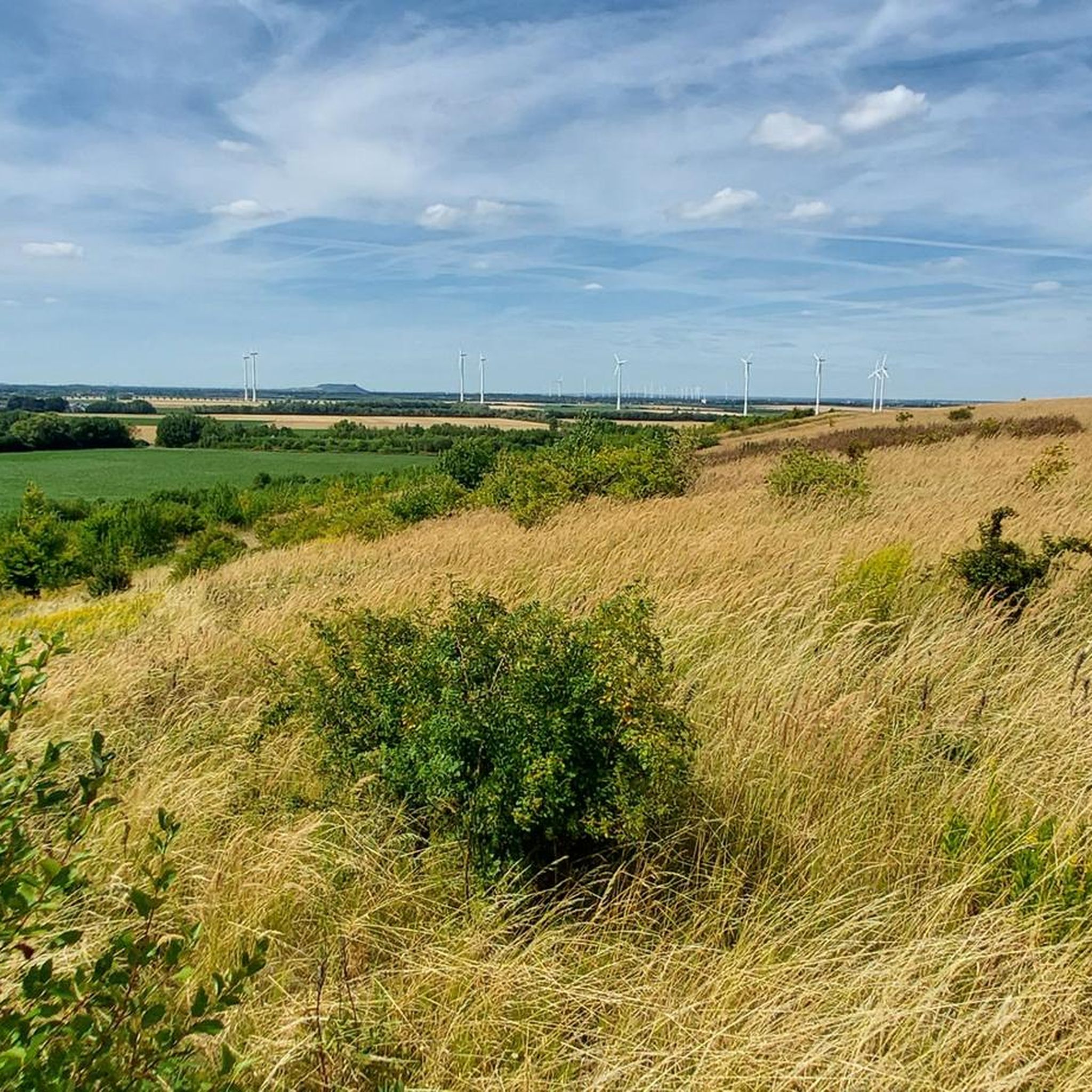
The "Stone Compass" brings some variety to the large wooded area of the artificial mountain in a clearing on Sophienhöhe.
9
0

The Laufenburg was built in the 12th century by the Dukes of Limburg. Since the 17th century it has only existed as a ruin. In 1895 the battlements of the round corner towers were renewed. The current restaurant is closed on Mondays.
12
0

Historical overview Jülich was founded in Roman times as a road station along the Roman road from Boulogne-sur-Mer to Cologne (Via Belgica). The vicus (Iuliacum) gained a certain importance due to its strategic position at a ford on the Rur and was fortified with a castle in the 4th century. In the 5th century the town fell into Frankish hands and developed into the centre of a district, the so-called Jülichgau, from which the county and, in 1328, the Duchy of Jülich later emerged. Jülich was elevated to town status possibly in 1234. In the war against the Archbishop of Cologne, the town was destroyed in 1239. On October 14, 1279, the Counts of Jülich concluded the Peace of Pingsheim with Siegfried von Westerburg, the Archbishop of Cologne. In the 14th century, the town received new fortifications, of which the Witches' Tower and a remnant of the wall in Stiftsherrenstraße have been preserved.
6
0


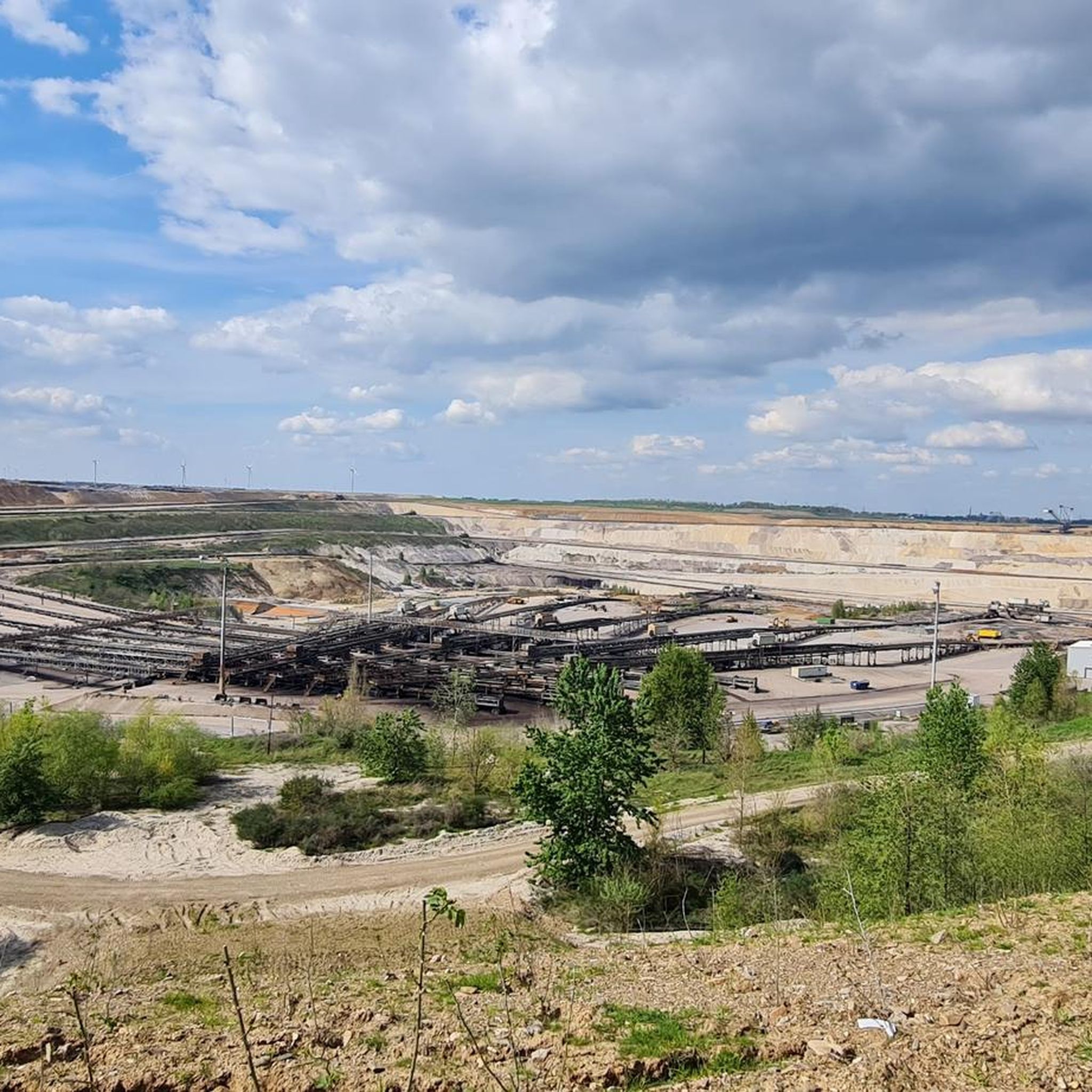
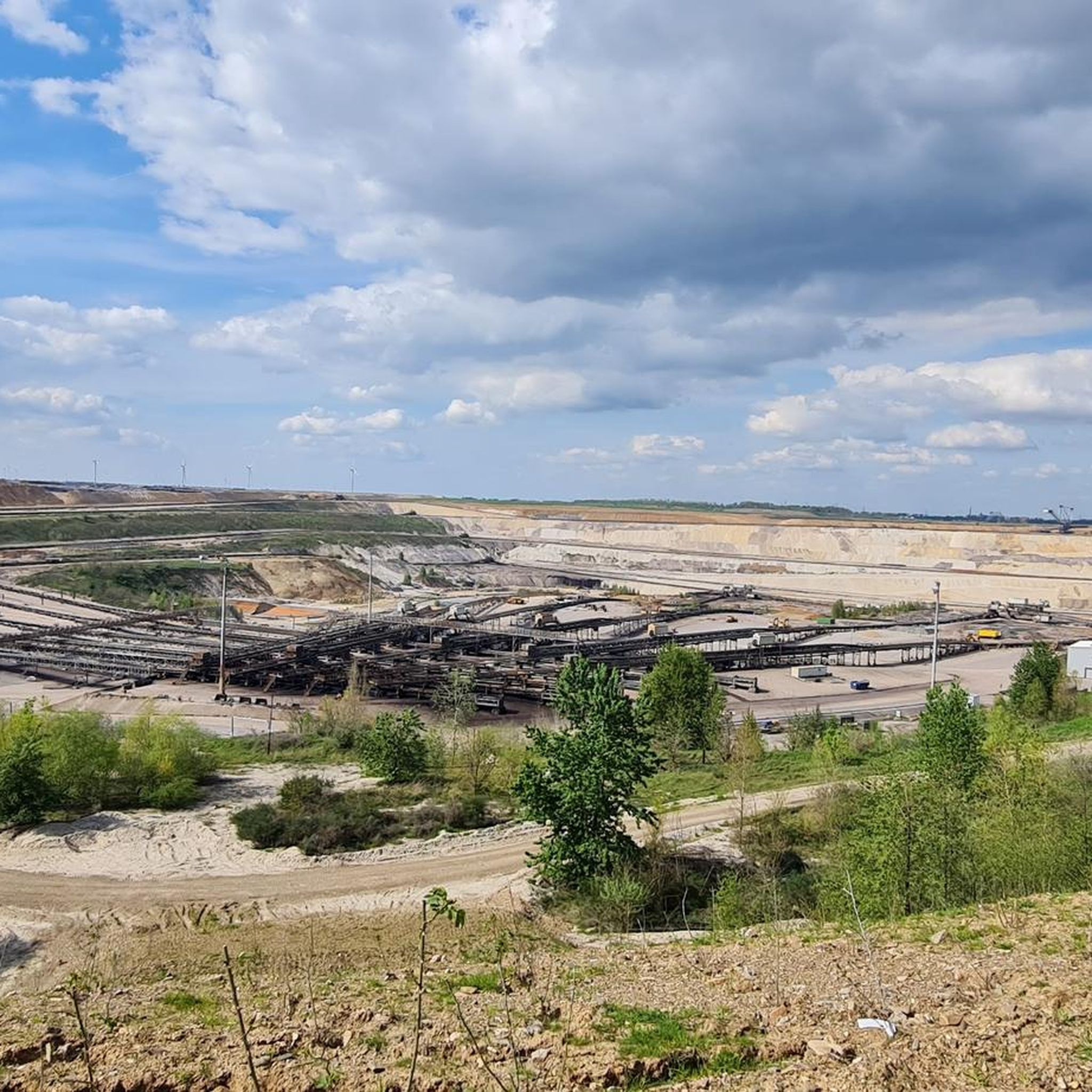
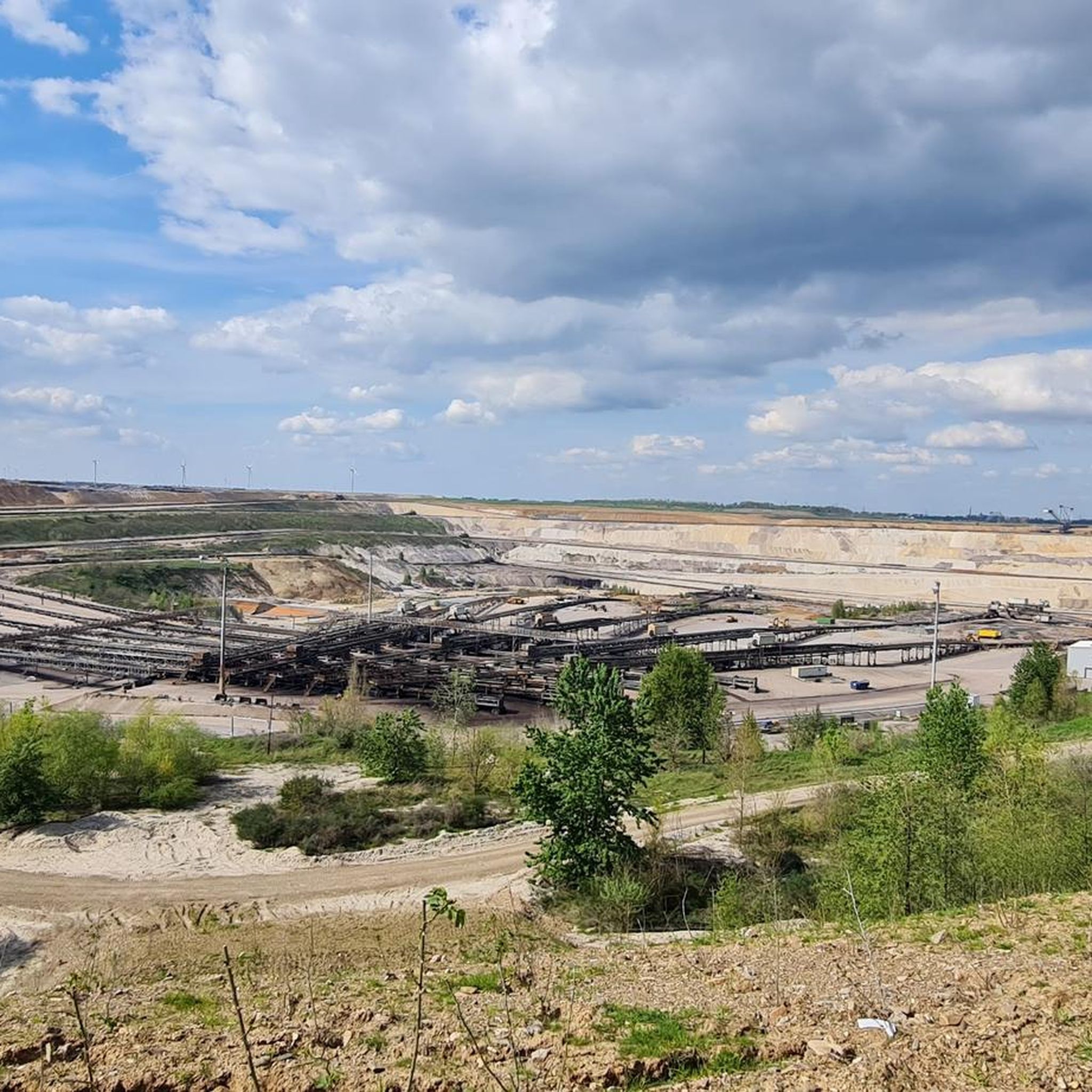
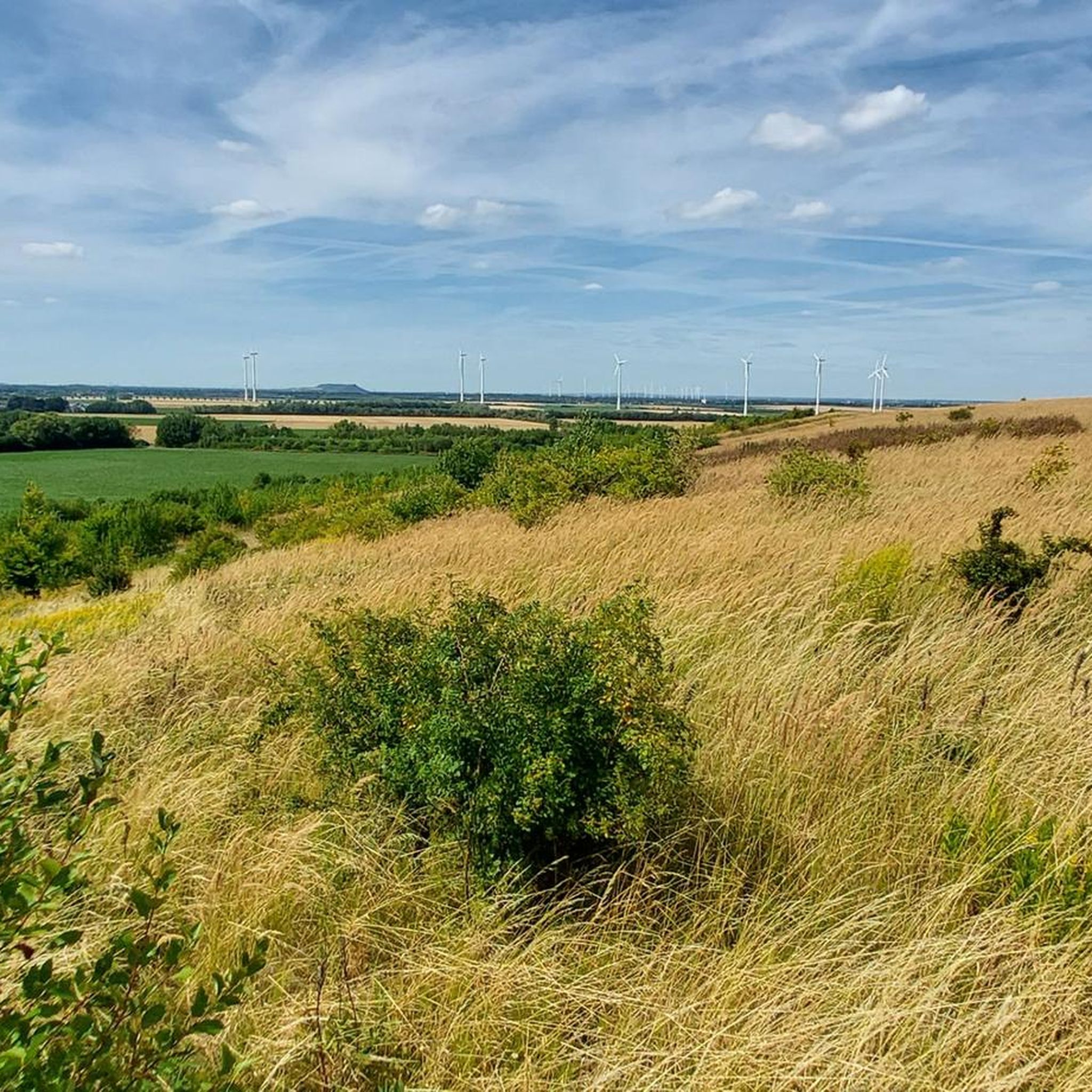
The Sophienhöhe, also known as Monte Sophia, is a recultivated spoil heap created by the mining of lignite seams from the Hambach opencast mine.
14
0
Frequently Asked Questions
What natural features and viewpoints can I explore in Inden?
Inden offers a blend of natural features and impressive viewpoints. The most prominent is the Indemann Observation Tower, a 36-meter-tall steel structure on the Goltsteinkuppe, providing panoramic views of the surrounding landscape, including the Inden open-pit lignite mine. You can also visit the River Rur, which offers scenic paths, and the newly created Lucherberger See, a popular recreational spot formed from reclamation efforts.
Are there good hiking opportunities around Inden?
Yes, Inden provides various hiking opportunities, especially around its reclaimed landscapes and river areas. You can find easy hikes, such as the "Indemann – Indemann Observation Tower loop from Inden" or "Haus Palant – Along the Inde River loop from Frenz," which are part of the easy hikes around Inden guide. For more challenging options, routes like the "Indemann – View of the Inden opencast mine loop from Inden/Altdorf" are available.
What historical sites can I visit in Inden?
Inden has several historical sites reflecting its rich past. You can explore Laufenburg Castle, a beautifully preserved 12th-century knight's castle. The Roman Tower at Sophienhöhe, a replica of an ancient watchtower, offers historical context and panoramic views. Additionally, the Ortsgeschichtliches Museum in Lucherberg showcases the region's history, including archaeological finds and the impact of lignite mining. Several villages also feature historic medieval churches and a Jewish cemetery in Frenz.
Are there family-friendly attractions or activities in Inden?
Absolutely! Inden offers several family-friendly options. The Indemann Observation Tower is a great visit, and there's a minigolf course nearby. The River Rur provides scenic cycling paths suitable for families. Many of the easy hiking trails, such as those around Lucherberger See, are also ideal for families.
Where can I experience the unique reclaimed landscapes of Inden?
The unique reclaimed landscapes, shaped by lignite mining, are central to Inden's character. The Indemann Observation Tower on the Goltsteinkuppe (itself a reclaimed spoil heap) offers the best vantage point to observe the Inden open-pit mine and the ongoing transformation. The Lucherberger See is another example of a new natural space created through reclamation efforts, offering recreational opportunities.
What cycling routes are available along the River Rur?
The River Rur is excellent for cycling, featuring scenic paths that include both asphalt and gravel sections. You can find various routes that follow the river, such as those mentioned in the gravel biking around Inden guide, offering pleasant resting places along the way. The Rur flows through the municipality, providing ample opportunities for riverside rides.
What do visitors enjoy most about the attractions in Inden?
Visitors frequently appreciate the panoramic views from the Roman Tower at Sophienhöhe and the Indemann Observation Tower. The scenic cycling paths along the River Rur are also highly praised for their beauty and pleasant resting spots. The well-preserved Laufenburg Castle, with its traditional restaurant, is noted for its historical charm and inviting atmosphere.
Are there any specific running trails in the Inden area?
Yes, there are several running trails around Inden. For example, you can explore the "Lucherberger See – Former Lucherberg Lake loop from Lucherberg" for an easy run, or challenge yourself with the "Indemann – View of the Inden opencast mine loop from Inden/Altdorf." More options can be found in the Running Trails around Inden guide.
Is the Indemann Observation Tower accessible for everyone?
The Indemann Observation Tower is designed with accessibility in mind. While it features 216 stairs connecting its twelve viewing platforms, an elevator is available up to the eighth level, making it accessible for many visitors. The tower provides an excellent opportunity for panoramic views of the surrounding landscape.
What kind of wildlife can be observed in Inden's natural areas?
As the former lignite mining areas are being reclaimed and new natural spaces like the Lucherberger See and the Indeaue (floodplains of the Inde River) are developing, these areas are becoming habitats for various wildlife. While specific species are not detailed, these natural reclamation zones are designed to foster biodiversity, offering opportunities for birdwatching and observing local flora and fauna in their evolving ecosystems.
Are there any cultural museums or exhibitions in Inden?
Yes, the Ortsgeschichtliches Museum (Local History Museum) in the old town hall in Lucherberg is a key cultural site. It offers insights into the history of the Inden region, featuring archaeological finds from various eras and detailing the significant structural changes brought about by lignite mining. Entry is free, and visits can be arranged by appointment or public announcement.
Most popular routes around Inden
Most popular attractions around Inden

Get inspired with the komoot mobile app


Explore more
Still not found the Highlight you’re looking for? See guides of the top attractions in other regions:
