The best road cycling routes around Vila Do Touro
179
riders
29
rides
Road cycling around Vila Do Touro offers routes through an undulating granite landscape, characterized by the Côa River Valley and nearby hilly terrain. The region features quiet backroads and paved sections, providing diverse cycling experiences. Cyclists can expect varied elevations, with occasional climbs leading to panoramic views of the surrounding area. The landscape includes green meadows, olive groves, and rocky outcrops, offering a blend of natural beauty and cultural interest.
Best road cycling routes around Vila Do Touro
- The most…
Last updated: July 11, 2026
11
riders
Moderate road ride. Good fitness required. Mostly well-paved surfaces and easy to ride.
10
riders
118km
05:51
1,780m
1,780m
Hard road ride. Very good fitness required. Mostly well-paved surfaces and easy to ride.

Sign up for free
9
riders
96.4km
04:35
1,270m
1,270m
Hard road ride. Very good fitness required. Mostly well-paved surfaces and easy to ride.
10
riders
73.1km
03:28
970m
970m
Hard road ride. Very good fitness required. Mostly well-paved surfaces and easy to ride.
6
riders
Moderate road ride. Good fitness required. Mostly well-paved surfaces and easy to ride.
Get access to more routes and recommendations from other explorers.
Sign up for free
Already have an account?
Our route recommendations are based on thousands of hikes, rides, and runs completed by other people on komoot.
Start today with a free account
Your next adventure awaits.
Login or Signup
Popular around Vila Do Touro
Tips from the Community

Sabugal Castle is one of the most imposing and well-preserved medieval fortifications in Portugal. It is known as the "Castle of the Five Corners" due to the unusual shape of its impressive pentagonal keep, the castle's most iconic feature. Its pentagonal (five-cornered) plan is considered unique in Portuguese military architecture. It is approximately 30 meters high and offers incredible views. The castle has a double ring of walls. You can walk along the ramparts on top of the walls for a panoramic view over the city and the Côa River. From the top, you can see the Côa River winding its way through the city and the natural landscape of the Serra da Malcata mountain range.
1
0
Sabugal, a town that deserves a visit to its castle and the entire surrounding area, especially the magnificent river beach on the Côa River.
1
0

The history of Meimoa is revealed through studies and excavations, which link its name to ancient "mammoas" or the Latin mammula, protohistoric burial structures, half-buried and rounded in appearance. Today, the village combines heritage and leisure: the Roman-Philippine bridge, the village's calling card, and a riverside area popular in the summer keep its identity alive.
1
0
On the banks of the river that gives it its name, Meimoa River Beach is an invitation to relax. Between shaded lawns, a natural pool, and futsal and beach soccer fields, there's plenty of space to have fun or simply relax. The bar with a terrace completes the perfect setting for cooling off on hot summer days.
1
0
Penamacor, once one of the most imposing border fortresses, still bears traces of its military importance. The medieval castle, classified as a National Monument, stands as a testament to the ancient defensive line of Beira. Amidst narrow streets and walls, memories of the Jewish quarter, a refuge for Jews expelled from Spain in 1492, also emerge. In this context, Penamacor is above all the birthplace of António Ribeiro Sanches, a physician, philosopher, and medical reformer who served Catherine of Russia.
2
0

This pillory was built in the 16th century in the Manueline style. It has been classified as a property of public interest since 1933.
1
0
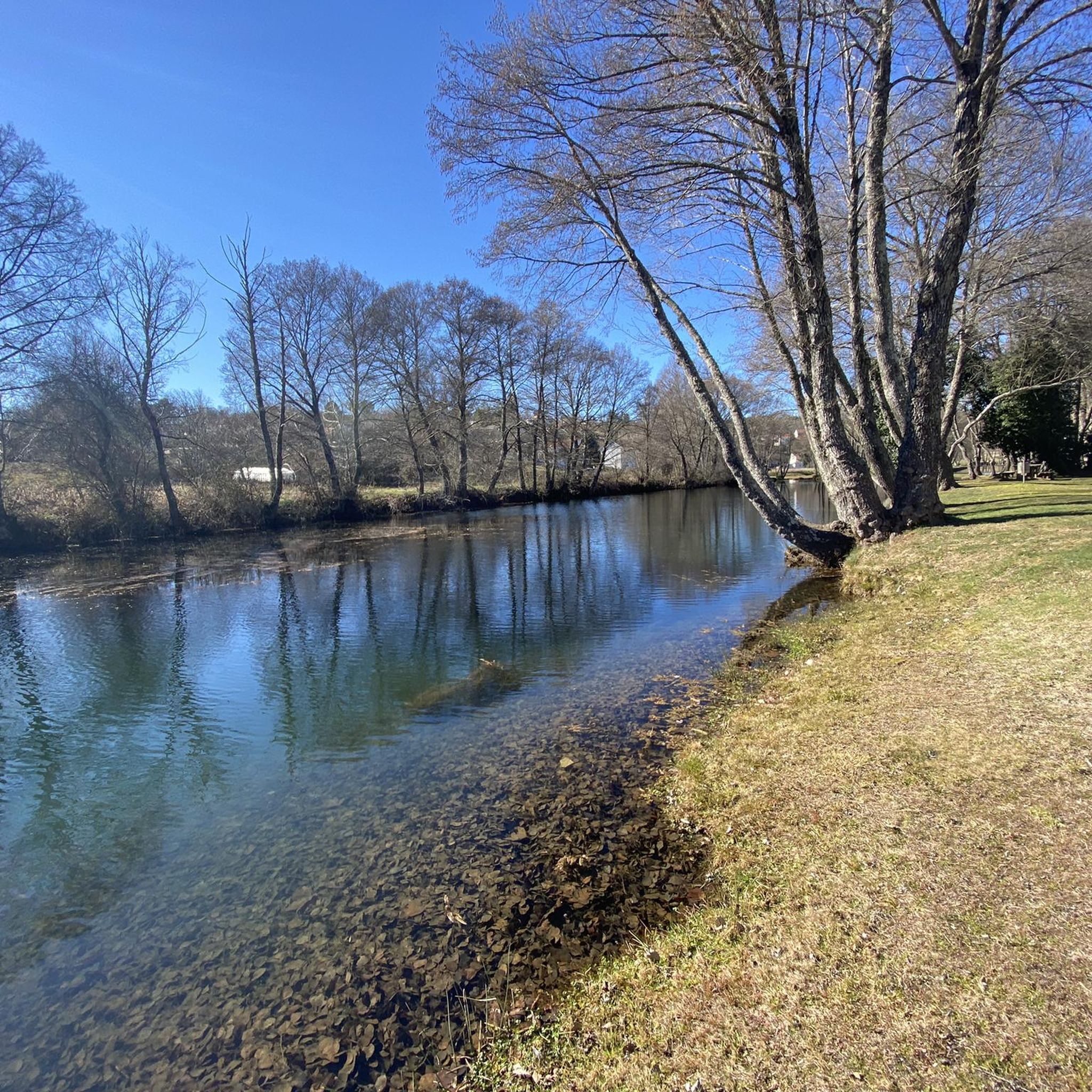
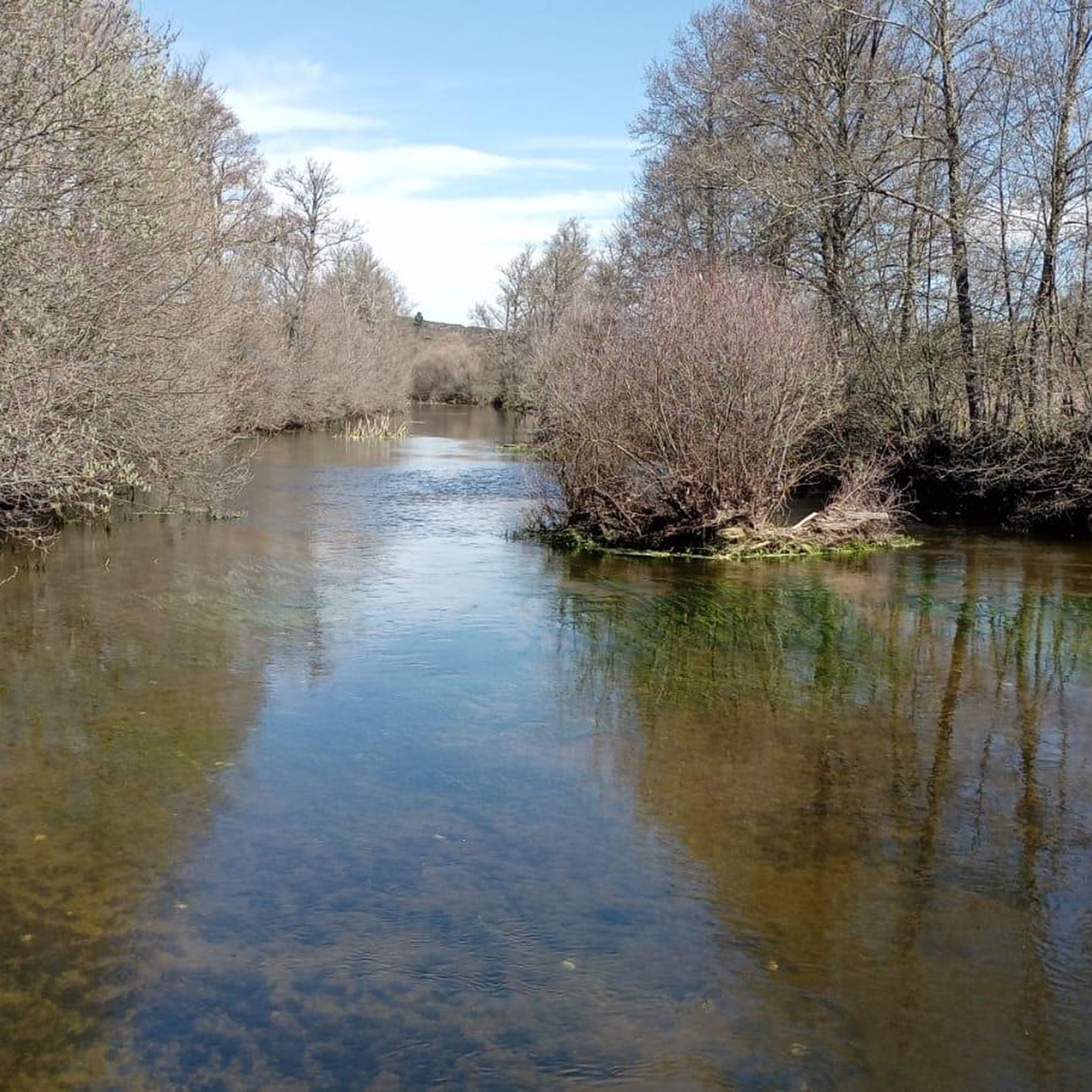
Among the secret corners of Portugal, the Côa River is a discreet treasure. It rises in Fóios and flows through valleys and hills until it joins the Douro River in Vila Nova de Foz Côa. Even here, where it flows gently and seems like just a trickle, the valley reveals all its magic. It's the ideal place to rest for a moment, cool your feet, and let yourself be enveloped by the river's serenity before resuming your journey.
2
0
Built on the Côa River, Sabugal Castle preserves centuries of borders and memory. Once part of the Kingdom of León, it passed to Portugal in 1297 and became a strategic staging ground for the Portuguese-British troops during the Third French Invasion. Today, it continues to stand as a living testament to the long history of one of Europe's oldest nations.
2
0
Frequently Asked Questions
How many road cycling routes are available around Vila Do Touro?
There are over 25 road cycling routes around Vila Do Touro, offering a variety of experiences for different skill levels. These routes traverse an undulating granite landscape, featuring the scenic Côa River Valley and quiet backroads.
What kind of terrain and elevation can I expect on road cycling routes in Vila Do Touro?
Road cycling in Vila Do Touro features an undulating granite landscape with varied elevations. You can expect occasional climbs that lead to rewarding panoramic views. The terrain includes green meadows, olive groves, and rocky outcrops, with routes often following the meandering Côa River.
Are there any challenging road cycling routes for experienced riders?
Yes, Vila Do Touro offers several challenging routes. For instance, the Meimoa River Beach – Navasfrías Town Center loop from Sabugal e Aldeia de Santo António is a difficult 118 km route with significant elevation gain, taking you through demanding terrain. Another difficult option is the Meimoa River Beach – Penamacor Viewpoint loop from Sabugal e Aldeia de Santo António, covering over 96 km.
What historical landmarks or natural features can I see along the road cycling routes?
The region is rich in historical and natural attractions. You can explore sites like the Historic Village of Sortelha, the impressive Sabugal Castle, and the ancient Bridge over the Côa River. Natural features include the serene Côa River Valley and a path with interesting rock formations. The Vila do Touro Castle ruins also offer fantastic 360° views.
What is the best time of year for road cycling in Vila Do Touro?
The region's climate makes spring and autumn ideal for road cycling, offering pleasant temperatures and beautiful scenery. While specific weather conditions vary, these seasons generally provide comfortable riding conditions before the peak heat of summer or the cooler, wetter days of winter.
Are there any family-friendly road cycling routes in Vila Do Touro?
While many routes in Vila Do Touro feature varied elevations and can be moderately challenging, some sections of the Côa Valley Grand Route might be suitable for families looking for quieter, paved sections. However, most listed routes are moderate to difficult, so families should review route details carefully for distance and elevation before setting out.
Where can I find parking for road cycling routes in Vila Do Touro?
Parking is generally available in and around the main towns and villages, such as Sabugal, which serves as a common starting point for many routes. Specific parking information for individual routes is best checked on komoot route pages or local municipal websites.
Are there any loop trails for road cycling in Vila Do Touro?
Yes, many road cycling routes in Vila Do Touro are designed as loops. For example, the Belmonte Pillory loop from Sabugal e Aldeia de Santo António is a moderate 38.1 km loop that takes you through an area with historical landmarks. Another option is the Alto da Texugueira – Portela do Lameirão loop from Sabugal e Aldeia de Santo António, a longer and more difficult 91.2 km loop.
What are some popular routes that showcase the region's beauty?
The Blue Cycle Path Near Viseu – Rio Diz Urban Park loop from Sabugal is a popular choice, offering extensive cycling through the landscape near Sabugal with notable elevation changes. The region's quiet backroads and sections of the Grande Rota do Côa also provide scenic rides through green meadows, olive groves, and dramatic rocky outcrops.
Can I find cafes or restaurants along the road cycling routes in Vila Do Touro?
While the routes often pass through quiet, natural areas, you will find cafes and restaurants in the villages and towns along the way, particularly in Sabugal and other larger settlements. These offer opportunities to refuel and experience local cuisine during your ride.
What makes road cycling in Vila Do Touro unique?
Road cycling in Vila Do Touro is unique due to its blend of challenging, undulating terrain and serene natural beauty. Cyclists can enjoy quiet backroads, panoramic views from historical sites like Vila do Touro Castle, and the tranquil landscapes of the Côa River Valley, all while experiencing the rich cultural heritage of the Sabugal municipality.
Most popular routes around Vila Do Touro
Most popular attractions around Vila Do Touro

Get inspired with the komoot mobile app


Explore more
Browse the best Road cycling routes in other regions.
