The best MTB trails around Lajes
5.0
(2)
98
riders
9
rides
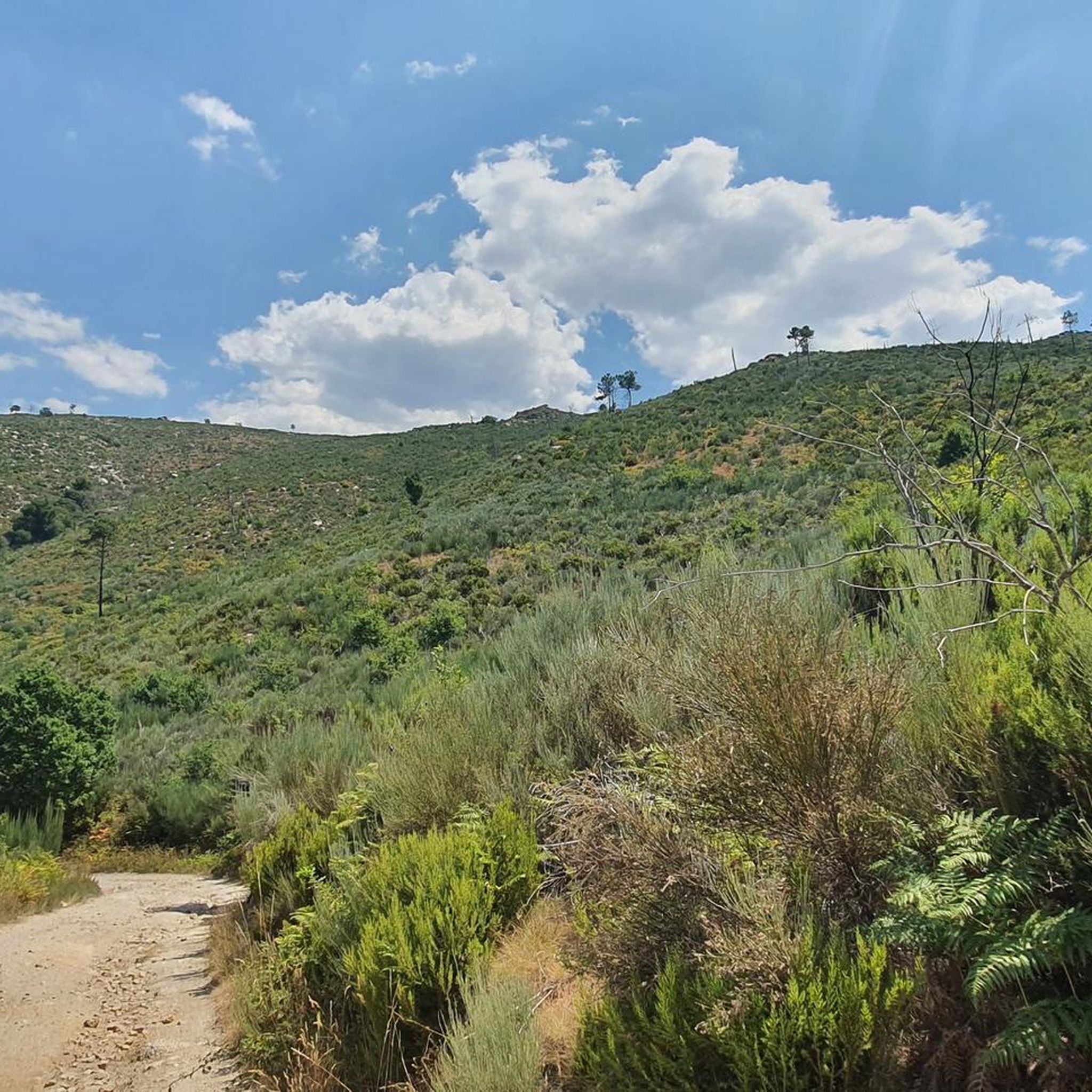
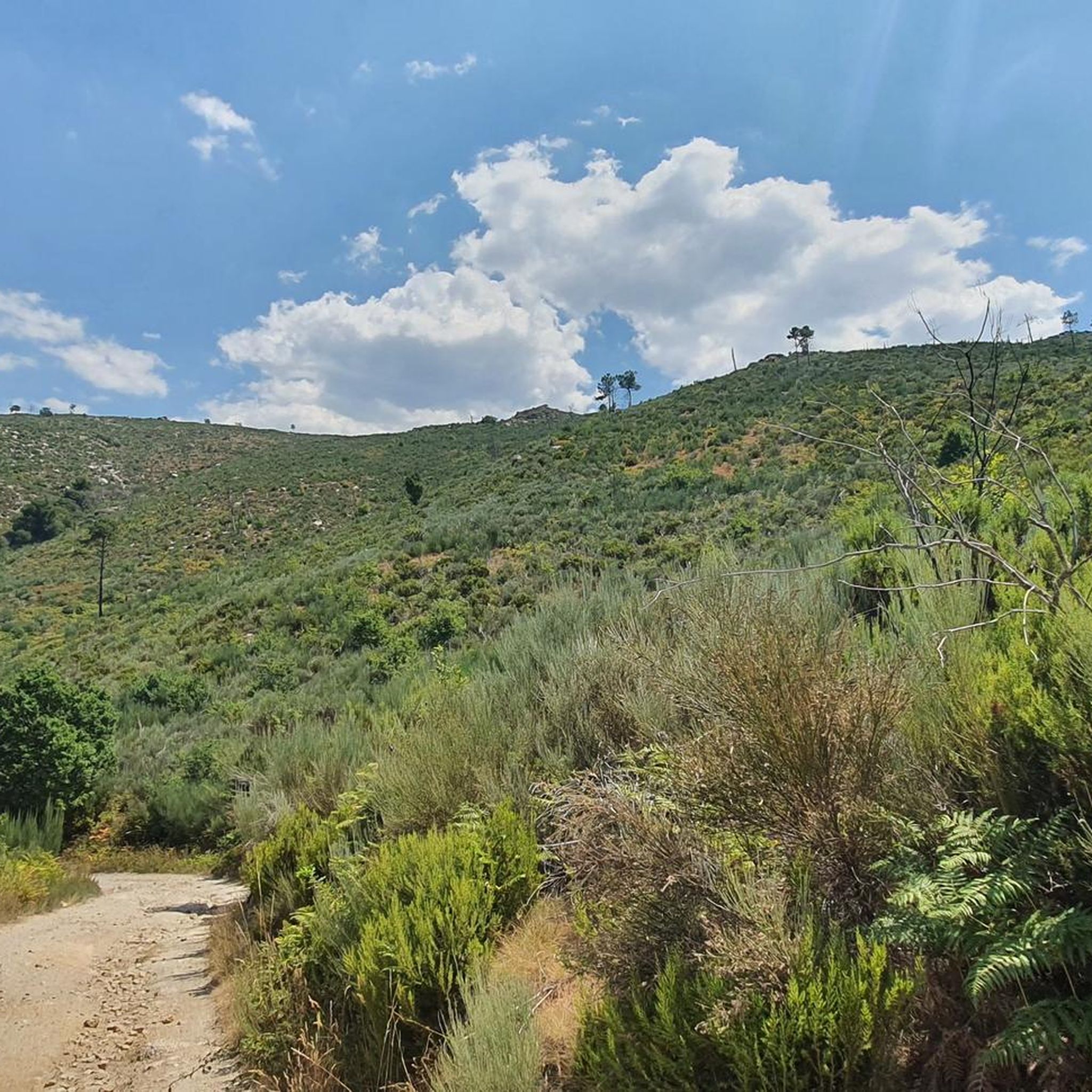
Mountain biking around Lajes offers diverse terrain characterized by volcanic landscapes, lush vegetation, and dramatic coastal and inland features. The region provides a challenging and scenic backdrop for cyclists, with paths winding through ancient forests and across varied geological formations. Riders can expect routes that traverse rolling hills and offer panoramic viewpoints.
Best mountain bike trails around Lajes
- The most popular mountain bike trail is Caniçada Waterfall – Casa das Obras Fountain loop from Seia, a 33.9 miles (54.6…
Last updated: June 28, 2026
29
riders
54.5km
05:54
1,930m
1,940m
Hard mountain bike ride. Very good fitness required. Suitable for all skill levels.
27
riders
23.2km
02:19
610m
610m
Moderate mountain bike ride. Good fitness required. Suitable for all skill levels.

Sign up for free
22
riders
59.4km
05:18
1,020m
1,020m
Hard mountain bike ride. Very good fitness required. Advanced riding skills necessary.
13
riders
62.0km
05:09
1,790m
1,790m
Hard mountain bike ride. Very good fitness required. Suitable for all skill levels.
5.0
(2)
7
riders
26.3km
02:03
670m
670m
Moderate mountain bike ride. Good fitness required. Suitable for all skill levels.
Get access to more routes and recommendations from other explorers.
Sign up for free
Already have an account?
Our route recommendations are based on thousands of hikes, rides, and runs completed by other people on komoot.
Start today with a free account
Your next adventure awaits.
Login or Signup


Tips from the Community

The Lapa dos Dinheiros river beach is in perfect harmony with nature. Located in the parish of Lapa dos Dinheiros, on the Caniça River, a right-bank tributary of the Alva River, this bathing area is nestled in a mountainous landscape dominated by the Lapa Souto (south of Lapa) and imposing granite outcrops. With clear water, very appealing for swimming, the beach boasts the award for accessible beach and has lifeguards and a bar available to visitors. The rugged terrain of the valley causes the river to form a succession of small waterfalls nearby. The Lapa Souto, in addition to its valuable collection of centuries-old chestnut trees, is also home to a high level of biodiversity. From the bridge, a pedestrian path leads to the Moura Hole and a viewpoint over the Caniça Waterfalls. The Buraco da Moura is a natural cave system created by the sliding and accumulation of large granite blocks, which formed a complex system of rooms and galleries. How to get there? Once in Seia, follow the EN231 to S. Romão. From there, continue uphill for about 5 km, toward Loriga/Lapa, until you find the sign for Lapa dos Dinheiros on the left. Once inside the town, simply follow the beach signs. Coordinates: 40º 23′ 07.0″ N / 7º 41′ 50.1″ W
1
0

Located at an altitude of approximately 1,600 meters, Lagoa Comprida is the largest water reservoir in the Serra da Estrela, intended for hydroelectric generation. This natural lake lies in a wide depression of glacial origin, approximately one kilometer long, which fed the Covão Grande glacier. Numerous glacial scars are visible along its banks, making this lake one of the most interesting geomorphological sites in the Serra da Estrela. Construction on this lake began in 1911, and by 1914, it was already six meters high. Later, in 1965, it underwent heightening work that increased its height to 28 meters, currently boasting a storage capacity of approximately 14 cubic hectometers, flooding an area of approximately 80 hectares. Small streams of water flow into this lagoon, as well as water retained in the Covões dos Conchos and Covões do Meio and carried to this lagoon through underground tunnels.
6
1

The Serra da Estrela Natural Park is something truly special. This 1,000-square-kilometer park, spread across six municipalities, was the first and currently the largest protected natural park in Portugal. It is home to the highest point on the Portuguese mainland, the country's only ski slope, the source of two important rivers, and a fascinating, alpine-like landscape formed by glaciers.
5
1

At exactly 1993 meters above sea level, Torre is the highest point in mainland Portugal, where the only ski resort is located. The landscape on the upper plateau of the Serra da Estrela is like a sprinkling of granite rocks over low scrub and patches of snow and ice, which the sun threatens to melt soon in the summer and which always returns the following winter. In winter, it sometimes becomes inaccessible.
6
0

Gouveia is a picturesque Portuguese town and municipality located in the district of Guarda, on the northern edge of the Serra da Estrela Natural Park. With an elevated position that provides it with a mountain climate and picturesque views, Gouveia is considered one of the "gateways" to the highest mountain range in mainland Portugal. The town stands out for its rich historical and architectural heritage, with a charming old town characterized by narrow cobbled streets, traditional houses and monuments such as the Mother Church of São Pedro and the Paços do Concelho (Town Hall). Gouveia is also renowned for the production of the famous Queijo Serra da Estrela, a DOP sheep's cheese, and for its tradition of the Cão da Serra da Estrela dog breed. Its proximity to the Natural Park makes it an excellent base for exploring the natural beauty of the Serra.
0
0
The village is famous for its granite houses, cobbled streets and its imposing medieval castle, which offers spectacular views of the surrounding landscape. Legend has it that Folgosinho was founded by Lusone, grandson of Noah, which adds a touch of mysticism to its already fascinating history.
0
0
Lagoa Comprida is the largest glacial lake in Serra da Estrela, Portugal, and one of the most iconic spots in the Natural Park. Its name, meaning "Long Lake," perfectly describes its elongated shape, nestled between the surrounding peaks. Originally a glacial lake, it was artificially enlarged with the construction of a dam in the early 20th century for hydroelectric power generation, becoming an important reservoir. Its crystalline waters reflect the sky and the rugged surrounding mountains, creating breathtaking views. It is a popular starting point for hikes and treks to other lagoons and peaks, and offers a sense of grandeur and serenity typical of alpine environments.
2
0
Frequently Asked Questions
What kind of terrain can I expect when mountain biking in Lajes?
Mountain biking around Lajes, particularly across the Azorean islands of Terceira, Pico, and Flores, offers a diverse and scenic experience. You'll encounter varied volcanic landscapes, lush vegetation, and dramatic coastal and inland features. Expect paths winding through ancient laurel forests, rugged trails across lava fields, and routes with panoramic viewpoints over rolling green hills and the Atlantic. The islands' unique geological formations, including volcanic craters, calderas, and basalt columns, provide a challenging and visually stunning backdrop.
How many mountain bike trails are available around Lajes?
There are 10 mountain bike trails available around Lajes. These routes offer a range of experiences, with 7 classified as moderate and 3 as difficult, catering to different skill levels.
Are there any challenging mountain bike routes for experienced riders in Lajes?
Yes, for experienced riders seeking a challenge, there are 3 difficult mountain bike routes around Lajes. One such route is the Caniçada Waterfall – Casa das Obras Fountain loop from Seia, which spans 33.9 miles (54.6 km) with significant elevation gain. Another demanding option is the Afonso Costa Statue – Casa das Obras Fountain loop from Seia, a 36.9 miles (59.4 km) path with considerable climbing.
What do other mountain bikers enjoy the most about mountain biking in Lajes?
The mountain biking routes in Lajes are highly rated by the komoot community, with an average score of 5.0 stars from over 1 review. Riders often praise the varied terrain, extensive distances, and challenging climbs that define the region's trails, as well as the stunning volcanic scenery and lush landscapes.
Are there any circular mountain bike routes in Lajes?
Yes, many of the mountain bike routes around Lajes are designed as loops. For example, the Long Lake – Serra da Estrela loop from Seia is a 38.7 miles (62.3 km) trail that takes you through mountainous terrain. Another option is the Folgosinho – Folgosinho loop from Gouveia, a moderate 26.2 miles (42.1 km) route.
What natural features or landmarks can I see along the mountain bike trails in Lajes?
While mountain biking around Lajes, you can encounter a variety of natural features and landmarks. Depending on the specific island (Terceira, Pico, or Flores), these may include volcanic craters, dramatic coastal cliffs, lush forests, and unique lava fields. Notable attractions nearby include the Lapa dos Dinheiros River Beach and the Aqueduct of the Caniça Route. On Flores, you might find stunning waterfalls and basalt columns like Rocha dos Bordões.
What is the best time of year for mountain biking in Lajes?
The mild oceanic climate of the Azores makes Lajes suitable for mountain biking year-round. However, for the most pleasant conditions, spring (April to June) and autumn (September to October) often offer comfortable temperatures and less rainfall, making them ideal for exploring the diverse landscapes.
Are there options for less demanding mountain bike rides in Lajes?
Yes, while some routes are challenging, there are options for less demanding rides. The region offers 7 moderate routes, which can be a good starting point. Additionally, the availability of e-bike tours in the Azores makes the challenging volcanic landscapes accessible to a wider range of riders, allowing you to enjoy the scenery without extreme physical exertion.
Where can I find more information about mountain biking on the specific Azorean islands near Lajes?
For more detailed information about mountain biking on the individual Azorean islands, you can explore resources specific to each. For Terceira Island, visit biking.visitazores.com/en/islands/terceira. For Pico Island, check biking.visitazores.com/en/islands/pico. And for Flores Island, you can find details at biking.visitazores.com/en/islands/flores.
Are there any historical or cultural points of interest near the mountain bike trails?
Yes, beyond natural beauty, you can find historical and cultural points of interest. For instance, you might encounter the Ruins of the Old Water Mill or the Igreja de São Pedro. On Pico Island, the UNESCO World Heritage vineyards and traditional villages built with dark volcanic stone offer a glimpse into the local culture and history.
What are some of the unique geological formations I might see while mountain biking in the Lajes region?
The Lajes region, particularly across the Azorean islands, is rich in unique geological formations. You can expect to see dramatic volcanic craters, extensive lava fields (known as *lajidos* or *terras de biscoito* on Pico), and impressive basalt columns like Rocha dos Bordões on Flores. The coastline also features dark basalt contrasting with the clear blue sea, often forming natural bathing sites.
Most popular routes around Lajes
Most popular attractions around Lajes

Get inspired with the komoot mobile app


Explore more
Browse the best MTB trails in other regions.
