The best road cycling routes around São Martinho
4.8
(16)
1,216
riders
51
rides
Road cycling routes around São Martinho offer a diverse landscape for cyclists. The region is known for its unique shell-shaped bay and extensive coastal paths along the Atlantic Ocean. Cyclists can experience varied terrain, from flat stretches along the coastline to more challenging climbs through elevated areas like the Serra dos Mangues and Serra da Pescaria. The area also features geological formations and historical sites, providing a mix of natural and cultural points of interest.
Best road cycling routes around…
Last updated: October 17, 2026
4.5
(2)
107
riders
37.8km
02:23
1,090m
1,090m
Hard road ride. Very good fitness required. Mostly well-paved surfaces and easy to ride.
55
riders
122km
07:24
3,210m
3,210m
Hard road ride. Very good fitness required. Mostly well-paved surfaces and easy to ride.

25
riders
42.6km
01:58
500m
510m
Moderate road ride. Good fitness required. Mostly well-paved surfaces and easy to ride.
15
riders
53.8km
03:01
1,150m
1,150m
Hard road ride. Very good fitness required. Mostly well-paved surfaces and easy to ride.
14
riders
71.7km
03:39
1,070m
1,070m
Hard road ride. Very good fitness required. Mostly well-paved surfaces and easy to ride.
Get access to more routes and recommendations from other explorers.
Already have an account?
Our route recommendations are based on thousands of hikes, rides, and runs completed by other people on komoot.
Start today with a free account
Your next adventure awaits.
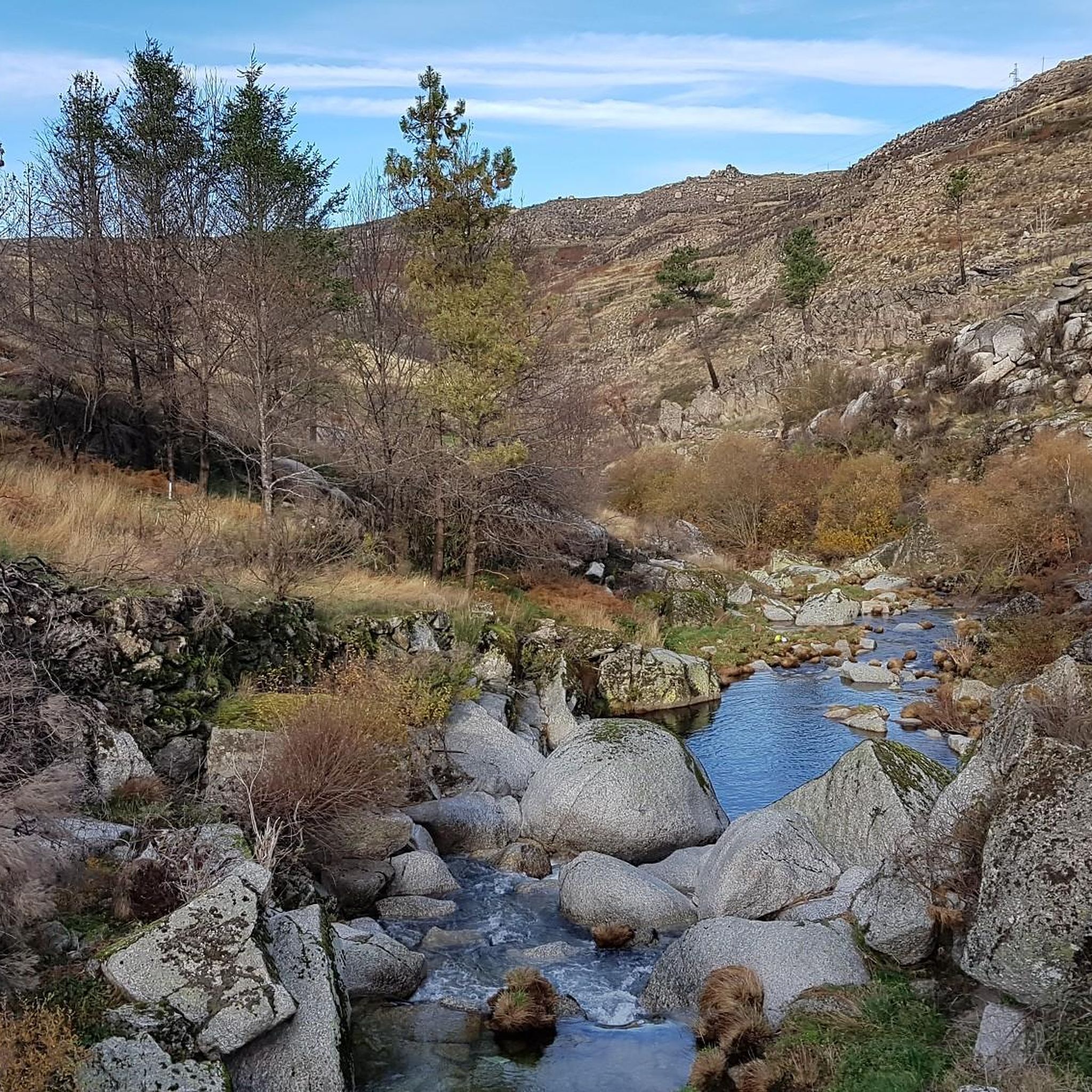
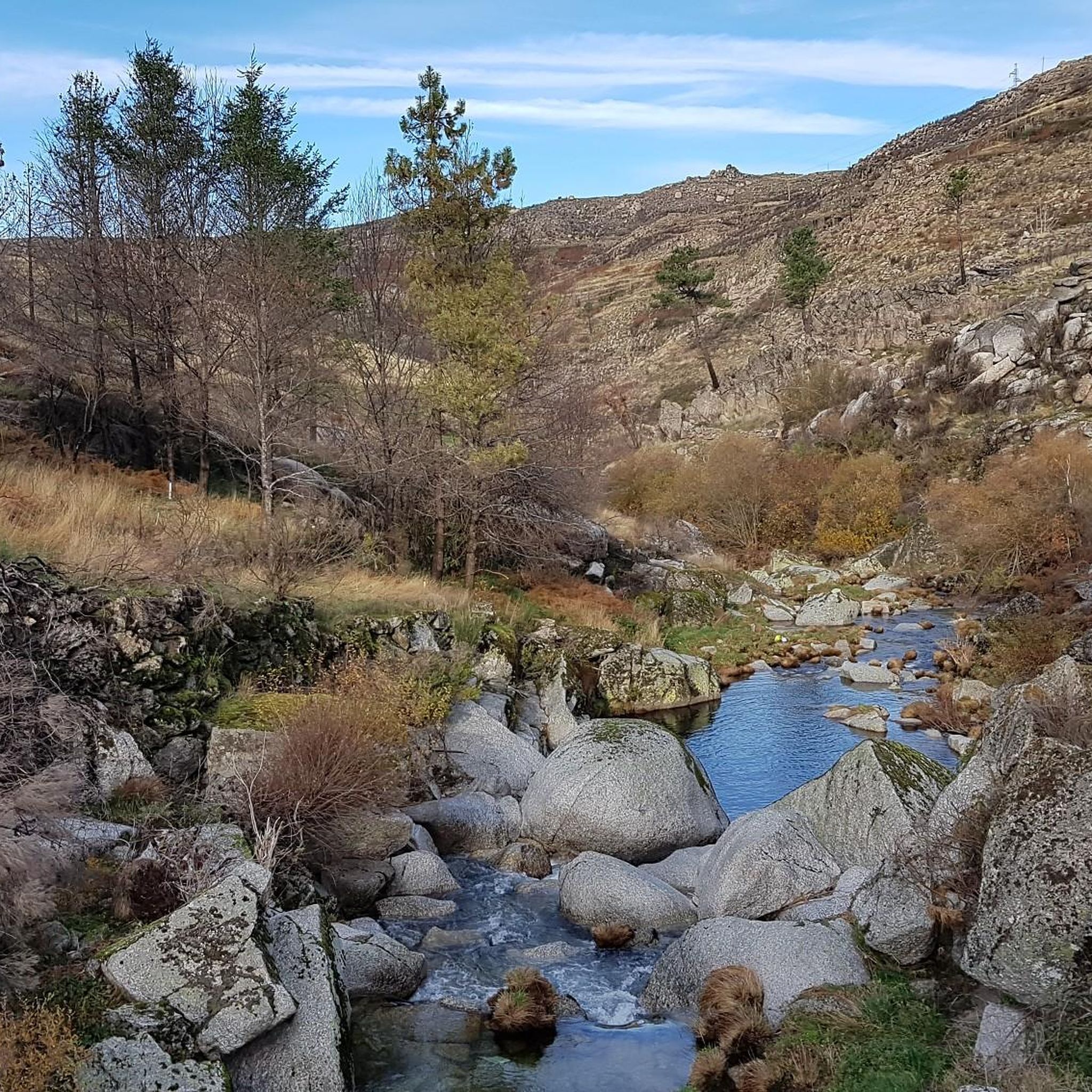
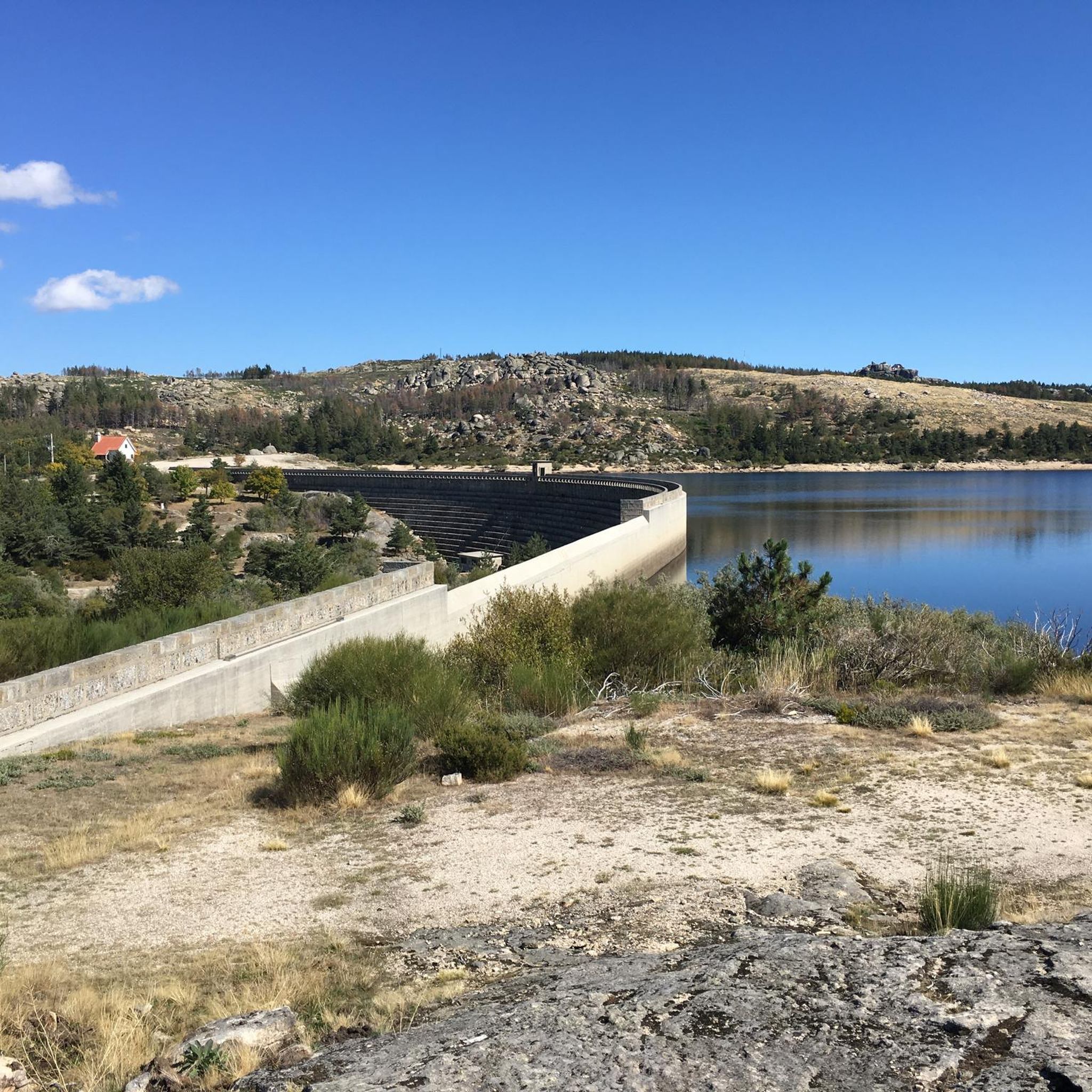
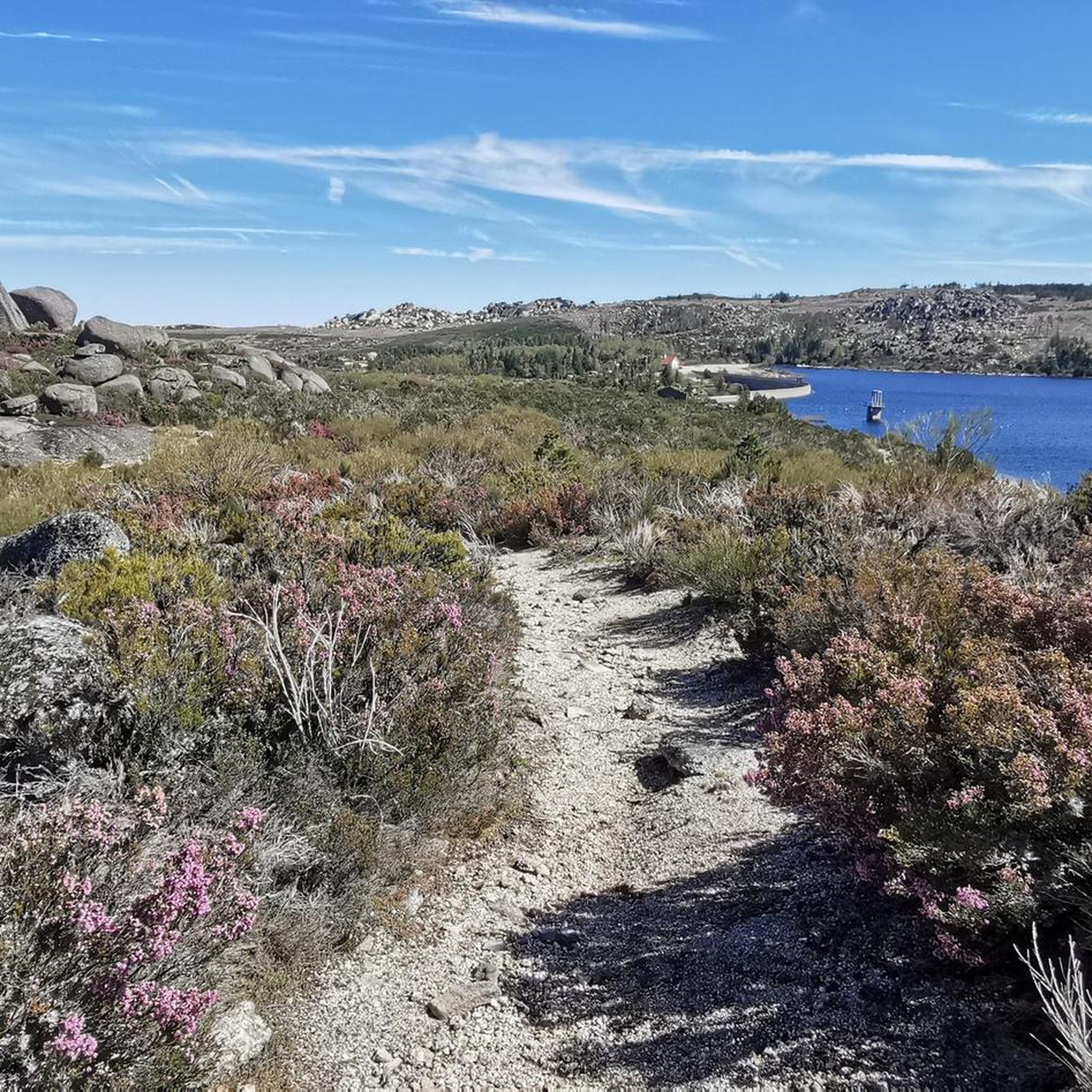
Tips from the Community

Centrally located in the park and easily accessible via a beautiful, paved road is the Torre. This is the highest point of the Serra da Estrela mountain range; nowhere in continental Portugal can you go higher. Actually, the highest point is at 1,993 meters. A small tower of 7 meters on top of the mountain completes the 2,000 meters.
7
0

The Torre is the highest point of Continental Portugal, at 1,993 meters above sea level. It is located in the heart of the Serra da Estrela Natural Park and serves as the dividing line between the municipalities of Seia, Manteigas, and Covilhã. To reach the round 2,000 meters, King D. João VI had a stone monument built at the top of the plateau in the early 19th century.👍🥾
0
0

Cântaro Magro is one of the "commonplaces" of the Serra da Estrela mountain range, whose summit rises to 1928 m altitude, deserving a visit at any time of year. Viewed from west to east, its silhouette resembles a pitcher. In summer, its rocky face is interrupted by small terraces of soil, where some of the rarest botanical jewels of the mountain range grow. In winter, it is covered in snow and ice which, as they melt, form ephemeral waterfalls. These recall the overflowing liquid from the pitchers carried on the heads of women when, in the past, they went to the fountains. #CISE #VisitSeia #ParqueNaturaldaSerradaEstrela
0
0

Sabugueiro, the village vying for the title of highest in Portugal, is also one of the most authentic ambassadors of mountain life. Among granite houses and comforting flavors (cheese, sausages, roast kid, and honey), you can find the warmth of blankets and burel coats and the company of the faithful Serra da Estrela mountain dogs. Surrounding waterfalls, streams, and lakes remind you that here, nature is as generous as the table.
3
0

The Serra da Estrela Natural Park is something truly special. This 1,000-square-kilometer park, spread across six municipalities, was the first and currently the largest protected natural park in Portugal. It is home to the highest point on the Portuguese mainland, the country's only ski slope, the source of two important rivers, and a fascinating, alpine-like landscape formed by glaciers.
5
1
Serra da Estrela Cheese is a Portuguese cheese made from sheep's milk and has a protected designation of origin. The earliest mention of this cheese dates back to the 12th century, making it the oldest Portuguese cheese. It is one of the most famous sheep's milk cheeses in the world. I recommend it 👍 Wikipedia
1
0
At exactly 1993 meters above sea level, Torre is the highest point in mainland Portugal, where the only ski resort is located. The landscape on the upper plateau of the Serra da Estrela is like a sprinkling of granite rocks over low scrub and patches of snow and ice, which the sun threatens to melt soon in the summer and which always returns the following winter. In winter, it sometimes becomes inaccessible.
6
0
Frequently Asked Questions
How many road cycling routes are available in São Martinho?
São Martinho offers a wide selection of road cycling routes, with over 50 options available. These routes cater to various skill levels, ranging from moderate to very challenging rides.
What kind of terrain can I expect on road cycling routes around São Martinho?
The region provides a diverse cycling experience. You'll find flat stretches along the picturesque shell-shaped bay and extensive coastal paths offering stunning Atlantic views. For those seeking more challenge, there are significant climbs and descents through elevated areas like the Serra dos Mangues and Serra da Pescaria, providing panoramic vistas.
Are there challenging road cycling routes in São Martinho?
Yes, São Martinho is known for its challenging road cycling. A significant portion of the routes, specifically 41 out of 54, are rated as difficult. Routes like the Cântaro Magro – Serra da Estrela loop from Seia, which spans 75.8 miles with substantial climbing, are popular among experienced cyclists.
Are there any easier road cycling options for beginners or families?
While many routes are challenging, there are moderate options available. The region's coastal paths and routes circling the serene shell-shaped bay offer flatter terrain suitable for less experienced riders or families looking for a more relaxed pace. For example, the Sabugueiro – Vale do Rossim Reservoir loop from Sabugueiro is a moderate 33.9-mile route.
What natural features or landmarks can I see while road cycling in São Martinho?
Road cycling in São Martinho offers a wealth of natural beauty. You can ride along the unique shell-shaped bay, explore coastal routes with ancient dinosaur footprints, and witness the dynamic Túnel para o Atlântico. Elevated routes provide views of the Serra dos Mangues and Serra da Pescaria. You might also encounter highlights such as the Covão dos Conchos Trail or the serene Long Lake.
Can I cycle to historical sites or towns from São Martinho?
Absolutely. Many routes connect to or pass by significant historical and cultural sites. You can cycle to the famous town of Nazaré, known for its giant waves and the Fort of São Miguel Arcanjo. Other accessible destinations include the historic walled town of Óbidos, the magnificent Alcobaça Monastery (a UNESCO World Heritage site), and the clifftop Capela de Santa Ana.
What is the best time of year for road cycling in São Martinho?
São Martinho offers pleasant cycling conditions for much of the year. The coastal climate generally provides mild temperatures. Spring and autumn are often ideal, with comfortable weather and less crowded routes. Summer can be warm, especially inland, but coastal breezes make rides enjoyable. Winter is typically mild, though some routes might be affected by rain.
Are there circular road cycling routes available?
Yes, many of the road cycling routes in São Martinho are designed as loops, allowing you to start and end in the same location. Popular examples include the Covão do Ferro Lagoon – Serra da Estrela loop from Sabugueiro and the Sabugueiro – Gouveia loop from Sabugueiro, both offering diverse landscapes.
What do other road cyclists enjoy the most about road cycling in São Martinho?
The road cycling routes in São Martinho are highly rated by the komoot community, with an average score of 4.75 stars from over 13 reviews. Cyclists often praise the region's varied terrain, from scenic coastal paths to challenging climbs with rewarding panoramic views, and the unique blend of natural beauty and historical sites.
Are there places to stop for refreshments or accommodation along the routes?
Yes, many routes pass through or near traditional villages and towns where you can find cafes, restaurants, and accommodation. For instance, the Vale do Rossim River Beach Restaurant is a notable stop along some routes. Larger towns like Nazaré, Óbidos, and Alcobaça also offer ample amenities for cyclists.
Are there any specific geological formations or historical elements to look out for?
Beyond the stunning landscapes, the coastline near São Martinho do Porto is remarkable for its ancient dinosaur footprints and unique geological formations, preserved for 175 million years. Inland, the Plateau of Cezaredas offers trails through Roman traces and past historic windmills, adding a rich historical dimension to your ride.
Can I combine road cycling with other activities in the region?
Absolutely. The region is excellent for combining road cycling with other outdoor pursuits. You can explore the calm waters of the shell-shaped bay, visit expansive beaches, or hike trails that lead to waterfalls and traditional villages. The proximity to places like Nazaré also allows for experiencing its famous giant waves.
Is there public transport available to access the cycling routes?
While specific public transport options directly to trailheads can vary, São Martinho do Porto is generally well-connected by regional bus services. These services can transport you to the town itself, from where many routes are accessible. It's advisable to check local bus schedules for specific destinations and bike transport policies.
Most popular routes around São Martinho
Most popular attractions around São Martinho

Get inspired with the komoot mobile app


Explore more
Browse the best Road cycling routes in other regions.
