Attractions and Places To See around Muxagata - Top 14
Best attractions and places to see around Muxagata include a blend of natural beauty, historical landmarks, and cultural sites in the interior region of Portugal. The area is characterized by its natural features like the Muxagata Nature Creek and the Mondego River, offering opportunities for outdoor activities. Visitors can explore ancient sites and cultural heritage within the village and its surroundings. Muxagata provides a tranquil setting for those interested in exploring local history and diverse landscapes.
Best attractions and places…
Last updated: July 1, 2026
Côa Museum
Highlight • Historical Site
Translated by Google •
Tip by

Ruins of the Pocinho Railway District 🇵🇹
Highlight • Historical Site
Translated by Google •
Tip by

Sign up now to discover places like this
Get recommendations on the best single tracks, peaks, & plenty of other exciting outdoor places.
Sign up for free
Final Marker of N222 (Almendra)
Highlight • Monument
Translated by Google •
Tip by

End of N222 in Almendra
Highlight (Segment) • Trail
Tip by

São Gabriel Viewpoint
Highlight • Viewpoint
Panoramic views encompass:
Translated by Google •
Tip by
Sign up for free to discover even more attractions around Muxagata.
Sign up for free
Already have an account?
Start today with a free account
Your next adventure awaits.
Login or Signup

Tips from the Community

Next to the viewing platform is a small 19th-century chapel, built of granite and situated on a schist outcrop. The interior is simple with a granite altar and a tile panel depicting the Annunciation, donated in 1951 by Maria Vitória Albuquerque Soares.
2
0
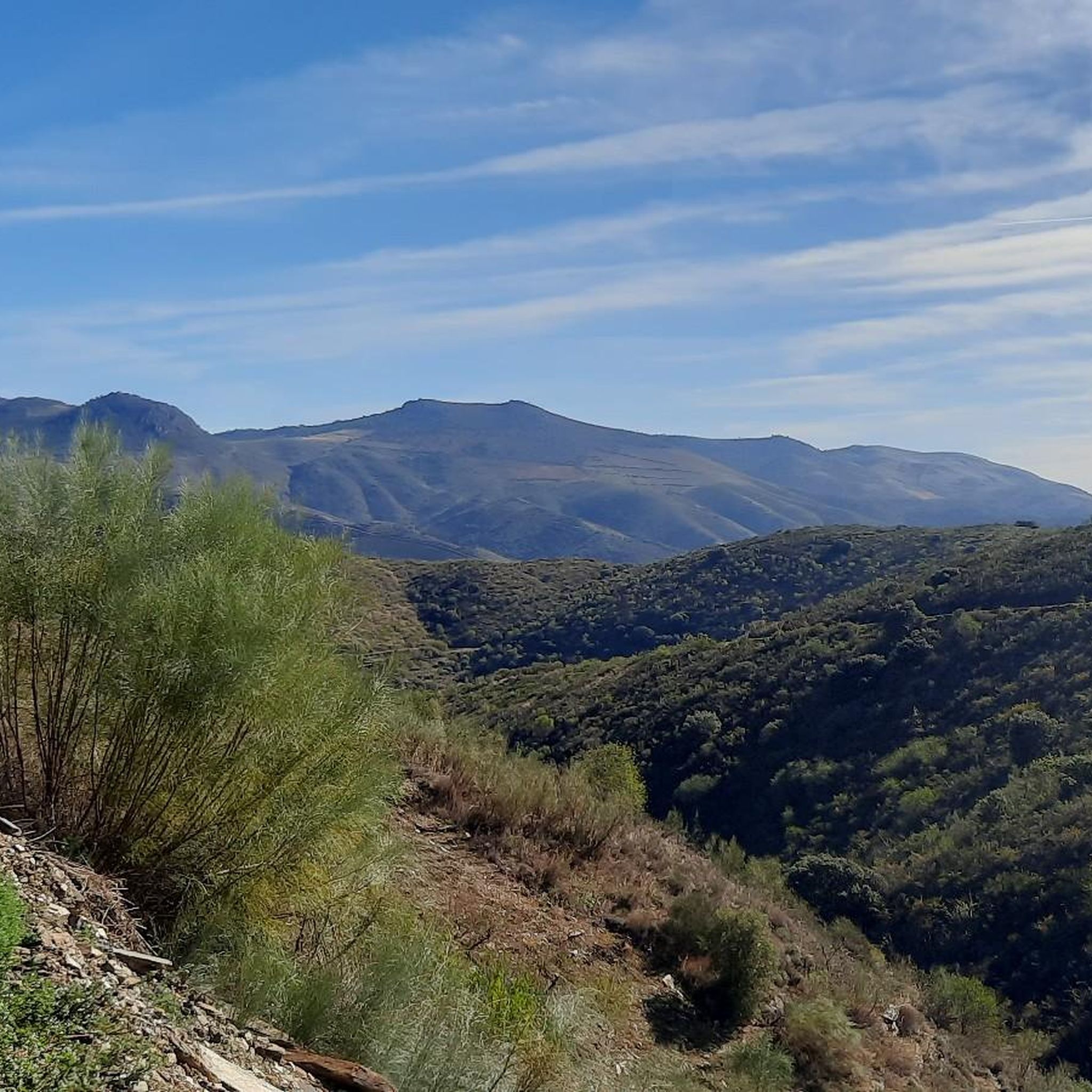
The São Gabriel Viewpoint, located in Castelo Melhor, within the municipality of Vila Nova de Foz Côa, is one of the most spectacular panoramic points in northern Portugal. Panoramic views encompass: The Côa Valley and the Douro River. Municipalities such as Torre de Moncorvo, Mêda, Trancoso, Pinhel, Figueira de Castelo Rodrigo, and Freixo de Espada à Cinta. Spanish territories such as Urros, Peredo dos Castelhanhos, and the Castilian Plateau. The Serra da Marofa, Castelo Melhor, Almendra, and even the Historic Village of Castelo Rodrigo.
2
0

Pocinho is a village in the municipality of Vila Nova de Foz Côa, located on the left bank of the Douro River. Its railway station is the current terminus of the Linha do Douro. The small town developed with the construction of the station in the 19th century, which served as a warehouse for goods such as minerals and agricultural products. The Pocinho Dam is located next to the village, which currently provides a road connection between the districts of Guarda and Bragança. Places to visit: Pocinho Railway Station Pocinho Dam Pocinho High Performance Rowing Centre
4
0
From a distance, the building resembles a large outcrop emerging from the ground, and its facade is composed of mineral pigments in concrete, mimicking the natural irregularities of the region's metamorphic rocks. The Côa Museum does not replace a visit to the rock art sites in the Côa Valley Archaeological Park, but it is a gateway that allows visitors to discover the artistic richness of the Côa and Douro valleys. Furthermore, the museum houses the largest library in Portugal dedicated to rock art. 😊
12
0
The Côa Museum opened on July 30, 2010, and is located on one of the slopes where the Douro and Côa rivers meet. Designed by architects Camilo Rebelo and Tiago Pimentel, the museum is one of the largest in Portugal. Its design is inspired by the notion that "Paleolithic art in the Côa Valley is perhaps the earliest manifestation of 'Land art.'"
13
0

Coa Valley is the largest Paleolithic open-air museum in the world. The museum provides a nice insight with replicas and screens
7
0

Final kilometers of N222 going along Rio Duoro. Monument at the start of N222 and Cafe in Almendra. Protected area to both sides of the road, fantastic views. Route also passes by museum with early human rock drawings.
0
0

Representative landmark at the end of national road 222. The original landmark is found a few meters before.
1
0
Frequently Asked Questions
What natural features can I explore in Muxagata?
Muxagata offers several natural attractions. You can hike the almost 3 km Muxagata Nature Creek Trail, which leads to the Mondego River and features panels detailing local flora and fauna. The village also boasts a lovely local River Beach with floating pools and water sports, and the Muxagata Stream valley is rich in biodiversity.
Are there historical and cultural sites to visit in Muxagata?
Yes, Muxagata is rich in history. Within the village, you can stroll through cobblestone streets to admire the ancient church, a traditional fountain, historic stone houses, and the Chapel of Our Lady of Miracles. Nearby, you'll find ancient sites like the Neolithic Temple of Fraga da Pena and Castro de Santiago.
What archaeological sites are near Muxagata?
For those interested in history, the Côa Museum serves as a gateway to the renowned Coa Valley Archaeological Park, famous for its rock art sites. Additionally, the Neolithic Temple of Fraga da Pena and Castro de Santiago are ancient sites located near the valley.
What makes the Côa Museum a significant attraction?
The Côa Museum is a major historical site located where the Douro and Côa rivers meet. Designed to resemble a large outcrop, it provides insight into the rock art sites of the Côa Valley Archaeological Park and houses Portugal's largest library dedicated to rock art. It's considered the largest Paleolithic open-air museum in the world.
Are there family-friendly activities available in Muxagata?
Muxagata offers several family-friendly options. The local River Beach is equipped with floating pools, a sandy sunbathing area, a picnic spot, and offers kayaks and paddle boats. The nearby Mangualde Artificial Beach also features a saltwater pool, a large sand area, and entertainment options. The Côa Museum is also categorized as family-friendly.
Where can I find panoramic views near Muxagata?
For spectacular panoramic views, visit the São Gabriel Viewpoint in Castelo Melhor. It offers expansive vistas of the Côa Valley, the Douro River, and surrounding municipalities, even extending to parts of Spain. Another spot for fantastic views along the Douro River is the End of N222 in Almendra.
What outdoor activities can I do near Muxagata?
Beyond the Muxagata Nature Creek Trail, the region offers numerous options for outdoor enthusiasts. You can enjoy casual strolls, vigorous hikes, running, or biking through dirt roads winding between stone walls and farms. For more structured routes, explore the hiking trails around Muxagata, road cycling routes, or MTB trails.
What is the best time to visit Muxagata for outdoor activities?
The period from November to May is particularly scenic for outdoor activities, as the mountains are filled with rainwater, creating rivers and waterfalls that cascade towards the Mondego River. This time offers lush landscapes and vibrant natural beauty, especially along the Muxagata Nature Creek Trail.
What can I expect at the Ruins of the Pocinho Railway District?
The Ruins of the Pocinho Railway District 🇵🇹 is a historical site that developed around its 19th-century railway station. Visitors can explore the remnants of the station, the nearby Pocinho Dam, and the High Performance Rowing Centre, offering a glimpse into the region's industrial past and current recreational facilities.
Are there specific hiking routes recommended near Muxagata?
Yes, there are several hiking routes. For an easy walk, consider the "Côa Museum – Stairway to Douro loop from Antigo apeadeiro de Coa" (3.1 km). For a moderate challenge, try the "Old Douro Railway Bridge loop from Pocinho" (9.1 km). You can find more options and details in the Hiking around Muxagata guide.
What is special about the End of N222 in Almendra?
The End of N222 in Almendra marks the final kilometers of the N222 road, offering fantastic views along the Douro River. This route passes through a protected area and near a museum featuring early human rock drawings, combining scenic beauty with historical interest.
What kind of wildlife can be observed in Muxagata?
The Muxagata Stream valley and the surrounding areas are rich in biodiversity. The riverside vegetation, including alders, supports a diverse ecosystem. The surrounding slopes with brushwood and black oak groves provide habitats for various wildlife, making it an interesting spot for nature observation.
Most popular routes around Muxagata

Get inspired with the komoot mobile app


Explore more
Still not found the Highlight you’re looking for? See guides of the top attractions in other regions:
