The best running trails around Vila Cã
3.3
(4)
108
runners
14
runs
Jogging around Vila Cã offers routes through green landscapes, characterized by olive and eucalyptus trees. The region is situated near the Valmar stream, a tributary of the Arunca River, providing opportunities for riverside running. Terrain varies from rural paths and forested areas to more challenging hilly sections with rewarding viewpoints over valleys. These natural features contribute to a diverse running experience within the municipality of Pombal.
Best jogging routes around Vila Cã
- The most popular jogging route is Santiago da…
Last updated: June 27, 2026
29
runners
31.3km
03:55
740m
740m
Hard run. Very good fitness required. Mostly accessible paths. Some sure footedness required.
12
runners
10.1km
01:04
90m
90m
Moderate run. Good fitness required. Mostly paved surfaces. Suitable for all skill levels.

Sign up for free
4.0
(1)
8
runners
8.27km
01:00
140m
140m
Moderate run. Good fitness required. Mostly paved surfaces. Suitable for all skill levels.
5.0
(1)
9
runners
9.69km
01:01
90m
90m
Moderate run. Good fitness required. Mostly paved surfaces. Suitable for all skill levels.
7
runners
8.62km
01:00
230m
220m
Hard run. Good fitness required. Sure-footedness, sturdy shoes and alpine experience required.
Get access to more routes and recommendations from other explorers.
Sign up for free
Already have an account?
Our route recommendations are based on thousands of hikes, rides, and runs completed by other people on komoot.
Start today with a free account
Your next adventure awaits.
Login or Signup
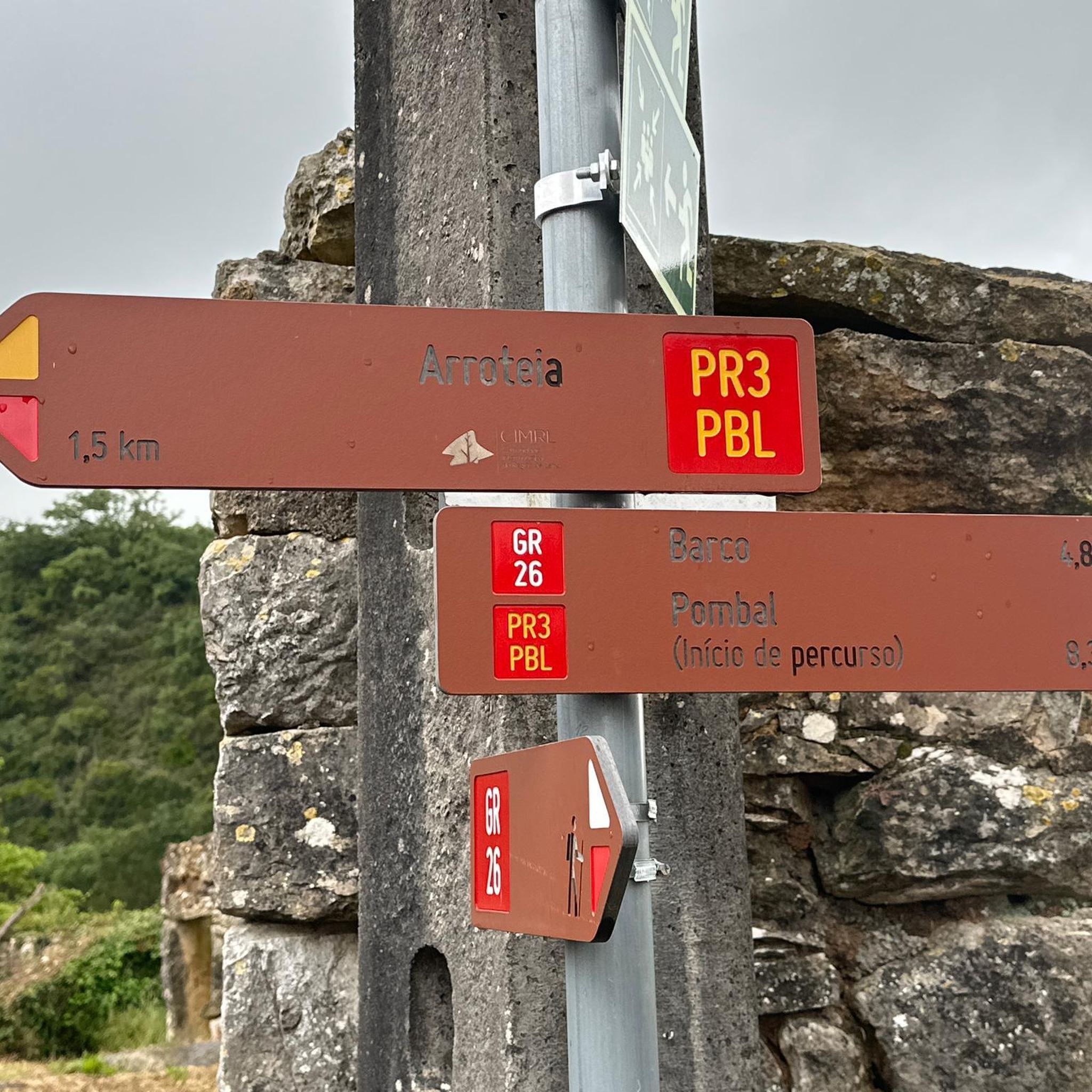
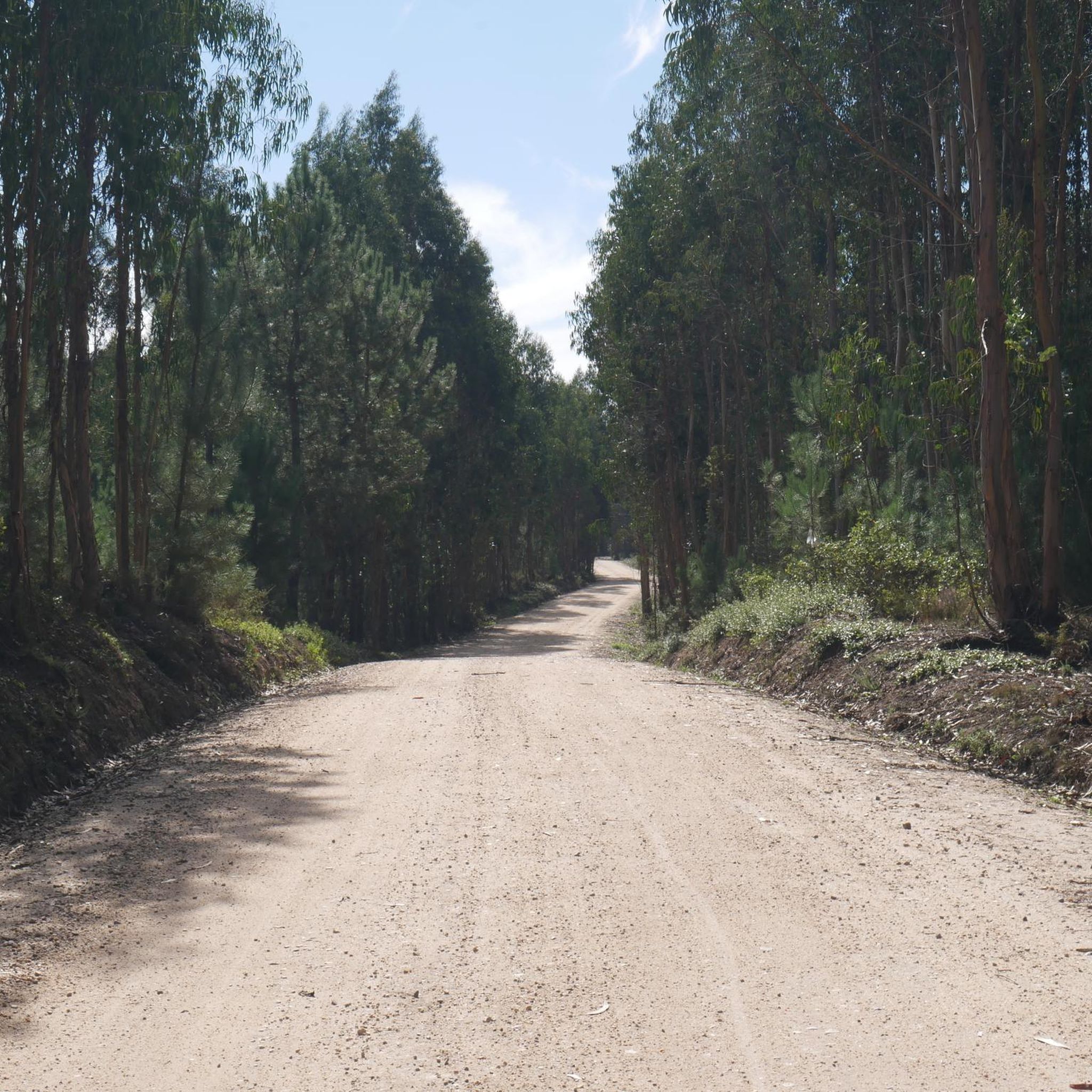

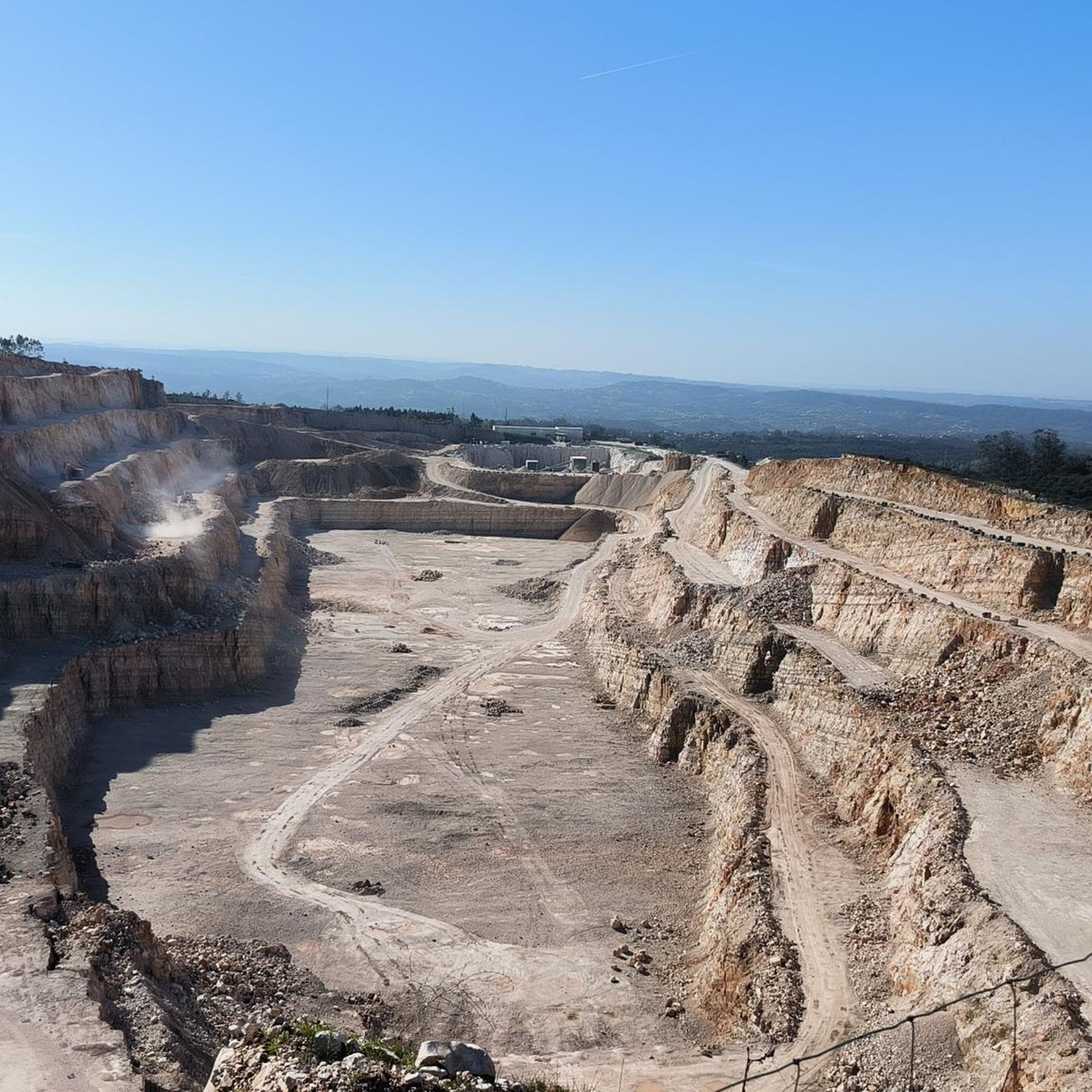
Tips from the Community

The Santiago da Guarda Monumental Complex is an unmissable stop, where history unfolds in layers. Classified as a National Monument, it stands out for its Manueline elegance, its 14th-century manor tower, and the impressive Roman mosaics that reveal an ancient villa from the 4th and 5th centuries. The old road between Tomar and Coimbra passed through here, later used by pilgrims on their way to Santiago. Surrounded by the limestone landscape and oak groves of the Serra de Sicó, the place invites you to slow down and take a deep breath. Take the opportunity to chat with the hospitable people.
1
0
In the hills of the Serra de Sicó, the windmills of Outeiro dot the landscape like echoes of a time when homemade bread sustained local life. Rotating, made of wood and set in stone circles, they turned with the wind, an invention of Afghan origin. Reconstructed to preserve the memory, today they also offer a privileged viewpoint over valleys and mountains.
1
0
The Chapel of Our Lady of the Star is sheltered by an impressive grotto, which rises like a stone mantle over the temple. Once a simple cavity, it grew until it took on its current form. Inside, a staircase leads to the deepest grotto. And, at the top, a small viewpoint guards the image of Our Lady of the Star facing the sea, recalling the legend that says she guided a fisherman back home.
2
0
The Poio Valley stands as a well-kept secret of the mountains, preserved for centuries by its rugged, steep, wild, and inaccessible geography. Only shepherds and adventurers used to know these paths. Perhaps that is why a rare fauna found refuge here. It is one of the largest fluviokarstic canyons in Portugal, a valley patiently sculpted by water, which left monumental slopes and a breathtaking landscape. To the south lies Poio Velho; to the north, the more famous Poio Novo, two chapters of the same magnificent landscape.
2
0
Pombal Castle dominates the landscape and the very history of the city. Built between 1156 and 1171 by the Knights Templar, it formed part of the old Mondego defensive ring, a series of fortresses that protected access to Coimbra after the Reconquista. Over the centuries it suffered attacks, including those from Napoleonic troops, and fell into ruin. Today, the castle has once again become a vibrant and accessible space, a privileged viewpoint and an essential landmark of Pombal's identity.
2
1

Pombal Castle, one of the most important Templar monuments in central Portugal: It stands atop a rocky outcrop beside the Arunca River, overlooking the city of Pombal. Built between 1156 and 1171 by Gualdim Pais, Grand Master of the Knights Templar, on the site of an ancient Roman fort and Arab fortress. It formed part of the Templar defensive line to protect Coimbra and launch offensives against the Muslims.
4
1

Although the precise date of the castle's construction is unknown, it is believed to have been during the Christian Reconquista in the 12th century, during the reign of King Afonso Henriques (1112-1185), and sometime between 1159, the date of the Redinha Charter—according to an epigraphic inscription of that date in Almourol—which mentions the construction of a series of castles, including Pombal Castle, by Gualdim Pais (son of Paio Ramires), then Master of the Knights Templar in Portugal. Pombal Castle indeed follows the same architectural lines characteristic of the Templars, present not only in Almourol but also in those of Idanha, Monsanto, Tomar, and Zêzere, its contemporaries. The function of this complex was to provide defense and settlement for these lands, south of the Mondego River, entrusted to the Order. Gualdim Pais himself granted a charter to Pombal in 1174, a town that developed on the southern slope of the castle hill. source: Wikipedia
1
0

It's magnificent, I don't know it, but it really makes you want to visit.
2
0
Frequently Asked Questions
How many running routes are available around Vila Cã?
There are over a dozen dedicated running routes around Vila Cã listed on komoot, offering a variety of distances and difficulty levels for joggers.
What kind of terrain can I expect on the jogging trails near Vila Cã?
The running routes around Vila Cã feature diverse terrain, including green landscapes with olive and eucalyptus trees, rural paths, and forested areas. You'll also find trails with hilly sections that provide rewarding viewpoints over valleys, particularly in the wider Pombal region.
Are there any easy running routes suitable for beginners in Vila Cã?
While many routes offer a moderate to difficult challenge, the broader Pombal region provides paths suitable for varying fitness levels. For a moderate option, consider the 🏰 POMBAL – View of POMBAL Castle loop from Pombal, which is 9.9 km long and offers views of the historic castle.
Can I find running routes with scenic viewpoints in the Vila Cã area?
Yes, several routes offer excellent viewpoints. For instance, the difficult Santiago da Guarda – Outeiro Windmills loop from Santiago da Guarda, a 31.3 km trail, provides extensive views. The reconstructed windmills of Outeiro, in the Serra de Sicó, are known for their privileged panoramas.
Are there any historical landmarks or attractions along the running trails?
Absolutely. You can incorporate historical sights into your run. The 🏰 POMBAL – View of POMBAL Castle loop from Pombal offers views of the historic Pombal Castle. Other nearby attractions include Ponte da Cal and the Old Clock Tower.
What do other runners say about the jogging experience in Vila Cã?
The running routes in Vila Cã are highly rated by the komoot community, with an average score of 3.25 stars. Over 100 runners have explored the varied terrain, often praising the green valleys, rural paths, and forested areas that define the experience.
Are there any running routes that follow rivers or streams?
Vila Cã is situated on the right bank of the Valmar stream, which is a tributary of the Arunca River. This provides potential for picturesque riverside jogging. The Arunca River itself is a notable natural feature in the region.
Are there any challenging running routes for experienced joggers?
Yes, there are several difficult routes for those seeking a challenge. The Santiago da Guarda – Outeiro Windmills loop from Santiago da Guarda is a demanding 31.3 km trail with significant elevation changes. Another difficult option is the Poios Canyon – Nossa Senhora da Estrela loop from Monte do Meio.
What natural features can I expect to see while running in Vila Cã?
Joggers in Vila Cã will encounter a green setting characterized by olive and eucalyptus trees. The presence of the Valmar stream and its connection to the Arunca River offers opportunities for scenic riverside runs. You might also pass through agricultural lands, including olive groves and vineyards, as well as pine forests.
Are there any specific natural monuments or gorges to explore?
Yes, the Poios Canyon is a notable gorge in the vicinity. The Poios Canyon – Nossa Senhora da Estrela loop from Monte do Meio is a running route that takes you through this varied landscape.
Are the running routes around Vila Cã typically circular?
Many of the popular running routes in the Vila Cã and wider Pombal area are designed as loops, allowing you to start and finish in the same location. Examples include the Santiago da Guarda – Outeiro Windmills loop and the 🏰 POMBAL – View of POMBAL Castle loop.
Most popular routes around Vila Cã
Most popular attractions around Vila Cã

Get inspired with the komoot mobile app


Explore more
Browse the best Running Trails & Routes in other regions.
