The best road cycling routes around Mira De Aire
4.4
(24)
933
riders
96
rides
Road cycling routes around Mira De Aire traverse a landscape characterized by rolling hills and rural terrain, offering varied elevation gains suitable for road cyclists. The region features a mix of agricultural areas and historical towns, providing diverse scenery along its paths. Road cyclists can expect undulating routes with moderate climbs and descents, typical of central Portugal's interior.
Best road cycling routes around Mira De Aire
- The most popular road cycling route is Tribute to the cyclist Diamantino – Castelo…
Last updated: July 8, 2026
4.5
(2)
32
riders
59.4km
02:48
710m
700m
Moderate road ride. Good fitness required. Mostly well-paved surfaces and easy to ride.
28
riders
Moderate road ride. Good fitness required. Mostly well-paved surfaces and easy to ride.

Sign up for free
9
riders
80.8km
03:48
750m
750m
Moderate road ride. Good fitness required. Mostly well-paved surfaces and easy to ride.
8
riders
35.7km
01:53
520m
520m
Moderate road ride. Good fitness required. Mostly well-paved surfaces and easy to ride.
7
riders
81.0km
03:57
1,020m
1,020m
Hard road ride. Very good fitness required. Mostly well-paved surfaces and easy to ride.
Get access to more routes and recommendations from other explorers.
Sign up for free
Already have an account?
Our route recommendations are based on thousands of hikes, rides, and runs completed by other people on komoot.
Start today with a free account
Your next adventure awaits.
Login or Signup

Tips from the Community

Symbolism: According to its authors, the monument symbolizes the Holy Trinity, with the obelisk divided into three columns that join at the top. The figures at the base represent pilgrims with their belongings, in an attitude of devotion. Inauguration: The work was inaugurated on October 27, 1990, and blessed by D. Serafim de Sousa Ferreira e Silva. Strategic Location: The roundabout serves as a main gateway to the city and directs visitors to the main roads leading to the Sanctuary of Fatima, such as Avenida D. José Alves Correia da Silva, Rua Jacinta Marto and Avenida Beato Nuno.
1
1
The monument in the image is the Pilgrim Monument, located at the Pilgrims' Roundabout (also known as the North Roundabout) in Fátima, Portugal. This is the first major monument that most pilgrims coming from the A1, Leiria and Batalha motorways see upon entering the city, visually marking their arrival at their destination of faith.
2
1
The house where José Saramago was born is located in the village of Azinhaga, in the municipality of Golegã, district of Santarém, Portugal. The Azinhaga House Location: The house is located on Rua da Igreja, in Azinhaga, a typical village in Ribatejo, known for its landscape of fertile fields and its proximity to the Tagus River. Foundation: Currently, the childhood home houses the José Saramago Foundation Delegation in Azinhaga, a space of memory that recreates the environment of the writer's childhood and houses a library and an auditorium. Visits: The place is open to visitors who wish to learn about the roots of the only Nobel Prize winner in Literature in the Portuguese language. The Lanzarote House Although he was born in Azinhaga, the writer's most emblematic residence is "The House" in Tías, on the island of Lanzarote, Spain. It was there that he lived for much of his adult life, and where his vast personal library is located; today it functions as the José Saramago House-Museum and is open to the public.
2
0
Pombalinho is a town in the district of Santarém, Portugal, known for being frequently affected by floods. This reputation is due to its strategic location on the right bank of the Tagus River and near the Alviela stream, in a floodplain area. Why do floods occur? Proximity to the Tagus River: The main cause of the floods is the town's location near the Tagus Riverbed. During rainy winters, the river overflows and floods the surrounding areas, which are alluvial plains. Increased flow rates: Heavy rainfall in Portugal, along with discharges from upstream Spanish dams, cause a significant increase in water levels and flow rates of the Tagus, resulting in floods in the Lower Tagus. Affected communication routes: Floods frequently submerge local and national roads, such as the EN 365 at Ponte do Alviela, temporarily isolating Reguengo do Alviela and other neighboring towns. Impact and Local Resilience Historical Events: Pombalinho has a history of major floods, with notable events recorded in 1964 and 1979. Adaptation of Residents: Local residents accept, to some extent, these periodic floods as part of life in the region, although abnormally high floods cause damage and concern. Alert and Prevention: Civil protection authorities issue warnings to the population during critical periods, asking them to take the necessary actions to protect themselves, their families, and property.
2
0

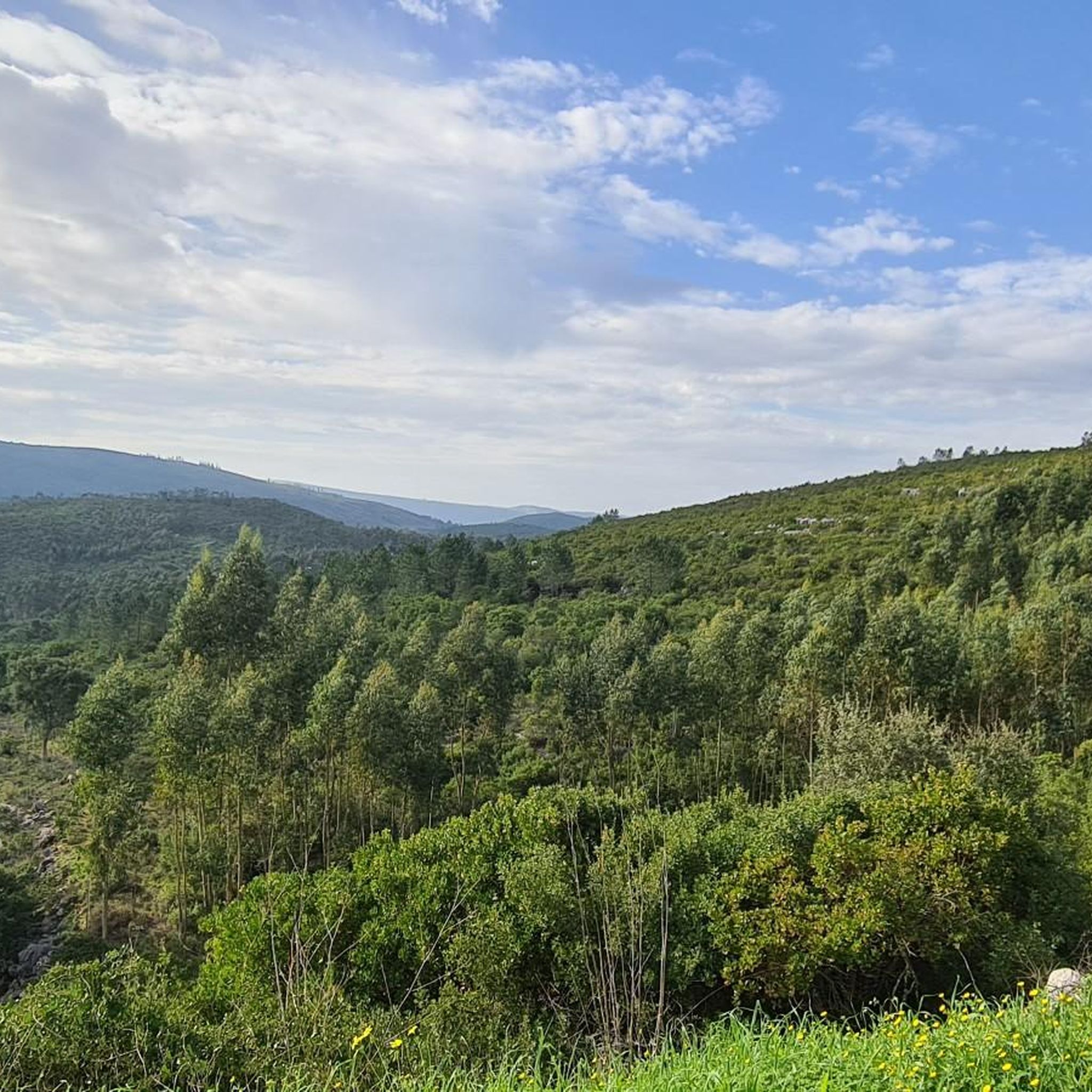
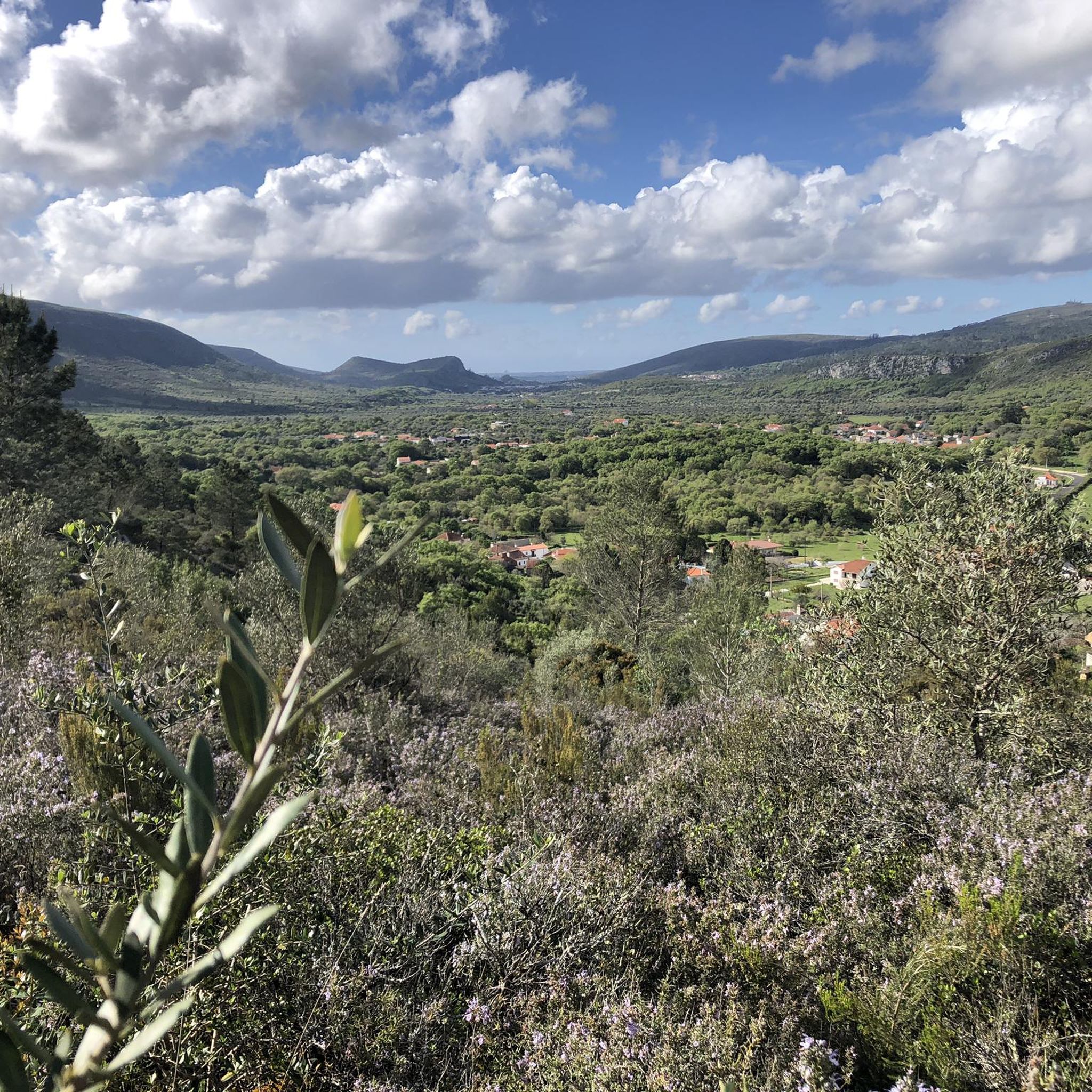
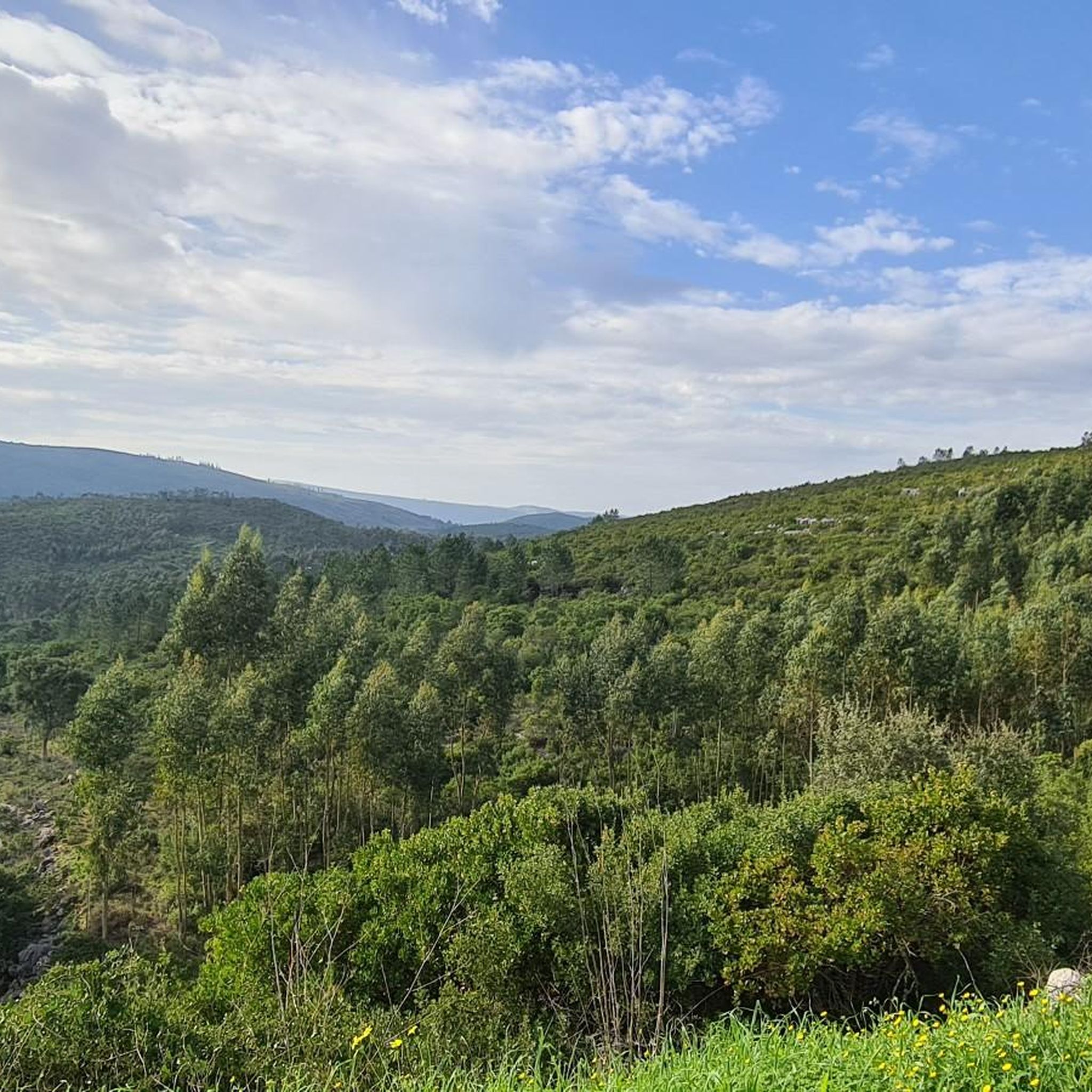
Gorgeous views! The climb to Alqueidão da Serra is tough for beginners.
1
0


In the village of Casais Robustas, along the road to Fatima, there's a very nice café filled with trophies from the pilgrims—flags, shirts, and other items. The staff is very friendly to the pilgrims.
0
0

The magnificent entrance portico of the Igreja de Santa Maria da Vitória is unique in the history of Portuguese art, a work by the Master Huguet (1402–1438). It features an elaborate iconographic ensemble comparable only to the great porticoes of European cathedrals: six apostles on each side, virgins, martyrs, popes, monks, angel figures, God, and the four evangelists...
1
0
Frequently Asked Questions
What is the general difficulty level of road cycling routes around Mira De Aire?
The road cycling routes in Mira De Aire offer a varied experience, with options for all skill levels. You'll find 4 easy routes, 74 moderate routes, and 27 more challenging routes, characterized by rolling hills and varied elevation gains typical of central Portugal's interior.
Are there any beginner-friendly road cycling routes in Mira De Aire?
Yes, Mira De Aire offers several routes suitable for beginners. There are 4 easy routes available, providing a gentler introduction to the region's scenic roads without overly demanding climbs.
What kind of distances can I expect on road cycling routes near Mira De Aire?
Distances vary significantly, catering to different preferences. For example, the Fátima Cycle Route – Casa de Lúcia loop from Mira de Aire is a moderate 35.7 miles (57.5 km) ride, while the Carlos Relvas House-Studio – Golegã loop from Minde extends to 80.8 miles (130.0 km) for those seeking a longer journey.
Are there any circular road bike routes available in Mira De Aire?
Many of the routes around Mira De Aire are designed as loops, offering convenient circular journeys. Examples include the popular Tribute to the cyclist Diamantino – Castelo De Torres Novas loop from Mira de Aire and the scenic Malhou – Pilgrims' Café loop from Mira de Aire.
What are some notable viewpoints or attractions along the road cycling routes?
The region offers several points of interest. The Ascent from Minde to the viewpoint – Porto de Mós Castle loop from Minde leads to a viewpoint with expansive rural landscapes. You can also explore natural wonders like the Fórnea Waterfall or the impressive Grutas de Mira de Aire (caves) which are often accessible from nearby routes.
What is the best time of year for road biking in Mira De Aire?
Spring and autumn generally offer the most pleasant conditions for road cycling in Mira De Aire, with milder temperatures and less rainfall. Summers can be hot, while winters are typically mild but may have more unpredictable weather.
What are the road conditions like for cycling in Mira De Aire during winter?
Winter conditions in Mira De Aire are generally mild, but you may encounter cooler temperatures and increased chances of rain. Roads are typically well-maintained, but it's always advisable to check local weather forecasts and ensure your bike is equipped for potentially wet surfaces.
Are there cafes or places to stop for refreshments along the road cycling routes?
Given the rural nature of the region and the presence of historical towns, you will find opportunities for refreshments. Routes often pass through villages where local cafes and small shops are available, particularly on popular loops like the Malhou – Pilgrims' Café loop from Mira de Aire.
What do other road cyclists enjoy most about road cycling in Mira De Aire?
The komoot community highly rates road cycling in Mira De Aire, with an average score of 4.25 stars from over 21 reviews. Cyclists often praise the diverse scenery, which includes rolling hills, agricultural areas, and historical towns, as well as the variety of routes catering to different fitness levels.
Is it possible to spot wildlife while road biking around Mira De Aire?
While road cycling primarily keeps you on paved surfaces, the routes traverse rural landscapes and areas bordering the Serras de Aire e Candeeiros Natural Park. This offers opportunities to observe local birdlife and other small animals, especially during quieter times of the day.
Where can I find parking for road bike trails in Mira De Aire?
Parking is generally available in the towns and villages that serve as starting points for many routes, such as Mira de Aire itself or Minde. Look for public parking areas, often near local amenities, where you can safely leave your vehicle before beginning your ride.
Most popular routes around Mira De Aire
Most popular attractions around Mira De Aire

Get inspired with the komoot mobile app


Explore more
Browse the best Road cycling routes in other regions.
