Attractions and Places To See around Porto de Mós - São João Baptista e São Pedro - Top 20
Best attractions and places to see around Porto de Mós - São João Baptista e São Pedro offers a blend of historical landmarks and natural features. The region is characterized by its limestone hills, ancient sites, and cultural heritage. Visitors can explore medieval castles, significant churches, and impressive cave systems within the Serras de Aire e Candeeiros Natural Park. This area provides opportunities to experience both Portuguese history and diverse natural landscapes.
Best attractions and places to see around Porto…
Last updated: October 18, 2026
Church of Santa Maria da Vitória in Batalha
Highlight • Religious Site
Batalha Monastery: This stunning Gothic monastery, also known as the Mosteiro de Santa Maria da Vitória, is a UNESCO World Heritage Site and …
Translated by Google •
Tip by

Statue of D. Nuno Álvares Pereira
Highlight • Monument
Translated by Google •
Tip by

Sign up now to discover places like this
Get recommendations on the best single tracks, peaks, & plenty of other exciting outdoor places.
Source of the Lis River
Highlight • River
Tip by

Founder's Chapel (Capela do Fundador)
Highlight • Religious Site
Showing Translation
Tip by

Capelas Imperfeitas (Unfinished Chapels)
Highlight • Religious Site
Translated by Google •
Tip by
Sign up for free to discover even more attractions around Porto de Mós - São João Baptista e São Pedro.
Already have an account?
Start today with a free account
Your next adventure awaits.
Popular around Porto de Mós - São João Baptista e São Pedro
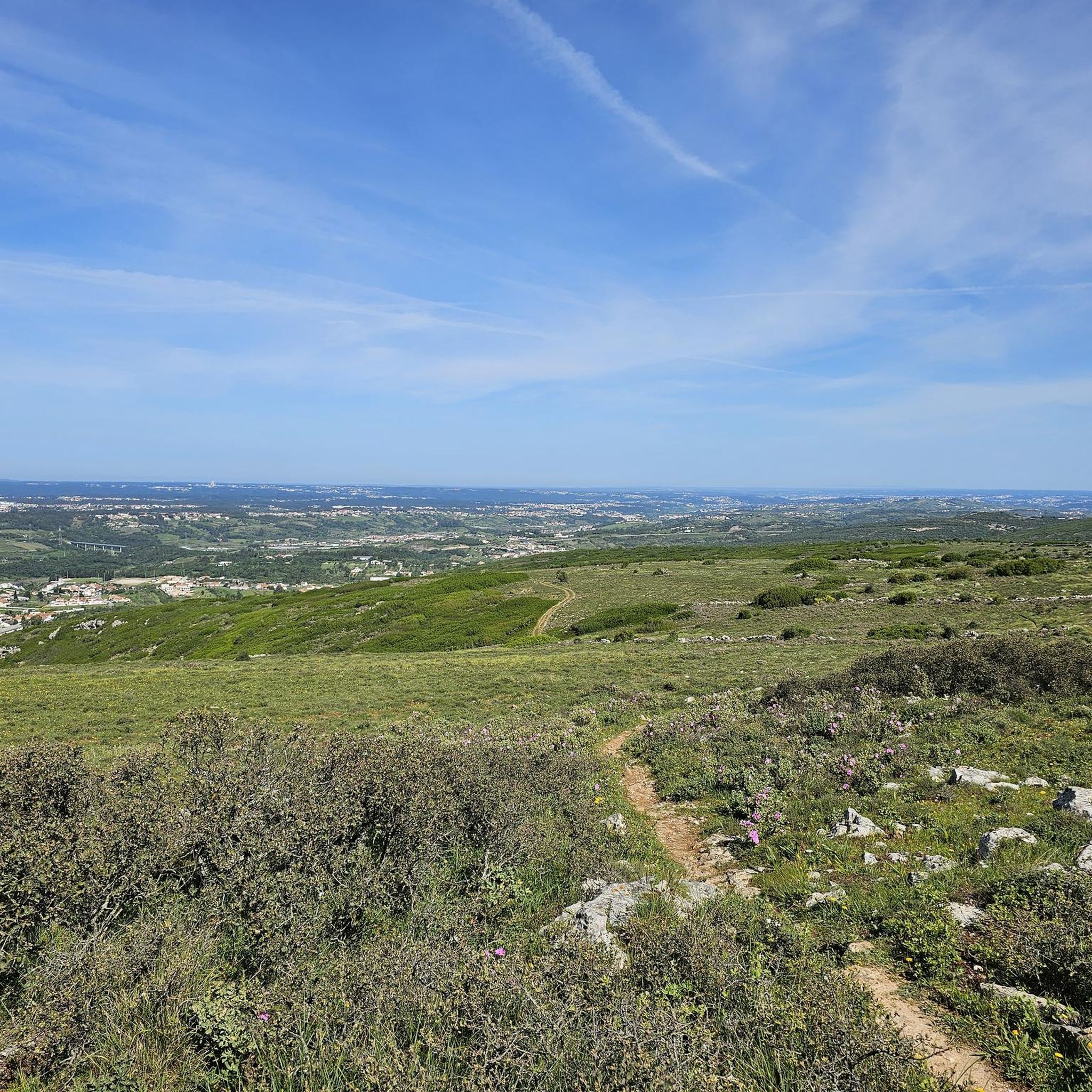
Hiking around Porto de Mós - São João Baptista e São Pedro
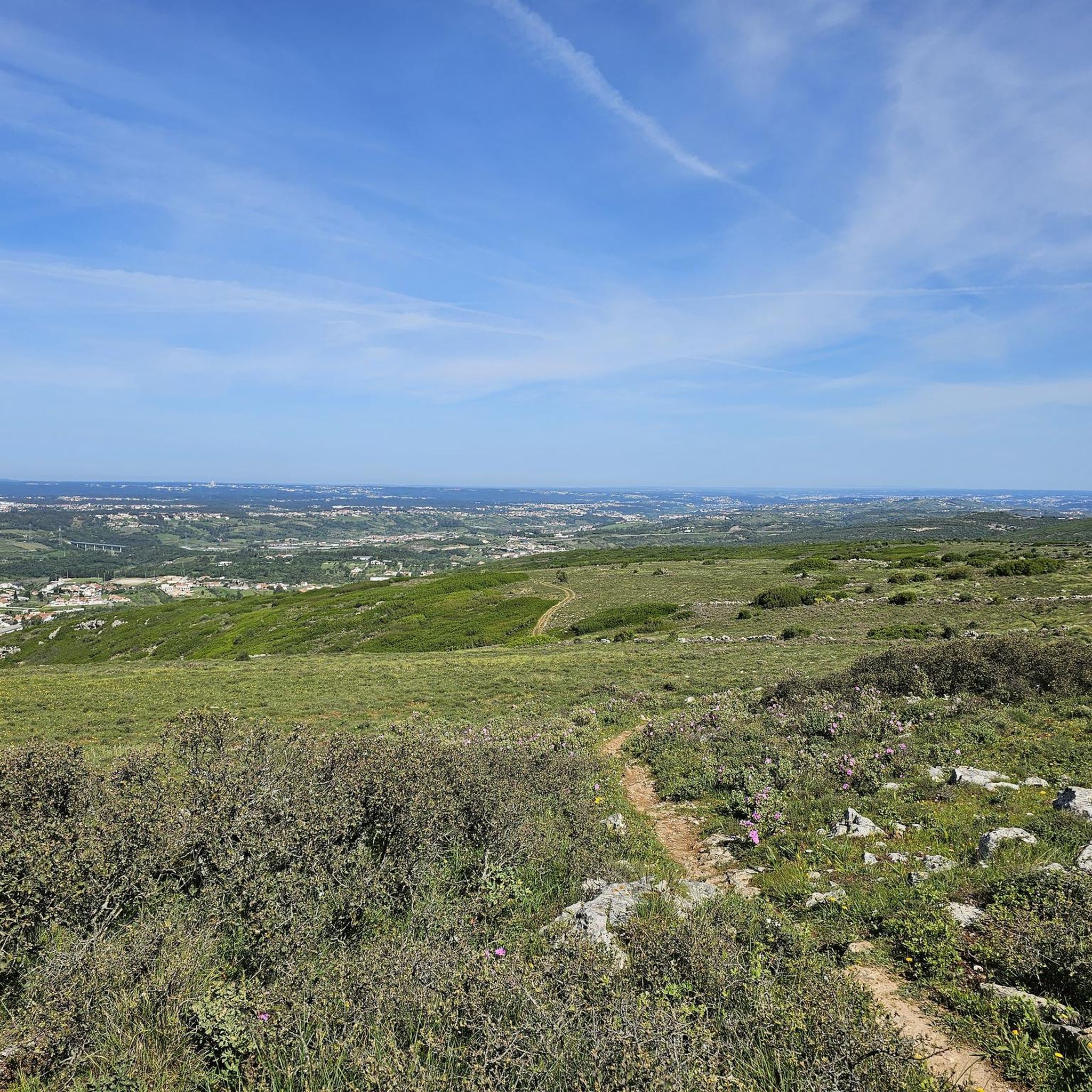
Road Cycling Routes around Porto de Mós - São João Baptista e São Pedro
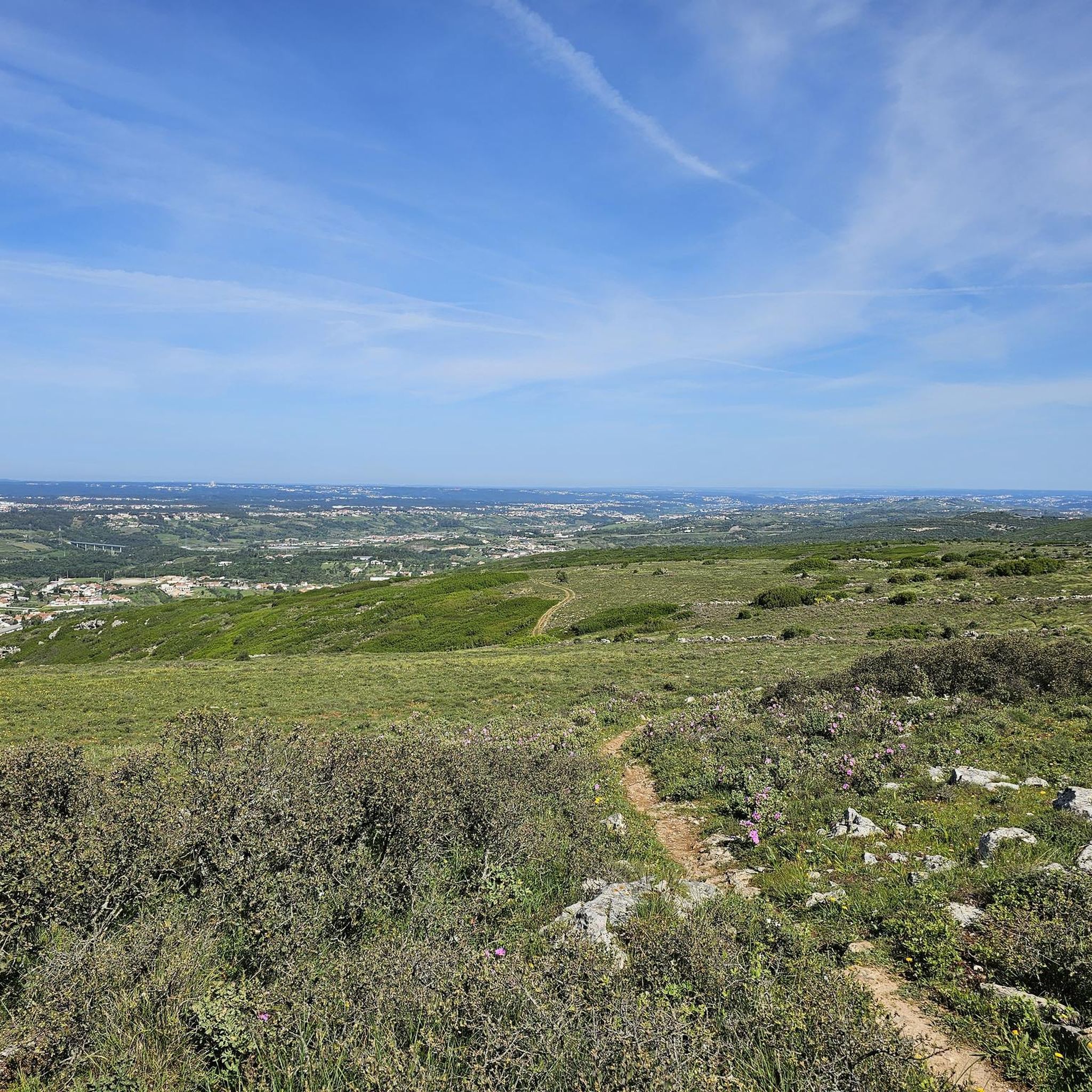
Cycling around Porto de Mós - São João Baptista e São Pedro
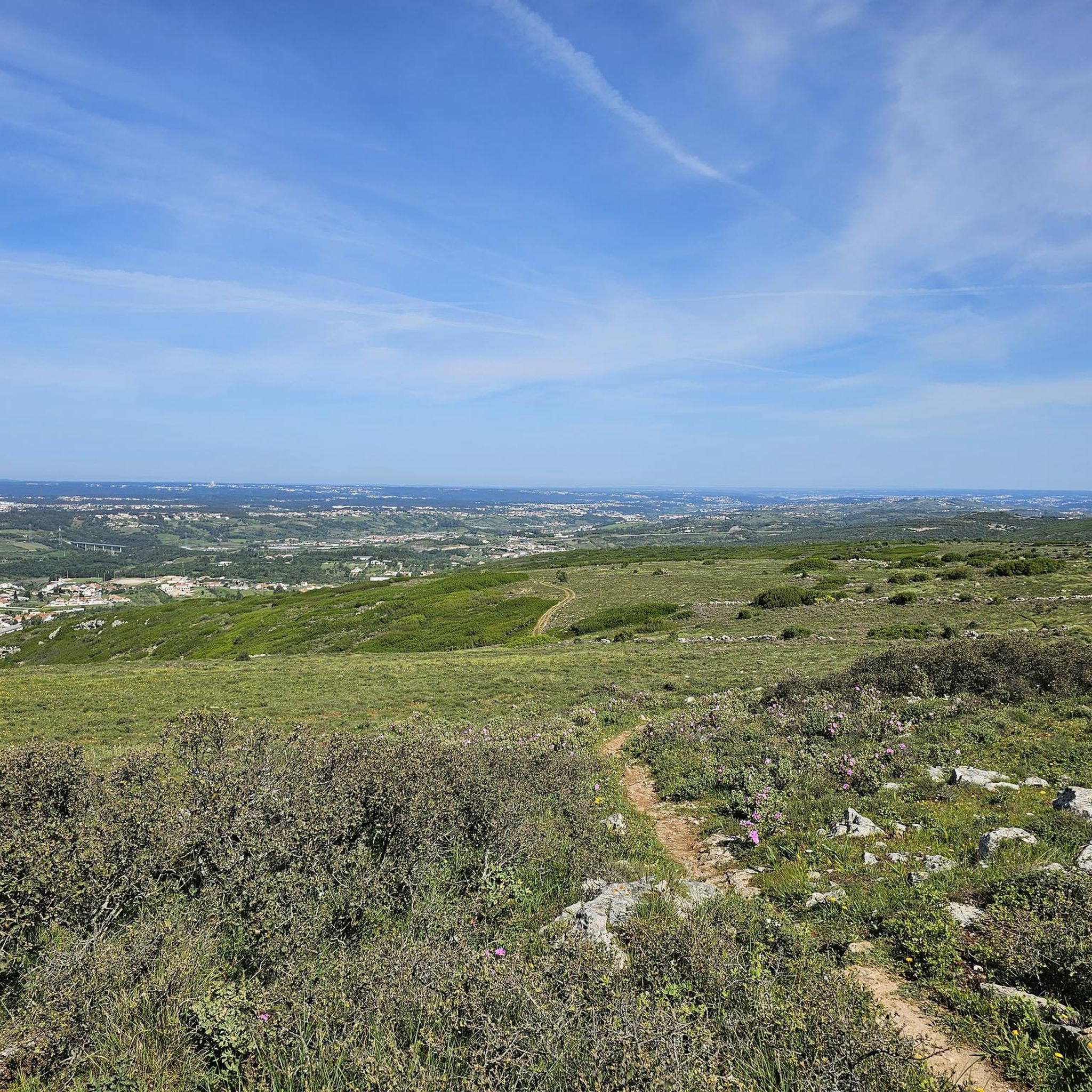
MTB Trails around Porto de Mós - São João Baptista e São Pedro

Running Trails around Porto de Mós - São João Baptista e São Pedro
Tips from the Community

Plenty to see, especially if your in for a visit. Maintenance works are visible from several locations outside right now.
0
0

The magnificent entrance portico of the Igreja de Santa Maria da Vitória is unique in the history of Portuguese art, a work by the Master Huguet (1402–1438). It features an elaborate iconographic ensemble comparable only to the great porticoes of European cathedrals: six apostles on each side, virgins, martyrs, popes, monks, angel figures, God, and the four evangelists...
1
0
The Chapel of the Founders is located to the right of the main facade. It was not included in the original plan of the monastery and owes its existence to the decision of King John I to create a family pantheon. Construction was completed around 1433/34. It is a space of great historical and artistic significance. Originally quadrangular in plan, it transforms in the center into an octagon, covered by a complex star vault that becomes a true canopy glorifying King John I and Queen Philippa of Lancaster, who are buried in a large tomb. On the lid of this largest Gothic arch of the 15th century in Portugal, the two recumbent kings are depicted hand in hand, covered by canopies with their coats of arms. On the back wall, on the south side, are the tombs of the children of these kings from the second quarter of the 15th century, the "famous generation", as Camões called them. From right to left: tomb of Infante and Regent Dom Pedro and his wife Isabel de Urgel, Duchess of Coimbra; of Henry the Navigator and Master of the Order of Christ (with a recumbent statue); of Infante Dom João, Master of the Order of Santiago, and his wife Isabel; of King Ferdinand, Master of the Order of Aviz, who died a saint during the captivity of Fez. The three tomb chests commissioned by King Charles I date from the early 20th century and are located on the west side of the chapel. Here are buried, from left to right: King Afonso V, grandson of John I; King John II, son of Afonso V; and finally Crown Prince Afonso, son of John II, who died prematurely in 1491 in a riding accident in the Santarém region.
2
0
After the revolution of 1383, Portugal found itself in a difficult conflict with the neighboring Kingdom of Castile. The battle was decided in 1385 when the Castilian and Portuguese armies clashed at the Battle of Aljubarrota. The Castilians outnumbered and were better armed. As a military leader, Nuno Álvares Pereira loyally stood by his patron, John of Avis. The Portuguese achieved a resounding victory, which is attributed in particular to the strategic genius of Nuno Álvares Pereira. With this victory, the Castilian claims to Portugal were permanently repelled. John of Avis was proclaimed king by the Cortes, as John I of Portugal, thus establishing the second Portuguese dynasty, the House of Avis. Nuno Álvares Pereira became a national hero, and the grateful king showered him with honors and material possessions.
2
0
Behind the transept of the church, in line with the choir, is the Pantheon of King Duarte, commonly known as the "Unfinished Chapels." It is structured in the form of an octagonal plan with an entrance on one axis and seven radiating chapels separated by small triangular sections. The construction of this chapel, initiated by King Duarte, began around 1434, the first year of his reign. The death of King Duarte in 1438 prevented the completion of the new funerary chapel, the construction of which had been driven by King Duarte's consistent personal and familial attitude. In the Duarte Pantheon, the double tomb of King Duarte and Queen Leonor was not housed here in the Axis Chapel until the 1940s, in what may have been a definitive reunion with history.
1
0

The Lis River, whose source is in the town of Fontes, Cortes, is one of the few rivers in the country whose current flows from south to north and, in the final kilometres, from east to west. In winter and early spring, it is possible to see water emerging from the ground in surprising quantities. In the summer months, the source is usually dry.
3
0

Good place for a coffee stop ☕
0
1

Batalha is a fascinating place to visit! Batalha Monastery: This stunning Gothic monastery, also known as the Mosteiro de Santa Maria da Vitória, is a UNESCO World Heritage Site and one of the Seven Wonders of Portugal. Igreja Matriz da Batalha: Also known as the Igreja da Exaltação de Santa Cruz, this 16th-century church is a beautiful example of Manueline architecture. Batalha Square: The heart of the city, ideal for strolling and soaking up the local atmosphere. Serras de Aire e Candeeiros Natural Park: If you love nature, this nearby park offers hiking trails and spectacular scenery. Additionally, there are many activities and tours available, such as day trips to Fátima, Nazaré, and Óbidos.
6
1
Frequently Asked Questions
What historical landmarks can I explore in Porto de Mós - São João Baptista e São Pedro?
The region is rich in history. You can visit the medieval Porto de Mós Castle, which has roots dating back to Roman times. Explore remnants of an ancient Roman Road, or discover the 18th-century Main Portal of the Igreja de Santa Maria da Vitória, a UNESCO World Heritage Site known for its Gothic architecture.
Are there any impressive natural caves or grottoes to visit in the area?
Yes, within the Serras de Aire e Candeeiros Natural Park, you'll find several captivating cave systems. These include the Grutas de Santo António, discovered in 1955, the intriguing Grutas de Alvados, and the renowned Grutas de Mira de Aire, considered one of Portugal's "7 Natural Wonders."
Where can I experience unique natural water features?
You can visit the Source of the Lis River, a natural monument where water emerges from the earth, especially impressive after heavy rains. Another beautiful spot is the Fórnea Waterfall, located within the Serras de Aire e Candeeiros Natural Park, which is particularly scenic after rainfall.
What kind of outdoor activities can I do near these attractions?
The area offers various outdoor activities. You can enjoy road cycling on routes like the "Igreja Matriz da Batalha – Porto de Mós Castle loop" or explore cycling paths such as the "Porto de Mós Greenway." For hikers, there are trails like the "Fórnea Viewpoint – Fórnea Summit loop." Find more routes and details in the Hiking around Porto de Mós - São João Baptista e São Pedro guide or the Cycling around Porto de Mós - São João Baptista e São Pedro guide.
Are there family-friendly attractions around Porto de Mós - São João Baptista e São Pedro?
Yes, several attractions are suitable for families. The Main Portal of the Igreja de Santa Maria da Vitória and the Source of the Lis River are both marked as family-friendly. The grottoes within the Serras de Aire e Candeeiros Natural Park also offer an engaging experience for all ages.
What is the best time to visit the Source of the Lis River?
The Source of the Lis River is most impressive during winter and early spring, especially after heavy rains, when you can witness a significant amount of water emerging from the earth. During the summer months, the source is typically dry.
Can I find viewpoints with panoramic scenery in the region?
Yes, the Miradouro do Chão das Pias in Serro Ventoso offers a place for contemplation with panoramic views of the Lena Valley and the town of Porto de Mós. Additionally, the Serras de Aire e Candeeiros Natural Park itself provides numerous scenic spots and viewpoints.
What is the significance of the Statue of D. Nuno Álvares Pereira?
The Statue of D. Nuno Álvares Pereira honors a pivotal military leader and strategist from the Middle Ages. He played a crucial role in the 1385 Battle of Aljubarrota, securing Portugal's independence and becoming a national hero.
Are there any cultural or artistic spaces to visit?
Yes, the Real Factory Porto de Mós – Creative Hub serves as a cultural and creative space in the area. You can also appreciate the historical architecture of the Igreja Matriz de São João Baptista and the Igreja de São Pedro.
What are some unique geological features in the natural park?
The Serras de Aire e Candeeiros Natural Park is characterized by its limestone hills and impressive grottoes. Beyond the caves, you can observe traditional Muros de Pedra Seca (Dry Stone Walls) throughout the Serra, which reflect the region's geology and history.
Is there a historical bridge worth seeing?
Yes, the Ponte da Boitaca is a historical bridge with a revivalist and neo-Gothic style. Built in 1862, it was part of an old royal route connecting Lisbon to Porto and crosses a branch of the River Lena.
What do visitors enjoy most about the attractions in Porto de Mós - São João Baptista e São Pedro?
Visitors particularly appreciate the blend of historical depth and natural beauty. The stunning Gothic architecture of the Main Portal of the Igreja de Santa Maria da Vitória and the unique phenomenon of the Source of the Lis River are frequently highlighted. The area's diverse landscapes and opportunities for exploration, from ancient sites to impressive waterfalls, also receive positive feedback.
Most popular routes around Porto de Mós - São João Baptista e São Pedro
Most popular attractions around Porto de Mós - São João Baptista e São Pedro

Get inspired with the komoot mobile app


Explore more
Still not found the Highlight you’re looking for? See guides of the top attractions in other regions:
