Top 20 Castles around Holzwickede
Best castles around Holzwickede include historical sites and cultural centers. Holzwickede is known for its blend of historical preservation and contemporary use, particularly exemplified by its moated castles. The region offers a mix of architectural monuments and public green spaces, providing destinations for cyclists and hikers. These sites often feature cultural events and exhibitions, set within scenic landscapes.
Best castles around Holzwickede
- The most popular castles is Haus Rodenberg Water Castle, a castle that emerged from a medieval moated…
Last updated: June 22, 2026
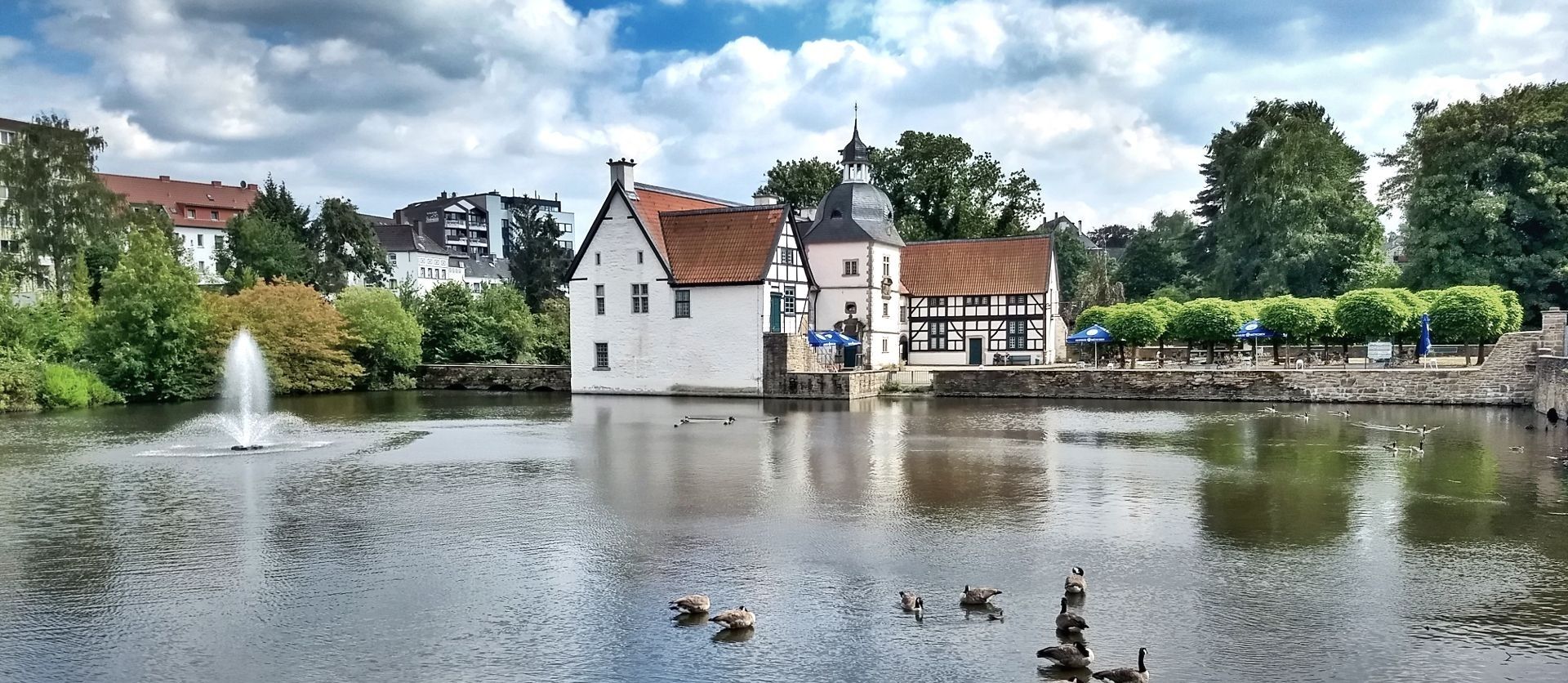
Haus Rodenberg Water Castle
Highlight • Castle
The bell tower tackles the quality time 🔔 🏰⛲️🏞
Translated by Google •
Tip by

Water Castle Haus Opherdicke
Highlight • Castle
Translated by Google •
Tip by

Sign up now to discover places like this
Get recommendations on the best single tracks, peaks, & plenty of other exciting outdoor places.
Sign up for free
Hörde Castle
Highlight • Castle
One does not want to suspect a castle between the former steelworks and the artificially created Phoenix Lake.
The origins of the former Hörder Castle go back to …
Translated by Google •
Tip by

Husen Castle and Botanical Trail
Highlight • Castle
DO-6
House Husen
The manor of the Lords of Hüsen was first mentioned in 1259. Around 1330, Johann von der Husen was named as the feudal bearer …
Translated by Google •
Tip by

Heeren Castle
Highlight • Castle
Translated by Google •
Tip by

Sign up for free to discover even more castles around Holzwickede.
Sign up for free
Already have an account?
Start today with a free account
Your next adventure awaits.
Login or Signup
Popular around Holzwickede
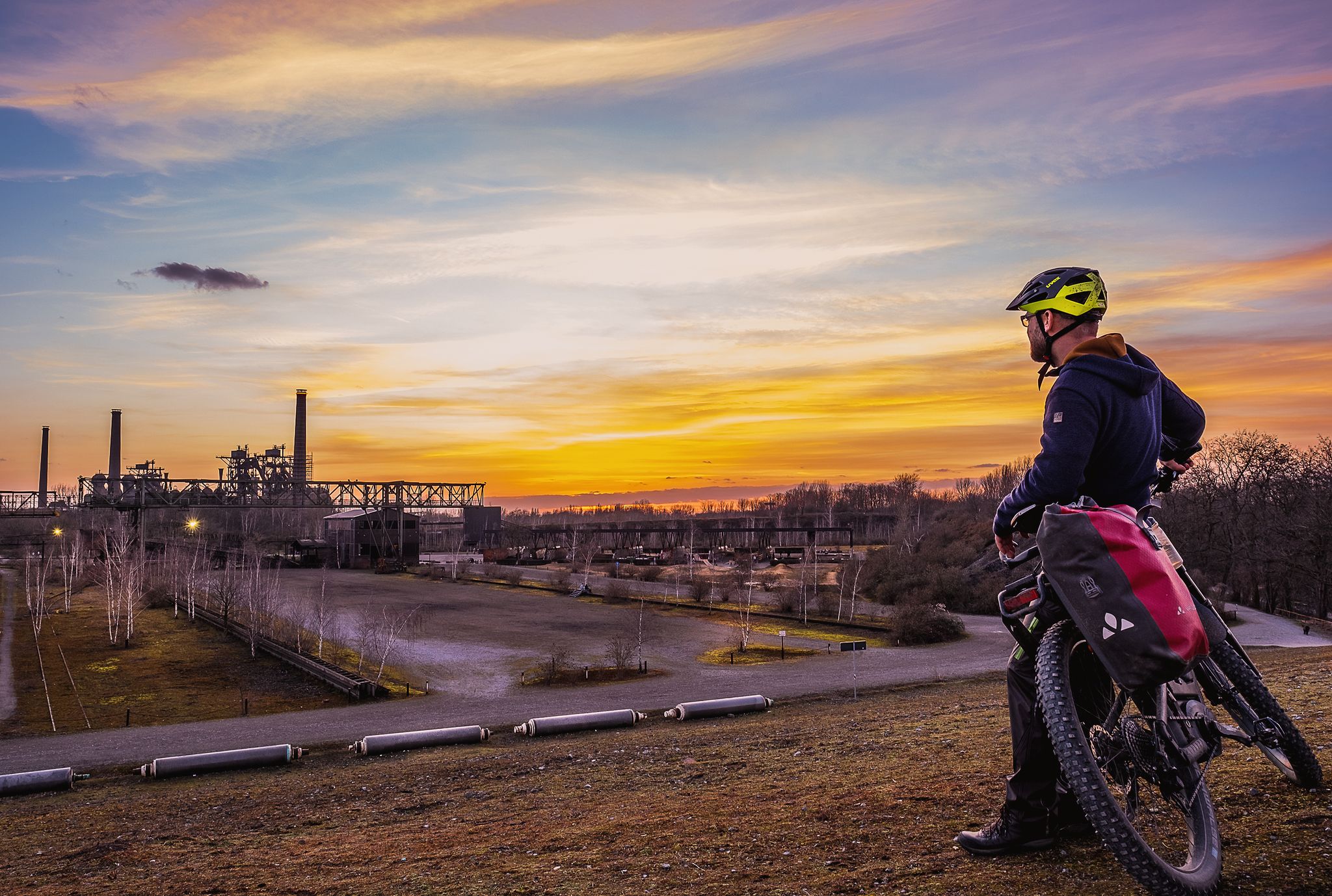
The Emscher-Weg – Between nature and industrial heritage
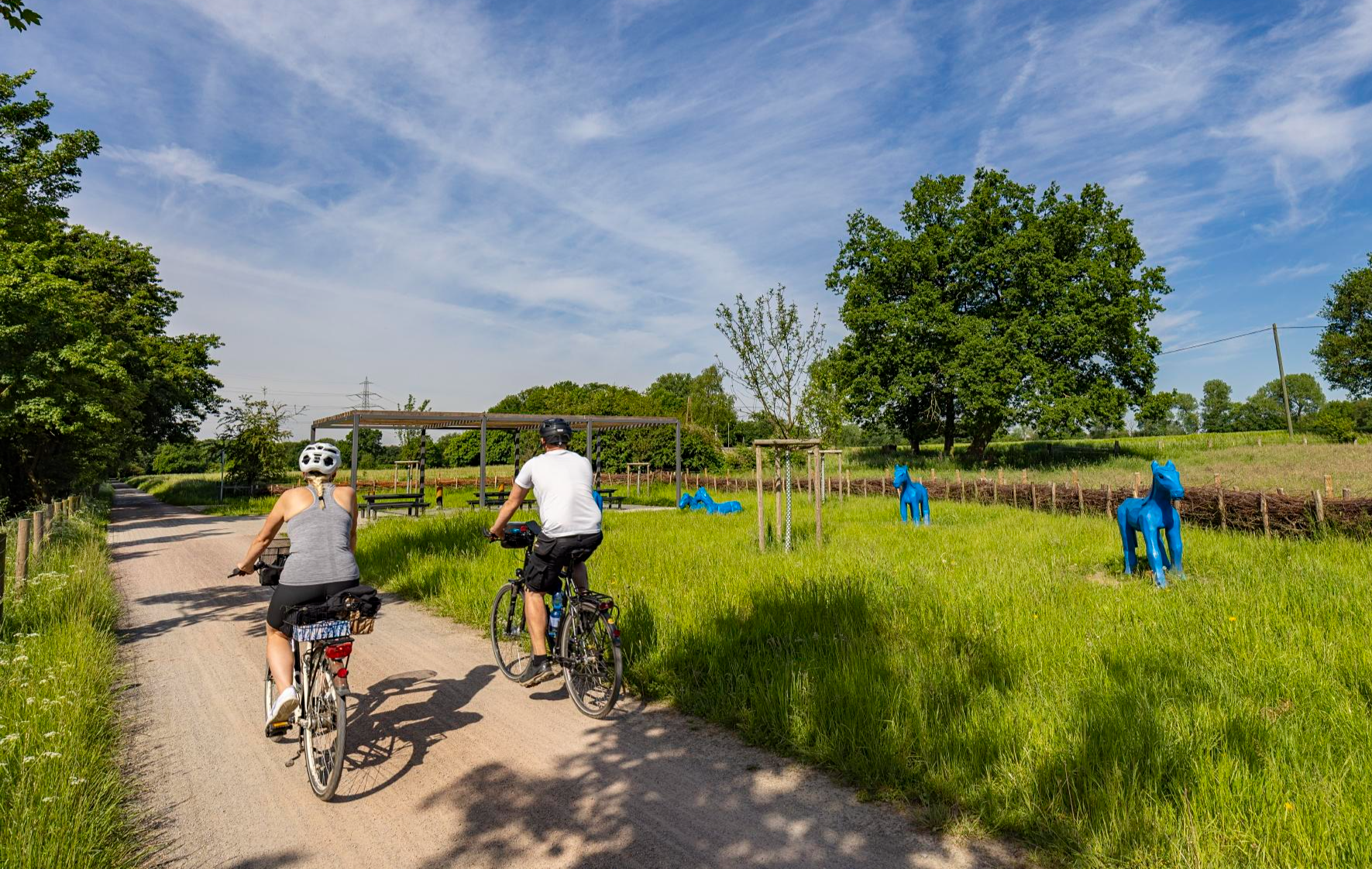
The most eventful long-distance cycle routes in the Ruhr region
Healthy cycling on Germany’s Emscher River
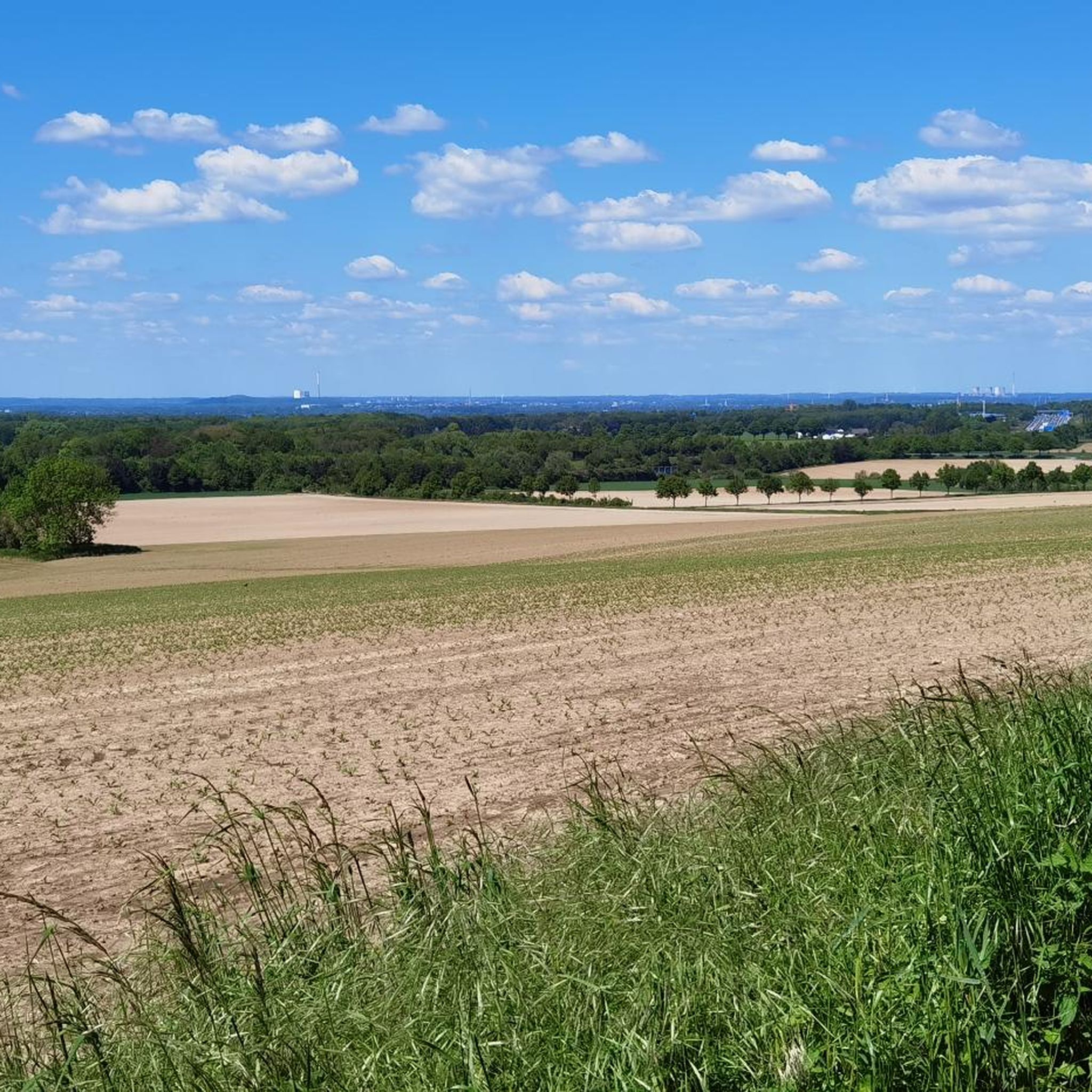
Cycling around Holzwickede
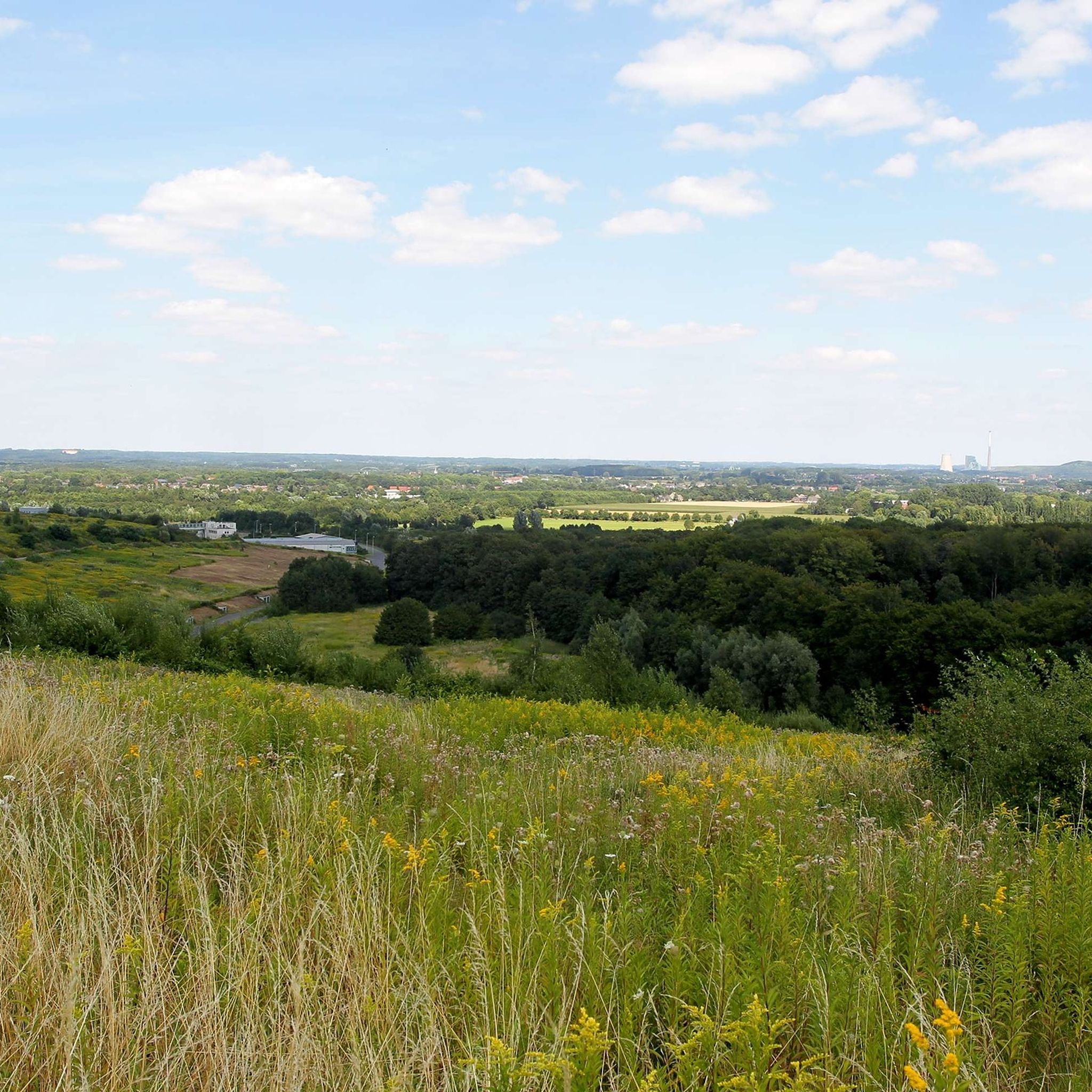
Hiking around Holzwickede
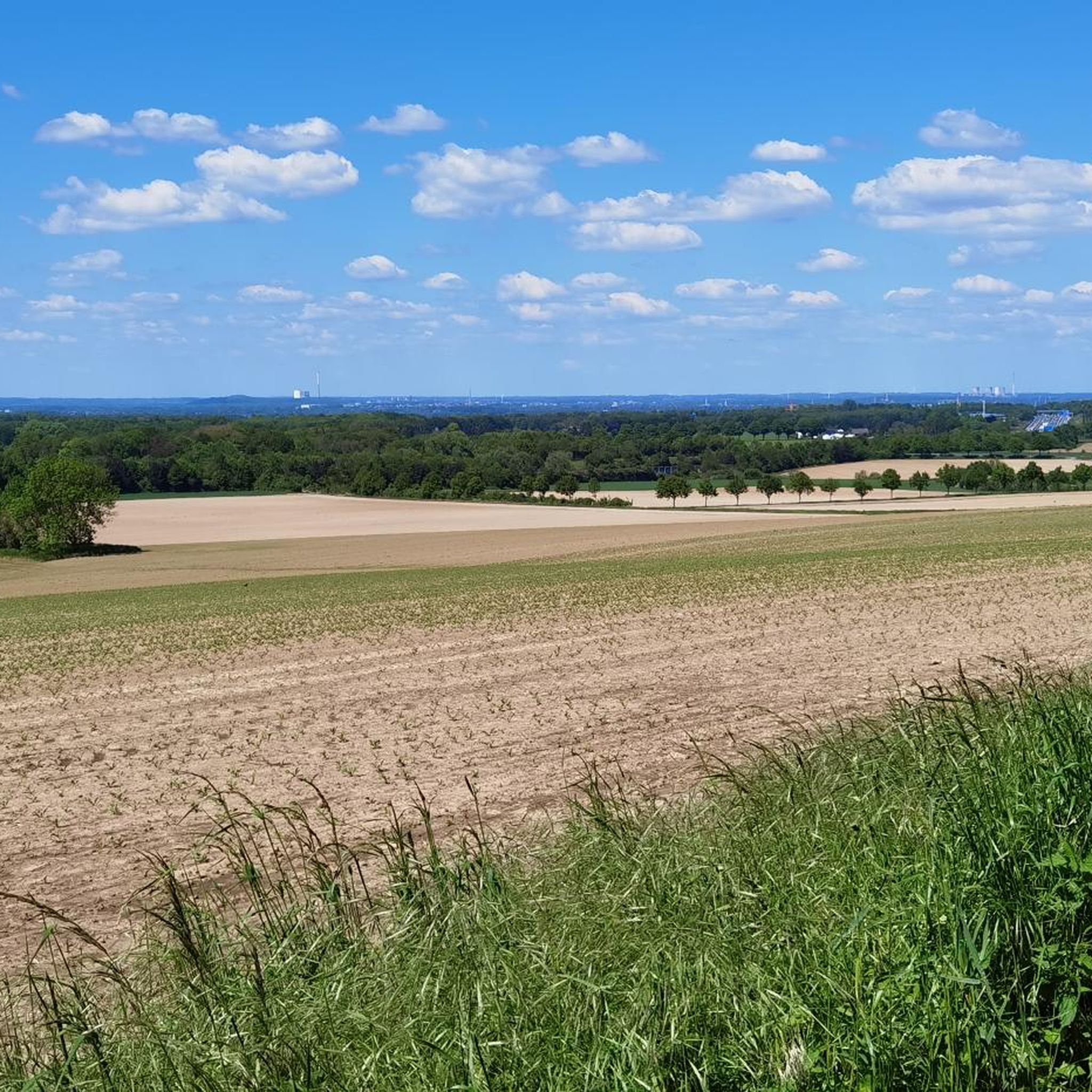
Road Cycling Routes around Holzwickede
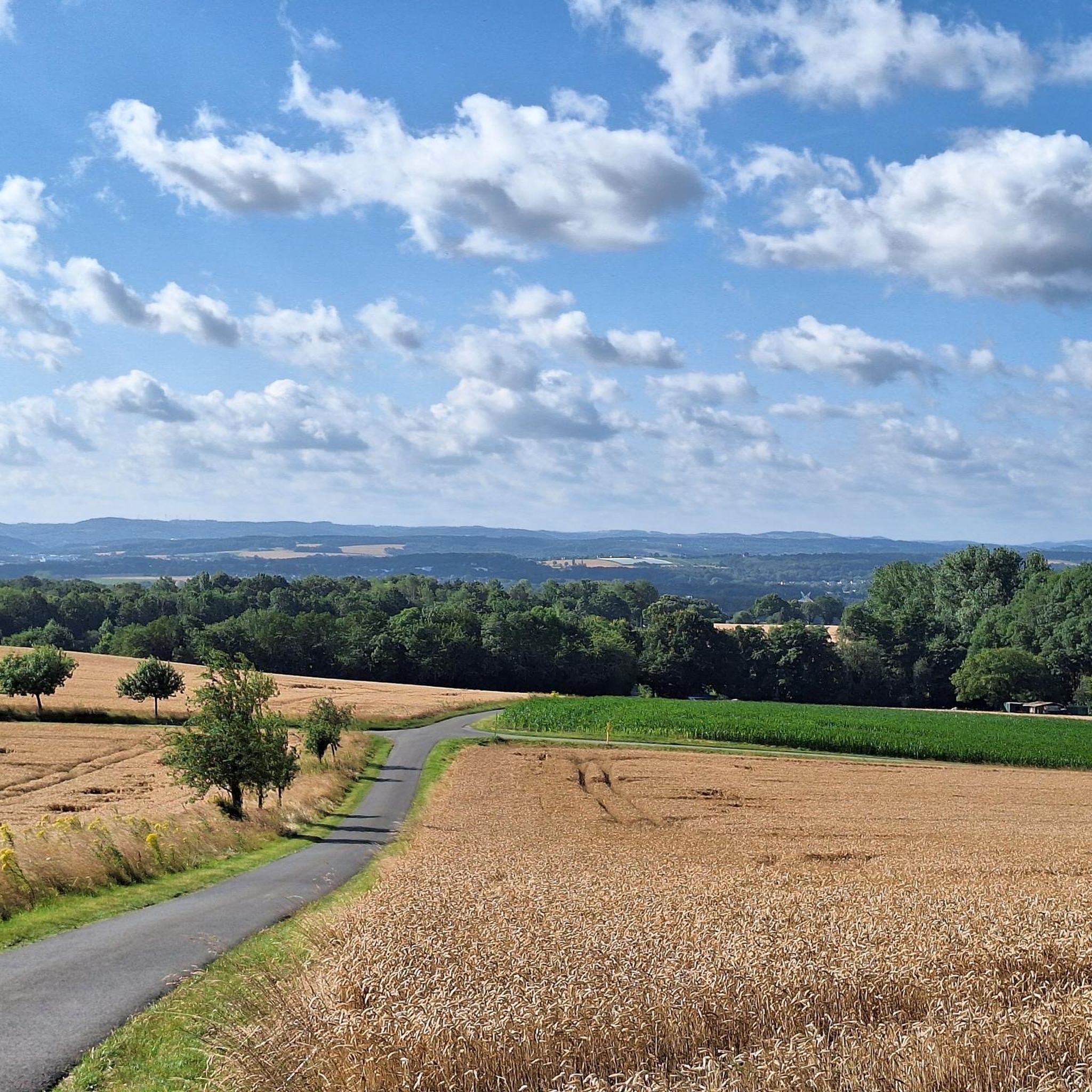
Running Trails around Holzwickede
MTB Trails around Holzwickede
Gravel biking around Holzwickede


Tips from the Community

"History: Husen House is located in what is now the Syburg district of Dortmund, in the south of the city. It lies below the Syberg hill, "on a gentle slope leading to the north bank of the Ruhr River." This location was likely chosen for strategic reasons. Husen House could maintain a fire signal connection with both Hohensyburg Castle and Ruhr Castle, thus allowing for early warning and repelling of potential attacks. The proximity of the navigable Ruhr River was also likely a decisive factor influencing the choice of building site. Husen House is the ancestral home of the Lords of Husen, who were first mentioned in 1259. The building that stands today is the former medieval residential tower, which was rebuilt in its current form in the 17th century. It is assumed that the original structure dates back to the 12th century. This is supported by the construction of the original building, which is based on the residential tower design typical of the 11th and 12th centuries. Husen House is the ancestral home of the Lords of Husen, who were first mentioned in 1259. The residential tower was built of Ruhr sandstone using rubble masonry. Originally, it consisted of two single-room residential floors surrounded by a wall approximately one meter thick. Husen House also had a two-aisled cellar. The fireplace, still extant today, on the south side of the tower was of central importance. It served both as a hearth and as a source of heat for the living quarters. In 1681, significant renovations were carried out on the residential tower. The year 1681, carved into the door jamb, commemorates these renovations. The few small windows were replaced with rectangular windows framed in sandstone. An external staircase now led directly to the entrance door on the east side of the tower. The southern part of the castle was extended with a smaller, single-story addition, which served as a stable and sleeping quarters for the servants. On the east side of the residential tower, a coat of arms is affixed to the cellar wall, commemorating the Barons von Romberg, successors of the Lords von Husen. The alterations made to the residential tower in 1681 still shape the building's exterior appearance today. Following interior renovations in the 1960s and late 1980s, Haus Husen has taken on its current form. https://vcp-westfalen.de/zeltplatz-haeuser/burg-husen/#geschichte
1
0

Hörde Castle, located in the Dortmund district of the same name, is a former moated castle whose origins date back to the 12th century. It sits on the shores of the artificially created Phoenix Lake 🌊, which was built to revitalize the disused Phoenix-Ost steelworks ⛓️. During World War II, Hörde Castle was partially destroyed and subsequently rebuilt. In 2001, the Phoenix-Ost plant ⛓️ was shut down, leading to the demolition of the production facilities. Starting in 2008, archaeological excavations were carried out on the grounds of Hörde Castle, followed by extensive roof and structural renovations. 📷 A great photo opportunity 📸
4
0

Husen Castle is a medieval residential tower in Dortmund-Syburg, North Rhine-Westphalia. The castle's origins date back to the 13th century, and its current form dates from the 17th century. The castle is a listed building and is now used by the Association of Christian Girl Scouts and Boy Scouts (VCP) in Westphalia as a center and youth camp site1. The castle grounds cover around 7,000 square meters and offer space for youth groups and events. There are bedrooms, a self-catering kitchen, day rooms and a large knights' hall with a fireplace. There is also a camp site with a fireplace and covered shelter. Source: KI
3
0

The gardens were not open
2
1

The excavations at Hörder Castle, carried out by Dortmund City Archeology between 2007 and 2009, uncovered extensive and significant archaeological traces that shed light on the castle's 800-year construction history. Particularly noteworthy is the discovery of a bastion from 1500, which indicates that the medieval castle complex was converted into an early modern fortress. These discoveries provide new insights into the military and administrative significance of Hörder Castle over the centuries.
4
0

The former aristocratic residence Haus Rodenberg in Dortmund-Aplerbeck originally emerged from a medieval moated castle on the banks of the Emscher and was mentioned in a document as early as 1290. Of the former gardens, only the outer bailey island, the surrounding moats, the house pond and remnants of the wall surrounding the main garden remain. Today the park area is a public green space in the center of the Aplerbeck district.
11
0

Heeren Castle can be rented for weddings and conferences. It is occupied by the owner family.
1
0

The current buildings were built as an outer bailey between 1920 and 1922 in the historicist style and served as the administration building for the steelworks. Hörde Castle and with it Ministeriale Albert I von Hörde are first mentioned in a document from Emperor Otto IV (HRR) in favor of the Corvey Monastery. The historically significant castle tower, which has been preserved to this day, dates from this period. After the decline of the steel industry on Phoenix East and the dismantling of the steelworks, a comprehensive renovation of the castle began in June 2008. After the excavations were completed in 2009, the numerous finds and some relics from the “Hoesch era” were exhibited on the ground floor of the castle building. The former Hoesch administration with the extension buildings is listed as an architectural monument, and the traces of the medieval castle are registered as an archaeological monument in the city of Dortmund's list of monuments.
4
0
Frequently Asked Questions
Which castles around Holzwickede offer cultural events or exhibitions?
Haus Opherdicke is a vibrant cultural center, regularly hosting exhibitions, classical concerts, folk, and jazz events. It features museal exhibition rooms and a Kultur-Café. Works by renowned artists have been exhibited here, and it's also a location for celebrations.
Are there castles around Holzwickede that are suitable for families?
Yes, several castles are family-friendly. Haus Rodenberg Water Castle is set within a public green space, offering room for children to explore. Hörde Castle is located on the promenade at the artificially created Phoenix Lake, which is a popular area for families. Haus Opherdicke also welcomes families, with its park and café.
What kind of natural features can I find near the castles in Holzwickede?
Many castles are integrated into natural landscapes. Haus Rodenberg Water Castle is situated on the banks of the Emscher and features surrounding moats and a house pond within its public park. Haus Opherdicke is a moated castle surrounded by a large park that includes a sculpture park, offering views of the Ruhr Valley.
Can I find cafes or restaurants near the castles in Holzwickede?
Yes, some castles offer dining options. Haus Opherdicke has a Kultur-Café in its basement, offering cakes, snacks, and drinks with views of the Ruhr Valley. Haus Rodenberg Water Castle also has facilities including a cafe and restaurant, making it a nice destination to take a breather. Haus Ruhr also features a cafe.
Are there hiking or cycling routes near the castles around Holzwickede?
Yes, the region around Holzwickede is popular for outdoor activities. Many castles are integrated into scenic routes. For cycling, you can explore routes like the "Aplerbeck Market 🏫 Town Hall – Haus Rodenberg Water Castle loop from Holzwickede" which is an easy 14.7 km ride. For more options, check out the Cycling around Holzwickede guide or the Gravel biking around Holzwickede guide.
What is the historical significance of the castles in the Holzwickede region?
The castles around Holzwickede boast rich histories, with origins often dating back to the 12th century. For example, Hörde Castle's origins trace back to the 12th century, and it was once a moated castle near the Emscher. Haus Rodenberg Water Castle also emerged from a medieval moated castle, first mentioned in 1290. These sites often represent significant architectural monuments and have evolved through centuries of use.
What makes Haus Opherdicke a unique castle to visit?
Haus Opherdicke is unique for its harmonious blend of historical preservation and contemporary use. While its origins date back to the 12th century, it now serves as a vibrant cultural center. Visitors can enjoy museal exhibitions, classical concerts, and a Kultur-Café, all within the beautiful setting of a moated castle surrounded by a large park with views of the Ruhr Valley.
Are there any castles near Holzwickede that are now public green spaces?
Yes, Haus Rodenberg Water Castle in Dortmund-Aplerbeck is a prime example. What remains of its former gardens, including the outer bailey island, moats, and house pond, now form a public green space in the center of the district, making it accessible for everyone to enjoy.
What is the best time of year to visit the castles around Holzwickede?
The castles around Holzwickede can be enjoyed year-round, depending on your interests. Spring and summer are ideal for enjoying the parks and outdoor events at places like Haus Opherdicke. Autumn offers beautiful scenery with changing foliage, especially around moated castles. Winter visits can be charming for cultural events or a cozy stop at a castle café.
How long should I plan for a visit to a castle in the Holzwickede area?
The duration of your visit depends on the castle and your interests. For a site like Haus Opherdicke, you might spend 1-2 hours exploring the exhibitions and enjoying the café, plus additional time for a walk in the park. For castles that are now public green spaces, like Haus Rodenberg Water Castle, you could spend anywhere from 30 minutes to a couple of hours enjoying the grounds and nearby trails.
Are the castles around Holzwickede easily accessible by public transport?
Accessibility varies by location. Some castles, like Hörde Castle, are situated in more urban areas near the Phoenix Lake, which generally have good public transport connections. Others, like Haus Opherdicke, might be better reached by car or as part of a cycling or hiking tour, though local bus services often connect to nearby towns.
What kind of activities can I do near Hörde Castle?
Hörde Castle is located directly on the promenade at the artificially created Phoenix Lake. This area is excellent for walks, cycling, and enjoying the modern lakeside environment. You can also find an open excavation site in front of the building, showcasing remains of the castle chapel's foundation wall.
Most popular routes around Holzwickede
Most popular attractions around Holzwickede

Get inspired with the komoot mobile app


Explore more
Looking for the best castles somewhere else? Discover other guides around Holzwickede:
