The best road cycling routes around Serro Ventoso
4.5
(17)
732
riders
77
rides
Road cycling routes around Serro Ventoso offer a diverse landscape for cyclists. The region features a mix of rolling hills, historic castles, and coastal stretches. Cyclists can expect varied terrain, from ascents to viewpoints to flatter sections near salt pans and beaches. The area provides opportunities to explore both inland and coastal environments.
Best road cycling routes around Serro Ventoso
- The most popular road cycling route is Porto de Mós Castle – Ascent from Minde to the viewpoint loop from…
Last updated: July 15, 2026
5.0
(1)
11
riders
31.8km
01:26
330m
330m
Moderate road ride. Good fitness required. Mostly well-paved surfaces and easy to ride.
6
riders
92.1km
04:31
1,300m
1,300m
Hard road ride. Very good fitness required. Mostly well-paved surfaces and easy to ride.

Sign up for free
7
riders
52.2km
02:35
730m
730m
Moderate road ride. Good fitness required. Some segments of this route may be unpaved and difficult to ride.
7
riders
32.3km
01:31
400m
400m
Moderate road ride. Good fitness required. Mostly well-paved surfaces and easy to ride.
6
riders
82.2km
03:51
940m
940m
Hard road ride. Very good fitness required. Mostly well-paved surfaces and easy to ride.
Get access to more routes and recommendations from other explorers.
Sign up for free
Already have an account?
Our route recommendations are based on thousands of hikes, rides, and runs completed by other people on komoot.
Start today with a free account
Your next adventure awaits.
Login or Signup

Tips from the Community

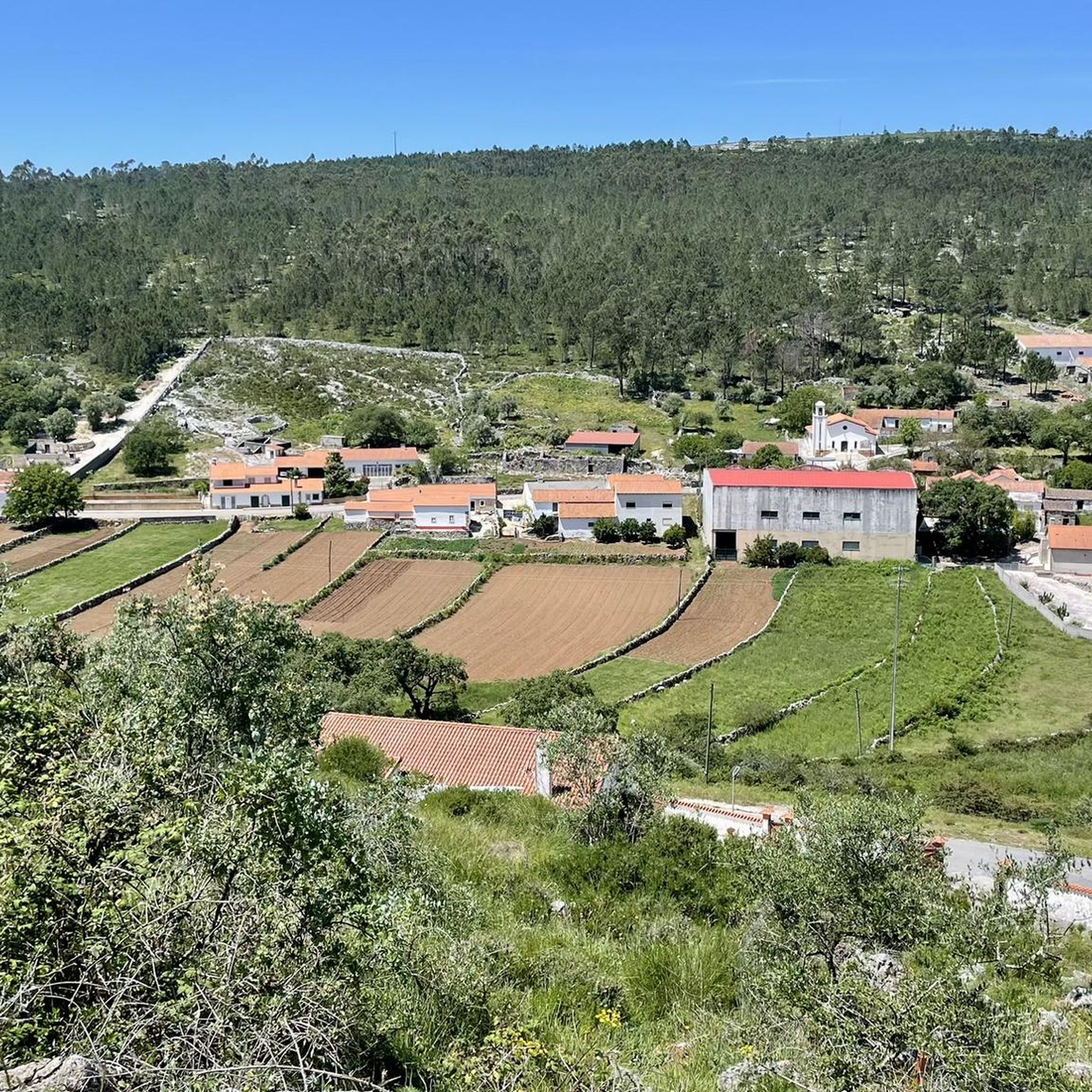
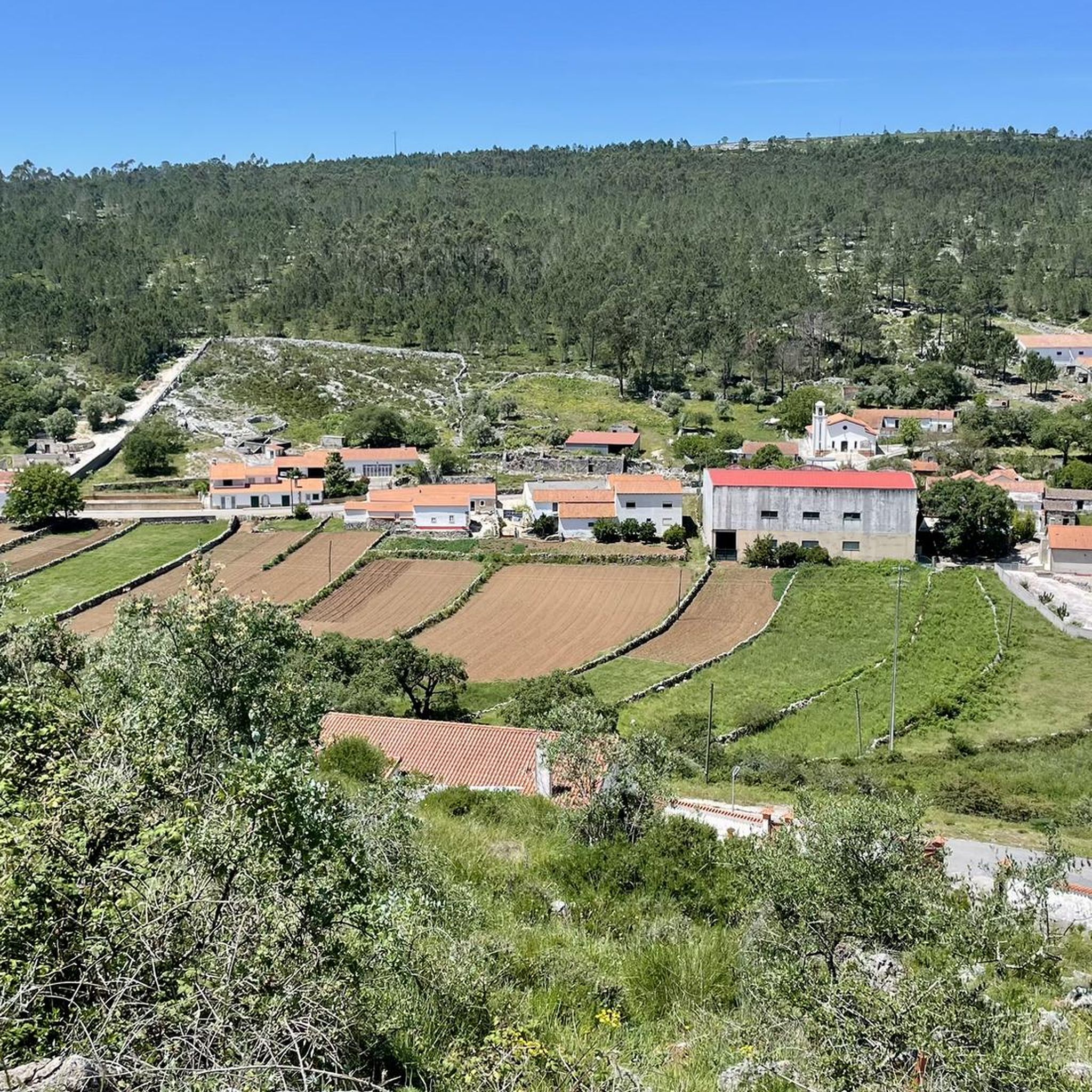
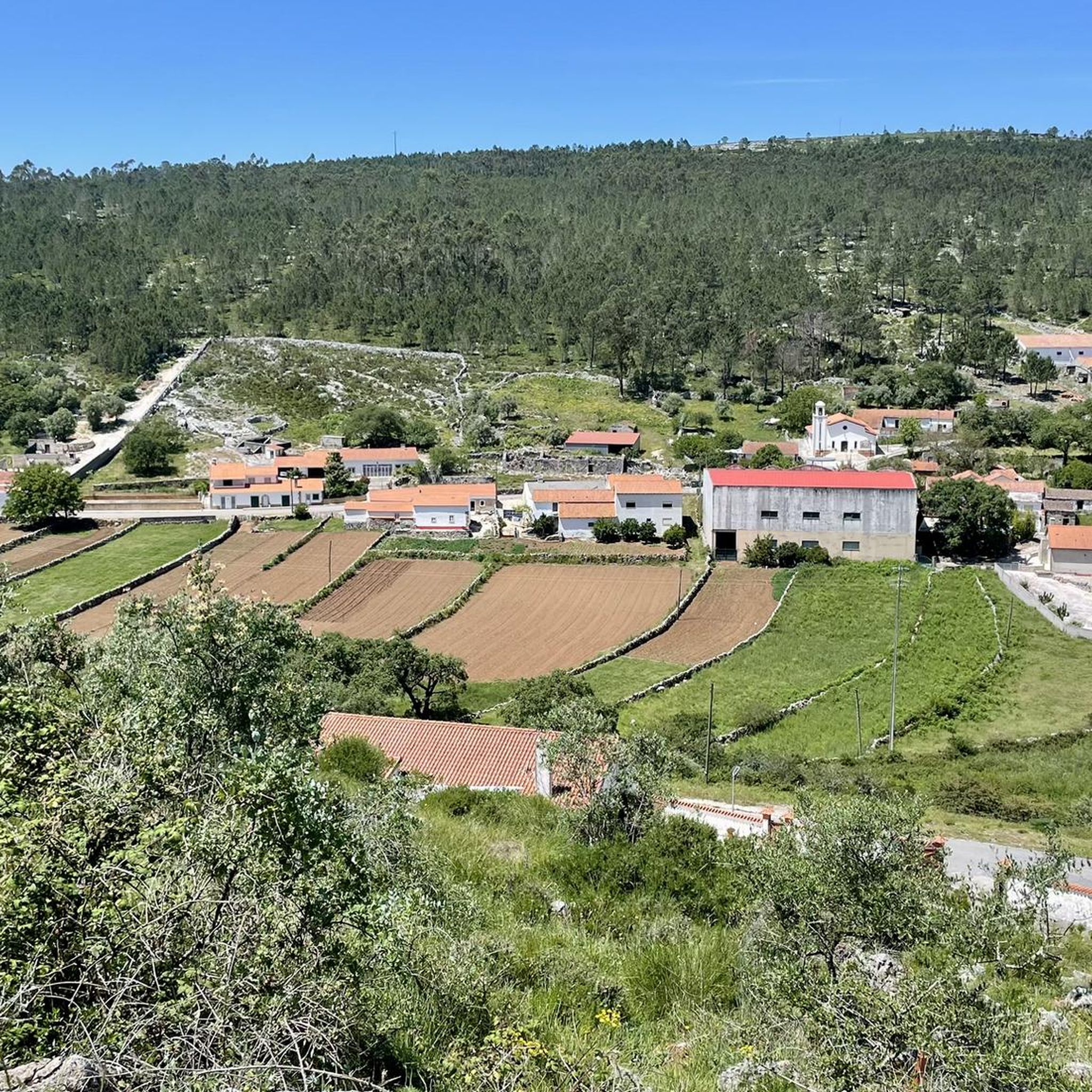
On clear days, there is a good view from Montejunto, S.Martinho do Porto, Nazaré, etc.
0
0

Gorgeous views! The climb to Alqueidão da Serra is tough for beginners.
1
0

Salt is extracted from shallow, concrete or stone pans of varying sizes, where saltwater drawn from a well is conveyed through ditches. Currently, the water is pumped by a motor and distributed according to a system that is generally accepted and respected (not always) by all the owners. Drainpipes, threshing floors, and wooden salt storage houses complete the complex known as the Rio Maior Salt Pans. According to technicians, a large and deep rock salt mine, traversed by an underground stream that feeds a well, makes the extracted water salty, seven times saltier than seawater. The salt is obtained from its exposure to the sun and wind, and the resulting evaporation of the water. This salt is deposited at the bottom of the pans, which are then piled up in pyramid-shaped heaps to dry until harvest. The process is rudimentary and similar to that used in seaside salt mines. The only difference is the picturesque valley that surrounds them, the well, the unique style of the sailors (as the men who work in the salt mines are known), the wooden houses and the country air that you breathe.
0
0

Nice park where you can do gymnastic activities with the equipment provided or enjoy a bit of relaxation.
0
0

In Fonte da Bica, the old school and the fountain that gives it its name mark the landscape. As you cross the village, you will be greeted by views of the salt pans and the typhonic valley, carved over millennia by the erosion of the salt deposited there since the Jurassic period.
1
0
Just three kilometres from Rio Maior, on the southern tip of the Serra dos Candeeiros, lie the only inland salt pans in Portugal, and the only ones still active in the whole of Europe. Surrounded by vineyards and cultivated fields, they are a true wonder of nature, as the sea is 30 kilometres away. Their history dates back to at least 1177, but it is said that rock salt has been mined since prehistoric times. The water, seven times saltier than that of the ocean, emerges from a well after passing through an underground deposit, leaving behind the pure vestige of an ancient sea.
1
0

From this small chapel you have a great view over the surrounding countryside.
1
0
The Rio Maior Salt Pans are located about 3 km from the city centre and are nestled in a valley at the foot of the Serra dos Candeeiros, in the heart of the Serras de Aire e Candeeiros Natural Park. Classified as a Property of Public Interest since December 1997, these are the only inland salt pans in Portugal, and the only ones in full operation in Europe. The first reference to their existence dates back to 1177, but it is thought that the use of rock salt was already being made in prehistoric times.
2
0
Frequently Asked Questions
How many road cycling routes are available around Serro Ventoso?
There are nearly 90 road cycling routes around Serro Ventoso, offering a diverse range of options for cyclists of all levels. These routes are highly rated by the komoot community, with an average score of 4.4 stars.
Are there easy road cycling routes suitable for beginners in Serro Ventoso?
Yes, Serro Ventoso offers 10 easy road cycling routes. While the region features varied terrain, these routes are designed to be more accessible, allowing beginners to enjoy the scenic landscapes without excessive difficulty.
What are some challenging road cycling routes for experienced riders in Serro Ventoso?
For experienced riders seeking a challenge, there are 16 difficult road cycling routes. A notable option is the Porto de Mós Castle – Ascent from Minde to the viewpoint loop from Arrimal e Mendiga, which covers 56.1 miles (90.3 km) with significant elevation gain, taking approximately 4 hours and 22 minutes to complete.
Are there circular road cycling routes available in Serro Ventoso?
Many of the road cycling routes in Serro Ventoso are designed as loops, allowing you to start and finish in the same location. An example is the Rio Maior Salt Pans – Salinas de Rio Maior loop from Arrimal e Mendiga, a moderate 32.3-mile (52.0 km) path that explores unique natural features.
What kind of natural attractions can I see along the road cycling routes?
The routes in Serro Ventoso offer a mix of natural and historical sights. You can cycle towards unique natural features like the Rio Maior Salt Pans or explore areas with caves such as Pia da Ovelha Cave or Grutas de Mira de Aire. The region also features coastal stretches and rolling hills.
Are there historical landmarks or points of interest along the road cycling routes?
Yes, Serro Ventoso's road cycling routes often pass by significant historical landmarks. You can explore routes that lead to castles, such as the Porto de Mós Castle, or through historical towns. The Alcobaça Town Hall – Monastery of Santa Maria de Coz loop from São Pedro, for instance, takes you through areas rich in history, including the famous Alcobaça Monastery.
What is the best time of year for road biking in Serro Ventoso?
The region generally offers pleasant conditions for road biking for much of the year. Spring and autumn provide mild temperatures, ideal for longer rides. Summers can be warm, especially inland, while winters are typically mild but may have more rainfall, particularly along the coast.
Are there any routes that offer coastal views or lead to beaches?
Yes, some routes in Serro Ventoso extend towards the coast, offering beautiful sea views and access to beaches. The Praia de São Martinho do Porto – Foz do Arelho Beach loop from Arrimal e Mendiga is a challenging 85.5-mile (137.5 km) route that connects several coastal towns and beaches.
Can I find routes that pass through towns with cafes or places to rest?
Many routes in Serro Ventoso connect or pass through various towns and villages, providing opportunities to stop for refreshments. Routes like the Alcobaça Town Hall – Monastery of Santa Maria de Coz loop from São Pedro will take you through populated areas where you can find cafes and local eateries.
Are there routes that offer panoramic viewpoints?
Absolutely. The varied terrain of Serro Ventoso includes rolling hills and ascents that lead to stunning viewpoints. The Porto de Mós Castle – Ascent from Minde to the viewpoint loop from Arrimal e Mendiga is specifically highlighted for its significant elevation gain towards a rewarding viewpoint.
What is the average length of road cycling routes in Serro Ventoso?
The road cycling routes in Serro Ventoso vary significantly in length. You can find shorter routes around 20 miles (32 km), such as the Alcobaça Town Hall – Monastery of Santa Maria de Coz loop from São Pedro, up to longer, more challenging rides exceeding 85 miles (137 km), like the Praia de São Martinho do Porto – Foz do Arelho Beach loop from Arrimal e Mendiga.
What makes road cycling in Serro Ventoso unique?
Road cycling in Serro Ventoso is unique due to its blend of historical landmarks, such as castles and monasteries, and diverse natural features, including salt pans, coastal stretches, and rolling hills. The region offers a rich cultural and scenic experience, catering to various skill levels.
Most popular attractions around Serro Ventoso

Get inspired with the komoot mobile app


Explore more
Browse the best Road cycling routes in other regions.
