Attractions and Places To See around Abrigada - Top 20
Best attractions and places to see around Abrigada are concentrated within a region characterized by the Serra de Montejunto mountain range. This area features historical sites, religious buildings, and natural landscapes. Visitors can explore ancient ruins and enjoy facilities set within forested environments. Abrigada offers a variety of outdoor activities and points of interest for those seeking to discover its unique heritage and natural beauty.
Best attractions and places to see around Abrigada
- The most popular attractions is Chapel of…
Last updated: October 4, 2026
Chapel of Our Lady of the Snows (Ruins)
Highlight • Religious Site
Translated by Google •
Tip by

Montejunto Rural Campsite
Highlight • Rest Area
montejunto.pt/parque-de-campismo-rural-da-serra-de-montejunto
Translated by Google •
Tip by
Sign up now to discover places like this
Get recommendations on the best single tracks, peaks, & plenty of other exciting outdoor places.
Picnic Area of Serra de Montejunto
Highlight • Rest Area
Translated by Google •
Tip by
Ponte da Ermida
Highlight • Bridge
Translated by Google •
Tip by
Chapel of Saint John the Baptist
Highlight • Religious Site
Translated by Google •
Tip by

Sign up for free to discover even more attractions around Abrigada.
Already have an account?
Start today with a free account
Your next adventure awaits.

Tips from the Community

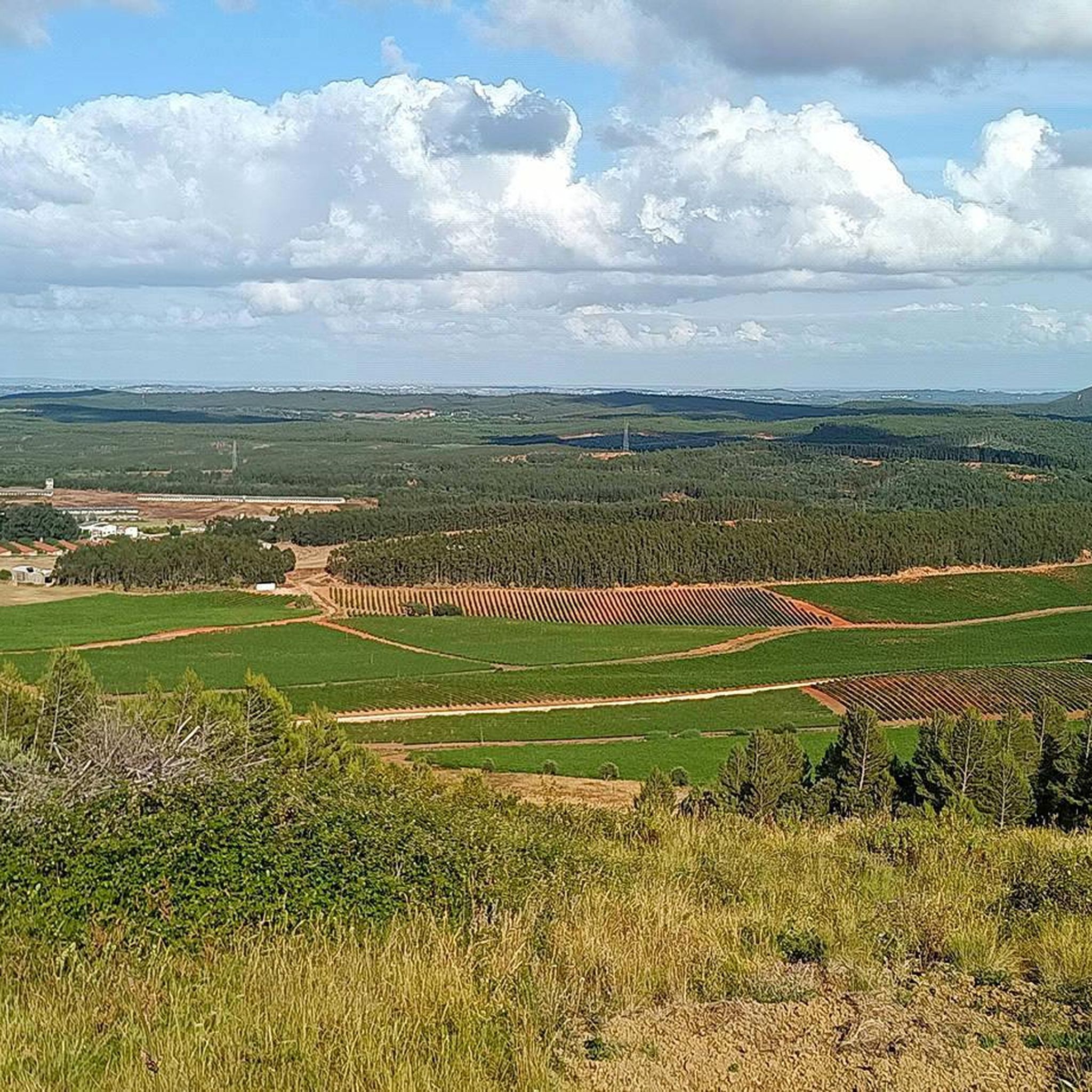
At this location at the top of the Serra de Montejunto, also known as "Torre" due to the various antennas that were installed there, is the Chapel of Our Lady of the Snows, which may have been built in the 13th century and remodelled and expanded during the 16th century and later. Inside, the altars covered with 17th century tiles and the altarpiece of the main altar, from the 18th century, stand out. Next to the Chapel of Our Lady of the Snows, are the ruins of what is considered to be the first Dominican Convent in Portugal, built in the 12th century and abandoned after the extinction of the religious orders, and is currently in ruins. Also nearby are the ruins of the Royal Ice Factory, classified as a National Monument. Here, in the 18th century, the Dominican monks took advantage of the climatic and geological conditions and opened large tanks connected by narrow passages, one part for the production of ice and the other for its preparation, storage and conservation. The ice was later transported to Lisbon, to supply the court and the café at Terreiro do Paço, later known as Martinho da Arcada (Fernando Pessoa's Café)
2
0
The origins of the Ermida Bridge possibly date back to the end of the 15th century. A Royal Road passed through here, which was intended to connect the river port of Vila Nova da Rainha and Caldas da Rainha. It was the route of the royal and court routes since D. João II, and was also frequently used by D. João V and D. Carlos. All that remains of this 15th century Royal Road is the emblematic Ermida Bridge, a work of art structured and built in dressed stone and its sumptuous Romanesque arch, or round arch. Due to its total lack of conservation and because it has to support loads (heavy agricultural machinery) for which it was not designed, it is currently at risk of collapse, and its passage is even closed.
1
0

It is surrounded by beautiful and abundant trees and is a bridge with a Romanesque arch. There are several theories regarding its construction; some argue that it was built during the reign of D. João II, in order to facilitate the King's movement when he went to meet Queen D. Leonor for a swim in Caldas, while others claim that it was built in the 19th century due to a technical issue, namely its width. Interestingly, this bridge supports two enormous pine trees on the upper part of the road.
0
0

The Nossa Senhora das Neves Chapel, located at the top of the Serra de Montejunto, has been a place of pilgrimage since the medieval period, prior to the construction of the first Dominican monastery in the 13th century.
1
0
The Serra de Montejunto picnic area is next to the Interpretation center and a little further from the campsite. Nearby there is a small bar and toilets.
3
0
The Serra do Montejunto Rural Camping Park is located close to the Environmental Interpretation Center and the Real Fábrica do Gelo. With capacity for 90 people, 24 tents and 6 motorhomes, it has sanitary facilities separated by sex, a communal barbecue area and designated areas for washing dishes and drying clothes.
3
1
Located in Serra de Montejunto, Alenquer, the 13th century Chapel of São João Baptista is close to the Chapel of Nossa Senhora das Neves and the ruins of a Dominican monastery. Every year, on the 24th of June, a mass is held in honor of Saint John.
2
0
Located in the chestnut woods, it connects the Real Fábrica do Gelo complex and the Environmental Interpretation Centre. The Park has eight tables, with an average capacity of six to eight people per table. As support structures for its use, it has a small bar, toilets and a small playground.
3
0
Frequently Asked Questions
Are there family-friendly attractions around Abrigada?
Yes, the Picnic Area of Serra de Montejunto is an excellent family-friendly spot. Nestled in chestnut woods, it offers tables, a small bar, toilets, and a playground, connecting to the Real Fábrica do Gelo complex and the Environmental Interpretation Centre. The Montejunto Rural Campsite also provides facilities suitable for families, including ample shade and a communal barbecue area.
What historical sites can I explore in the Abrigada region?
The region is rich in history. You can visit the Chapel of Our Lady of the Snows (Ruins), which includes the ruins of Portugal's first Dominican convent, dating back to the 12th century. Nearby, you'll also find the 13th-century Chapel of Saint John the Baptist. Another significant historical landmark is the Ponte da Ermida, a 15th-century bridge that was once part of a Royal Road.
What outdoor activities can I do near these attractions?
The Serra de Montejunto area offers various outdoor activities. You can find numerous routes for road cycling, running, and mountain biking. For example, there are challenging running trails like the "Serra de Montejunto Windmills Trail" and moderate MTB trails such as the "Chapel of Saint George – Meia Encosta Trail loop from Abrigada." You can explore more options on the dedicated guides for Road Cycling Routes around Abrigada, Running Trails around Abrigada, and MTB Trails around Abrigada.
Are there any campsites or places to stay overnight near the attractions?
Yes, the Montejunto Rural Campsite is located in the heart of the Montejunto mountain range. It offers ample shade, capacity for 90 people, and includes a bar, a tourist reception center, and an Environmental Interpretation Centre. It's free to use and has facilities for tents and motorhomes.
What natural features are prominent in the Abrigada area?
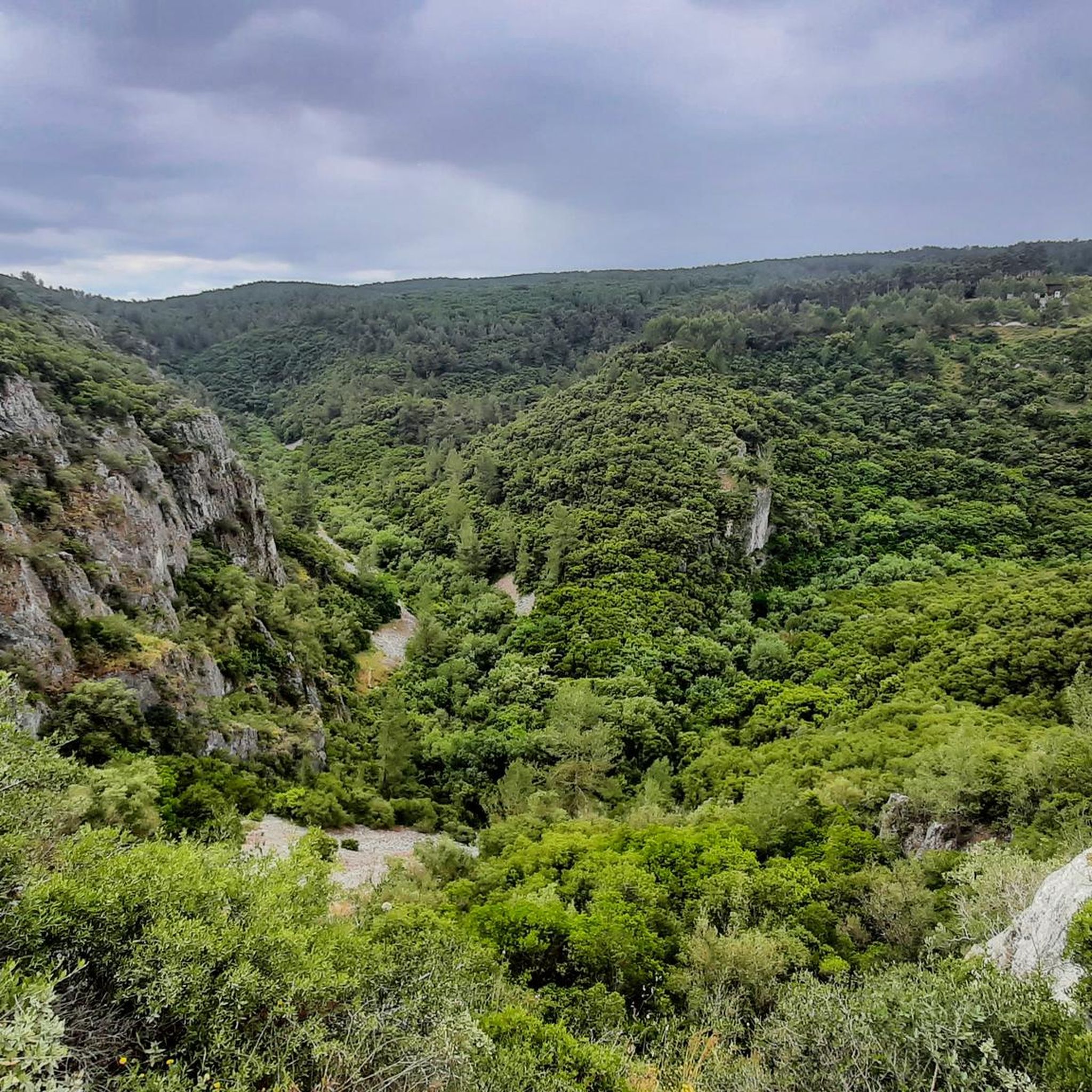
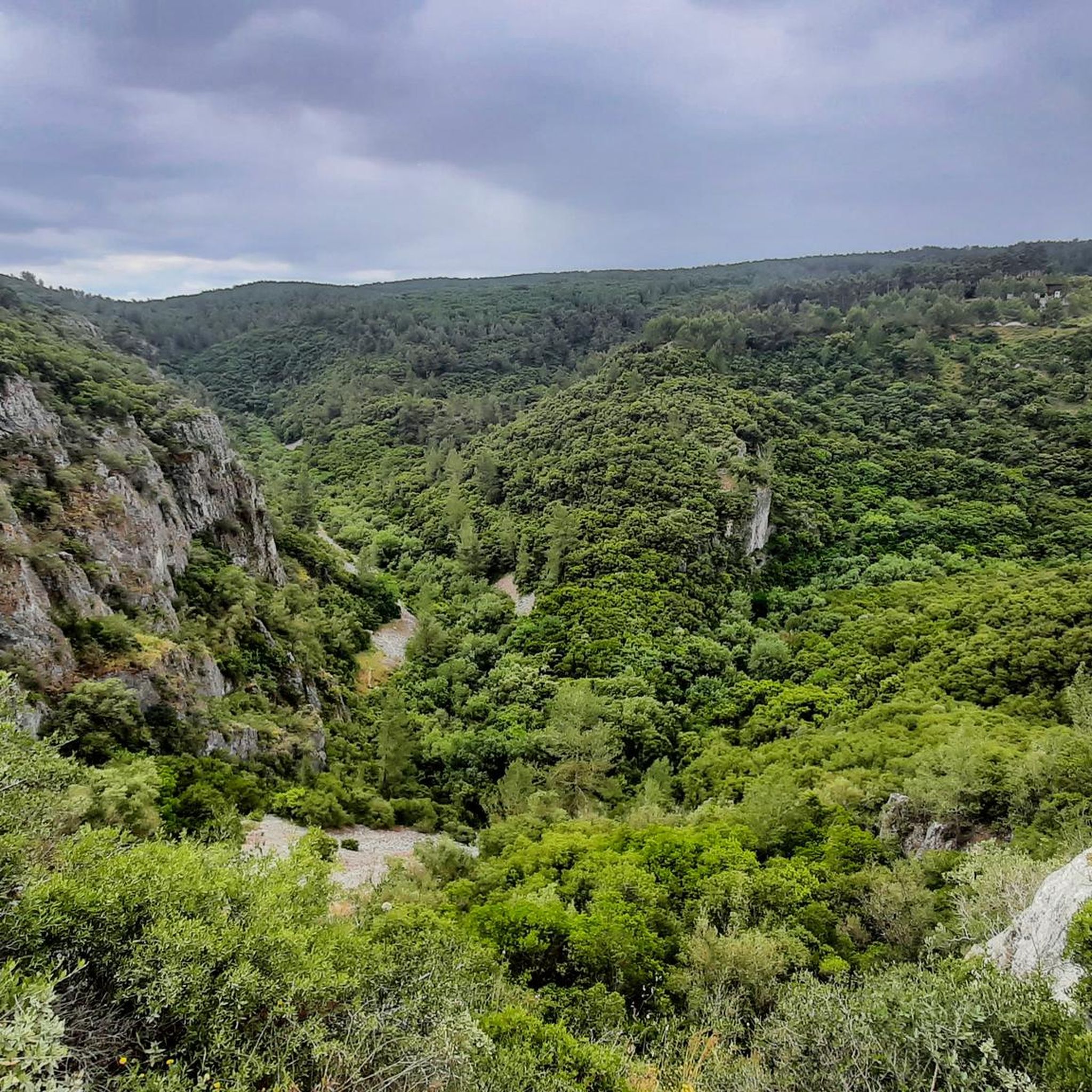
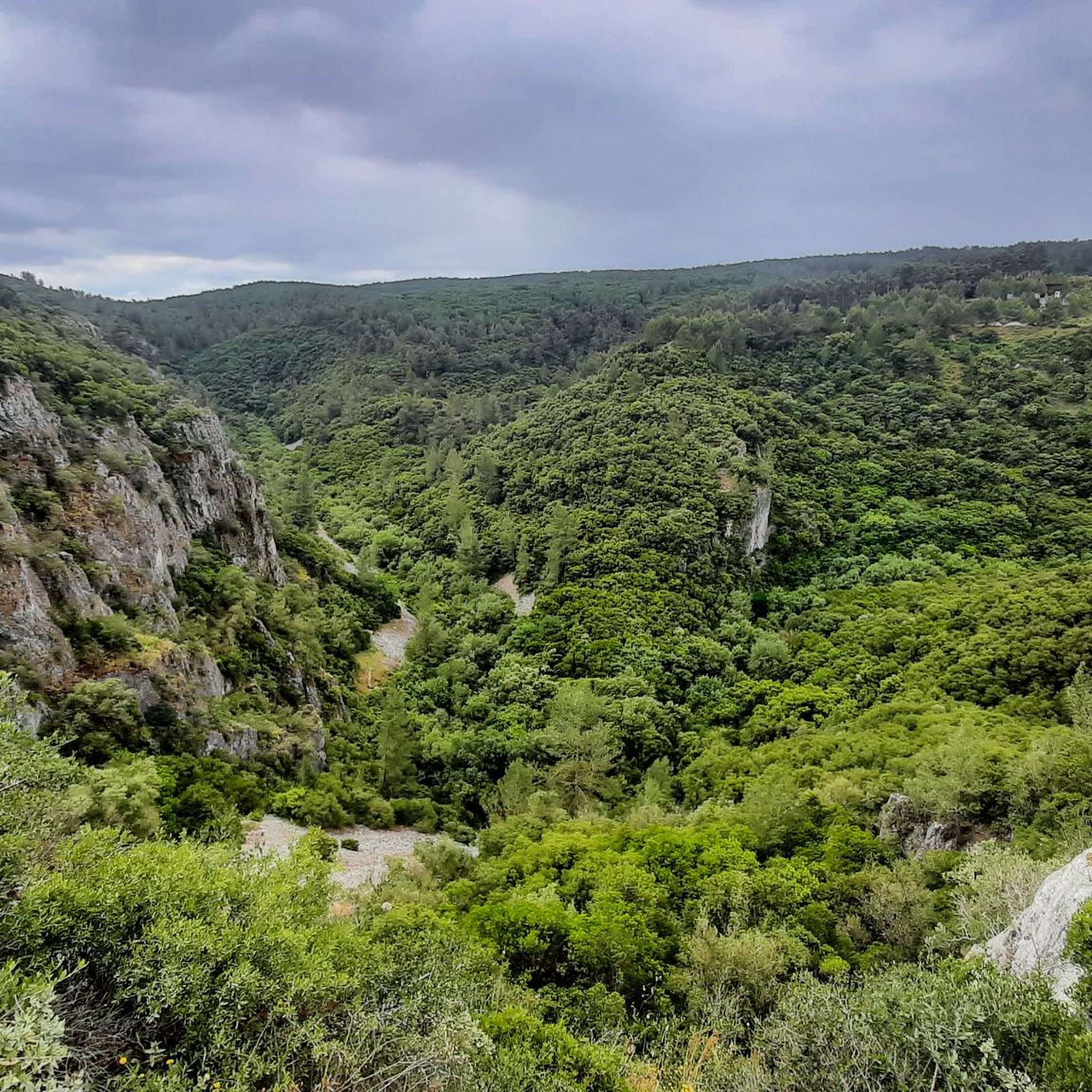
The Abrigada region is dominated by the Serra de Montejunto mountain range. This natural landscape features chestnut woods, offering a serene environment for outdoor activities and relaxation. The area around the Picnic Area of Serra de Montejunto is a great example of these forested environments.
What do visitors enjoy most about the attractions around Abrigada?
Visitors appreciate the blend of historical significance and natural beauty. The Chapel of Our Lady of the Snows (Ruins) is valued for its historical depth and the panoramic views from the top of Montejunto. The family-friendly facilities like the Picnic Area of Serra de Montejunto are also highly enjoyed for their amenities and natural setting.
Are there any cafes or refreshment spots near the outdoor attractions?
Yes, the Picnic Area of Serra de Montejunto has a small bar available. Additionally, the Montejunto Rural Campsite, also located within the mountain range, includes a bar and a tourist reception center, providing options for refreshments while exploring the area.
Can I find easy hiking trails or beginner routes in the Abrigada region?
While many trails in the Serra de Montejunto are rated moderate to difficult, there are options for various skill levels. For specific easy or beginner routes, it's recommended to check the detailed descriptions within the Running Trails around Abrigada guide, as some shorter paths might be suitable for a more relaxed walk.
Is there public transport available to reach outdoor activities in Abrigada?
Information on specific public transport routes directly to the remote outdoor attractions in Serra de Montejunto is limited. It is generally recommended to use private transport to access many of the trailheads and highlights within the mountain range. However, local bus services might connect Abrigada to nearby towns, from where you might need to arrange further transport.
What is the best time of year to visit Abrigada trails?
The Serra de Montejunto region, like much of Portugal, generally offers pleasant weather for outdoor activities during spring (April-May) and autumn (September-October). These seasons typically provide milder temperatures and less rainfall, making them ideal for exploring trails and historical sites. Summer can be hot, while winter might bring cooler, wetter conditions.
Are there any hidden gem attractions in Abrigada?
While not entirely 'hidden,' the Ponte da Ermida offers a unique glimpse into the region's past. This 15th-century bridge, with its Romanesque arch, is a remnant of a historical Royal Road. Though its passage is currently prohibited due to its delicate state, its historical significance and picturesque setting surrounded by trees make it a noteworthy, less-frequented spot.
What should I wear for outdoor activities in Abrigada?
For outdoor activities in the Serra de Montejunto area, it's advisable to wear comfortable, layered clothing suitable for hiking or cycling. Sturdy walking shoes or hiking boots are recommended, especially for trails that may be uneven or rocky. Depending on the season, bring sun protection (hat, sunscreen) and a waterproof jacket for unexpected weather changes.
Most popular attractions around Abrigada

Get inspired with the komoot mobile app


Explore more
Still not found the Highlight you’re looking for? See guides of the top attractions in other regions:
