Top 20 Castles around Jülich
Best castles around Jülich are found in a region rich with historical fortifications in North Rhine-Westphalia, Germany. The area is characterized by its diverse architectural heritage, ranging from impressive Renaissance citadels to medieval ruins and picturesque moated castles. These sites offer a glimpse into centuries of history and military architecture. The landscape around Jülich provides a varied backdrop for exploring these historical landmarks.
Best castles around Jülich
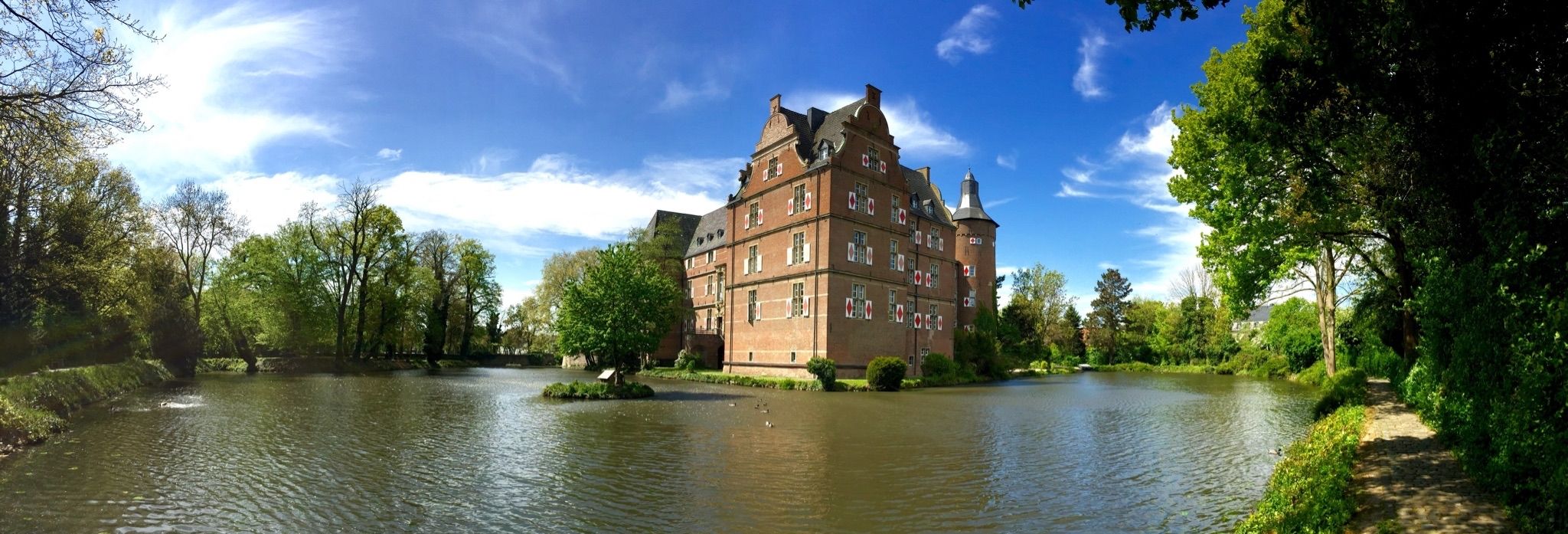
- The most popular castles is Schloss Kellenberg, a castle that is a moated castle on the northern edge of Barmen, a district of Jülich, on the Rur. It is beautifully situated and surrounded by moats.
- Another must-see spot is Alt-Kaster Old Town, a historical site with an old city wall and many listed buildings. It offers nice cafés and cozy restaurants within its historic center.
- Visitors also love Jülich Citadel, a historical site considered the oldest citadel north of the Alps. It is a well-preserved bastioned fortress with extensive ramparts and casemates.
- Jülich is known for Renaissance citadels, medieval ruins, and picturesque moated castles. Visitors can explore a variety of defensive structures and historical residences.
- The castles around Jülich are appreciated by the komoot community, with more than 1500 upvotes and 1654 photos shared across 11 highlights.
Last updated: August 16, 2026
Alt-Kaster Old Town
Highlight • Historical Site
Translated by Google •
Tip by

Ruins of Kaster Castle
Highlight • Castle
Translated by Google •
Tip by

Sign up now to discover places like this
Get recommendations on the best single tracks, peaks, & plenty of other exciting outdoor places.
Sign up for free
Schloss Kellenberg
Highlight • Castle
Source: Wikipedia
Translated by Google •
Tip by

Witch Tower (Rur Gate), Jülich
Highlight • Historical Site
Translated by Google •
Tip by

Karlsburg Ruins in the Kammerbusch Landscape Garden
Highlight • Castle
Translated by Google •
Tip by

Sign up for free to discover even more castles around Jülich.
Sign up for free
Already have an account?
Start today with a free account
Your next adventure awaits.
Login or Signup
Popular around Jülich
Wasserburgen-Route — A ride through Germany's Castle Country from the Rhine to the Eifel and back
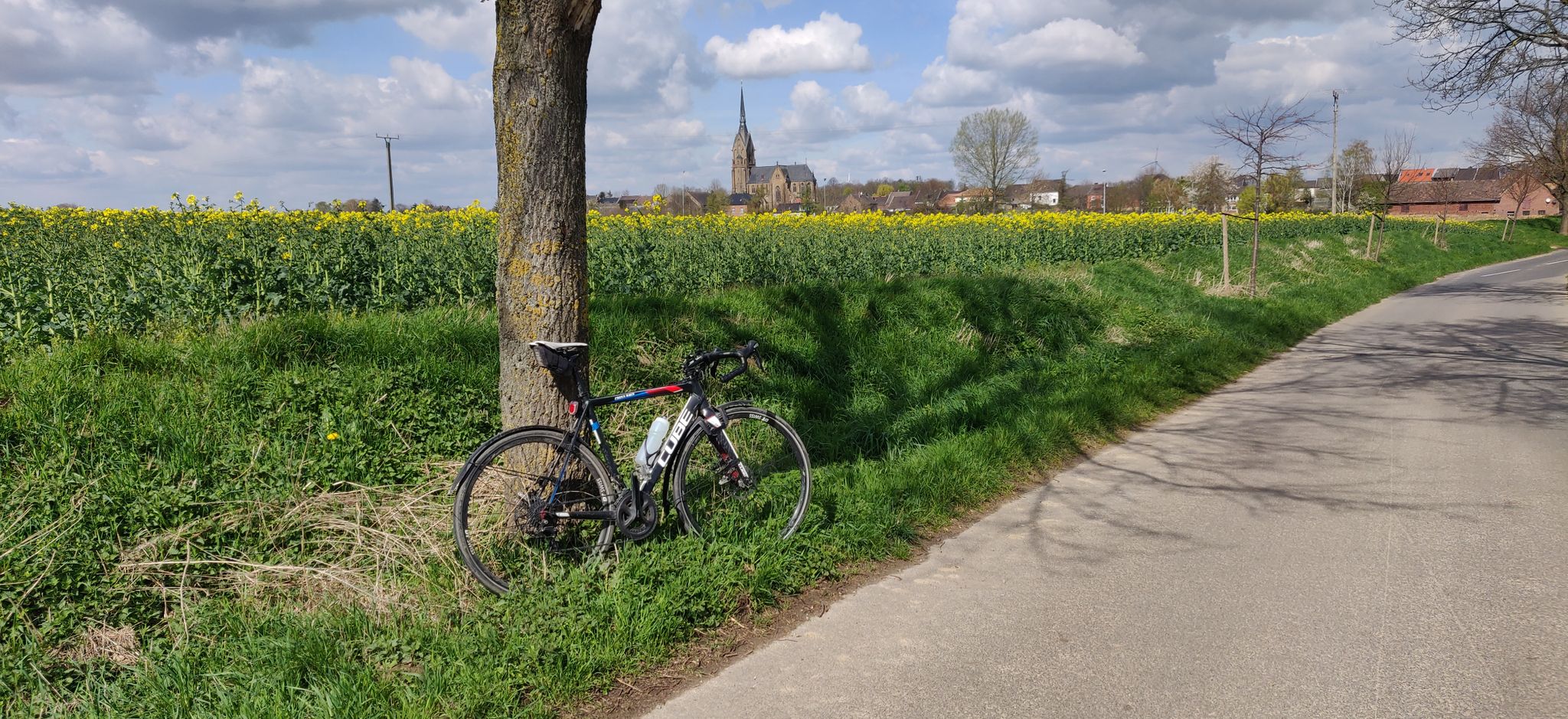
RSC Welldorf 1998 e.V. presents: racing bike tours in Jülicher Börde
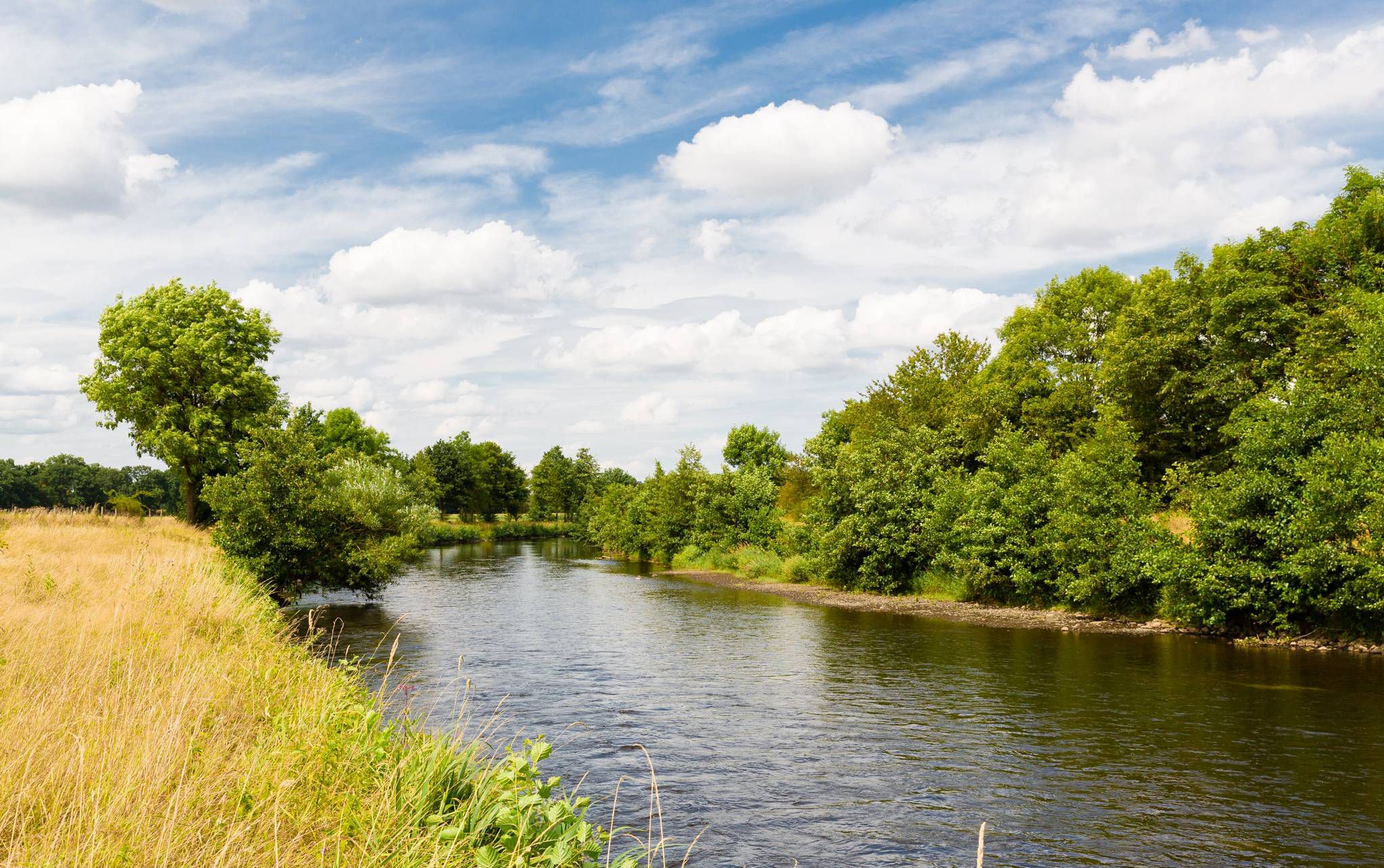
3 days, 3 countries — on the Rur bank cycle path through the Eifel
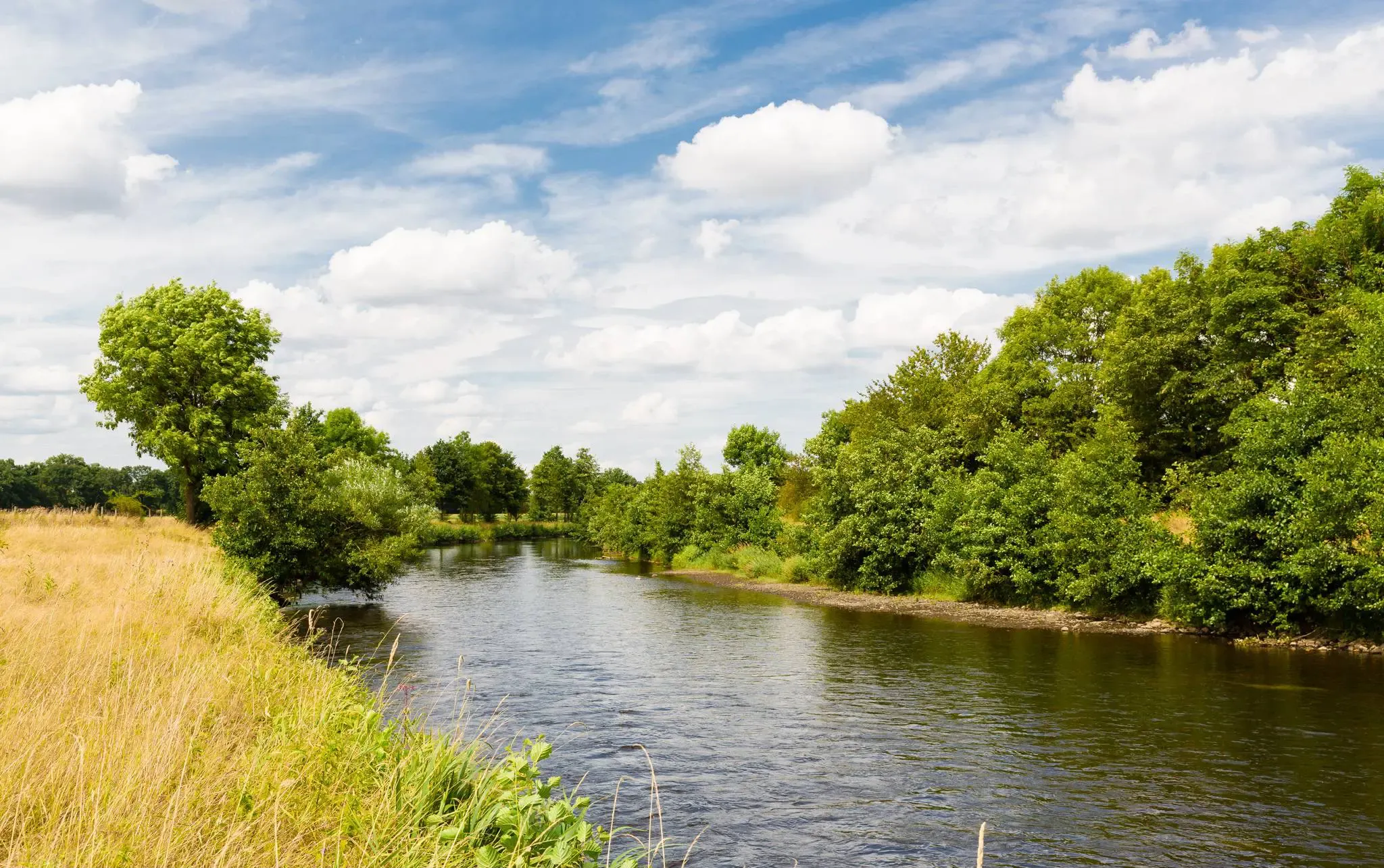
RurUfer-Radweg – 3 Tage, 3 Länder durch die Eifel
Auszeiten im Grünen – Entspannte Wanderungen im Rheinland
Cycling around Jülich
Hiking around Jülich
Road Cycling Routes around Jülich
MTB Trails around Jülich
Running Trails around Jülich
Other adventures around Jülich


Tips from the Community

Beautiful medieval gate of the city of Jülich. Beginning of the pedestrian zone in the city of Jülich. From here you can stroll to the "Schlossplatz" or turn 180° and go to the bridgehead (Napoleonic fortress component) and visit it. The State Garden Show was held here in 1998.
6
0

one of the few pieces in Jülich that survived the 2nd World War (but is plundered from building sins in the 70s)
6
0

The former castle was surrounded by the Erft and two moats. It already existed before the old town of Kaster was surrounded by a castle wall. Its location was favorable because one of the few crossings over the Erft was possible there. The Erft also often demarcated the area of Cologne from that of Jülich. For a time, Kaster also served as a customs post. In front of the main castle, the current ruin, was a bailey. It is believed that this is where the urban development of Kaster came from. In Welser's drawing you can still see the rectangle of the outer bailey. The Eulenturm, which is still standing today, was one of these four corner towers. In the outer bailey was the waiter's shop with storage buildings and handicraft workshops, even a mouse catcher from Maastricht was employed there. From there the waiters (cellarius) administered the payments in kind and money to the feudal lords. The lords of Caster (known from 1148) were the feudal lords of the place and probably owned the castle. After their extinction, Kaster went back to the Counts of Jülich, who now expanded Kaster into a Jülich office. The castle was first mentioned in writing in 1273 when it was sold by the Count of Jülich to King Rudolph of Habsburg. He gave it back to Count Wilhelm IV of Jülich as a fief. Source: geschichtsverein-bedburg.de/permanent/KasterBurg.html
11
0
The former castle was surrounded by the Erft and two moats. It was already there before the old town of Kaster was surrounded by a castle wall. Its location was convenient because it was one of the few places where people could cross the Erft. The Erft also marked the boundary between the Cologne area and the Jülich area in many places. Kaster also served as a customs station for a time. In front of the main castle, which is now a ruin, there was an outer bailey. It is assumed that the development of Kaster's town started from there. The rectangle of the outer bailey can still be seen on Welser's drawing. The Owl Tower, which still stands today, was one of these four corner towers. The outer bailey housed the waiter's shop with storage buildings and craft workshops; even a mouse catcher from Maastricht was employed there. From there, the waiters (cellarius) managed the payments in kind and money to the feudal lords. The Lords of Caster (known from 1148) were the feudal lords of the town and probably owned the castle. After their extinction, Kaster went back to the Counts of Jülich, who then expanded Kaster into a Jülich office. The castle was first mentioned in writing in 1273, when it was sold by the Count of Jülich to King Rudolph of Habsburg. He gave it back to Count Wilhelm IV of Jülich as a fief. Source: https://www.geschichtsverein-bedburg.de/permanent/KasterBurg.html
8
0

The Rurtor, the so-called Witch's Tower, is one of three or four city gates in the medieval city wall of the city of Jülich. The arrow slits, the portcullis and the door openings to the battlement still indicate the former defensive function. The witch's tower was built at the beginning of the 14th century. The Witch's Tower had many names back then. From “Porta Rurae” (Latin for “Rurtor”), “Rurtor”, “Gefangenenthürn”, “Gefängnußthurm”, “Hessenturm” until the current name “Hexenturm” was used since the 18th century. The latter name came about at the time when the name Hessenturm was used and the building was used as a prison for the main and criminal court of the Duchy of Jülich. It is misleading in that only a few individual cases against so-called witches have been recorded from Jülich. After Jülich was almost completely destroyed in the Second World War, the first security measures were taken at the Hexenturm in 1949/1952, which was followed by a further restoration phase from 1961 to 1964. The onion domes from the 17th century were also restored true to the original. Flat conical helmets were also discussed for the roof reconstruction, with which the rectangular building on the city side with the pointed tent roof would have towered over the towers. Witch tower with light installation at night Since October 29, 2005, the Witch Tower has been illuminated in the evening and, in winter, in the morning with a light installation of 22 lights on both sides through the donation-financed “LIGHT(!) project”. The Witch's Tower forms the beginning of a planned “path of lights” through the city center to the citadel.
9
0

With a little imagination, one can still make out to some extent what the castle should have looked like. The compact but very naive walls of the ruins are already beginning when you consider when they were built.
11
0

Not much is left of this old castle, but you can still read the most important dates and events on site. The castle can be "circumnavigated" on the Erftseite via a small path
8
0

For me, this gate is characterized by huge towers.
8
0
Frequently Asked Questions
What are the most historically significant castles around Jülich?
The most historically significant castle is the Jülich Citadel, considered the oldest citadel north of the Alps. It's a remarkably well-preserved bastioned fortress, showcasing Italian Renaissance military architecture. Another site with deep historical roots is Burg Wilhelmstein, a medieval fortress built by Count Wilhelm IV of Jülich in the 13th century, which played a role as a border fortress.
Are there family-friendly castles or historical sites to visit near Jülich?
Yes, several sites are suitable for families. The Jülich Citadel, with its extensive ramparts and casemates, offers an engaging historical experience. Alt-Kaster Old Town is also family-friendly, featuring an old city wall, charming cafes, and a playground on its outskirts, as noted by visitors.
What kind of architectural styles can I expect to see among the castles?
The region around Jülich boasts a diverse architectural heritage. The Jülich Citadel is a prime example of Renaissance ideal city design and fortress construction. You can also find medieval origins at Burg Wilhelmstein and Ruins of Kaster Castle, alongside picturesque moated castles like Schloss Kellenberg.
Can I explore the interiors of these castles, or are they mostly ruins?
It varies by location. The Jülich Citadel houses a municipal gymnasium and a museum, allowing for interior exploration of its casemates and tunnels. Burg Wilhelmstein features an open-air theater and a restaurant within its medieval remnants. Wassenberg Castle, located nearby, has been transformed into a luxury hotel and restaurant, offering a unique opportunity to experience a castle interior.
Are there any castles that offer unique cultural experiences or events?
Yes, Burg Wilhelmstein is known for its open-air theater, hosting concerts, cabaret, and cinema, especially during the summer months. This blends historical ruins with a vibrant cultural program. Alt-Kaster Old Town also hosts events like the 'Ricarda market' and a unique Nicholas Market in December, where festivities take place in residents' homes and courtyards.
What outdoor activities can I do near the castles around Jülich?
The area around Jülich offers various outdoor activities. You can find numerous running trails, such as the 'Hambach Lake – Sophienhöhe loop' or the 'Rur Rapids – Rur Cycle Path loop'. For cycling enthusiasts, there are MTB trails like the 'Jülich Citadel – Weir on the Rur loop' and gravel biking routes like the 'Terra Nova Viewpoint – View of Hambach Open-Pit Mine loop'. You can explore these and more on the running, MTB, and gravel biking guide pages.
Are there any moated castles in the Jülich area?
Yes, Schloss Kellenberg is a notable moated castle. It is beautifully situated on the northern edge of Barmen, a district of Jülich, along the Rur river, and is surrounded by moats.
Where can I find panoramic views of the surrounding landscape?
Wassenberg Castle, located in the nearby town of Wassenberg, offers excellent panoramic views. Its brick tower from the early 1400s serves as an observation tower, providing extensive vistas over the Rur valley and the ridges of the Eifel.
What is the best time of year to visit the castles around Jülich?
While castles can be visited year-round, spring and autumn offer pleasant weather for exploring the outdoor grounds and nearby trails. Summer is ideal for enjoying cultural events at places like Burg Wilhelmstein. Early December is also recommended for the unique Nicholas Market in Alt-Kaster Old Town.
Are there any remnants of medieval town fortifications in Jülich itself?
Yes, the Witch Tower (Rur Gate) is the only remaining part of Jülich's medieval town fortifications. Built at the beginning of the 14th century, it stands as the sole preserved city gate from that era.
Can I find cafes or restaurants near these historical sites?
Absolutely. Alt-Kaster Old Town is particularly noted for its nice cafes and cozy restaurants within its historic center. Burg Wilhelmstein also houses a restaurant, and Wassenberg Castle offers dining options as part of its hotel facilities.
What makes the Jülich Citadel unique among fortresses?
The Jülich Citadel is unique for several reasons. It was designed by Italian architect Alessandro Pasqualini after 1545 as part of an 'ideal Renaissance city,' making it the oldest citadel north of the Alps. Its 'palazzo in fortezza' concept combined a princely residence with an impregnable stronghold, featuring a polygonal ground plan and arrow-shaped bastions for all-round defense.
Most popular routes around Jülich
Most popular attractions around Jülich

Get inspired with the komoot mobile app


Explore more
Looking for the best castles somewhere else? Discover other guides around Jülich:
