Attractions and Places To See around Aveiras De Cima - Top 20
Attractions and places to see around Aveiras De Cima offer a variety of experiences in this Portuguese region. The area features historical sites, religious buildings, and natural landscapes. Visitors can explore man-made monuments and natural areas, providing diverse outdoor activities. Aveiras De Cima presents opportunities to engage with both cultural heritage and natural beauty.
Best attractions and places to see around Aveiras De Cima
- The most popular attractions is Pina Manique Palace, a man-made monument. This palace was part of an ambitious 18th-century project to create a rationalist architectural town, though its construction remained unfinished. It represents a significant historical endeavor by Diogo Inácio de Pina Manique.
- Another must-see spot is Chapel of Our Lady of the Snows (Ruins), a religious building and historical site. Located at the top of the Montejunto mountain range, these ruins include remnants of what is considered the first Dominican Convent in Portugal, dating back to the 12th century.
- Visitors also love Picnic Area of Serra de Montejunto, a family-friendly facility. Situated in the chestnut woods, this area offers tables, a small bar, toilets, and a playground, connecting the Real Fábrica do Gelo complex and the Environmental Interpretation Centre.
- Aveiras De Cima is known for its historical monuments, religious sites, and natural areas like lakes and picnic spots. The region offers a variety of attractions to see and explore, from ancient ruins to family-friendly facilities.
- The attractions around Aveiras De Cima are appreciated by the komoot community, with 25 upvotes and 12 photos shared by visitors.
Last updated: July 1, 2026
Pina Manique Palace
Highlight • Monument
Translated by Google •
Tip by

Chapel of Our Lady of the Snows (Ruins)
Highlight • Religious Site
Source: Natural.pt
Next to the monument, there is a trail called "Calçada dos Frades" that runs along the slope. This cobbled path, which is also thought to be from the 18th century, was opened to serve the construction and use of the Convent of Nossa Senhora das Neves. The path was also used by the friars to access the Real Fabrica do Gelo, located further down, where today there is a laser area and an interpretive center.
Translated by Google •
Tip by
Sign up now to discover places like this
Get recommendations on the best single tracks, peaks, & plenty of other exciting outdoor places.
Sign up for free
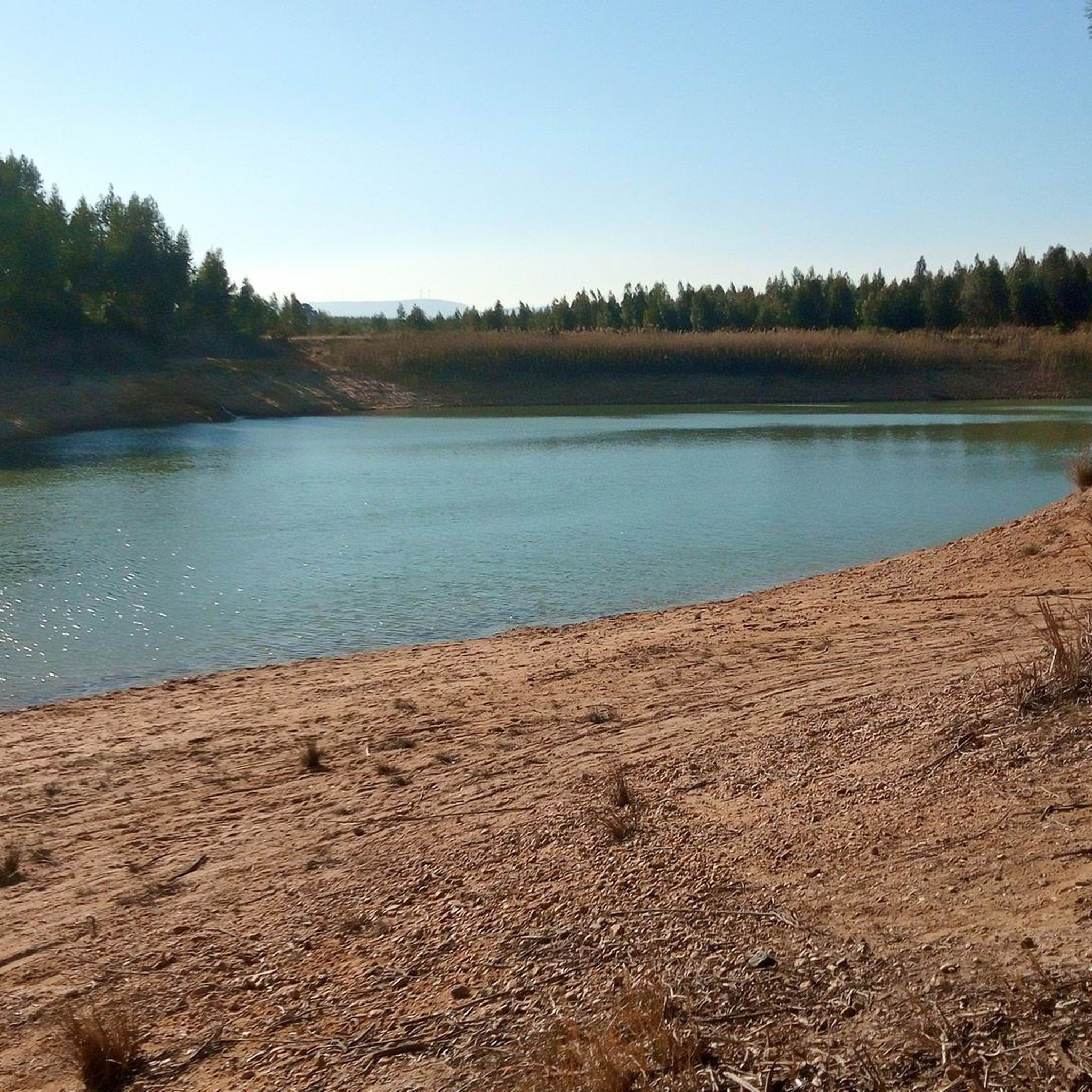
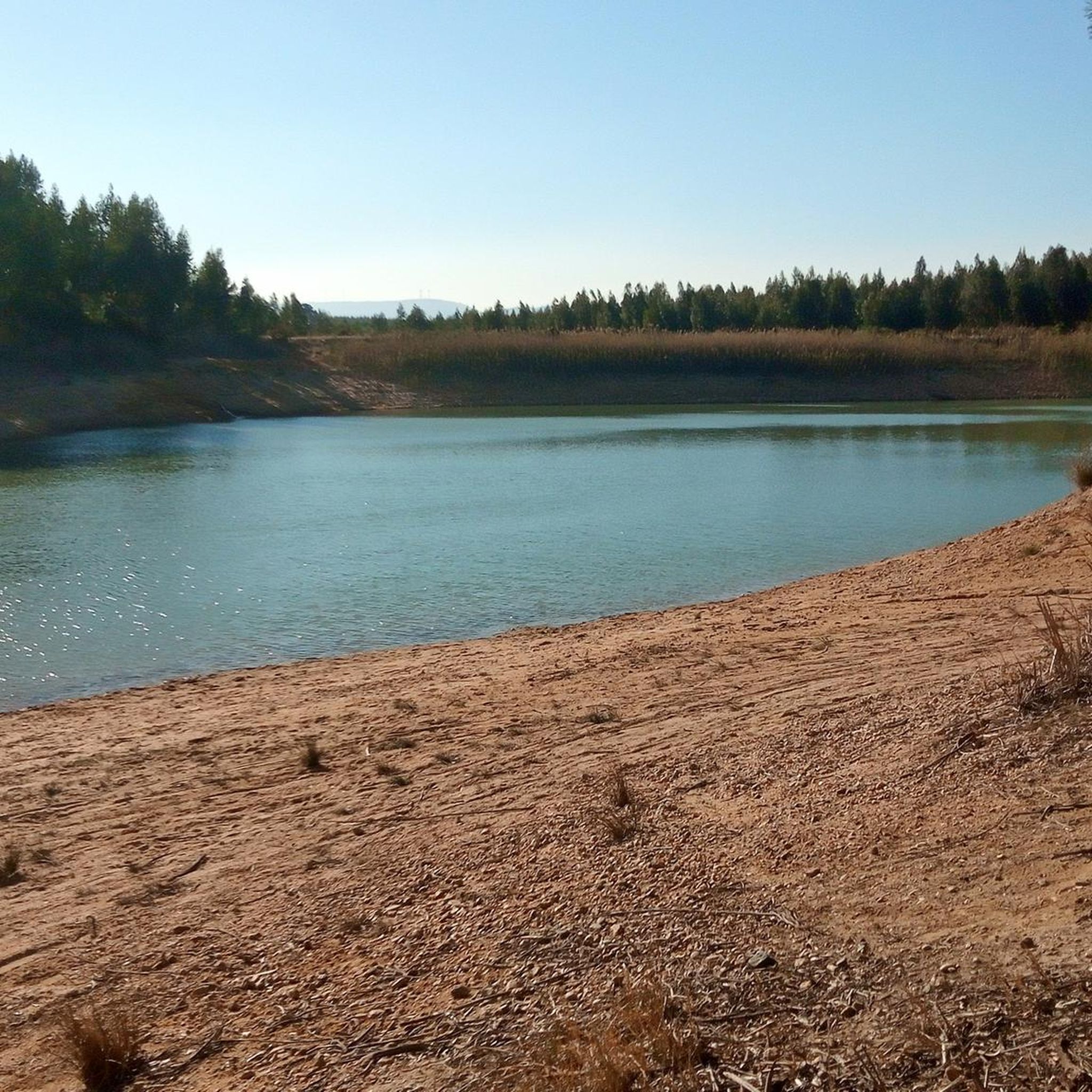
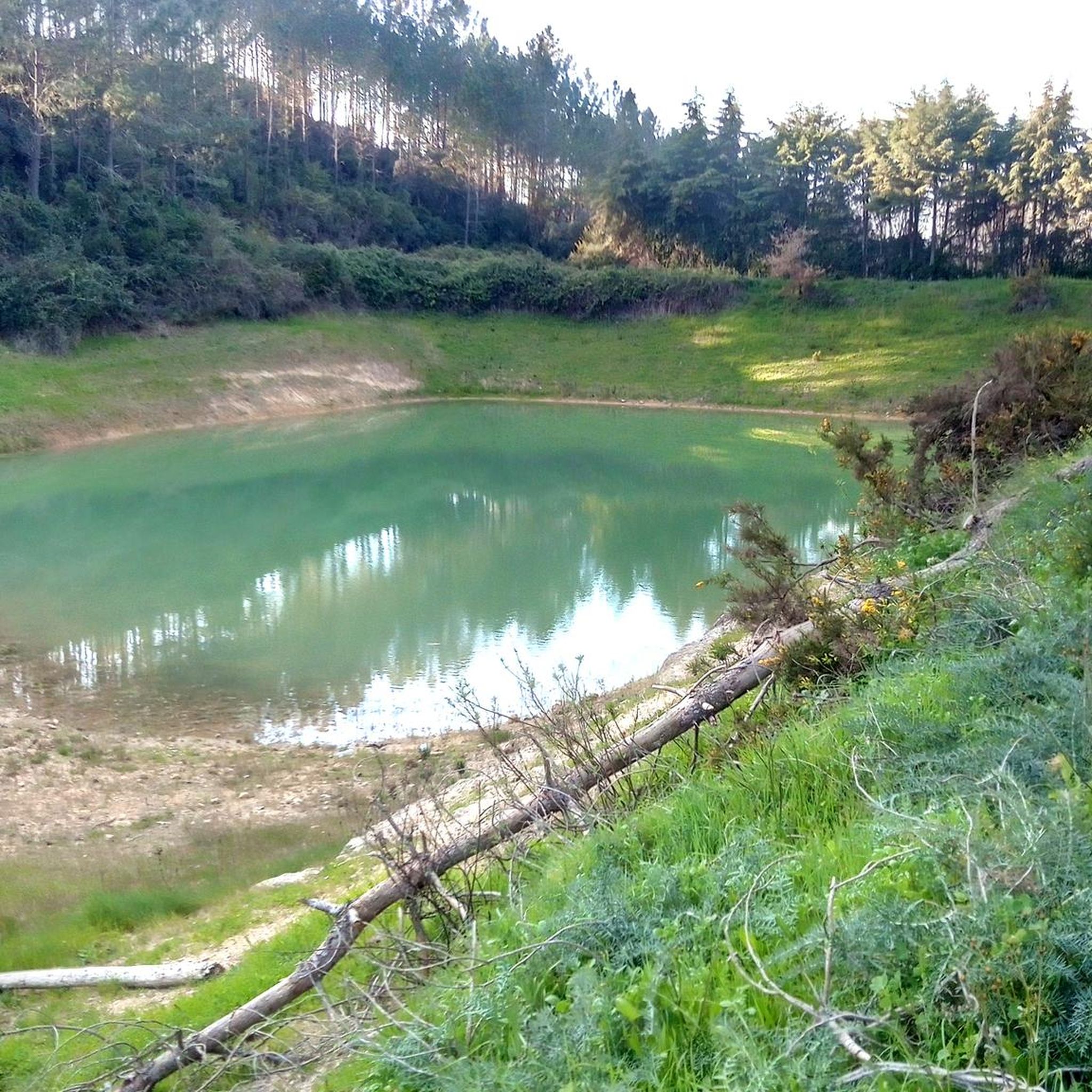
Paúl de Manique do Intendente.
Highlight • Lake
It is an ecosystem composed of more than 180 species, where you can find 5 "simply unique" species such as the striped tortoise, the common caiman, the otter, the black stork and the reed.
The municipality has been focusing on promoting this space, having recently advanced with the installation of an infrastructure for the observation of the fauna and flora of Pául, which aims to promote knowledge, protection and preservation of this unique and so rich ecosystem for the Municipality of Azambuja and for the entire region.
Translated by Google •
Tip by
Montejunto Rural Campsite
Highlight • Rest Area
montejunto.pt/parque-de-campismo-rural-da-serra-de-montejunto
Translated by Google •
Tip by
Picnic Area of Serra de Montejunto
Highlight • Rest Area
Translated by Google •
Tip by
Sign up for free to discover even more attractions around Aveiras De Cima.
Sign up for free
Already have an account?
Start today with a free account
Your next adventure awaits.
Login or Signup

Tips from the Community

The palace was built by the superintendent Diogo Inácio de Pina Manique (1733-1805), who held several positions during the time of the Marquis of Pombal. His connection to the town, which came to be called Manique do Intendente and was initially called Alcoentrinho, and which belonged to the Order of Christ, dates back to the time of his uncle, who established a manor in favor of his nephew in 1773. Thus began a very ambitious project, which envisaged the creation of a town with a rationalist architectural design and which included, in addition to the palace (whose construction remained unfinished), the Town Hall, the pillory, the Palace of Justice and the church. This plan did not go ahead due to Pina Manique's removal from the position of superintendent and his premature death.
4
0
At this location at the top of the Serra de Montejunto, also known as "Torre" due to the various antennas that were installed there, is the Chapel of Our Lady of the Snows, which may have been built in the 13th century and remodelled and expanded during the 16th century and later. Inside, the altars covered with 17th century tiles and the altarpiece of the main altar, from the 18th century, stand out. Next to the Chapel of Our Lady of the Snows, are the ruins of what is considered to be the first Dominican Convent in Portugal, built in the 12th century and abandoned after the extinction of the religious orders, and is currently in ruins. Also nearby are the ruins of the Royal Ice Factory, classified as a National Monument. Here, in the 18th century, the Dominican monks took advantage of the climatic and geological conditions and opened large tanks connected by narrow passages, one part for the production of ice and the other for its preparation, storage and conservation. The ice was later transported to Lisbon, to supply the court and the café at Terreiro do Paço, later known as Martinho da Arcada (Fernando Pessoa's Café)
2
0

The Nossa Senhora das Neves Chapel, located at the top of the Serra de Montejunto, has been a place of pilgrimage since the medieval period, prior to the construction of the first Dominican monastery in the 13th century.
1
0
The Serra de Montejunto picnic area is next to the Interpretation center and a little further from the campsite. Nearby there is a small bar and toilets.
3
0
The Serra do Montejunto Rural Camping Park is located close to the Environmental Interpretation Center and the Real Fábrica do Gelo. With capacity for 90 people, 24 tents and 6 motorhomes, it has sanitary facilities separated by sex, a communal barbecue area and designated areas for washing dishes and drying clothes.
3
1
Located in the chestnut woods, it connects the Real Fábrica do Gelo complex and the Environmental Interpretation Centre. The Park has eight tables, with an average capacity of six to eight people per table. As support structures for its use, it has a small bar, toilets and a small playground.
3
0
“Paul Natura”, Manique do Intendente https://www.youtube.com/watch?v=9nKhlLvOrJw
3
0
Paúl de Manique do Intendente is an area of around 97,000 square meters that constitutes a very rich natural heritage of great importance in terms of biodiversity, namely in terms of avifauna, already recognized at national level. It is an ecosystem composed of more than 180 species, where you can find 5 "simply unique" species such as the striped tortoise, the common caiman, the otter, the black stork and the reed. The municipality has been focusing on promoting this space, having recently advanced with the installation of an infrastructure for the observation of the fauna and flora of Pául, which aims to promote knowledge, protection and preservation of this unique and so rich ecosystem for the Municipality of Azambuja and for the entire region.
5
0
Frequently Asked Questions
Are there family-friendly attractions around Aveiras De Cima?
Yes, the region offers several family-friendly spots. The Picnic Area of Serra de Montejunto is located in chestnut woods and features tables, a small bar, toilets, and a playground, connecting to the Environmental Interpretation Centre. Additionally, the Montejunto Rural Campsite provides facilities suitable for families, including a tourist reception center and an Environmental Interpretation Centre. For nature lovers, the Paúl de Manique do Intendente offers a fauna and flora observation space, perfect for all ages.
What historical sites can I explore near Aveiras De Cima?
Aveiras De Cima is rich in history. You can visit the Pina Manique Palace, an unfinished 18th-century architectural project by Diogo Inácio de Pina Manique. Another significant site is the Chapel of Our Lady of the Snows (Ruins), located on the Montejunto mountain range, which includes remnants of what is considered the first Dominican Convent in Portugal, dating back to the 12th century.
What natural features are prominent in the Aveiras De Cima area?
The region boasts natural beauty, particularly around the Serra de Montejunto. The Paúl de Manique do Intendente is a significant natural heritage site, a wetland area recognized for its rich biodiversity, especially avifauna, with an observation infrastructure for visitors. The Serra de Montejunto itself offers forest areas, such as the chestnut woods surrounding the picnic area.
Are there easy hiking trails near Aveiras De Cima attractions?
Yes, there are several easy hiking options. You can explore trails like the 'Ota Karstic Canyon Trail', 'View of Serra de Montejunto – Penha do Meio-Dia loop', and 'Serra Montejunto Bar loop'. For more details and routes, check out the Easy hikes around Aveiras De Cima guide.
What outdoor activities can I do near these attractions?
Beyond hiking, the area around Aveiras De Cima is excellent for cycling. You can find various routes for touring bicycles, such as the 'Valada Village – River Beach of Valada loop' or the 'Quinta da Abrigada – View of Serra de Montejunto loop'. For road cycling enthusiasts, there are routes like 'Alenquer – Igreja da Ota loop'. Explore more options in the Cycling around Aveiras De Cima guide and the Road Cycling Routes around Aveiras De Cima guide.
What is the best time to visit Aveiras De Cima attractions?
The region is generally pleasant to visit during spring and autumn when the weather is mild, making outdoor activities like hiking and cycling comfortable. Summer can be warm, but attractions like the Picnic Area of Serra de Montejunto offer shaded spots. For specific events or seasonal activities, it's advisable to check local tourism information closer to your travel dates.
Can I spot wildlife in the Aveiras De Cima area?
Yes, particularly at the Paúl de Manique do Intendente. This wetland is a rich ecosystem with over 180 species, including notable avifauna. The municipality has even installed infrastructure for observing the local fauna and flora, making it an ideal spot for wildlife enthusiasts.
Are there facilities for camping near the attractions?
Yes, the Montejunto Rural Campsite is located in the heart of the Montejunto mountain range. It offers ample shade, capacity for tents and motorhomes, sanitary facilities, a communal barbecue area, and is close to a tourist reception center and an Environmental Interpretation Centre.
What do visitors enjoy most about the attractions around Aveiras De Cima?
Visitors appreciate the blend of historical significance and natural beauty. The historical sites like the Pina Manique Palace and the ruins of the Chapel of Our Lady of the Snows offer a glimpse into the region's past. The natural areas, such as the Picnic Area of Serra de Montejunto and the Paúl de Manique do Intendente, are valued for their tranquility, family-friendly amenities, and opportunities for outdoor recreation and wildlife observation.
Are there any unique or 'hidden gem' outdoor spots in the region?
The Paúl de Manique do Intendente can be considered a hidden gem for nature lovers. It's a lesser-known wetland area with significant biodiversity, offering a peaceful setting for birdwatching and enjoying nature away from more crowded spots. Its recent infrastructure for observation makes it particularly appealing.
What kind of amenities are available at the Picnic Area of Serra de Montejunto?
The Picnic Area of Serra de Montejunto is well-equipped for a day out. It provides eight tables, a small bar, toilets, and a small playground. It's conveniently located in the chestnut woods, connecting the Real Fábrica do Gelo complex and the Environmental Interpretation Centre.
Most popular attractions around Aveiras De Cima

Get inspired with the komoot mobile app


Explore more
Still not found the Highlight you’re looking for? See guides of the top attractions in other regions:
