The best road cycling routes around Maçussa
4.3
(11)
352
riders
27
rides
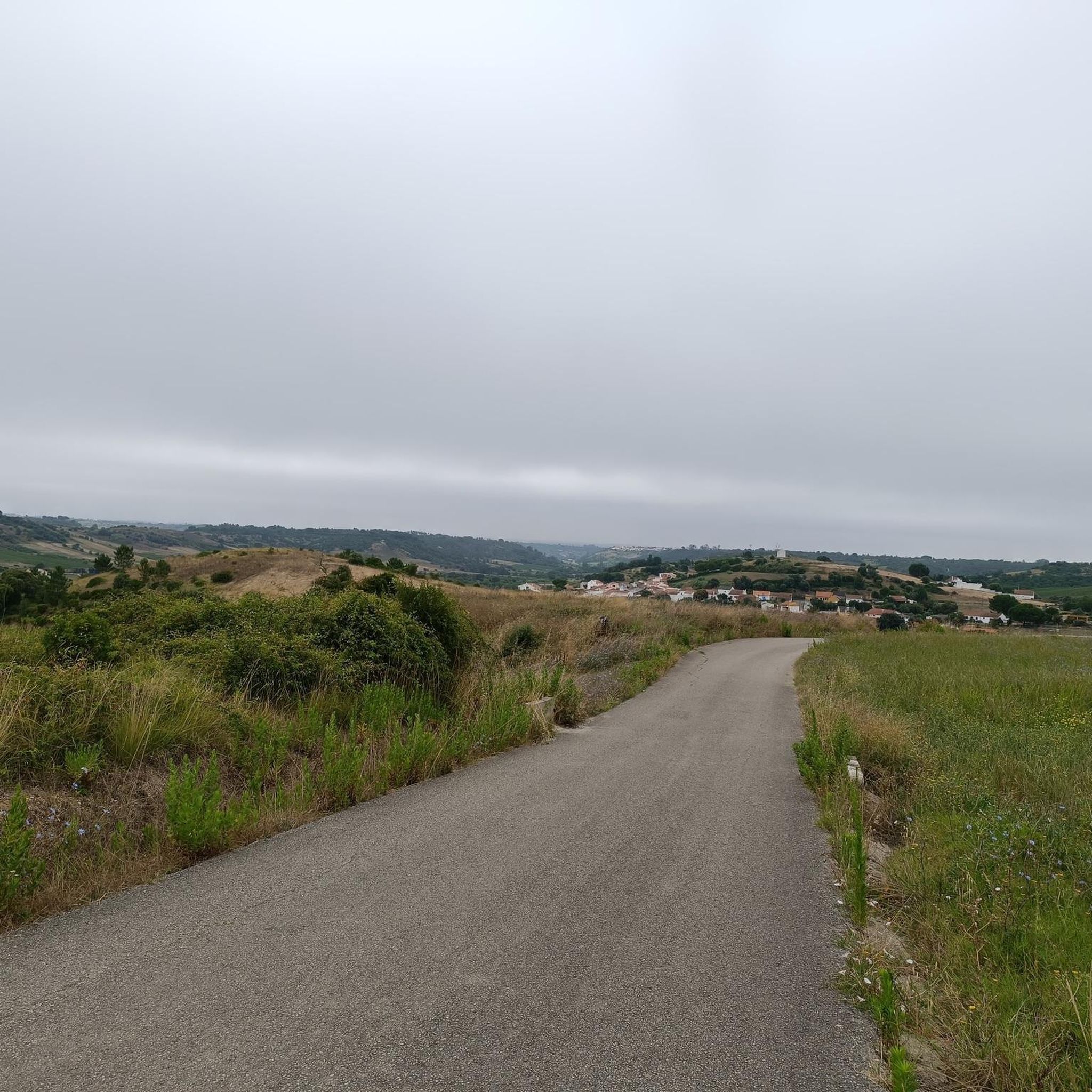
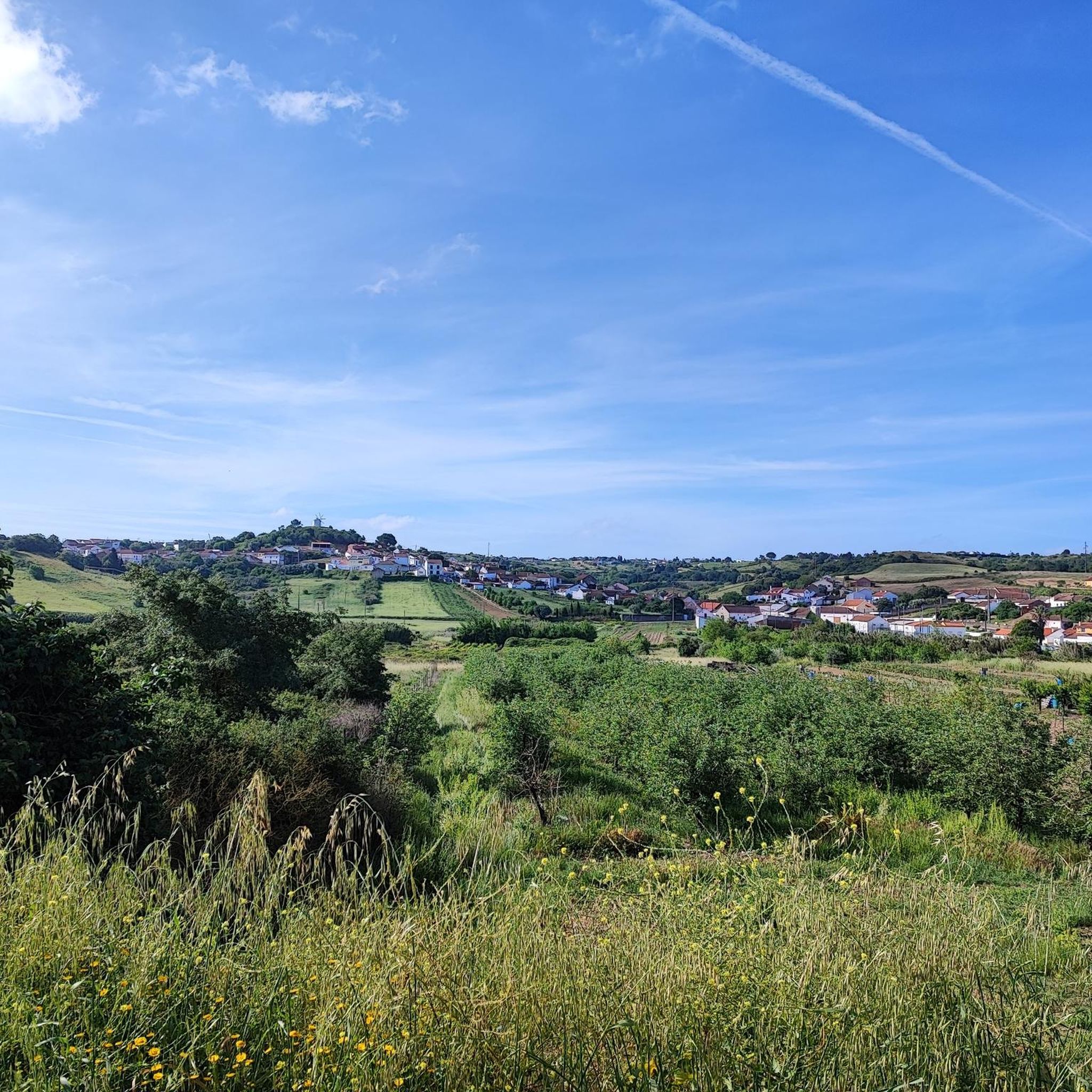
Road cycling routes around Maçussa traverse a landscape characterized by historical charm and diverse natural features. The region offers a mix of terrains, from rolling hills shaped by former vineyards and agricultural lands to routes near significant natural areas like Paúl de Manique do Intendente. Cyclists can expect to encounter historical landmarks such as the Pina Manique Palace and the Assentiz Roman Bridge, adding a cultural dimension to their rides. This varied topography provides options for different road cycling experiences.
…Last updated: July 8, 2026
29
riders
78.9km
03:20
490m
490m
Moderate road ride. Good fitness required. Some segments of this route may be unpaved and difficult to ride.
4.5
(2)
24
riders
27.6km
01:08
130m
130m
Moderate road ride. Great for any fitness level. Some segments of this route may be unpaved and difficult to ride.

Sign up for free
18
riders
93.1km
04:10
950m
950m
Hard road ride. Very good fitness required. Some segments of this route may be unpaved and difficult to ride.
13
riders
66.0km
02:51
580m
580m
Moderate road ride. Good fitness required. Mostly well-paved surfaces and easy to ride.
5.0
(1)
9
riders
44.4km
01:56
300m
300m
Moderate road ride. Good fitness required. Some segments of this route may be unpaved and difficult to ride.
Get access to more routes and recommendations from other explorers.
Sign up for free
Already have an account?
Our route recommendations are based on thousands of hikes, rides, and runs completed by other people on komoot.
Start today with a free account
Your next adventure awaits.
Login or Signup
Popular around Maçussa

Tips from the Community

The Sanctuary of Senhor Jesus da Pedra is located in the parish of Santa Maria, in the municipality of Óbidos, in the western region of Portugal. The Sanctuary was classified as a Monument of Public Interest in 2013.
1
0

The Castelo de Óbidos is a medieval castle and symbolically towers over the town of Óbidos. The fortification is likely of Roman origin, but the region was settled even earlier, in prehistoric times. Its eventful history over the decades can be found here: https://www.burgen.de/burgen-und-schloesser/portugal/castelo-de-obidos/ In the 20th century, the Castelo de Óbidos was found completely in ruins. Starting in 1932, the castle underwent the first consolidation, reconstruction, and restoration work. It was restored to accommodate state guests – the first Portuguese state accommodation in a historic building. Therefore, the interior of the castle is unfortunately no longer open to visitors.
4
0

The website www.visitportugal.com recommends this church, stating: "Don't miss a visit to this sanctuary, located outside the city walls of Óbidos. Its octagonal exterior silhouette stands out from afar and is crowned by a large pyramid covered with green glazed tiles. It was built between 1740 and 1747, during the Baroque period. However, its details were never completed. Perhaps this is why several of the windows are strangely reversed. It is dedicated to Senhor da Pedra, and the pilgrimage to this site takes place on May 28th."
2
0

Very beautiful
1
0

The Sanctuary of Senhor da Pedra is a Baroque temple located on the outskirts of Óbidos. It has the particularity of articulating a cylindrical volume (exterior) with a hexagonal polygon (interior), in a centered plan to which three bodies are attached (two corresponding to the towers and another corresponding to the sacristy). In its program of symmetries, the play of inverted windows stands out. Its interior has three chapels: the main chapel dedicated to Calvary, with a painting by André Gonçalves, and the side chapels dedicated to Our Lady of the Conception and the Death of Saint Joseph, with paintings by José da Costa Negreiros. The “strange” stone image of the Crucified Christ, on its own pedestal on the High Altar, was kept in a small chapel next to the road to Caldas da Rainha until the inauguration of the Sanctuary, where it was the object of great devotion, particularly by King D. João V. The construction of the Sanctuary is due to the miracle that occurred with King D. João V “Valha-me o Senhor da Pedra” (The Lord of the Stone).
17
0

Simply a wonderful experience
3
2
This house 🏠 looks like the house of the painter Claude Monet 🎨, but,... without the garden.
12
0
publication of the royal charter of 26 July 1811, which, in order to mitigate the devastating effects of the French invasions, prescribed, among many other measures, the distribution of seeds to farmers in order to re-establish cereal production. The Real Celeiro was active for over sixty years, between 1812 and 1873, but, quoting Guilherme Henriques, “it died, like all good institutions, annihilated by abuses”. The City Council now holds the archive of the old Celeiro, which, although not very voluminous, nevertheless allows us to reconstruct almost the entire history of this important local institution of the 19th century. Commissioned to be rebuilt by the Municipality of Alenquer in 2002, it opened its doors as the Wine Museum and headquarters of the Lisbon Wine Route in 2006. Its interior was remodeled and its museology project renewed at the end of 2018, and it reopened its doors to visitors in February 2019. (Source: www.alenquer.pt)
10
0
Frequently Asked Questions
How many road cycling routes are available in Maçussa?
Maçussa offers a good selection of road cycling routes, with over 25 different tours available. These routes cater to various skill levels, including easy, moderate, and difficult options.
What kind of terrain can I expect on road cycling routes in Maçussa?
Road cycling in Maçussa is characterized by rolling hills and agricultural lands, reflecting its past as a prominent wine-producing region. You'll find diverse landscapes, from scenic countryside to routes near significant natural areas, providing varied experiences.
What historical landmarks can I see while road cycling in Maçussa?
Many routes in Maçussa offer opportunities to encounter historical landmarks. You might cycle past the impressive Pina Manique Palace, known for its unfinished rationalist architectural plan, or the picturesque Assentiz Roman Bridge. The Royal Monastery of St. Mary of Almoster is another notable historical site in the area.
Are there natural areas or wildlife to observe along the routes?
Yes, the region features significant natural areas. The Paúl de Manique do Intendente is an extensive natural area recognized for its rich biodiversity, including over 180 species of avifauna. Cycling near this wetland offers a chance to enjoy nature and spot wildlife.
What are the difficulty levels of road cycling routes in Maçussa?
Maçussa provides a range of difficulty levels. There are 8 easy routes, 16 moderate routes, and 3 more challenging routes. This variety ensures options for cyclists of different abilities, from leisurely rides to more demanding excursions.
Are there any circular road cycling routes in Maçussa?
Yes, many of the road cycling routes in Maçussa are designed as loops, allowing you to start and finish in the same location. For example, the Ota River – Alenquer Wine Museum loop from Cartaxo and the Valada and the river loop from Cartaxo are popular circular options.
What do other road cyclists appreciate about the routes in Maçussa?
The road cycling routes in Maçussa are highly rated by the komoot community, with an average score of 4.3 stars from over 11 reviews. Cyclists often praise the varied terrain, the combination of historical sites with natural beauty, and the options available for different skill levels.
Are there family-friendly road cycling options in Maçussa?
While specific family-friendly routes are not explicitly highlighted, the presence of 8 easy and 16 moderate routes suggests that there are options suitable for families looking for less strenuous rides. These routes often feature gentler gradients and scenic views.
Where can I find parking for road cycling routes in Maçussa?
Many road cycling routes in Maçussa start from towns or villages like Cartaxo or Aveiras de Cima. These locations typically offer public parking facilities. It's advisable to check specific starting points for detailed parking information before your ride.
What is the best time of year for road cycling in Maçussa?
Maçussa's climate generally makes it suitable for road cycling for much of the year. Spring and autumn often provide the most pleasant temperatures for longer rides, while summer can be warm but still enjoyable, especially during mornings or late afternoons. The region's natural beauty is vibrant across seasons.
Are there places to stop for refreshments or food along the routes?
Given Maçussa's historical context as a wine-producing region and the presence of towns like Cartaxo and Aveiras de Cima, you can expect to find cafes, restaurants, and local establishments in and around these starting points and along some of the longer routes. These offer opportunities for refreshments and meals during your ride.
Can I access road cycling routes in Maçussa using public transport?
Access to specific trailheads via public transport can vary. Larger towns near Maçussa may have bus or train connections, but reaching the exact starting points of some rural routes might require a short taxi ride or personal vehicle. It's recommended to research public transport options to your chosen starting point in advance.
Most popular routes around Maçussa
Most popular attractions around Maçussa

Get inspired with the komoot mobile app


Explore more
Browse the best Road cycling routes in other regions.
