Attractions and Places To See around Dechenwald - Top 20
Best attractions and places to see around Dechenwald include its natural forested landscape in the Roth district of Mittelfranken, Bavaria, Germany. This uninhabited state forest covers approximately 1.67 square kilometers, offering a completely wooded environment. The area is primarily known for its natural setting, providing opportunities for outdoor activities like walking and hiking.
Best attractions and places to see around Dechenwald
- The most popular attractions is Heidenberg Sandstone Quarry, a site featuring large sandstone formations in the middle of…
Last updated: June 22, 2026
Marienquelle Spring
Highlight • Natural Monument
Translated by Google •
Tip by

Quellensteig Trail (Heidenberg)
Highlight (Segment) • Trail
Translated by Google •
Tip by
Sign up now to discover places like this
Get recommendations on the best single tracks, peaks, & plenty of other exciting outdoor places.
Sign up for free
The Luderloch Cave
Highlight • Cave
Translated by Google •
Tip by
City of Abenberg
Highlight • Castle
Translated by Google •
Tip by

Heidenberg Sandstone Quarry
Highlight • Structure
Around the big sandstone walls there are some MTB trail, up and downhills to work on his technique. (Fun guarantee) :)
Translated by Google •
Tip by

Sign up for free to discover even more attractions around Dechenwald.
Sign up for free
Already have an account?
Start today with a free account
Your next adventure awaits.
Login or Signup
Tips from the Community


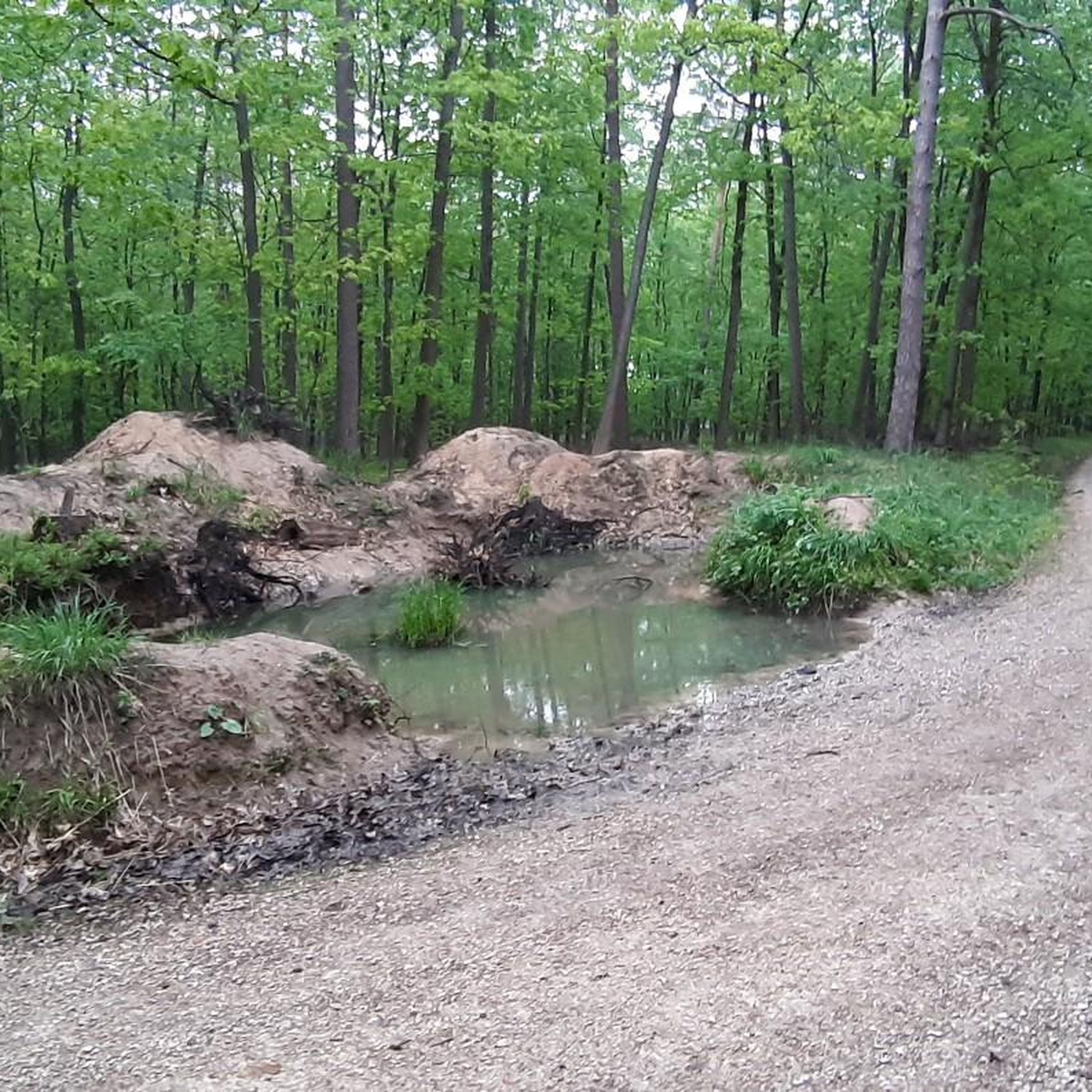
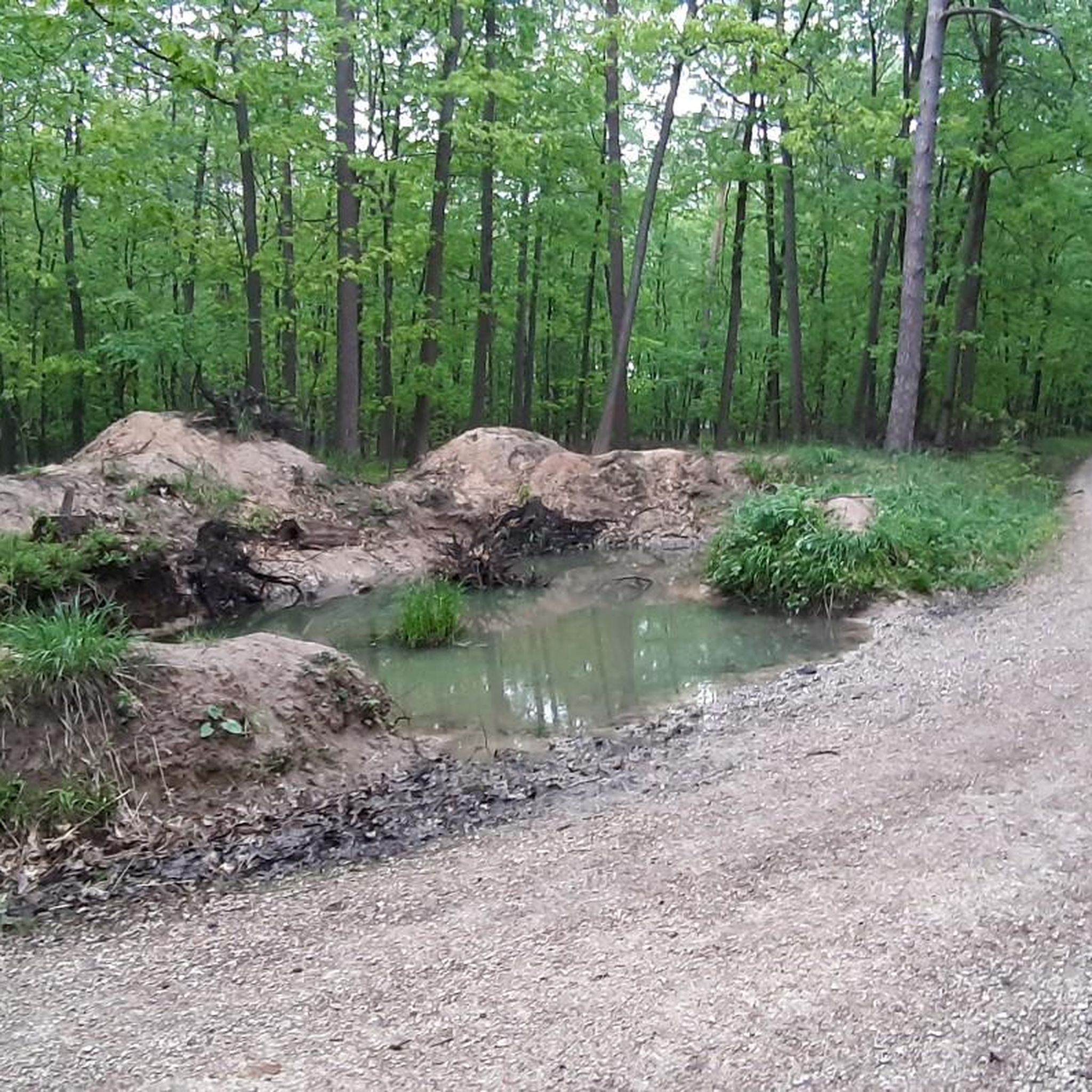
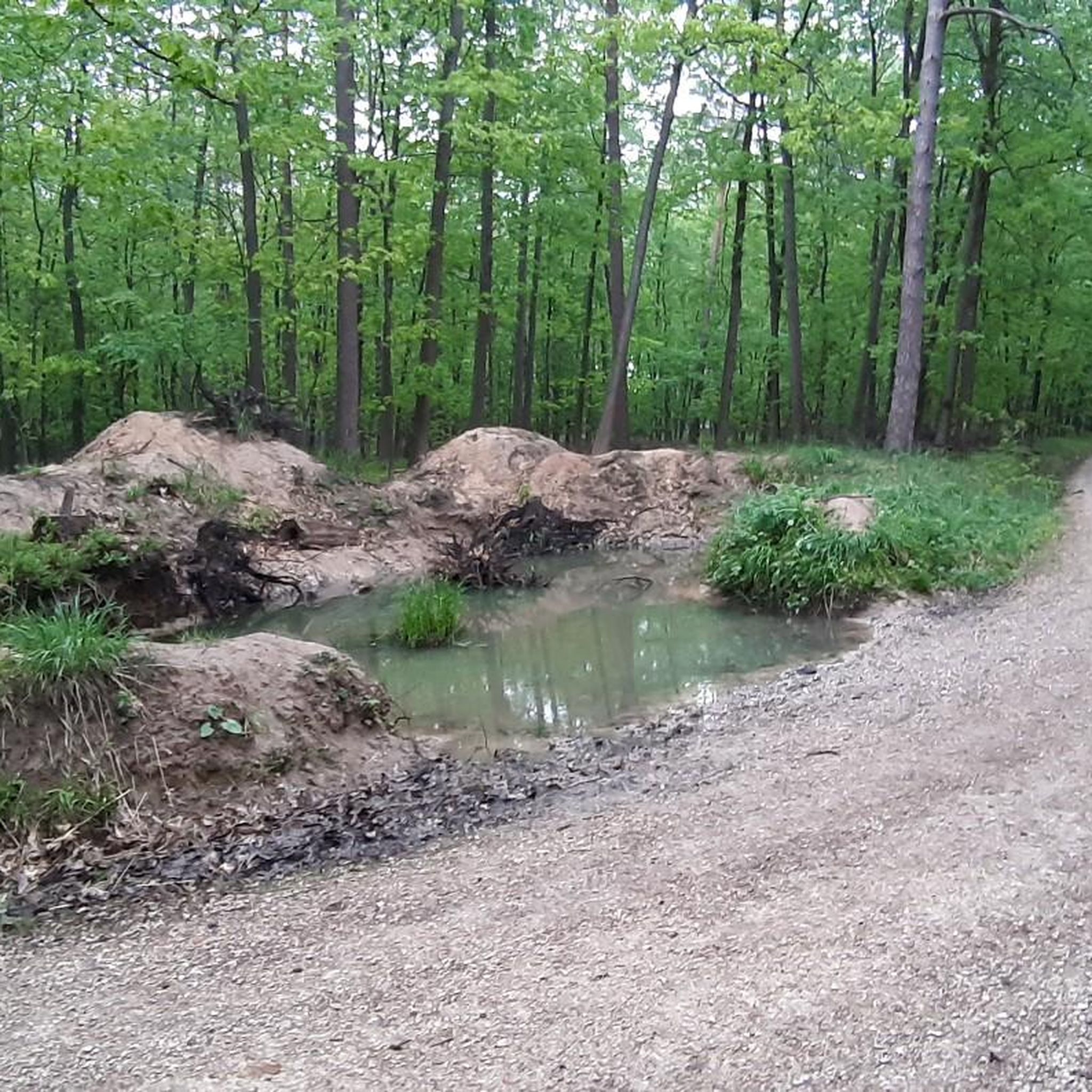
The spring water is safe to drink, although it has not been tested.
0
0


Very beautiful old town, the castle can be seen from far away coming from all directions. Restaurant, in modern German "event location" and venue for concerts and festivals.
1
0

Beautiful spring on the Sagen hiking trail
0
0

The 🔥 Dance Festival takes place here, the best medieval bands perform here in a beautiful setting.
1
0

In the 11th century the Abenberg family appeared. Under Count Adalbert II (before 1040 to after 1059) the first castle was built largely of wood. Under Count Rapoto (1122–1172) it was replaced between 1130 and 1140 by one of the most imposing stone castles in Bavaria (40 × 40 metres). The Abenberg noble family, whose last Count Friedrich II was praised by Tannhäuser in the 13th century for promoting poetry, died out around 1200.[1] In 1236 the town and castle came through marriage to the Hohenzollerns, the then burgraves of Nuremberg (see also Konrad IV.), after the male line of the Abenbergs had died out with Count Friedrich II. Between 1230 and 1250, the people of Nuremberg replaced the Salian-era building with a partially new building, which they hardly ever used. For this purpose, the circular wall was demolished and the main castle expanded to twice its size. The front was thickened and the fortified castle gate was built on the south-east corner. The ring wall built at that time is the oldest preserved part of the castle. In 1296 the castle was sold to the Prince Bishopric of Eichstätt, which set up a caretaker office there and reinforced the weakly fortified north-west corner with a square tower. In the 15th, 16th and 17th centuries a number of alterations were made. From 1496, the eastern front was provided with new nursing buildings. New farm buildings were built inside the castle. In the period that followed, the castle fell into disrepair. In 1799 the St. Otmar's Chapel collapsed. In 1806, the Kingdom of Bavaria came into possession of the castle through secularization and sold it to Max Freiherr von Welden to be demolished. It was not until 1875 that the Munich art dealer K. J. Zwerschina acquired Abenberg Castle and saved the castle from total destruction. He rebuilt some towers, such as the 33 meter high Luginsland. The next owner, the Kammersänger Anton Schott, continued Zwerschina's work between 1881 and 1913. After that, however, the castle fell into disrepair again. The city of Abenberg first acquired half of the castle in 1982 and the rest in 1984. In order to be able to finance renovation and maintenance, on March 8, 1986, together with the district of Roth and the district of Middle Franconia, it founded the Abenberg Castle special purpose association, which took over the castle as the owner . The aim was to preserve the monument and to revitalize it culturally. An operating concept was developed in the form of a museum and a restaurant. https://de.wikipedia.org/wiki/Burg_Abenberg
4
0
One of the most picturesque places on the Heidenberg
1
0
Frequently Asked Questions
What natural features can I explore around Dechenwald?
Dechenwald is primarily a natural forested area. You can discover several natural monuments, such as the Marienquelle Spring, known for its cool, tasty water and nearby seating. The Heidenberg Sandstone Quarry features impressive large sandstone formations within the forest, offering a unique geological sight.
Are there any historical sites or landmarks to visit?
Yes, the area around Dechenwald offers historical points of interest. The Luderloch Cave is a notable historical site and a station on the Büchenbach legend hiking trail, complete with an informative display board about local stories. Further afield, the City of Abenberg boasts a historic castle with a rich past, offering a glimpse into the region's heritage.
What are the best hiking trails near Dechenwald?
For an idyllic forest walk, consider the Quellensteig Trail (Heidenberg), an intermediate path that winds past various springs, including the Marienquelle and Josephaquelle, featuring bridges and stairs. For more options, you can find several routes in the Easy hikes around Dechenwald guide, including the 'Pond on the Witzeweg – Limbach Valley loop' and 'Hirtenbrunnen Lanzendorf loop'.
Are there family-friendly activities or attractions in the area?
Yes, several attractions are suitable for families. The Marienquelle Spring is a pleasant spot for a break with seating. The Luderloch Cave, with its legend display board, can be an engaging stop for children. The City of Abenberg and its castle also offer family-friendly experiences.
What kind of cycling routes are available around Dechenwald?
The region offers various cycling opportunities. You can explore routes like the 'View of Kammerstein – Kitschendorf pond loop' or the 'Aurachtal Nature Trail – Rest Area in Grund loop'. For more detailed information and additional routes, refer to the Cycling around Dechenwald guide.
Can I find gravel biking trails near Dechenwald?
Absolutely. The area provides options for gravel biking, such as the 'Gustenfelden Village Center – Forest trail near Wildenbergen loop' or the more challenging 'Scenic Forest Road – Heilsbronn Minster loop'. Discover more routes in the Gravel biking around Dechenwald guide.
What do visitors enjoy most about the attractions around Dechenwald?
Visitors particularly appreciate the natural beauty and tranquility of the area. The Quellensteig Trail is praised for its idyllic setting and the soothing sound of water. The Heidenberg Sandstone Quarry is noted for its impressive formations and the fun MTB trails around it. The historical sites like The Luderloch Cave also captivate visitors with their local legends.
Is Dechenwald suitable for dog-friendly walks?
Given its nature as a completely wooded, uninhabited state forest, Dechenwald is generally suitable for dog walks, offering a natural environment for exploration. Always ensure dogs are kept under control and follow local regulations regarding pets in natural areas.
Are there any viewpoints or scenic spots in Dechenwald?
While Dechenwald itself is a dense forest, the surrounding area offers scenic spots. The Marienquelle Spring provides a pleasant natural setting, and the City of Abenberg, with its castle, offers elevated perspectives of the surrounding landscape.
What is the best time of year to visit Dechenwald?
As a forested area, Dechenwald is enjoyable throughout the year, with each season offering a different experience. Spring brings fresh greenery and blooming flora, summer provides cool shade, autumn showcases vibrant foliage, and winter offers a serene, snow-covered landscape. The best time depends on your preferred outdoor activity and scenery.
Are there any cafes, pubs, or accommodation options directly within Dechenwald?
Dechenwald is an uninhabited state forest, so there are no cafes, pubs, or accommodation options directly within its boundaries. For such amenities, you would need to visit nearby towns or villages. The City of Abenberg, for instance, has a restaurant within its castle.
Most popular attractions around Dechenwald

Get inspired with the komoot mobile app


Explore more
Still not found the Highlight you’re looking for? See guides of the top attractions in other regions:
