The best road cycling routes around Charneca
4.2
(72)
3,491
riders
133
rides
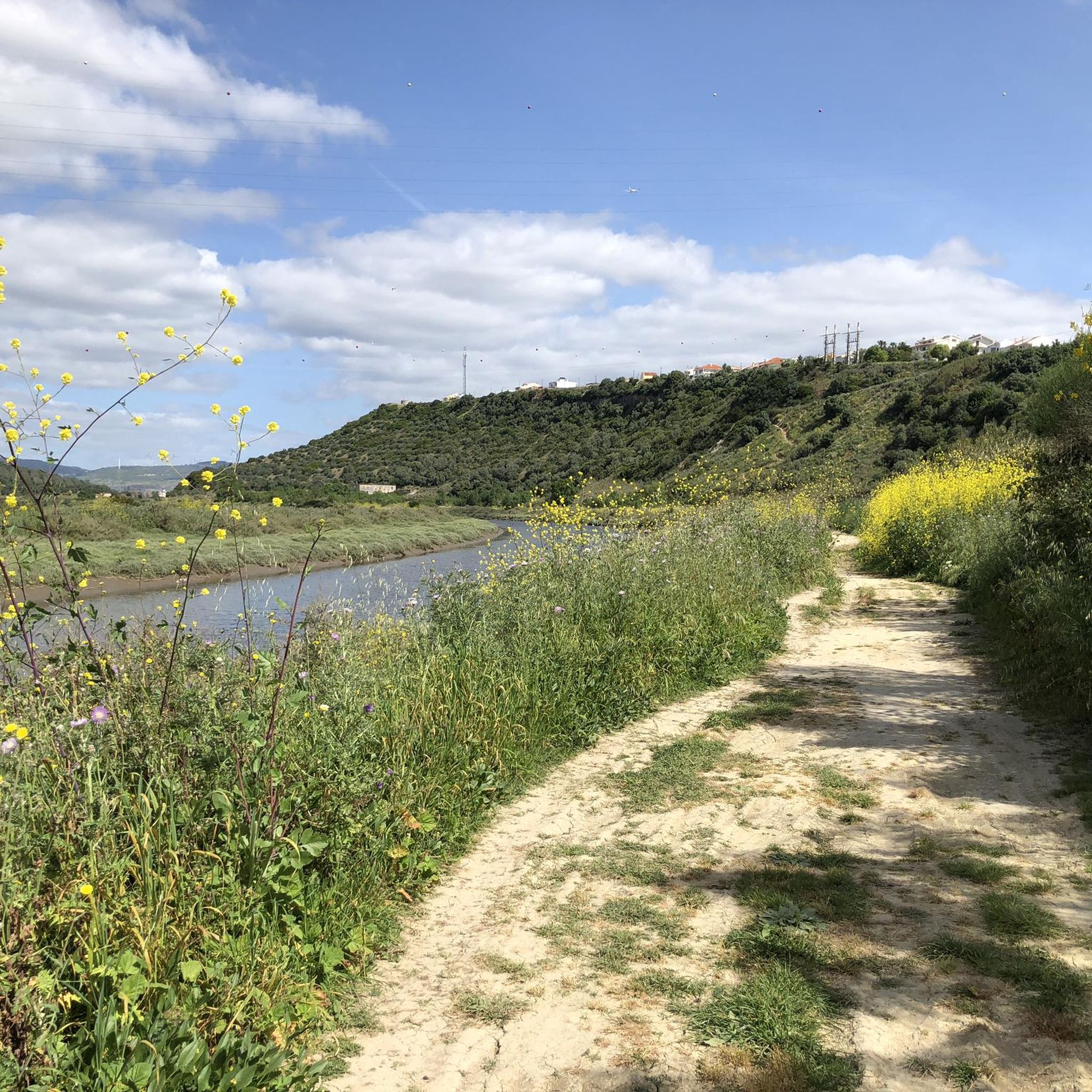
Road cycling routes around Charneca traverse a landscape characterized by extensive coastlines, sandy beaches, and protected pine forests. The region offers varied terrain, including coastal roads and sections that move inland. Coastal cliffs are integrated into several routes, providing elevation changes. This area provides a mix of paved surfaces suitable for road cycling.
Best road cycling routes around Charneca
- The most popular road cycling route is Círculo de Lisboa Mural – Nicola Café loop from Ameixoeira, a 38.4 miles…
Last updated: October 13, 2026
4.0
(1)
102
riders
Moderate road ride. Good fitness required. Mostly well-paved surfaces and easy to ride.
69
riders
82.6km
03:54
950m
950m
Hard road ride. Very good fitness required. Some segments of this route may be unpaved and difficult to ride.

54
riders
61.2km
03:18
400m
390m
Moderate road ride. Good fitness required. Some segments of this route may be unpaved and difficult to ride.
4.0
(1)
39
riders
119km
05:19
1,090m
1,090m
Hard road ride. Very good fitness required. Some segments of this route may be unpaved and difficult to ride.
5.0
(1)
33
riders
54.1km
02:39
780m
780m
Moderate road ride. Good fitness required. Mostly well-paved surfaces and easy to ride.
Get access to more routes and recommendations from other explorers.
Already have an account?
Our route recommendations are based on thousands of hikes, rides, and runs completed by other people on komoot.
Start today with a free account
Your next adventure awaits.


Tips from the Community

The monument materializes the pride of a community whose livelihood, art, and progress have historically been linked to the workshops and the hardness of stone work. The centerpiece of the tribute stands out for its use of noble materials from the region itself. It consists of a pink-toned marble column, erected as a symbol of the local artisans' verticality, strength, and mastery.
11
0

The elevator to the top of the tower, with its fantastic view, costs 10 euros. There's a bar at the top with exorbitant prices.
7
1
Groups often perform small concerts or dance events under the wonderful prestressed concrete ceiling.
5
1
Ingenious: you have to look closely to see what kind of junk the Lynx is made of.
5
1

The Portuguese Pavilion at the 1998 World's Fair (Expo'98), begun in 1995 and completed in 1998, housed the Portuguese national representation at that event and remains in operation to this day. The project was developed by architect Álvaro Siza Vieira. The building's entrance area is a large plaza covered by an imposing prestressed concrete canopy, based on the concept of a sheet of paper resting on two bricks, opening the space to the city to host the various events that a venue of this scale hosts. https://pt.m.wikipedia.org/wiki/Pavilh%C3%A3o_de_Portugal
1
1

Right next to the giant Iberian Lynx sculpture in Parque das Nações—created by street artist Bordalo II from recycled plastic—there’s a hidden spot most visitors overlook. If you turn your back to the lynx and stroll toward the Vasco da Gama Tower, you’ll find a quiet bench with a sweeping view of the Tagus and the park’s striking modern architecture. It’s a rare place where you can take in both the wild, colorful street art and the calm of the river at the same time. Hardly any tourists stop here, which makes it perfect for catching your breath or snapping a unique photo.
3
0

Very busy road on work days but completely empty on weekends. Perfect for a short ride in the city.
0
0

Can't agree that the Expo 98 area has already fallen into disrepair, quite the contrary, it is one of the most well maintained areas of the Lisbon city. There are places where some maintenance should be done, but it is far from fallen into disrepair. The International Exhibition Expo'98 - Lisbon took place in 1998, with a focus on the oceans and their future importance. Several exceptional structures were built for the event, and one of the most spectacular was the Portuguese National Pavilion, which includes a parabolic arched membrane slab roof cast in Lightweight Concrete (LWAC). The canopy dimensions are 65m x 50m, and the slab thickness is 20 cm. Project authorship: Architect Siza Vieira
3
0
Frequently Asked Questions
How many road cycling routes are available in Charneca?
Charneca offers a wide selection of road cycling routes, with nearly 150 different tours to explore. These routes cater to various skill levels, from easy to difficult.
What kind of terrain can I expect on road cycling routes in Charneca?
Road cycling in Charneca features diverse terrain. You'll find extensive coastlines with sandy beaches, offering scenic routes, as well as sections traversing protected pine forests and dunes. Many routes also incorporate coastal cliffs, providing varied elevation changes. The emphasis for road cycling is on paved surfaces, ensuring a smooth ride.
Are there family-friendly road cycling routes in Charneca?
Yes, Charneca has options for families. There are 16 easy road cycling routes that are generally suitable for a more relaxed pace. Additionally, areas like the Parque Aventura da Charneca da Caparica offer walking and family activities, which can be combined with shorter cycling excursions.
Where can I find parking for road cycling routes in Charneca?
For coastal routes, parking is often available near the beaches and along the promenade of Costa da Caparica. For routes venturing inland, look for parking facilities near known attractions or starting points. The Parque Aventura da Charneca da Caparica, for instance, is a good reference point for family activities and likely has parking options.
Can I access road cycling routes in Charneca using public transport?
Charneca de Caparica's proximity to Lisbon means it is well-connected by public transport. Cyclists can often use local bus services or train lines to reach starting points for routes, especially those closer to urban centers or coastal towns. It's advisable to check specific transport options and bike carriage policies for your chosen route.
What are some notable landmarks or viewpoints along the road cycling routes?
While cycling, you can enjoy stunning views of Lisbon and the Tagus River from various points. The Santa Luzia viewpoint is particularly known for its panoramic vistas. You might also pass by natural features like the Eduardo VII Park Viewpoint or the Alameda Luminous Fountain. Some routes, like the Waterfall Mural – Forca Viewpoint loop from Odivelas, specifically highlight viewpoints.
What do other road cyclists enjoy the most about road cycling in Charneca?
The road cycling experience in Charneca is highly rated by the komoot community, with an average score of 4.1 stars from over 130 reviews. Cyclists frequently praise the diverse landscapes, which include scenic coastal paths, tranquil pine forests, and challenging sections along coastal cliffs. The variety of routes, catering to different ability levels, is also a significant draw.
Are there any loop routes for road cycling in Charneca?
Yes, many road cycling routes in Charneca are designed as loops, offering convenient starting and ending points. For example, the Círculo de Lisboa Mural – Nicola Café loop from Ameixoeira is a popular moderate loop, and the more challenging Air Museum – Círculo de Lisboa Mural loop from Quinta das Conchas also follows a loop format.
What is the best time of year for road cycling in Charneca?
Charneca de Caparica generally offers pleasant cycling conditions for much of the year. The coastal climate means milder winters and warm, but often breezy, summers. Spring and autumn are particularly ideal, with comfortable temperatures and less crowded routes, making it perfect for exploring the diverse landscapes.
Are there cafes or places to stop for refreshments along the road cycling routes?
Given the region's popularity, especially along the coast and near towns, you'll find numerous cafes and restaurants. The beach promenade of Costa da Caparica is lined with establishments. For routes venturing inland, it's always a good idea to check your map for towns or villages where you can find refreshment stops.
What are the difficulty levels of road cycling routes in Charneca?
The routes in Charneca cater to a range of abilities. You'll find 16 easy routes, 65 moderate routes, and 67 difficult routes. This variety ensures that both casual riders and experienced cyclists seeking a challenge can find suitable options, with difficult routes often featuring significant elevation gains.
Can I find routes that offer views of the Tagus River or Lisbon?
Absolutely. Several road cycling routes in Charneca provide excellent opportunities to enjoy views of the Tagus River and the Lisbon skyline. The Santa Luzia viewpoint is a prime example, and routes that traverse higher ground or coastal cliffs often offer expansive vistas of the surrounding area, including the iconic Eduardo VII Park Viewpoint.
Most popular attractions around Charneca

Get inspired with the komoot mobile app


Explore more
Browse the best Road cycling routes in other regions.
