Top 20 Castles around Eschweiler
Best castles around Eschweiler offer a journey through the region's historical landscape. Eschweiler, located in Germany, features a blend of architectural styles across its historical sites, many of which exist as ruins or with limited remnants. These locations provide insights into medieval fortifications and subsequent modifications, reflecting centuries of history. The area's castles are often situated amidst natural settings, providing a unique blend of cultural and outdoor exploration.
Best castles around Eschweiler
- The most popular castles is Laufenburg Castle,…
Last updated: October 9, 2026
Laufenburg Castle
Highlight • Castle
Translated by Google •
Tip by

Wilhelmstein Castle
Highlight • Castle
More information at burgwilhelmstein.de.
Translated by Google •
Tip by

Sign up now to discover places like this
Get recommendations on the best single tracks, peaks, & plenty of other exciting outdoor places.
Schloss Kellenberg
Highlight • Castle
Source: Wikipedia
Translated by Google •
Tip by

Frankenberg Castle
Highlight • Castle
More information at frankenberger-viertel.de.
Translated by Google •
Tip by

Stolberg Old Town
Highlight • Historical Site
Showing Translation
Tip by

Sign up for free to discover even more castles around Eschweiler.
Already have an account?
Start today with a free account
Your next adventure awaits.
Popular around Eschweiler
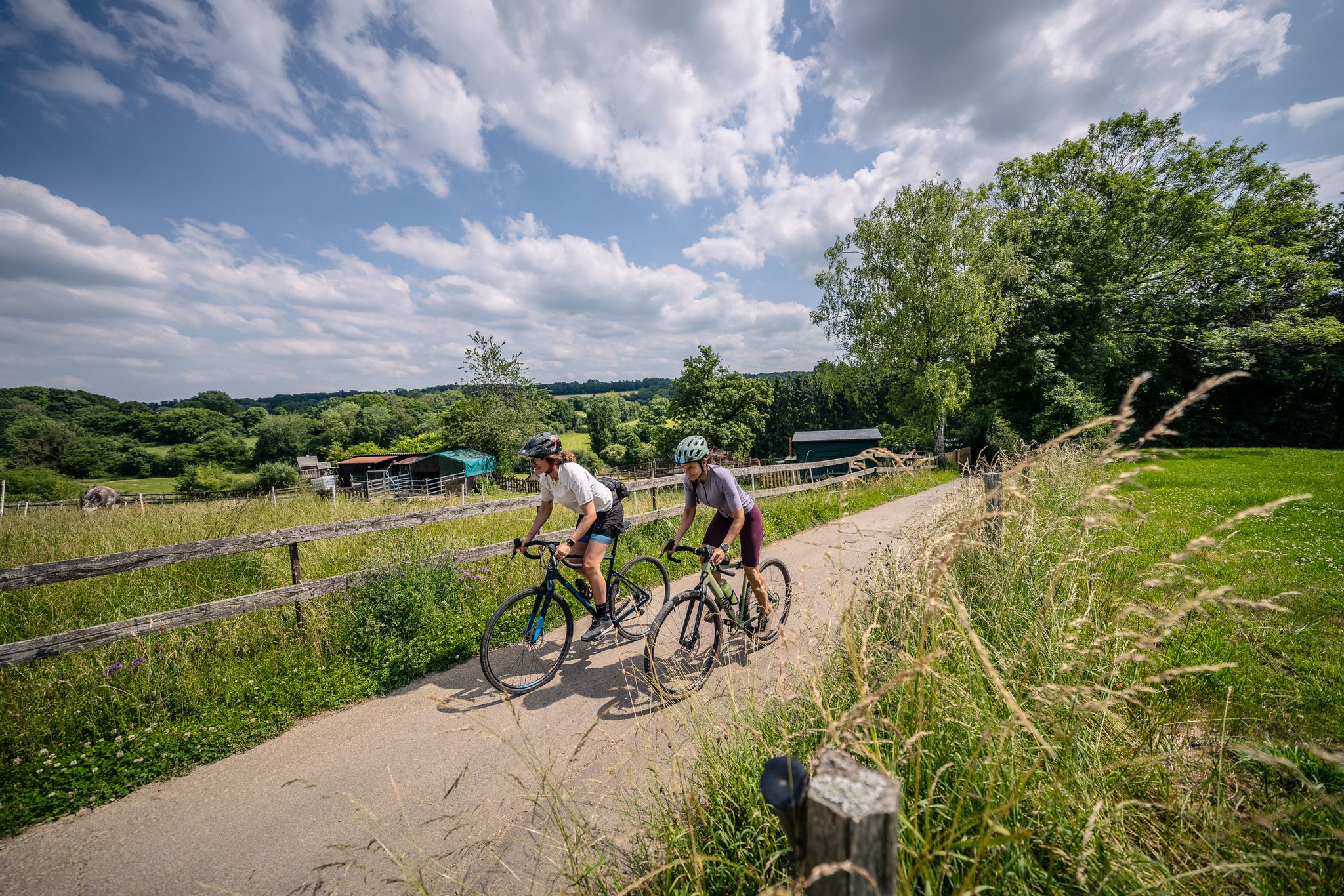
Gravel at its finest – rides around Aachen
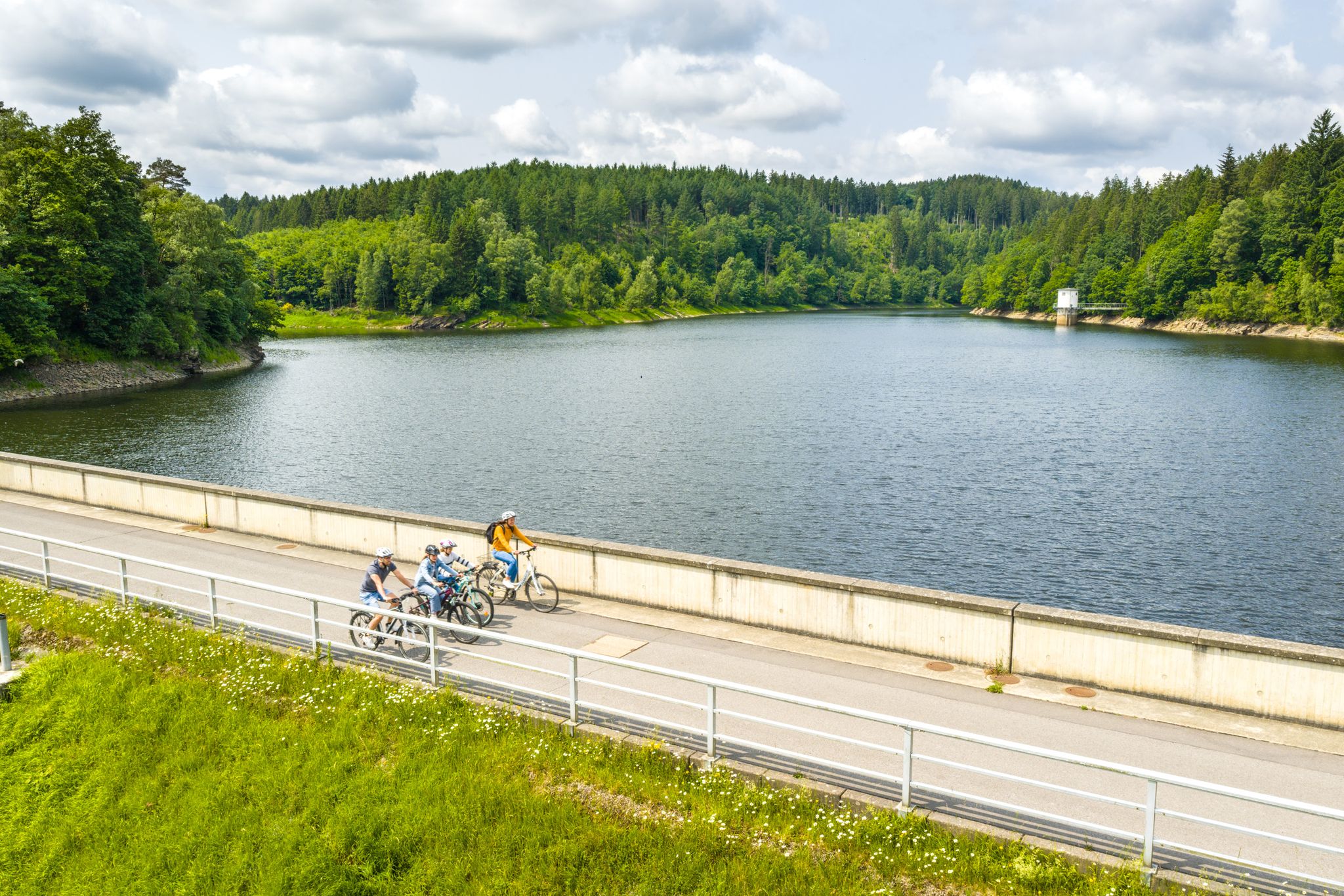
Aachen Time Loops – cycling from the past to the future
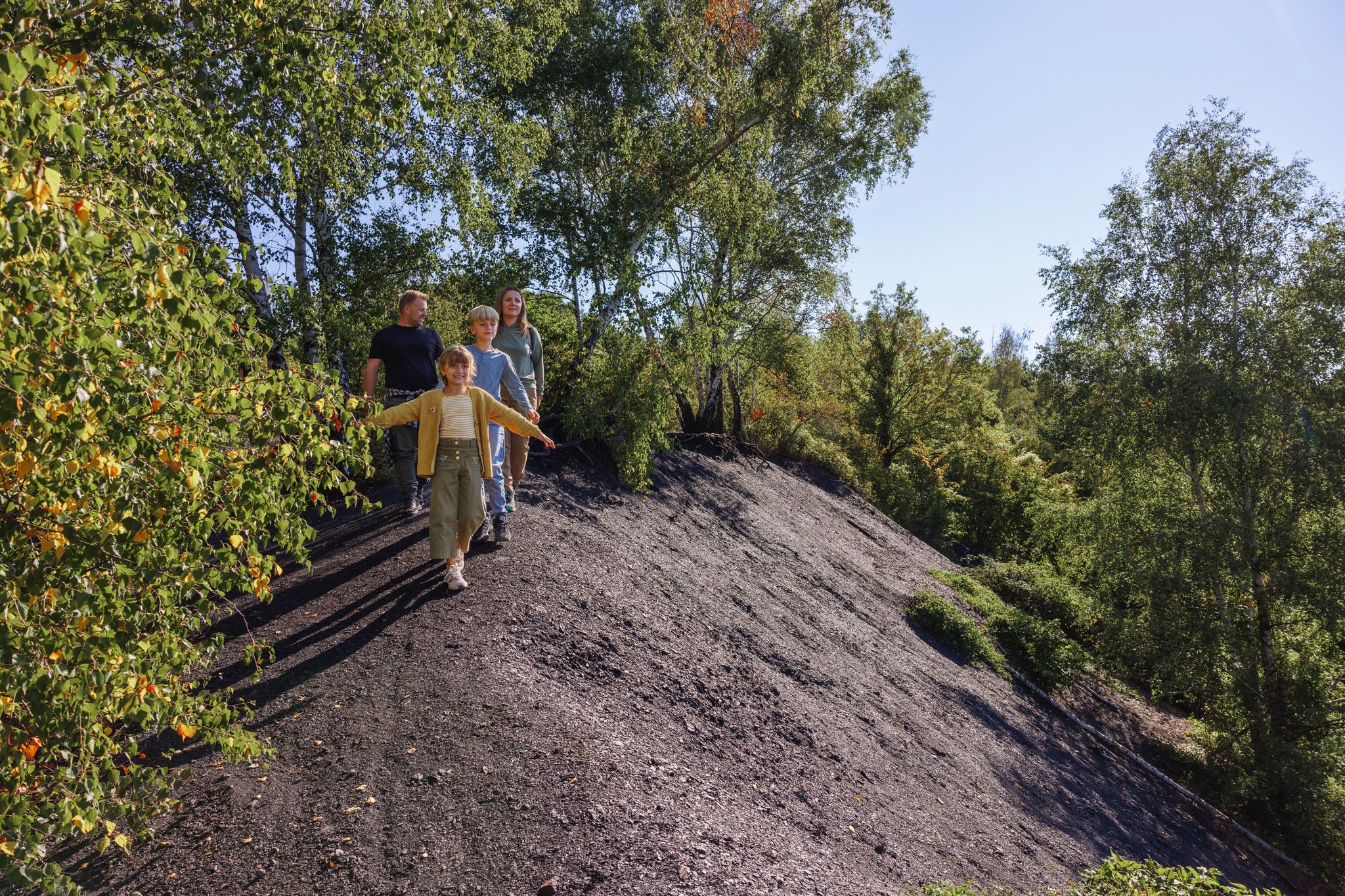
From coal to natural treasures – hiking in the Aachen Region
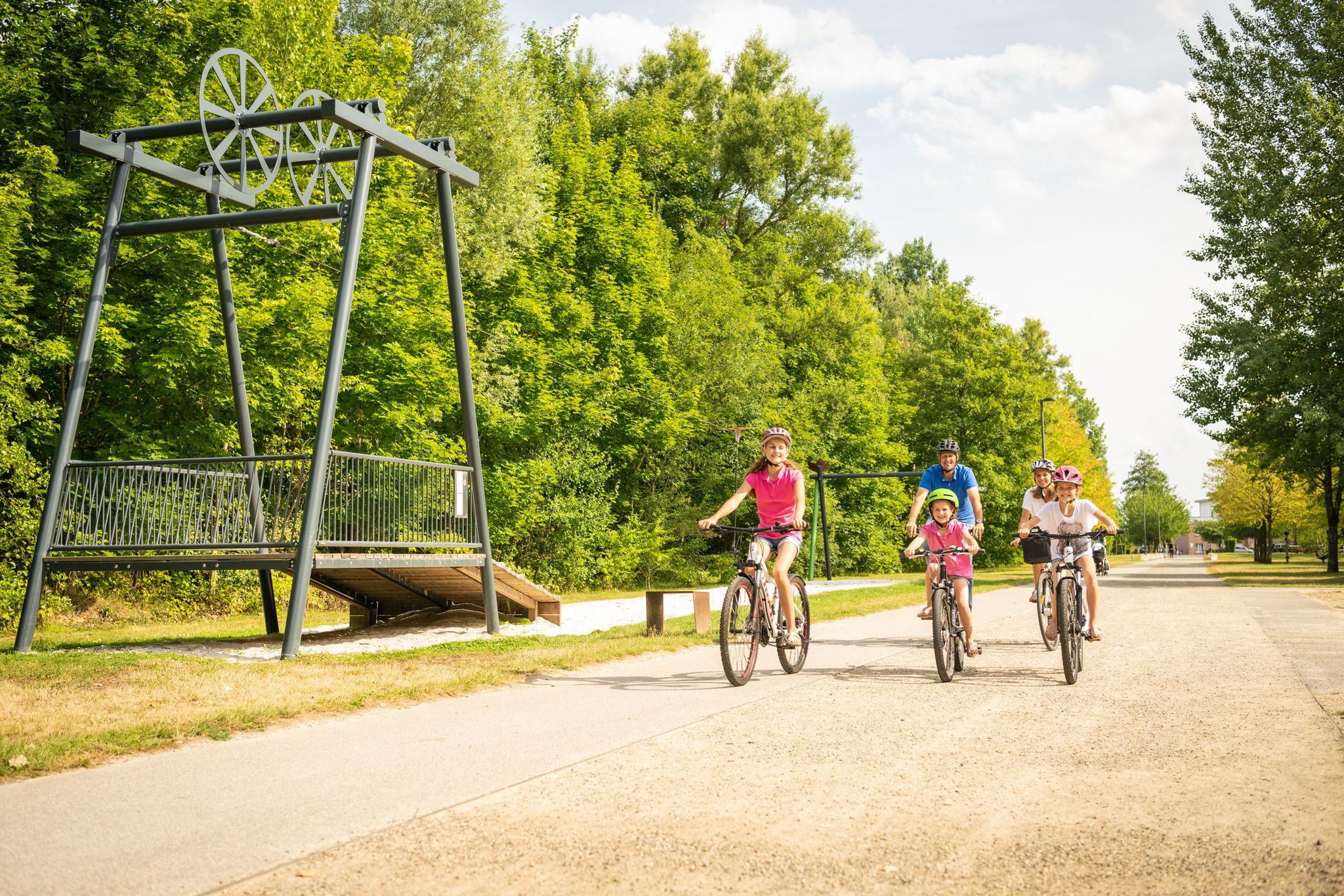
Between mining and castles – bike Tours in the Aachen region
The most beautiful swimming lakes in North Rhine-Westphalia
Cycling around Eschweiler
Hiking around Eschweiler
Road Cycling Routes around Eschweiler
Running Trails around Eschweiler
MTB Trails around Eschweiler
Other adventures around Eschweiler


Tips from the Community

The small squares and alleys of the old town are picturesque.
16
0
The Laufenburg was built in the 12th century by the Dukes of Limburg. Since the 17th century it has only existed as a ruin. In 1895 the battlements of the round corner towers were renewed. The current restaurant is closed on Mondays.
12
0

Small winding alleys with houses made of local limestone and carved bluestone on doors, windows, and wall edges greet you on a walk through the old town of Stolberg. While strolling, you can take your time to admire the traditional house facades and notice that, despite the long development history of the old town and its industrial character, a homogeneous appearance has emerged. You walk through Burgstraße, Schartstraße, Klatterstraße, and Enkerestraße, which were the main streets until the end of the 19th century. Arriving at Klatterstraße, you stand before the oldest preserved half-timbered house from 1529. Next to it is the house numbered 12 from the 18th century, which used to be a brewery. In its cellars, there was a water channel (moat) from the fortification that cooled the beer. Your walk finally ends at the castle rock, showing you Stolberg's landmark, the defiant medieval castle from the 12th century. It towers on a limestone rock above the old town of Stolberg and looks back on a 500-year construction history. You can visit the castle on a guided tour lasting about 1.5 hours to get a better impression of the building and its history. Last but not least, you can admire the copper courtyards in the valley axis near the Vichtbach stream. These early modern courtyard complexes are another characteristic feature of the town. However, you will not encounter uniform buildings, but rather very individual courtyards. In the pre-industrial residential and commercial complexes are copper courtyards that resemble palaces or are reminiscent of simple workshops. You should allow enough time for a visit to the old town, the castle, and the copper courtyards, so that you can visit everything at a relaxed pace. Source: https://www.eifel.info/a-historischer-altstadtkern
6
0

Stolberg's Old Town is one of the historic town centers of North Rhine-Westphalia and part of Oberstolberg in the copper town of Stolberg in the Aachen metropolitan region. The old town dates back to the city's origins and, together with Stolberg Castle, forms Stolberg's historic town center. The oldest streets and alleys are located near the castle. Several half-timbered houses in the late Gothic style have been preserved; the area is dominated by historic quarry stone houses made of dolomite limestone, whose window and door frames, corner blocks, and other supporting and decorative elements are made of bluestone. Over 100 buildings are listed as historical monuments, and numerous sculptures can be found here. Stolberg's oldest copper courtyards are also located here. The castle stands on a limestone rock. It dates back to the 15th century; a predecessor building dates back to the 12th century.
6
0

Nice park and small castle. More information: https://burgfrankenberg.de/
8
0

The description at the very end of the comments tells the basics about the castle.
6
0

Right at the beginning of the Vennbahnweg, right next to a concrete bunker, is the historic and exceptionally well-preserved residential building of Frankenberg Castle.https://de.wikipedia.org/wiki/Burg_Frankenberg_(Aachen)
8
0

Frequently Asked Questions
What are the most notable castles to visit in and around Eschweiler?
Eschweiler and its surroundings offer several historically significant castles. Key sites include the ruins of Nothberg Castle, the remnants of Eschweiler Castle in the city center, and the extensive ruins of Burg Weisweiler. Additionally, the impressive Laufenburg Castle and Wilhelmstein Castle are popular destinations. While not directly in Eschweiler, Frankenberg Castle in Aachen and Stolberg Castle in nearby Stolberg (Rheinland) are also significant regional attractions.
Are there any well-preserved castles or are they mostly ruins?
The castles in the immediate Eschweiler area are a mix. Nothberg Castle and Burg Weisweiler exist primarily as ruins, offering a glimpse into their past grandeur. Eschweiler Castle only has three protected towers remaining. However, nearby Laufenburg Castle is beautifully preserved and well-maintained, and Stolberg Castle is an authentic medieval complex with significant preserved sections.
What kind of historical insights do these castles offer?
These castles provide a rich tapestry of history, showcasing architectural evolution from late Gothic to Renaissance styles, as seen at Nothberg Castle with its Italian influences. They reflect centuries of regional power struggles, noble families, and the changing nature of fortifications. Sites like Eschweiler Castle highlight urban development, while Burg Weisweiler reveals connections to prominent local families.
Are there family-friendly options among the castles near Eschweiler?
Yes, several castles are considered family-friendly. Laufenburg Castle, Wilhelmstein Castle, and Frankenberg Castle are all noted as family-friendly destinations. Stolberg Castle also offers a museum and events that can be engaging for families.
What outdoor activities can I do near these castles?
The castles are often situated amidst natural settings, providing opportunities for outdoor exploration. You can find various hiking and running trails nearby. For example, there are numerous easy hikes around Eschweiler, including routes like "WasserWeg Blausteinsee" and loops around the Eschweiler Forest. For more options, explore the easy hikes around Eschweiler guide or the running trails around Eschweiler guide.
Are there restaurants or cafes available at or near the castles?
Yes, some castles offer dining options. Laufenburg Castle has a traditional restaurant, and Wilhelmstein Castle also features a restaurant on its grounds. Stolberg Castle includes a restaurant in its vaulted cellar and an outdoor café, providing convenient spots for a break during your visit.
How can I reach the castles using public transport?
Accessibility varies by castle. Nothberg Castle, for instance, is accessible by regional train to Eschweiler-Nothberg station, as well as by foot or car. For other locations, it's advisable to check local public transport schedules, as some might require a combination of train/bus and a short walk.
What is the best time of year to visit the castles around Eschweiler?
Visiting during spring or autumn often provides the most pleasant experience, with mild weather ideal for exploring ruins and enjoying nearby trails. Summer can also be good, though it might be warmer. Winter visits offer a different, often quieter, atmosphere, but some outdoor facilities or events might be limited.
Are there any castles that offer unique viewpoints?
Stolberg Castle, while not in Eschweiler itself, offers stunning panoramic views overlooking the Vichtbach creek and the surrounding hills. Its elevated position makes it an excellent spot for scenic photography and enjoying the landscape.
What happened to Haus Paland?
Unfortunately, Haus Paland, a former moated castle in Borschemich, was demolished between December 1 and 4, 2015, due to the Garzweiler II open-pit lignite mine. It is no longer a site that can be visited.
Can I find cycling routes that pass by these castles?
Yes, the region offers various cycling routes. For example, the "Cycle Path Along the L238 – Terra Nova Viewpoint loop from Eschweiler-Nothberg" is a moderate road cycling route. You can find more options in the road cycling routes around Eschweiler guide, which includes routes that may pass by or near some of the historical sites.
What makes Nothberg Castle historically significant despite being a ruin?
Nothberg Castle is significant for its blend of late Gothic and early Renaissance architecture, showcasing the influence of Italian master builder Alessandro Pasqualini. Despite its ruined state, it offers insights into medieval fortifications and subsequent Renaissance modifications. The active "Förderverein Nothberger Burg" also works towards its preservation and organizes events, making it a living historical site.
Most popular routes around Eschweiler
Most popular attractions around Eschweiler

Get inspired with the komoot mobile app


Explore more
Looking for the best castles somewhere else? Discover other guides around Eschweiler:
