Attractions and Places To See around Azueira - Top 20
Attractions and places to see around Azueira offer a blend of historical patrimony and natural beauty in the municipality of Mafra, Portugal. The region features significant landmarks such as the Solar da Quinta do Pato and various chapels and churches. Natural features include the expansive Tapada Nacional de Mafra, a royal park known for its diverse habitats. Visitors can explore both cultural sites and natural landscapes within Azueira and its immediate surroundings.
Best attractions and places to see around Azueira
…Last updated: July 1, 2026
Mafra National Palace
Highlight • Historical Site
Translated by Google •
Tip by

Tapada Nacional de Mafra
Highlight • Forest
Translated by Google •
Tip by

Sign up now to discover places like this
Get recommendations on the best single tracks, peaks, & plenty of other exciting outdoor places.
Sign up for free
Bridges Trail
Highlight (Segment) • Trail
Translated by Google •
Tip by

Cerco Garden
Highlight • Natural
Translated by Google •
Tip by
Republic Square and Statue of King John V, Mafra
Highlight • Monument
Translated by Google •
Tip by

Sign up for free to discover even more attractions around Azueira.
Sign up for free
Already have an account?
Start today with a free account
Your next adventure awaits.
Login or Signup

Tips from the Community

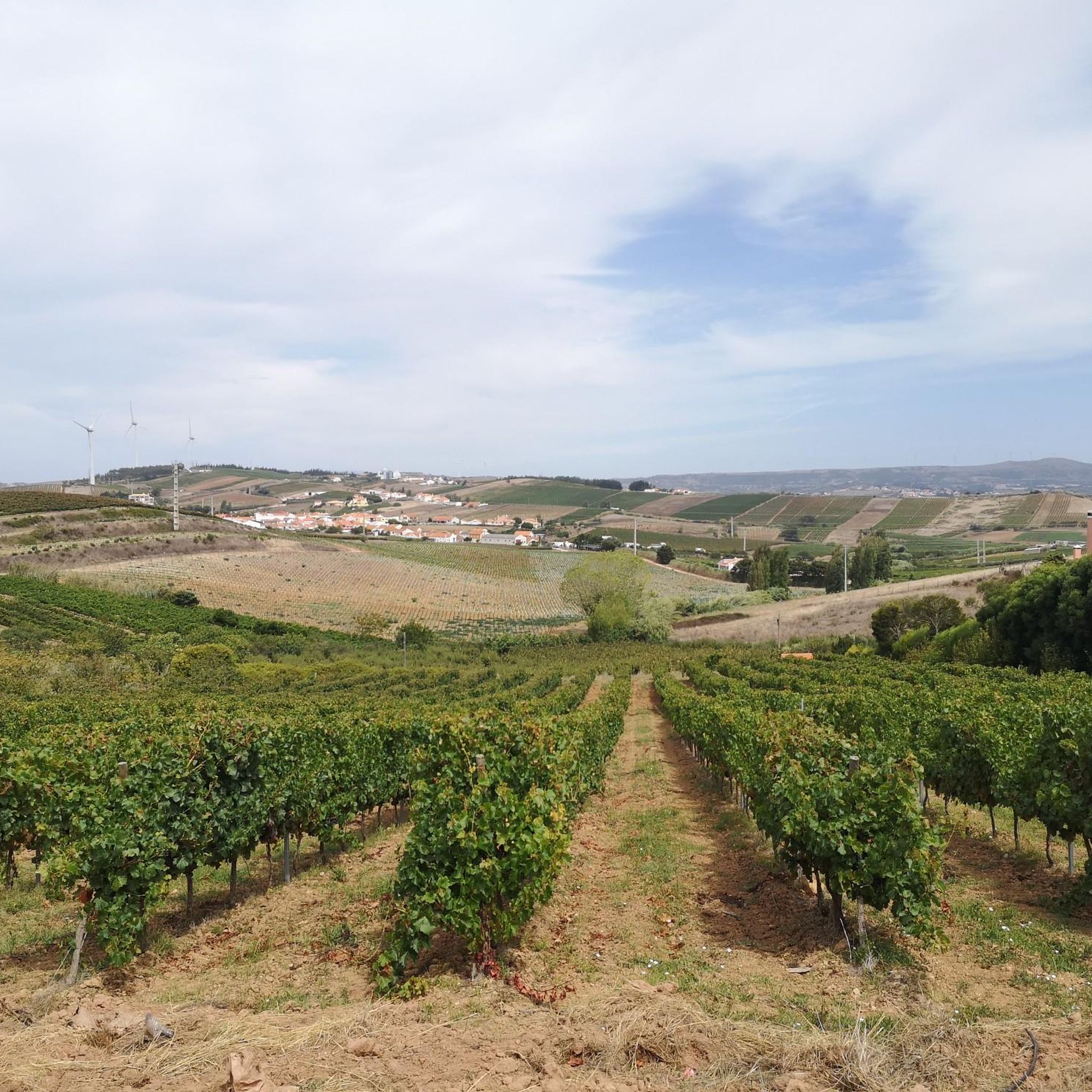
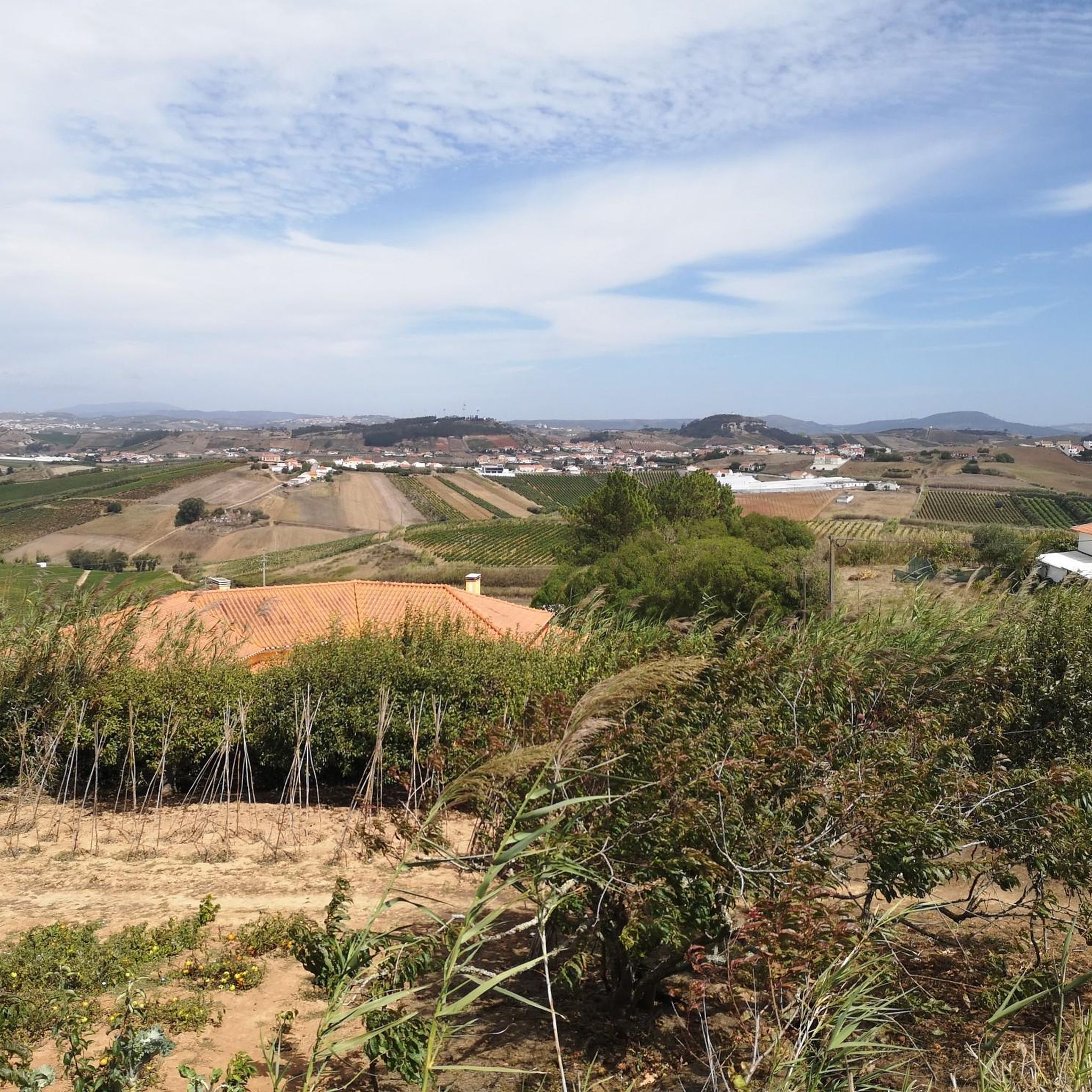
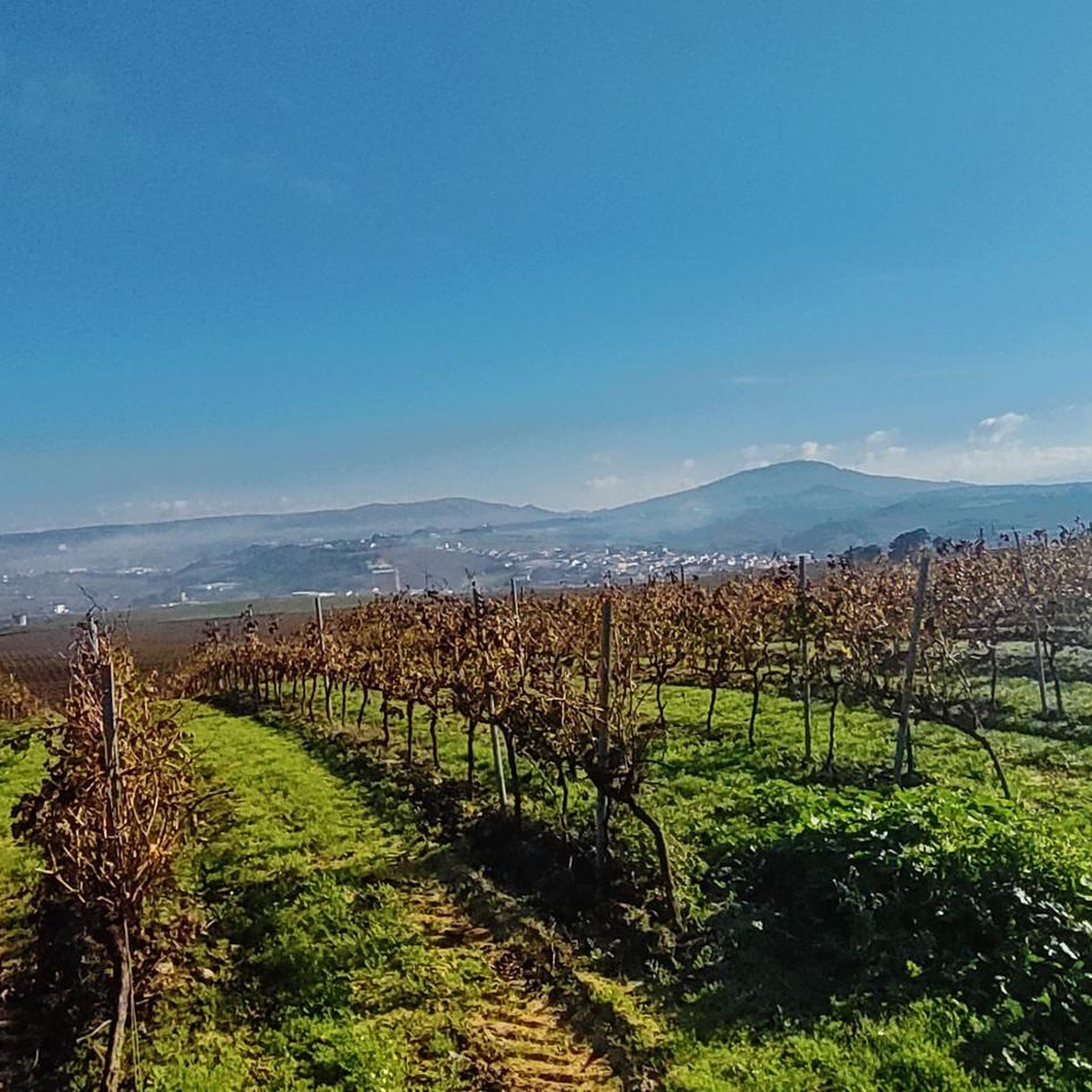
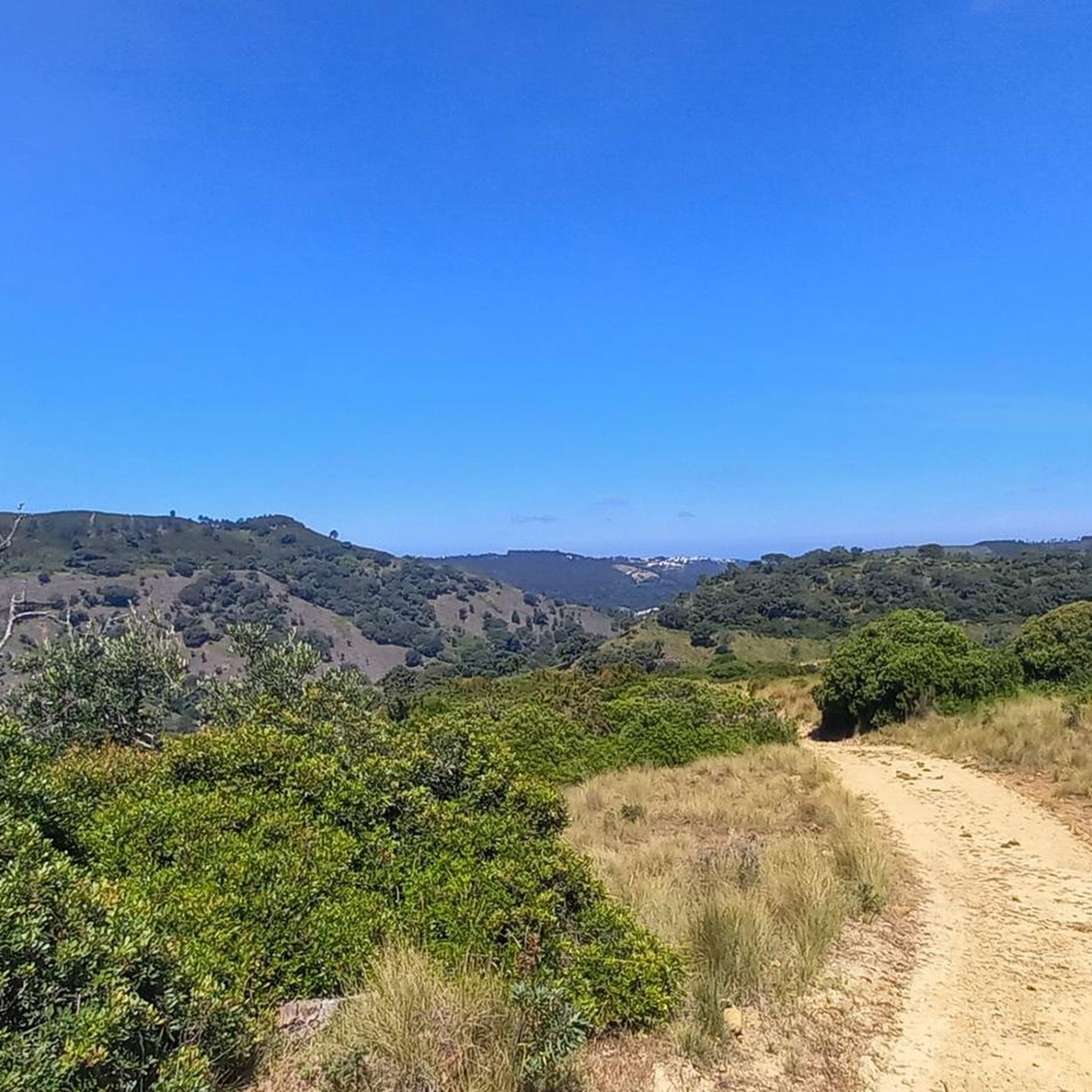
A spectacular trail, especially good in the spring, but always beautiful at other times of the year. 👍🥾🚲
0
0

The National Palace of Mafra, located in the town of Mafra, Portugal, is a monumental complex that includes a palace, a convent, a basilica, and the Tapada de Mafra (hunting grounds). Construction began in 1717, commissioned by King John V of Portugal in fulfillment of a vow for the succession of his wife, and it is the most important monument of Portuguese Baroque. Since 2019, the Palace has been a UNESCO World Heritage Site.
2
0

Just take a look in the mirror, and you'll recognize the true confirmation addict! Why are there two Andreas with the same profile picture? What's the point of these games? I document everything!
1
0

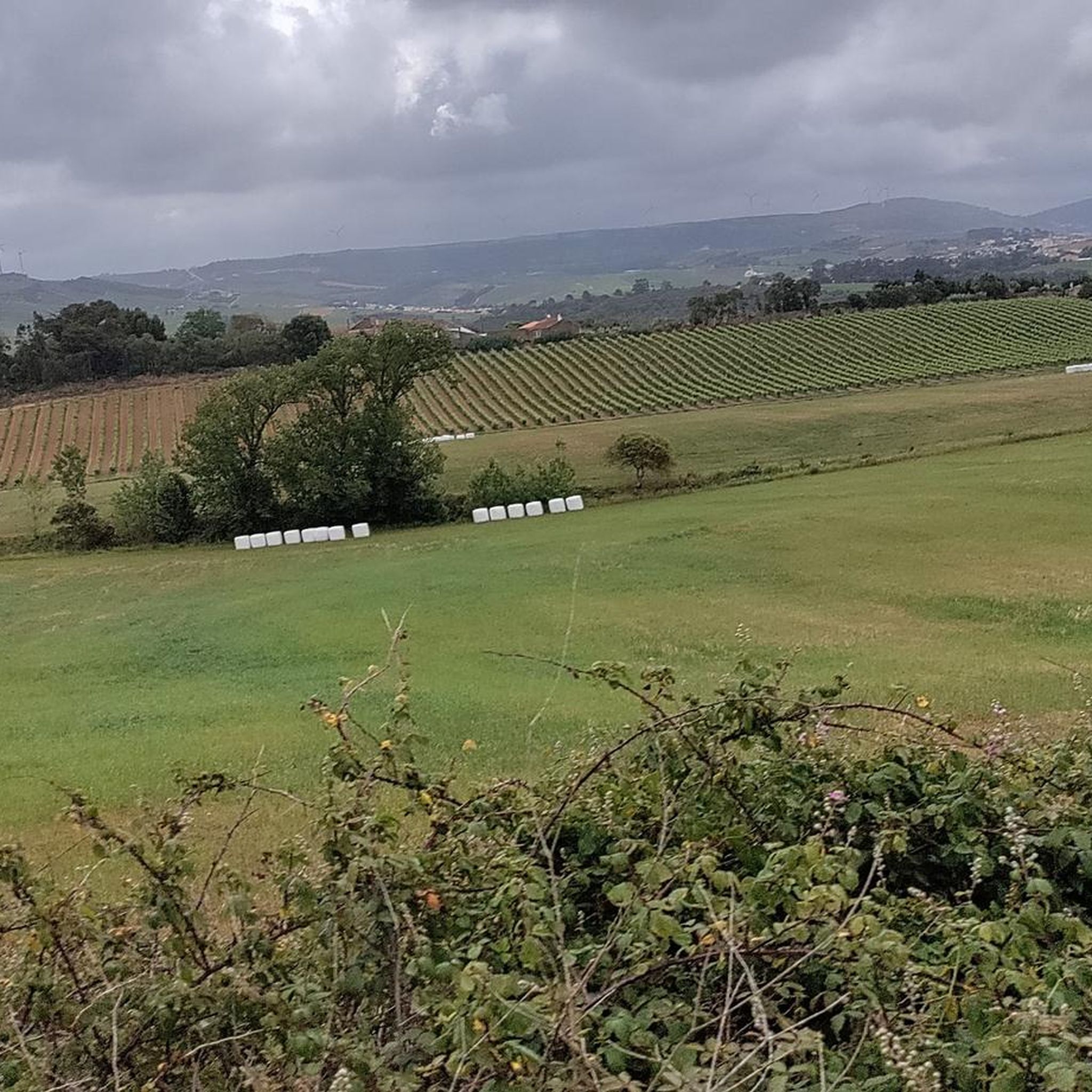
In early August 2025, the trail's surrounding brush is unsuitable for smooth passage. The overgrowth of brambles is obstructing the path.
3
0

"He tried to outdo the Spanish king by building even bigger and more pompous buildings." A true role model!
1
1

Baroque architectural complex comprising a Palace, a Basilica and a Convent, together with gardens and a vast Tapada, forming a historical heritage complex covering over 1,200 hectares, inscribed on the UNESCO World Heritage List in 2019. Built by order of King João V in fulfilment of a succession vow, Mafra Palace is one of the most important Baroque monuments in Portugal and one of the largest in Europe, occupying a construction area of 38,000 m2, with around 1,200 rooms, 5,200 doors and windows and 156 staircases. UNESCO has recognised this monument as a feat of architecture, engineering and human genius. Based on designs by Filippo Juvarra, its final design was carried out by the German Johann Friedrich Ludwig (João Frederico Ludovice) and construction was led by the kingdom's chief engineer, Custódio Vieira. The first stone was laid on 17 November 1717 and the Basilica was consecrated on 22 October 1730. The Basilica, inspired by the great churches of Rome, has one of the most significant collections of Italian sculpture of its time, with 58 statues, a large crucifix with archangels in adoration and three high reliefs, as well as an important collection of paintings, representing some of the most famous painters active in Italy and France in the early 1730s. The collection of vestments and liturgical implements is also very significant, due to its quality and rarity. The Palace Library is one of the most iconic spaces in the monument. With a refined selection of around 30,000 volumes, it is one of the exponents of Enlightenment knowledge representative of the court culture of the first half of the 18th century. Also noteworthy is the bell ringing ensemble, with 120 bells, which include two of the largest carillons of the 18th century, cast in Antwerp and Liège in the workshops of Willem Witlockx and Nicolas Levache, respectively. The bells are accompanied by two clocks dating from the first half of the 18th century, as well as four automatons for automatic music. Inside the Basilica is a set of pipe organs, unique in the world, consisting of six instruments designed to play together, built between 1792 and 1807 by the Portuguese organ builders António Machado e Cerveira and Joaquim Peres Fontanes. The Mafra Palace has been a member of the Association of European Royal Residences since 2009.
5
0
There used to be a bandstand on this square. This is where the festivities for the inauguration of the lights were held. Today it is a central square that, in addition to a few shops, also has a monument to Joao V.
10
3
Monument to the then King Joao V...a generous king but also a womanizer. He was particularly fond of nuns, four of his illegitimate children were born to nuns. He had the Palace of Mafra built in the 18th century. He tried to outdo the Spanish king by having it built even bigger and more pompously.
10
1
Frequently Asked Questions
What historical sites can I explore in and around Azueira?
Azueira and its surroundings offer a rich historical patrimony. A prominent site is the Mafra National Palace, an 18th-century Baroque palace, basilica, and convent, which is also a UNESCO World Heritage Site. Within Azueira itself, you can find the historic Solar da Quinta do Pato, the Capela de Santa Cristina with its adjacent Cruzeiro, the Igreja de São Pedro de Grilhões, the Igreja Paroquial, and the Ermida de Nossa Senhora do Codeçal.
Are there natural parks or reserves near Azueira for outdoor activities?
Yes, the Tapada Nacional de Mafra is a significant natural feature nearby. This royal park, spanning over 8 km², is a UNESCO World Heritage Site known for its diverse habitats and various animal species. It offers activities such as hiking, cycling, horse riding, and archery. You can also explore the Cerco Garden, an 8-hectare baroque garden adjacent to the Mafra National Palace, featuring water mirrors, paths, and ancient trees.
What kind of hiking trails are available near Azueira?
There are various hiking opportunities around Azueira, catering to different difficulty levels. For easy walks, consider trails like the 'Ribeirinho (Azul) trail in Tapada de Mafra' or the 'Cerco Garden Loop'. More moderate options include the 'Tojeira (Green) Trail' and the 'Taipas Trail (Red) in the National Tapada of Mafra'. You can find more details and routes in the Hiking around Azueira guide and the Easy hikes around Azueira guide.
Are there any family-friendly attractions in the Azueira region?
Absolutely. The Tapada Nacional de Mafra is excellent for families, offering wildlife viewing and various outdoor activities. The Cerco Garden, with its beautiful landscapes and waterfalls, is also a pleasant spot for families. Additionally, the Barril Sur windmill models provide a unique and engaging glimpse into the region's rural history, often enjoyed by children.
What unique cultural displays can I find near Azueira?
Beyond grand palaces, you can discover charming cultural displays. The Barril Sur windmill models are a delightful collection of miniature windmills, offering a unique insight into the traditional rural life of the region. These models are a popular attraction, showcasing a piece of local heritage.
What is the best time of year to visit Azueira for outdoor activities?
The region generally enjoys a mild climate. Spring (April to June) and early autumn (September to October) are often ideal for outdoor activities like hiking and cycling, as the weather is pleasant and the landscapes are vibrant. Summers can be warm, making early mornings or late afternoons preferable for longer excursions.
Can I go cycling near Azueira's attractions?
Yes, cycling is a popular activity. The Tapada Nacional de Mafra offers designated paths for cycling. For road cycling enthusiasts, there are several routes available, such as the 'Mafra National Palace – Cerco Garden loop from Jerumelo'. You can explore more options in the Road Cycling Routes around Azueira guide.
Are there any viewpoints offering scenic vistas around Azueira?
While specific named viewpoints in Azueira are not highlighted, the wider Mafra region and nearby Sintra offer stunning panoramic views. The Moorish Castle in Sintra, for instance, provides expansive views of the forests and the Atlantic Ocean. The Tapada Nacional de Mafra also offers picturesque natural landscapes.
What do visitors enjoy most about the attractions around Azueira?
Visitors frequently express awe at the grandeur of sites like the Mafra National Palace, noting its impressive size and historical significance. The natural beauty and diverse activities within the Tapada Nacional de Mafra are also highly appreciated. The unique charm of the Barril Sur windmill models is often cited as a delightful and memorable experience.
Are there any hidden gems or less-known spots worth visiting near Azueira?
Beyond the main attractions, Azueira itself holds several historical estates and religious sites that offer a quieter glimpse into local heritage. These include the Quinta da Abelheira and Quinta dos Brigadeiros, as well as the various chapels and churches mentioned earlier, such as the Capela de Santa Cristina. Exploring these local patrimonies can provide a deeper connection to the region's history.
Where can I find cafes or restaurants near the attractions in Azueira?
While specific establishments are not detailed in the guide, the town of Mafra, being home to the National Palace and Cerco Garden, offers various cafes and restaurants where visitors can dine or grab a coffee. Azueira itself, as a local parish, will also have local eateries, particularly in its central areas.
Is public transport available to reach attractions around Azueira?
Public transport options exist to reach the larger regional attractions. Mafra, for example, is accessible by bus from Lisbon. For attractions directly within Azueira or the Tapada Nacional de Mafra, local bus services might be available, but checking specific routes and schedules in advance is recommended for optimal planning.
Most popular attractions around Azueira

Get inspired with the komoot mobile app


Explore more
Still not found the Highlight you’re looking for? See guides of the top attractions in other regions:
