Attractions and Places To See around Agualva - Top 20
Best attractions and places to see around Agualva, located in the Lisbon Metropolitan Area, Portugal, offer a blend of local historical sites and convenient access to the region's renowned landmarks. The area provides access to significant cultural sites in nearby Sintra and Lisbon, alongside natural beauty. Visitors can explore historical monuments, palaces, and natural parks.
Best attractions and places to see around Agualva
- The most popular attractions is Belém Tower, a man-made monument that served as a fortress and…
Last updated: July 1, 2026
Sintra Historic Centre
Highlight • Settlement
Translated by Google •
Tip by

Pena Palace
Highlight • Castle
Translated by Google •
Tip by
Sign up now to discover places like this
Get recommendations on the best single tracks, peaks, & plenty of other exciting outdoor places.
Sign up for free
Castle of the Moors
Highlight • Castle
Translated by Google •
Tip by
Belém Tower
Highlight • Monument
Translated by Google •
Tip by
Quinta da Regaleira
Highlight • Castle
Translated by Google •
Tip by

Sign up for free to discover even more attractions around Agualva.
Sign up for free
Already have an account?
Start today with a free account
Your next adventure awaits.
Login or Signup


Tips from the Community

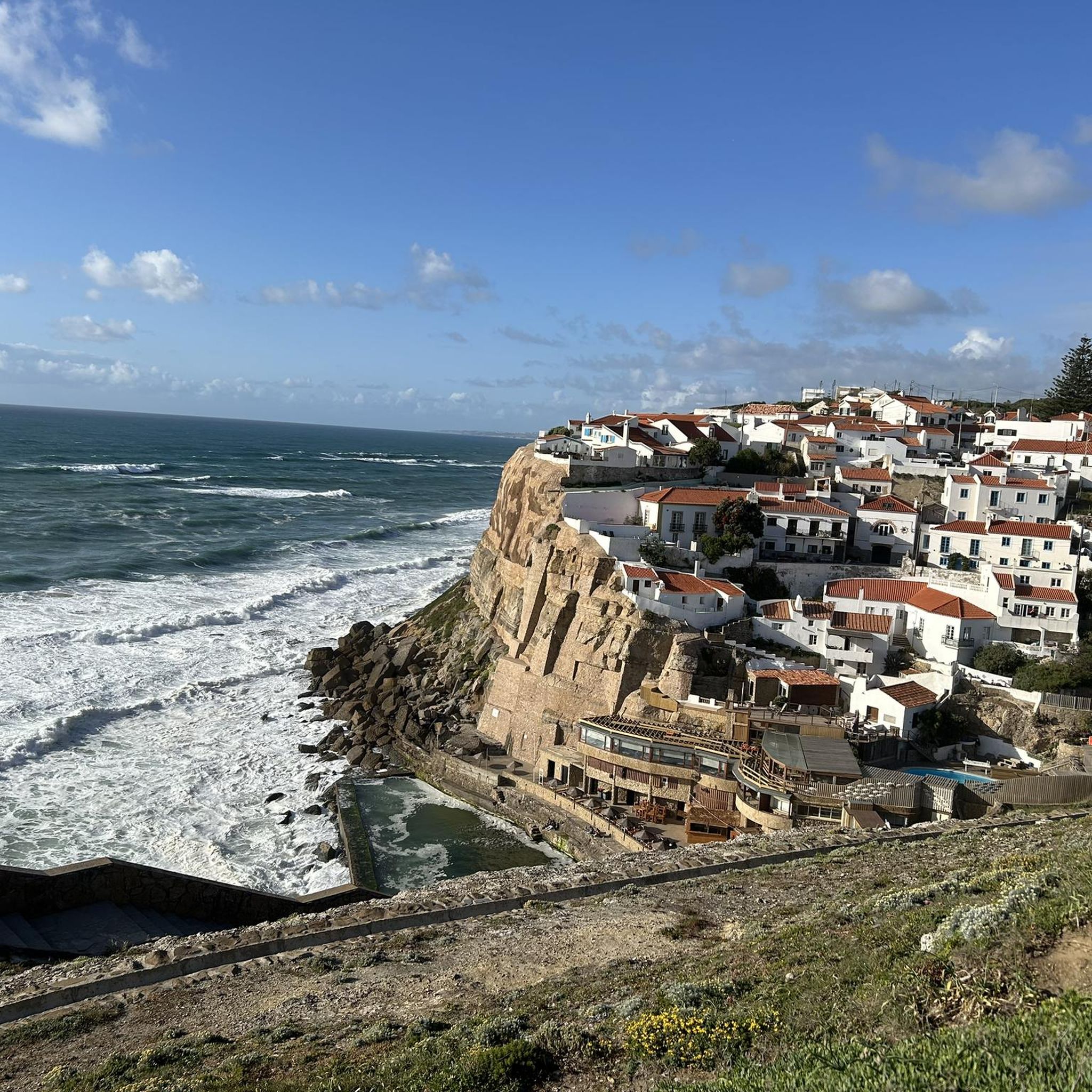
A very pretty little town with winding streets. However, like every hot spot, it's now completely exploited for tourism.
8
1

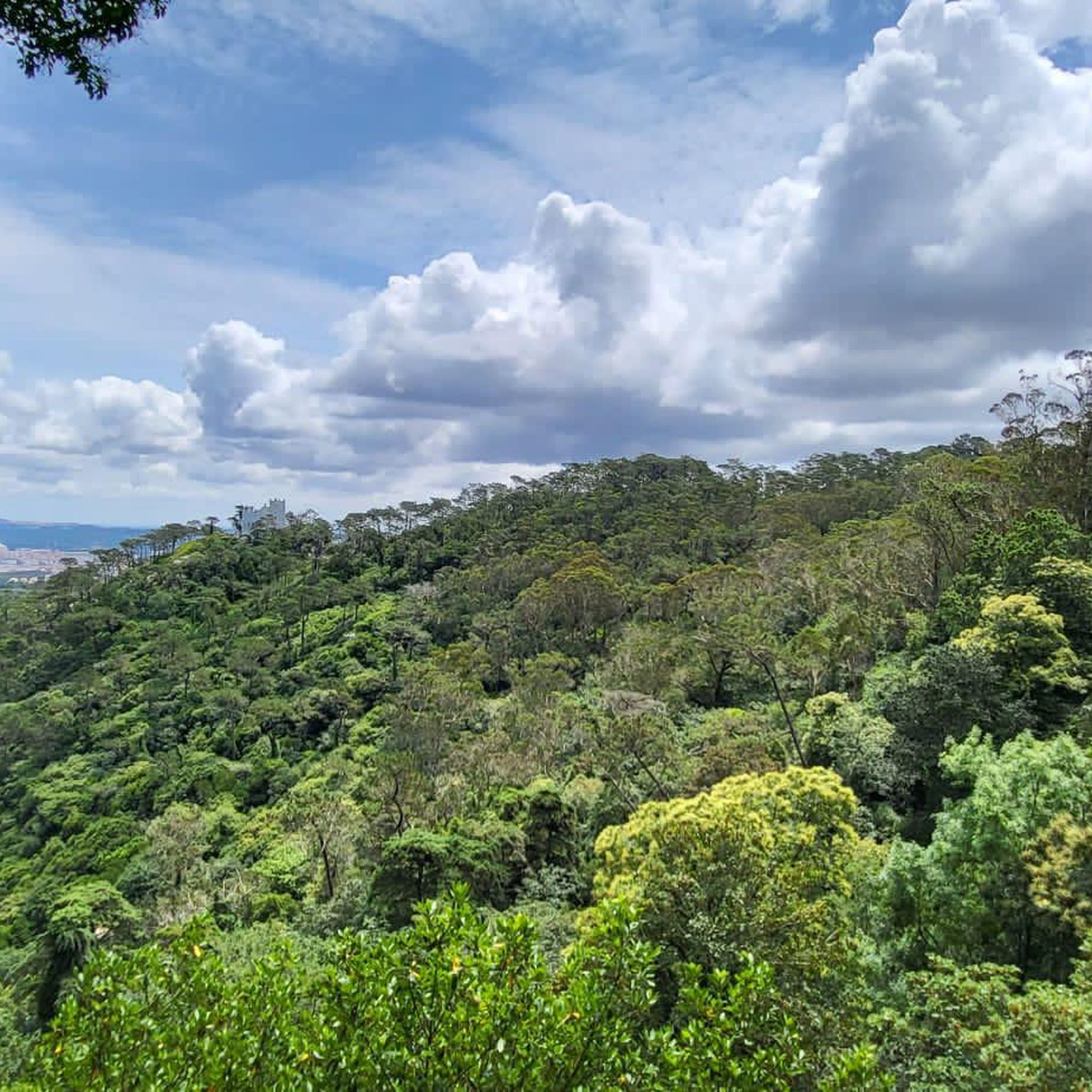
The view of Pena Palace and Sintra from the Castelo dos Mouros is one of the most spectacular in the entire region. Walking along the castle walls, you'll discover a landscape that blends history, architecture, and nature in perfect harmony.
7
0
It was originally a Hieronymite monastery founded in the 16th century, dedicated to Our Lady of Sorrow. After the 1755 earthquake, it fell into ruins and was acquired by King Ferdinand II in 1838. Between 1842 and 1854, it became a summer palace for the Portuguese royal family. In 1910, following the end of the monarchy, it passed into state hands and was opened to the public.
20
0
The Pena Palace in Sintra is one of Portugal's most spectacular monuments and a jewel of European Romanticism. Located high in the Sintra Mountains, about 25 km from Lisbon, this palace looks like something out of a fairy tale with its colorful and eclectic architecture.
21
0
The Belém Tower is one of the most iconic monuments in Lisbon, Portugal. Built between 1515 and 1519 by architect Francisco de Arruda, this Manueline-style tower was originally a fortress intended to protect the entrance to the port of Lisbon across the Tagus River. Over time, the tower also served as a tax collection center, a lighthouse, and a prison. In 1983, it was declared a UNESCO World Heritage Site along with the nearby Jerónimos Monastery.
17
3
The Belém Tower is a 16th-century military construction designed by Francisco de Arruda and Diogo de Boitaca. It played a crucial role during the Age of Discovery as a fortress and port. Throughout its history, it has served as a prison, lighthouse, and tax collection center. Along with the Jerónimos Monastery, it was declared a UNESCO World Heritage Site in 1983. I hope this information is useful to you! 😊
19
2
The Belém Tower is a 16th-century military construction designed by Francisco de Arruda and Diogo de Boitaca. It played a crucial role during the Age of Discovery as a fortress and port. Throughout its history, it has served as a prison, lighthouse, and tax collection center. Along with the Jerónimos Monastery, it was declared a UNESCO World Heritage Site in 1983. I hope this information is useful to you! 😊
25
1

The Quinta da Regaleira palace was built at the beginning of the 20th century by the millionaire Antonio Augusto Carvalho Monteiro (1848-1920), who fulfilled his dream here with the help of the theater architect Luigi Manini (1848-1936). It is a UNESCO World Heritage Site. A fairytale 🏰. Beautiful here 🥰.
17
0
Frequently Asked Questions
What historical sites can I explore directly in Agualva?
Within Agualva, you can visit the ancient Anta de Agualva, a megalithic dolmen dating back to the Late Neolithic period, located in Jardim da Anta. The historic core of Agualva also features the 16th-century Chapel of Nossa Senhora da Consolação and the 18th-century Quinta da Fidalga. Additionally, the Sítio Arqueológico de Colaride offers insights into the local history.
Are there family-friendly attractions near Agualva?
Yes, several attractions are great for families. In Sintra, Quinta da Regaleira offers a magical estate with tunnels and grottoes. The National Palace of Sintra and the Sintra Historic Centre are also family-friendly. In Lisbon, the Belém Tower and the Lisbon Zoo are popular choices.
What natural features or viewpoints are worth visiting around Agualva?
Agualva is close to several natural highlights. You can discover the secluded Cascata da Agualva, a waterfall on the Lordelo River. The broader region includes the diverse landscapes of Sintra-Cascais Natural Park, the dramatic coastal cliffs of Boca do Inferno near Cascais, and Cabo da Roca, the westernmost point of mainland Europe, offering breathtaking ocean views. For a relaxing beach day, Praia de Carcavelos is also nearby.
What outdoor activities can I do near Agualva?
The area around Agualva is excellent for outdoor activities. You can find numerous routes for hiking, cycling, and mountain biking. For detailed routes and guides, explore Hiking around Agualva, Cycling around Agualva, and MTB Trails around Agualva.
Where can I find historical castles or palaces near Agualva?
Sintra, a short distance from Agualva, is rich in royal history. You can visit the commanding Castle of the Moors, the vibrant Pena Palace, and the National Palace of Sintra. Closer to Agualva, the Palace of Queluz, an exuberant Rococo palace, is less than ten minutes away.
What are some significant cultural landmarks in Lisbon accessible from Agualva?
Lisbon, about 15 minutes from Agualva, hosts iconic cultural sites. The Belém Tower, a UNESCO-listed 16th-century monument, and the impressive Jerónimos Monastery, another UNESCO site, are prime examples of Manueline architecture. You can also visit the Museu de Marinha or the Calouste Gulbenkian Museum.
Are there any parks or green spaces in Agualva for relaxation?
Yes, Agualva offers green spaces for relaxation. The Jardim da Anta provides a pleasant urban park setting around the ancient Anta de Agualva. Additionally, the Monsanto Forest Park, located in Agualva-Cacém, offers a blend of nature with lush greenery.
What do visitors particularly enjoy about the attractions around Agualva?
Visitors frequently praise the stunning panoramic views from places like the Castle of the Moors. The unique architecture and enigmatic gardens of Quinta da Regaleira are also highly appreciated, often described as fairytale-like. The historical significance and beauty of sites like the Belém Tower are also highlights for many.
What is the best time of year to visit Agualva and its surrounding attractions?
The best time to visit Agualva and its surrounding attractions is generally during the spring (April to June) and early autumn (September to October). During these months, the weather is pleasantly mild, ideal for exploring historical sites and enjoying outdoor activities without the intense heat of summer or the heavier rains of winter. This period also avoids the peak tourist crowds of July and August.
Are there any hidden gems or less-known spots to discover in the Agualva area?
Beyond the well-known sites, the Cascata da Agualva on the Lordelo River is considered a local secret, offering a rewarding natural experience. Exploring the historic core of Agualva itself, with its Chapel of Nossa Senhora da Consolação and Quinta da Fidalga, provides a glimpse into the area's local heritage away from the major tourist hubs.
What are the public transport options for reaching attractions from Agualva?
Agualva-Cacém is well-connected within the Lisbon Metropolitan Area. You can use local train services to reach Lisbon and Sintra, which then provide access to their respective attractions. Buses also operate in the region, connecting Agualva to various nearby towns and points of interest. Specific routes and schedules can be checked with local transport providers.
Most popular attractions around Agualva

Get inspired with the komoot mobile app


Explore more
Still not found the Highlight you’re looking for? See guides of the top attractions in other regions:
