The best road cycling routes around Chancelaria
40
riders
3
rides
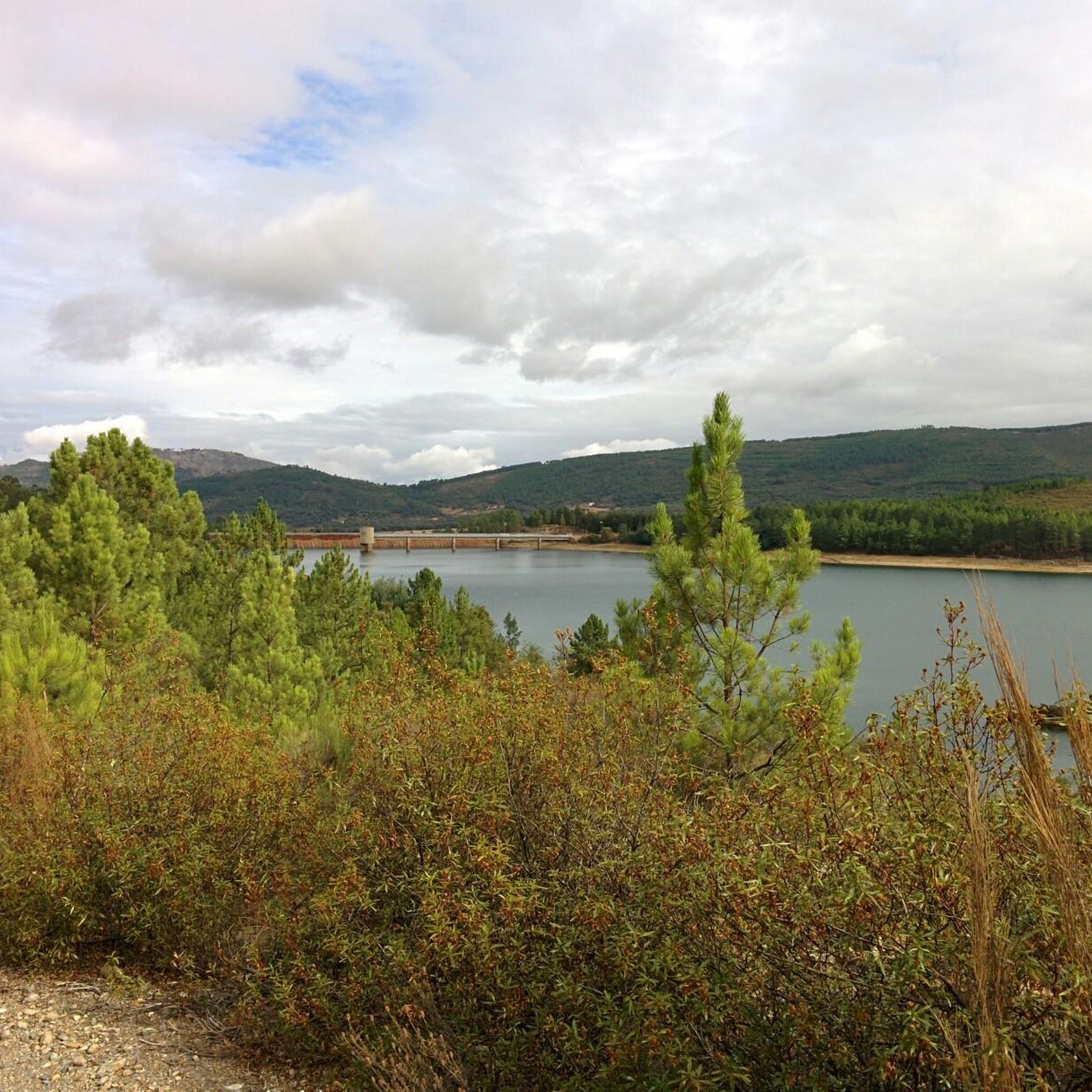
Road cycling routes around Chancelaria traverse a landscape characterized by diverse terrains, offering options for various fitness levels. The region features a mix of paved surfaces suitable for road bikes, with routes that include both moderate and challenging elevation gains. Cyclists can expect to encounter rolling hills and scenic natural features, providing a varied experience across the area.
Best road cycling routes around Chancelaria
- The most popular road cycling route is Stork Nest – Seda Castle loop from Chança,…
Last updated: July 11, 2026
11
riders
83.9km
03:45
770m
770m
Moderate road ride. Good fitness required. Mostly well-paved surfaces and easy to ride.
5
riders
45.2km
02:05
460m
460m
Moderate road ride. Good fitness required. Some segments of this route may be unpaved and difficult to ride.

Sign up for free
4
riders
Moderate road ride. Good fitness required. Mostly well-paved surfaces and easy to ride.
5
riders
56.7km
02:22
400m
400m
Moderate road ride. Good fitness required. Mostly well-paved surfaces and easy to ride.
6
riders
111km
05:26
1,580m
1,580m
Hard road ride. Very good fitness required. Mostly well-paved surfaces and easy to ride.
Our route recommendations are based on thousands of hikes, rides, and runs completed by other people on komoot.
Start today with a free account
Your next adventure awaits.
Login or Signup
Popular around Chancelaria


Tips from the Community

Far in the northeast of Alentejo lies Castelo de Vide, just a few kilometers from the border with Spain. The town is often called Cidade branca (white city), which is primarily due to the pretty whitewashed houses of the town. The highlight of the town (besides its great location in the Parque Natural da Serra de São Mamede) is the 14th-century Castelo de São Roque. From the castle, you have a fantastic view of the old town. Other sights in Castelo de Vide include the old Jewish quarter with the oldest synagogue in Portugal and the numerous churches and chapels of the town.
1
0

Located in the parish of Seda, in the heart of the Alentejo, the ruins of the walls that surrounded the ancient castle of Seda remain determined to preserve their ancient history. Without official evidence, some studies point to the existence of a castro of the Lusitanian tribe, occupied by Roman troops who would have erected a fortification there. The Roman presence in the region is well-known, and easily attested to by the Vila Formosa Bridge (1st and 2nd centuries), milestones, and the military road that would have connected Lisbon to Mérida. In 1160, King Afonso Henriques conquered the village, which at the time was called Arminho, from the Moors and donated the fortification to the Templars. This is the date that marked the beginning of the village's original enclosure. During the reign of King Afonso III, the village was handed over to the Order of Aviz and was later elevated to the status of a town, even serving as the municipal seat until 1836. The castle, however, gradually lost importance, and only a section of medieval wall, reinforced with turrets, has survived to this day. It has been classified as a Property of Public Interest since 1982.
1
0

A place to visit every month. It's wonderful.
2
0
The current pillory dates from the years immediately following the granting of the New Charter by King Manuel in 1512 and reflects his Manueline, albeit very rustic, style. The monument stands in front of the 16th-century district jail building and next to the clock tower, also from the 16th century, in the square that bears his name. It stands on a base with four octagonal steps and consists of an octagonal shaft set directly into the upper step, formed by five drums with mortar joints.
2
0
The fortified town of Marvão, 12 kilometers from Quinta do Pomarinho, is also known as the "Eagle's Nest." It boasts a spectacular location on a granite cliff, atop one of the peaks of the Serra de São de Mamede mountain range. Completely walled, Marvão is situated in the Alto Alentejo region, near the Spanish border, which was once controlled from the village. The town of Marvão owes its name to Ibn Maruane, an Arab military leader who sought refuge here in the 11th century. He hid on Mount Ammaia and built a castle there, in the most remote and inaccessible spot he could find. Years later, the castle was transformed into a medieval fortress. Its location made it a strategic defensive position, nestled among hills with slopes to the north, south, and west, accessible only on foot from the village. For many years, Marvão was a municipality heavily and significantly involved in numerous military conflicts in the region. Today, Marvão is a rather sleepy town, but one where you can enjoy wonderful walks. More information can be found here: https://www.feriasemportugal.com/marvao
3
0

Marvão is dominated by its imposing and well-preserved medieval castle. The fortified walls embrace the entire village, enclosing a maze of narrow cobbled streets, white houses with red roofs and small flower-filled squares. The views from the walls are breathtaking, taking in a vast panorama of hills, valleys and, on a clear day, all the way to the Serra da Estrela mountain range. Marvão is a true open-air museum, preserving the atmosphere and architecture of centuries past. It is on the UNESCO tentative list of potential World Heritage Sites, and is an ideal destination for those seeking history, tranquility and spectacular scenery.
1
0

Mural in homage to the Alter Real Initially called Alter-do-chão, but later its name was changed to Alter-Real, the breed is descended from Andalusian horses brought from Spain. Between 1809 and 1810, the breed was threatened during the Napoleonic invasions, when General Junot's French troops stole the best specimens of the breed. Crossbreeding with Thoroughbreds and Arabians weakened the breed, causing a great loss of its racial character, with 12 pure Zapata mares of the breed remaining. They were saved from extinction through the importation of three Andalusian stallions in 1992 directly from Jerez de la Frontera in Spain. At the end of the 20th century, measures were taken to restore the Alter-Real to its former characteristics and its best use in the modern world, in addition to its preservation. Today, the reproduction of the Alter-Real is controlled by the Portuguese Ministry of Agriculture and its use is in Equestrianism and Dressage and it participated in the formation of the Brazilian Manga-Larga Paulista and Manga-Larga Marchador horses at the beginning of the 19th century. (Source:Wikipedia)
14
0
Frequently Asked Questions
What kind of terrain can I expect on road cycling routes in Chancelaria?
Road cycling routes around Chancelaria feature a diverse landscape, characterized by rolling hills and varied terrains. You'll find a mix of paved surfaces suitable for road bikes, with routes that include both moderate and challenging elevation gains. Some longer or more difficult routes might even include short unpaved segments, adding an adventurous element.
How many road cycling routes are available in Chancelaria?
There are several road cycling routes around Chancelaria, with komoot featuring 3 highly-rated options in this guide. These routes cater to different abilities, from moderate rides to more challenging excursions.
Are there challenging road cycling routes in Chancelaria for experienced riders?
Yes, Chancelaria offers challenging routes for experienced road cyclists. For instance, the Historic Village of Marvão – Marvão Castle loop from Alter do Chão is a difficult route spanning over 112 km with significant elevation gain, requiring very good fitness. Other demanding options mentioned in regional research include the Batalha Monastery – Ponte da Boitaca loop (55.7 km, 820m elevation) and the Peão Fountain - Monsanto – Moitas Venda loop (53.1 km, 630m elevation).
Are there any moderate road cycling routes suitable for a good fitness level?
Absolutely. Many routes in Chancelaria are classified as moderate, perfect for those with good fitness. The Old Crato station – Flor da Rosa Monastery loop from Coudelaria de Alter is a popular moderate path, offering a balanced ride through varied scenery. Another great option is the Alter do Chão Castle – Seda Castle loop from Alter do Chão, which covers nearly 58 km with over 400m of elevation gain.
What natural features or landmarks can I see along Chancelaria's road cycling routes?
Chancelaria's road cycling routes often pass through scenic natural features and offer glimpses of historical landmarks. While specific routes may vary, the region is close to attractions like the Mira de Aire Cave for natural wonders, and historical sites such as the Sanctuary of Our Lady of Fátima, the Convent of Christ, and various castles like Almourol Castle and the Castle of Ourem. You might also encounter charming villages and open landscapes.
Are there circular road cycling routes available in Chancelaria?
Yes, many of the road cycling routes in Chancelaria are designed as loops, allowing you to start and finish at the same point. Examples include the popular Stork Nest – Seda Castle loop from Chança and the Alter do Chão Castle – Quiet Stretch for Time Trial loop from Alter do Chão.
What is the typical duration of road cycling routes in Chancelaria?
The duration of road cycling routes in Chancelaria varies depending on the distance and elevation. Moderate routes like the Old Crato station – Flor da Rosa Monastery loop from Coudelaria de Alter can take around 2 hours, while longer, more challenging routes such as the Stork Nest – Seda Castle loop from Chança might take closer to 3 hours 45 minutes. The most difficult routes can extend to over 5 hours.
What is the best time of year to go road cycling in Chancelaria?
Given Portugal's climate, spring (April-May) and autumn (September-October) are generally ideal for road cycling in Chancelaria. The weather is typically milder, with pleasant temperatures and less extreme heat than summer, making for more comfortable rides. Winter can also be an option, though some days might be cooler or wetter.
Is parking available near road cycling trailheads in Chancelaria?
While specific parking details for every trailhead are not always listed, Chancelaria and its surrounding towns are generally accessible by car. You can often find parking in the starting points of routes, especially in villages or near local attractions. It's advisable to check local parking regulations upon arrival.
Are there cafes or places to stop for refreshments along the road cycling routes?
Many road cycling routes in Chancelaria pass through or near small towns and villages where you can find local cafes, restaurants, or shops to refuel and refresh. While not every route will have continuous services, planning your stops in advance, especially on longer rides, is recommended.
What do other road cyclists enjoy the most about road cycling in Chancelaria?
Road cyclists using komoot often praise Chancelaria for its diverse terrains and scenic natural features. The region's mix of rolling hills and varied landscapes provides an engaging experience, with options for different ability levels. Many appreciate the well-maintained paved surfaces and the opportunity to explore both moderate and challenging routes.
Most popular routes around Chancelaria

Get inspired with the komoot mobile app


Explore more
Browse the best Road cycling routes in other regions.
